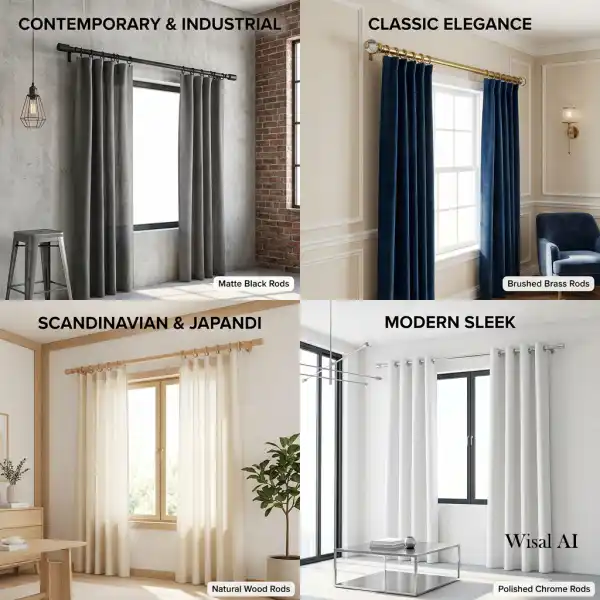
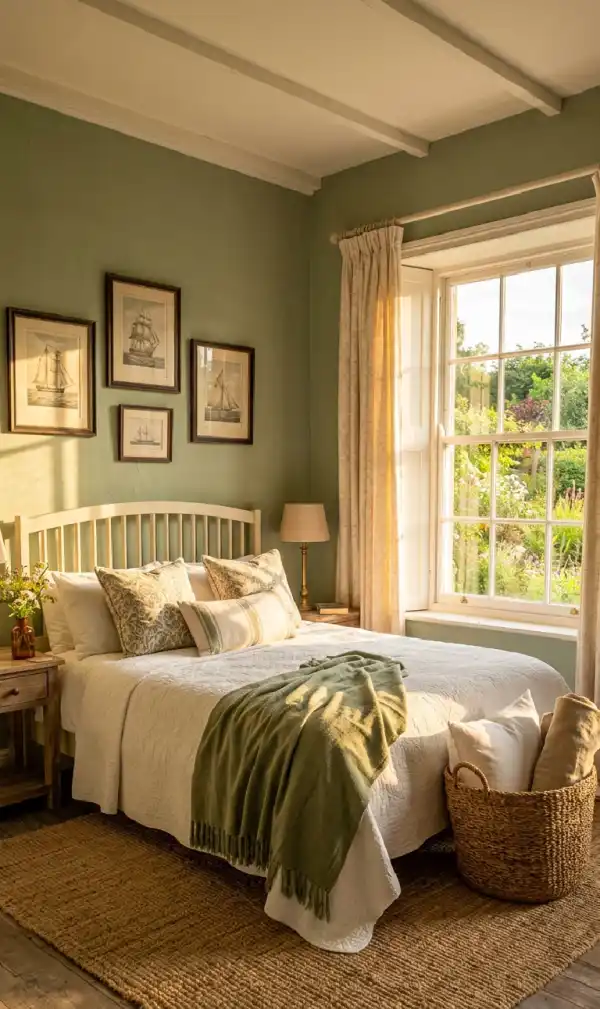
Creating a beautiful home isn't simply about buying expensive furniture or following the latest design trends. The most successful interiors are carefully planned, balancing comfort, functionality, proportion, and style to create spaces that feel both beautiful and practical. Yet many homes fall short of their potential because of a few common design mistakes that affect the way rooms look, feel, and function every day. One of the biggest misconceptions about interior design is that adding more furniture, more colours, or more decorative accessories automatically creates a luxurious home. In reality, professional designers often achieve the opposite by simplifying layouts, choosing high-quality materials, and ensuring that every piece has a clear purpose. Great design is less about filling a room and more about creating balance, harmony, and flow. Interior design mistakes can also be surprisingly expensive. Buying furniture that's too large, selecting the wrong lighting, ignoring storage, or following short-lived trends may require costly replacements later. Fortunately, most of these problems can be corrected without a complete renovation. Small adjustments to furniture placement, lighting, colour palettes, and organisation can dramatically improve both the appearance and functionality of a space. Another important consideration is that every room should support the way you actually live. A beautifully designed home should be comfortable, easy to navigate, and adaptable to everyday routines. Professional designers always consider how people move through a space, where natural light enters, how storage is used, and how different materials work together to create a cohesive atmosphere. Whether you're decorating your first apartment, renovating a family home, or simply refreshing one room at a time, understanding these common mistakes can help you make smarter design decisions. Avoiding them not only creates a more attractive interior but also saves time, money, and frustration in the long run. In this guide, you'll discover 15 of the most common interior design mistakes and how to fix them. These practical, designer-approved tips will help you create a home that feels balanced, timeless, comfortable, and beautifully put together.
1. Buying Furniture Before Planning the Layout
One of the most common mistakes is purchasing furniture before understanding how the room will function. Many homeowners fall in love with individual pieces in a showroom without considering the room's dimensions, traffic flow, or existing architecture. As a result, furniture often feels oversized, undersized, or awkwardly arranged. Professional interior designers always begin by measuring the room, mapping doorways, windows, walkways, and focal points before selecting any furniture. Creating a simple floor plan first helps ensure every piece fits comfortably while leaving enough space for movement. A well-planned layout becomes the foundation for every successful interior design project.
2. Choosing Furniture That's the Wrong Scale
Beautiful furniture can still look completely out of place if it's the wrong size. Oversized sofas overwhelm compact living rooms, while tiny coffee tables disappear beneath large seating arrangements. Likewise, very small artwork on large walls often feels disconnected. Professional designers constantly evaluate proportion and scale, making sure every object relates appropriately to the room and surrounding furniture. When in doubt, measure carefully rather than relying on visual estimates. Balanced proportions instantly make any room feel more polished and professionally designed.
3. Relying on a Single Ceiling Light
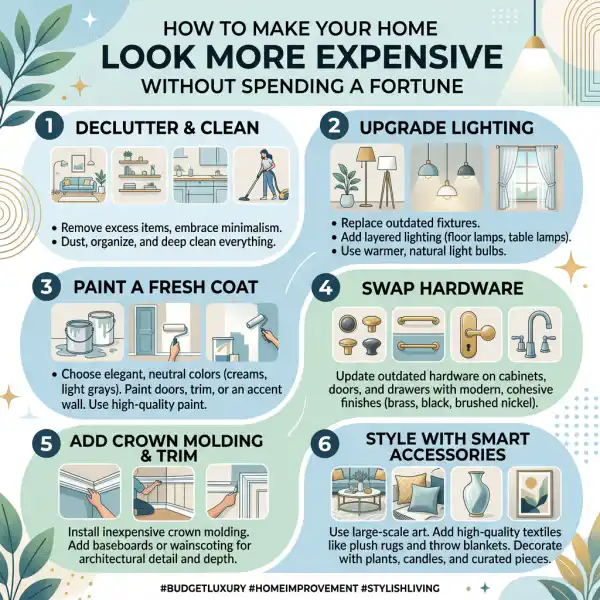
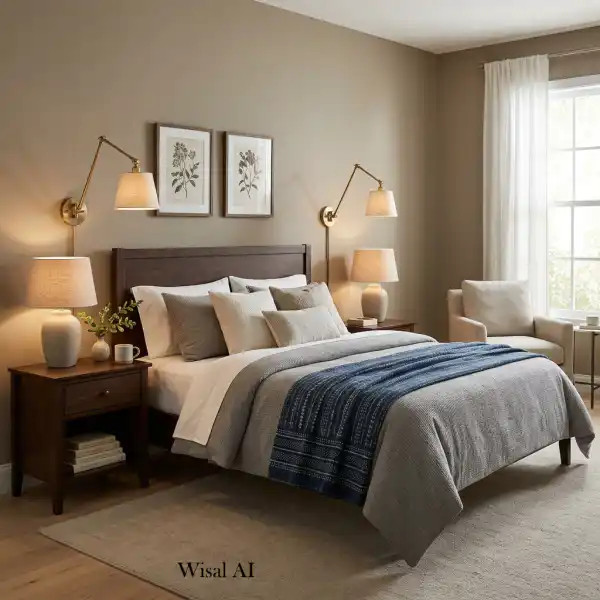
Lighting is one of the most overlooked elements of interior design. Many homes depend on one central ceiling fixture, creating flat, harsh lighting that lacks warmth and depth. Instead, layer ambient lighting, task lighting, and accent lighting using ceiling fixtures, table lamps, floor lamps, wall sconces, and indirect lighting. Warm white bulbs between 2700K and 3000K create a welcoming atmosphere while enhancing natural materials and soft colour palettes. Professional designers use lighting to shape mood just as much as visibility.
4. Using Too Many Colours
Colour adds personality, but too many competing shades can quickly make a home feel chaotic. Instead of combining numerous bold colours, choose a consistent palette of complementary tones that flows naturally from room to room. Neutral foundations paired with carefully selected accent colours create timeless interiors that remain flexible as trends change. Professional designers often repeat colours through artwork, textiles, furniture, and accessories to reinforce visual harmony. Consistency always feels more luxurious than excess.
5. Ignoring Natural Light
Natural light dramatically affects how every room feels. Blocking windows with oversized furniture, heavy curtains, or dark finishes can make even spacious homes feel smaller and less inviting. Choose light window treatments, position mirrors to reflect daylight, and keep windows as open as possible. Professional designers treat natural light as one of the home's most valuable design features rather than something to hide. Bright interiors consistently feel healthier, larger, and more welcoming.
6. Following Trends Instead of Your Lifestyle
Design trends can be inspiring, but building an entire home around them often leads to disappointment. Many homeowners rush to buy the latest furniture, colours, or decorative pieces simply because they're popular on social media. While these trends may look impressive today, many lose their appeal within a few years. Professional designers use trends as small accents rather than the foundation of a home's design. Timeless furniture, neutral colour palettes, and quality materials remain beautiful regardless of changing fashion. If you love a trend, introduce it through cushions, artwork, throws, or decorative accessories that can easily be replaced. A home designed around your lifestyle will always outlast a home designed around temporary trends.
7. Forgetting About Storage
Beautiful homes quickly lose their appeal when everyday clutter takes over. Without enough storage, books, chargers, children's toys, paperwork, blankets, and daily essentials end up on tables, countertops, and sofas. Professional designers include storage in every stage of the planning process. Built-in cabinetry, storage benches, hidden compartments, floating cabinets, baskets, and multifunctional furniture help maintain an organised home without sacrificing style. Every item should have a dedicated place. A clutter-free room instantly feels more spacious, calming, and luxurious.
8. Hanging Artwork Too High
Artwork should connect with the furniture rather than float independently on the wall. One of the most common decorating mistakes is hanging pictures too close to the ceiling. This disconnects the artwork from the rest of the room and makes the walls feel awkwardly proportioned. Professional designers generally position artwork so its centre sits around eye level while keeping it visually connected to nearby furniture. When hanging art above a sofa, bed, or console table, leave enough space between the furniture and the frame to create balance. Proper placement makes artwork feel like an integrated part of the room instead of an afterthought.
9. Overdecorating Every Surface
More decoration does not automatically create a more luxurious home. Many interiors become visually overwhelming because every shelf, table, and wall is filled with accessories. Professional designers carefully edit decorative objects, choosing fewer pieces with greater visual impact. Leaving empty space between accessories allows beautiful materials, artwork, and architectural details to stand out naturally. Luxury interiors often feel peaceful because they avoid unnecessary visual noise. Sometimes removing decorative items improves a room more than adding new ones.
10. Ignoring Texture
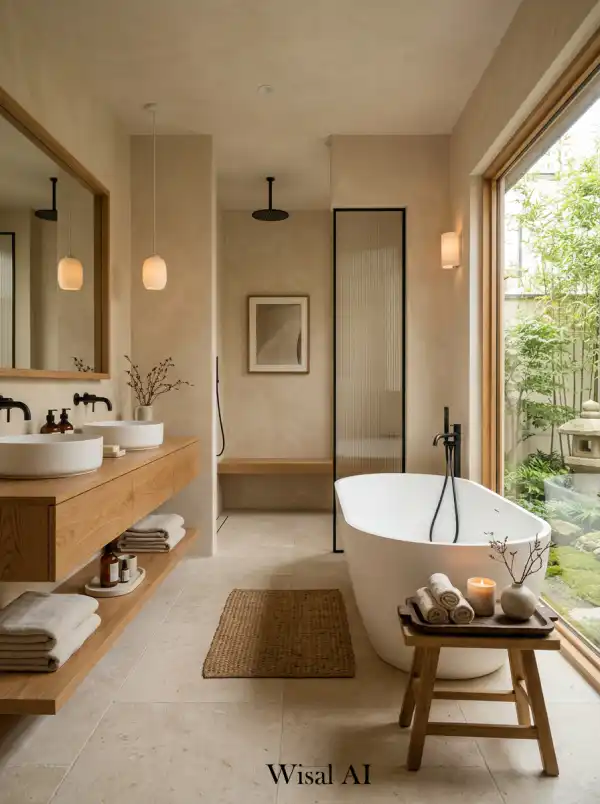
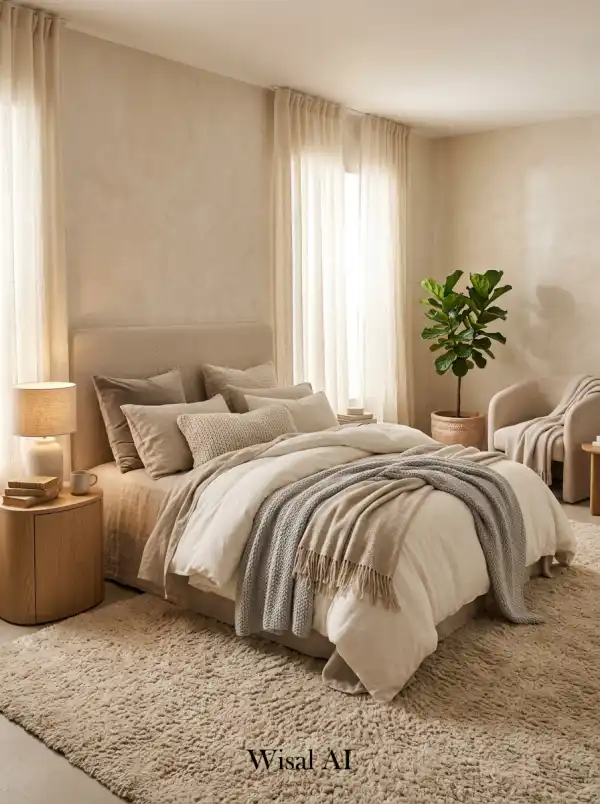
Even rooms decorated in beautiful colours can feel flat without texture. Interior designers create warmth by combining linen, wool, bouclé, leather, natural wood, stone, ceramics, glass, woven fibres, and metal finishes. Rather than relying on bold patterns, they layer different materials to create subtle contrast. Texture allows neutral interiors to feel rich, inviting, and visually interesting without becoming busy. This approach creates timeless elegance that works in almost every design style.
11. Choosing the Wrong Rug Size
A rug should visually anchor the furniture rather than appear disconnected from it. Small rugs often make living rooms, bedrooms, and dining areas feel fragmented because they fail to unify the furniture arrangement. Professional designers usually select rugs large enough for at least the front legs of major furniture pieces to rest comfortably on them. This creates a stronger visual foundation while improving the room's proportions. The correct rug size immediately makes the entire space feel more intentional.
12. Blocking the Room's Natural Flow
Every room should allow people to move comfortably. Poor furniture placement can create awkward walkways, blocked entrances, and cramped seating areas that make daily life frustrating. Professional designers carefully consider circulation before arranging furniture. Walkways should remain open, frequently used areas should be easily accessible, and furniture should encourage natural conversation without obstructing movement. Good circulation improves both comfort and functionality. Rooms that flow well always feel larger than they actually are.
13. Neglecting Ceiling Design
Many homeowners focus exclusively on walls and furniture while forgetting the ceiling. Professional designers often refer to the ceiling as the "fifth wall" because it contributes significantly to the room's overall appearance. Simple ceiling mouldings, wooden beams, subtle recessed lighting, elegant pendant fixtures, or carefully selected paint colours can dramatically enhance a space. Even minimalist ceilings benefit from thoughtful lighting design. Paying attention above eye level creates a more complete and sophisticated interior.
14. Buying Everything From One Collection
Purchasing an entire matching furniture set may seem like the easiest solution, but it often makes a room feel more like a showroom than a home. Professional designers mix materials, finishes, textures, and furniture styles while maintaining a consistent colour palette. Combining vintage pieces with contemporary furniture or natural wood with modern upholstery creates personality and depth. Thoughtful variety gives interiors character while avoiding a repetitive appearance. Well-balanced contrast always feels more authentic.
15. Skipping the Final Editing Stage
One of the biggest differences between professionally designed homes and ordinary interiors is editing. After completing a room, designers spend time evaluating every detail. They remove unnecessary accessories, adjust furniture placement, improve lighting, reorganise decorative objects, and ensure every element serves a purpose. Editing creates visual balance while allowing the room's strongest features to stand out. Rather than asking, "What else can I add?" professional designers often ask, "What can I remove?" This final step transforms a nicely decorated room into one that feels truly refined.
Conclusion
Beautiful interior design is rarely the result of expensive furniture or perfect decorating alone. Instead, it comes from making thoughtful decisions that improve how a home functions, feels, and evolves over time. By avoiding common mistakes such as poor furniture placement, inadequate lighting, excessive clutter, mismatched proportions, and trend-driven decorating, you can create interiors that remain comfortable and visually appealing for many years. Professional designers focus on creating balance through carefully planned layouts, layered lighting, quality materials, appropriate scale, and purposeful decoration. They understand that successful interiors are built on timeless design principles rather than short-lived trends. Every decision—from choosing the right rug size to positioning artwork correctly—contributes to a home that feels cohesive, welcoming, and effortlessly elegant. The most important lesson is that great design is about intention. Every piece of furniture, every light fixture, every material, and every decorative object should support the way you live while enhancing the overall atmosphere of your home. By correcting these common interior design mistakes, you'll create spaces that not only look professionally designed but also provide greater comfort, functionality, and lasting beauty.
FAQs
1. What is the most common interior design mistake?
Buying furniture before planning the room layout is one of the biggest mistakes because it often leads to poor proportions and inefficient use of space.
2. Why does my home feel cluttered even after cleaning?
The problem is often a lack of storage or too many decorative items. Reducing visible clutter and organising belongings usually makes a significant difference.
3. How can I make my home look professionally designed?
Use a cohesive colour palette, layer different light sources, choose furniture that fits the room, mix natural textures, and avoid overcrowding surfaces with décor.
4. Is it okay to mix different furniture styles?
Yes. Mixing styles creates depth and personality, as long as the pieces are connected through complementary colours, materials, or proportions.
5. Why is lighting so important in interior design?
Lighting affects the mood, highlights architectural features, improves functionality, and makes colours and materials appear more attractive.
6. Can small design changes really make a big difference?
Absolutely. Improving lighting, rearranging furniture, decluttering, selecting the right rug size, and introducing layered textures can dramatically transform a room without requiring a major renovation.