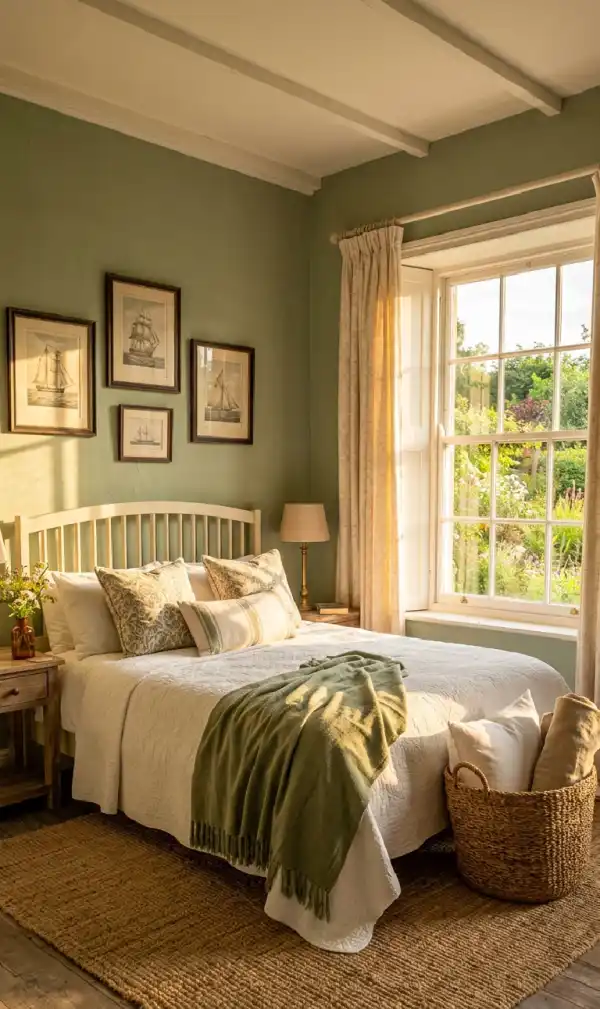
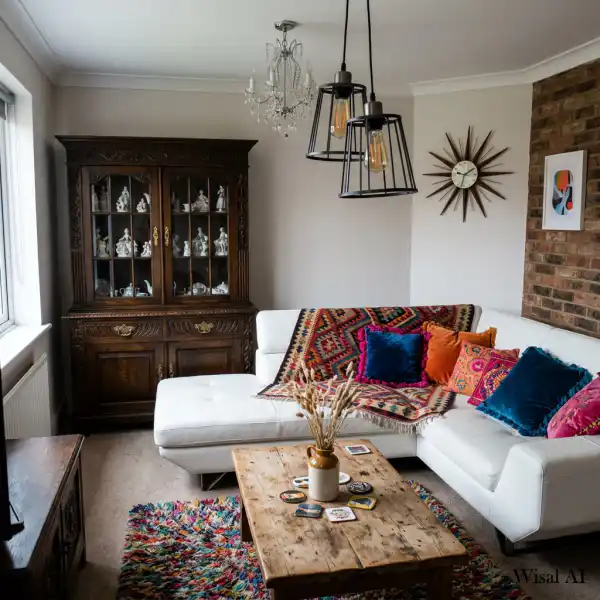
Curtains are often one of the last elements people think about when decorating a home, yet they have the power to completely transform a room. The right curtains can make ceilings appear taller, windows look larger, and interiors feel warmer, brighter, and more luxurious. On the other hand, poorly chosen curtains can disrupt the balance of a space, block natural light, or make even a beautifully designed room feel unfinished. Professional interior designers understand that curtains are much more than simple window coverings. They soften hard architectural lines, frame outdoor views, improve privacy, control sunlight, and contribute significantly to the overall style of a room. The fabric, length, color, texture, and placement all work together to influence how spacious and inviting a room feels. Choosing curtains isn't simply about matching the wall color or selecting a fabric you like. Every room has different needs. A bedroom requires privacy and light control, while a living room often benefits from sheer fabrics that maximize natural daylight. Kitchens need practical, easy-to-maintain materials, and dining rooms can accommodate more decorative treatments that enhance the overall atmosphere. In addition to aesthetics, curtains also affect comfort. They help regulate indoor temperatures by reducing heat gain during summer and limiting heat loss during colder months. They can improve acoustics by absorbing sound and create a softer, more relaxing environment throughout the home. In this guide, you'll learn how to choose the perfect curtains for every room using professional interior design principles. From selecting the ideal fabric and length to choosing colors, hardware, and installation techniques, these practical tips will help you create windows that feel elegant, functional, and perfectly suited to every space in your home.
1. Start by Understanding the Purpose of the Curtains
Before choosing colors, fabrics, or curtain styles, take a moment to think about what you actually need the curtains to do. Professional interior designers never begin with appearance alone—they first consider function. Ask yourself a few important questions. Do you need complete privacy? Would you like to block early morning sunlight in the bedroom? Is your goal simply to soften the look of the windows? Do you want the curtains to help insulate the room from heat or cold? Or are they mainly decorative? Each room in the home has different priorities. Bedrooms usually require excellent light control and privacy, making blackout curtains a practical choice. Living rooms often benefit from lighter fabrics that allow natural light to filter through while still providing a sense of softness. Dining rooms may prioritize elegance, while kitchens need durable materials that are easy to clean and resistant to moisture. When you clearly understand the role your curtains will play, every other decision becomes much easier. Instead of choosing based only on appearance, you'll select window treatments that improve both the beauty and functionality of the space. Starting with purpose ensures your curtains work with your lifestyle not against it.
2. Measure Your Windows Carefully
One of the most common decorating mistakes is purchasing curtains without taking accurate measurements. Even the most beautiful fabric can look awkward if it's too short, too narrow, or poorly proportioned. Professional designers always measure the window and the surrounding wall before shopping. Begin by measuring the width of the window frame, then decide how far beyond the frame you want the curtain rod to extend. Extending the rod 8 to 12 inches beyond each side of the window allows the curtains to stack neatly when open, exposing more glass and making the window appear larger. Next, measure the height. Instead of installing the rod directly above the window, mount it closer to the ceiling whenever possible. Hanging curtains higher creates the illusion of taller ceilings and makes the room feel more spacious. Also consider fullness. Curtains generally look best when the combined fabric width is about two to three times the width of the window. This creates soft, elegant folds instead of a flat, stretched appearance. Taking careful measurements before purchasing ensures the finished result feels balanced, custom-made, and professionally designed.
3. Choose the Right Fabric for Each Room
Curtain fabric has a significant influence on both appearance and functionality. The right material should complement the room's purpose while supporting the overall interior design style. Sheer fabrics allow abundant natural light to enter and create an airy atmosphere that's ideal for living rooms, sunrooms, and dining spaces. Linen introduces a relaxed, organic texture that pairs beautifully with Scandinavian, Coastal, and Modern Organic interiors. Cotton offers versatility and easy maintenance, making it suitable for many areas of the home. Velvet creates a luxurious, dramatic effect while also providing excellent insulation and light control, making it a popular choice for formal living rooms and bedrooms. For bedrooms, blackout-lined fabrics improve sleep quality by blocking unwanted light. In kitchens and bathrooms, moisture-resistant and easy-to-clean materials are often the most practical solution. Rather than selecting fabric based solely on appearance, think about how it will perform every day. Beautiful curtains should enhance comfort as well as style.
4. Select Curtain Colors That Complement the Room
Curtains occupy a large visual area, making their color one of the most important decorating decisions. Neutral shades such as warm white, ivory, beige, taupe, greige, and soft gray remain timeless because they blend effortlessly with changing furniture and décor. If you prefer more contrast, consider using curtains that are one or two shades darker than the wall color instead of introducing completely unrelated colors. This approach creates depth while maintaining harmony. In rooms with colorful furniture or patterned rugs, neutral curtains help balance the design. Conversely, simple interiors may benefit from softly colored curtains that introduce subtle visual interest. Natural fabrics with visible texture often appear richer than solid synthetic colors because they interact beautifully with changing daylight. The goal is to create continuity rather than competition between the curtains and the rest of the room.
5. Hang Curtains Higher Than the Window
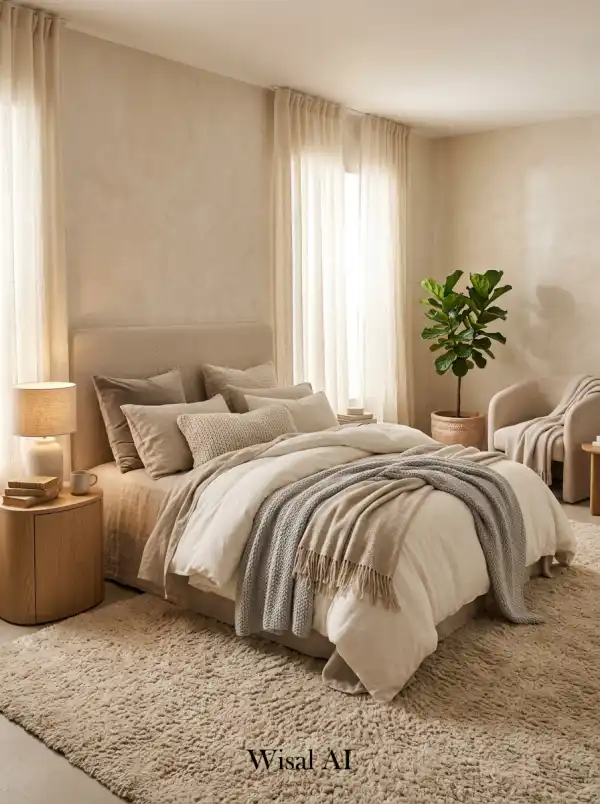
One of the oldest professional design tricks is also one of the most effective. Instead of mounting the curtain rod directly above the window frame, install it much closer to the ceiling. This simple adjustment creates the illusion of taller walls and larger windows. Likewise, extending the rod beyond both sides of the window allows the curtains to open completely without covering the glass. As a result, more natural light enters the room while the entire window appears significantly wider. Even compact living rooms and bedrooms benefit enormously from this technique. Floor-to-ceiling curtains naturally draw the eye upward, creating a sense of height and elegance that standard installations rarely achieve. This single design decision can dramatically improve the appearance of almost any room without increasing your decorating budget.
6. Decide Between Sheer, Blackout, or Layered Curtains
One of the most important decisions when choosing curtains is determining how much light you want to control. Different rooms have different lighting needs, and selecting the right type of curtain can dramatically improve both comfort and functionality. Sheer curtains are perfect for rooms that benefit from abundant natural light. They gently diffuse sunlight, reduce glare, and create a soft, airy atmosphere without completely blocking the view outside. Living rooms, dining rooms, home offices, and sunrooms often look their best with sheer fabrics because they allow daylight to become part of the interior design. Blackout curtains are ideal for bedrooms, nurseries, media rooms, or any space where darkness is important. These curtains reduce outside light, improve privacy, and can even help regulate room temperature by adding an extra layer of insulation. Better light control often leads to better sleep, making blackout curtains a practical investment as well as a decorative one. Many professional interior designers combine both options by layering sheer curtains behind heavier drapes. During the day, the sheer layer filters sunlight while maintaining privacy. In the evening, the blackout or decorative curtains can be closed for complete privacy and a cozier atmosphere. Layering also adds visual depth and gives windows a custom, luxurious appearance that instantly elevates the room.
7. Let the Curtains Touch the Floor
Curtain length has a surprisingly large influence on how elegant a room feels. Professional designers almost always recommend floor-length curtains because they create clean vertical lines that visually increase ceiling height. Curtains that stop several inches above the floor often make the room feel unfinished and less sophisticated. There are several approaches to curtain length. Curtains that barely touch the floor create a crisp, tailored appearance suitable for modern interiors. Curtains with a slight break where the fabric gently rests on the floor offer a softer, more relaxed look. For traditional or luxurious interiors, some homeowners prefer a small fabric puddle on the floor, although this style requires more maintenance. Short curtains generally work best only in kitchens, bathrooms, or rooms where furniture blocks the lower part of the window. Whenever possible, allow the curtains to extend from near the ceiling all the way to the floor. This simple adjustment makes windows appear taller, walls feel higher, and the entire room look more refined.
8. Match Curtain Hardware to Your Interior Style
Curtain rods, rings, brackets, and finials may seem like small details, but they contribute significantly to the overall design. Choose hardware that complements the finishes already present in the room. Matte black rods pair beautifully with contemporary and industrial interiors, while brushed brass introduces warmth and elegance. Natural wood rods work especially well in Scandinavian, Japandi, and Modern Organic homes. Chrome or polished nickel creates a sleek appearance in modern spaces. The thickness of the rod should also feel proportional to the size of the window. Oversized windows often require stronger, thicker rods, while slim rods maintain a lighter appearance in compact rooms. Avoid overly decorative finials if your goal is a clean, modern look. Instead, choose simple designs that allow the curtains themselves to remain the focal point. Coordinating hardware with lighting fixtures, cabinet handles, and furniture details creates a cohesive interior that feels professionally planned.
9. Consider the Size of the Room
Curtains should always be selected with the scale of the room in mind. In smaller rooms, lightweight fabrics, soft colors, and subtle textures help maintain a bright and open atmosphere. Heavy materials and bold patterns can make compact spaces feel crowded if used excessively. Larger living rooms and bedrooms provide greater flexibility. They can comfortably accommodate fuller curtains, richer textures, and more dramatic fabrics without overwhelming the space. Window size also influences curtain selection. Large panoramic windows often become architectural features that deserve generous, floor-to-ceiling drapery. Smaller windows benefit from installation techniques that visually enlarge them, such as mounting rods higher and extending them beyond the window frame. Every curtain should feel proportional to both the room and the architecture.
10. Create a Consistent Look Throughout Your Home
One characteristic shared by professionally designed homes is consistency. While every room should have its own personality, maintaining a common design language creates visual harmony throughout the entire home. You don't need identical curtains everywhere, but choosing complementary fabrics, colors, or hardware helps establish continuity. For example, soft linen curtains might appear in several rooms using slightly different shades, while matte black curtain rods remain consistent throughout the home. Bedrooms may use blackout lining behind similar fabrics found in the living room. Dining rooms may feature heavier drapes in the same color family. Repeating design elements allows the eye to move naturally from one room to another, creating a sense of flow that makes the entire home feel larger and more cohesive.
11. Balance Privacy and Natural Light
One of the biggest challenges in window treatment design is finding the perfect balance between privacy and daylight. Completely blocking windows can make a room feel dark and enclosed, while leaving them uncovered may reduce comfort and privacy. Layered window treatments offer one of the best solutions. Sheer curtains provide daytime privacy while allowing natural light to fill the room. At night, heavier curtains can be closed to create a comfortable and secure environment. Consider the orientation of your windows as well. South-facing rooms often receive intense sunlight and may benefit from thicker fabrics, while north-facing rooms usually look brighter with lighter materials. Successful curtain design allows you to control both light and privacy throughout the day.
12. Introduce Texture Instead of Bold Patterns
Texture often creates a more sophisticated interior than large, busy patterns. Natural linen, woven cotton, boucle-inspired fabrics, subtle embroidery, or lightly textured weaves add visual interest while maintaining a calm atmosphere. Strong floral prints or oversized geometric patterns can become overwhelming, especially in smaller rooms. Instead, allow texture to provide richness without distracting from the overall design. When sunlight moves across textured fabrics throughout the day, it creates beautiful shadows and subtle variations that bring life to the room. Professional designers frequently use neutral textured curtains because they remain timeless despite changing decorating trends.
13. Think About Maintenance Before Buying
Beautiful curtains should also be practical. Before choosing a fabric, consider how much maintenance it requires. Homes with children or pets often benefit from machine-washable fabrics that can handle everyday life. Kitchens may require materials that resist moisture and cooking odors, while bathrooms benefit from mildew-resistant fabrics. Heavier curtains occasionally require professional cleaning, particularly velvet or lined drapes. If your windows receive strong sunlight throughout the day, choose fade-resistant materials that will maintain their appearance over time. Selecting practical curtains helps ensure they continue looking beautiful for many years without unnecessary effort.
14. Use Curtains to Frame Beautiful Views
Curtains should enhance your windows—not hide them. If your home overlooks a beautiful garden, mountains, city skyline, or waterfront, position the curtains so they frame the view when open. Extending the curtain rod beyond the edges of the window allows the fabric to stack neatly to the sides instead of covering valuable glass. This design technique makes the window appear wider while maximizing natural light. Even if the outdoor view isn't spectacular, properly framing the window creates stronger architectural balance and makes the room feel more spacious. Well-positioned curtains direct attention toward the outdoors rather than blocking it.
15. Invest in Timeless Curtains Instead of Following Trends
Curtains are not accessories that most homeowners replace every year. For that reason, it's wise to choose timeless designs that will continue looking beautiful long after temporary trends have disappeared. Neutral colors, natural fabrics, simple pleats, and quality craftsmanship consistently remain stylish regardless of changing fashions. You can always introduce seasonal personality through cushions, throws, artwork, or decorative accessories without replacing the curtains themselves. Professional designers focus on longevity rather than novelty. Timeless curtains become part of the architecture of the room, quietly supporting every other design element while maintaining elegance year after year. A carefully chosen set of curtains is an investment in both the beauty and functionality of your home.
Conclusion
Choosing the perfect curtains for every room involves much more than selecting a fabric or color that catches your eye. The best curtains balance beauty with practicality, enhancing natural light, providing privacy, improving comfort, and reinforcing your home's overall design style. From measuring your windows accurately and selecting the right fabric to choosing the ideal length, hardware, and layering techniques, every decision contributes to creating a polished and inviting interior. Professional designers understand that curtains are one of the easiest ways to transform a space without major renovations. Floor-to-ceiling installations make rooms feel taller, layered treatments offer flexibility for light control, and cohesive colors create visual flow throughout the home. Thoughtful details like textured fabrics, coordinated hardware, and proper maintenance ensure your curtains remain beautiful and functional for years to come. Ultimately, the perfect curtains are those that complement your lifestyle as much as your décor. By investing in timeless materials, focusing on proportion, and prioritizing both comfort and elegance, you can create windows that become a defining feature of every room adding warmth, softness, and a refined designer touch to your entire home.
FAQs
1. How high should curtains be hung?
Curtains should be mounted as close to the ceiling as possible to create the illusion of taller walls and larger windows.
2. Should curtains touch the floor?
Yes. Floor-length curtains generally create a more elegant and professionally designed appearance than curtains that stop above the floor.
3. Are sheer curtains enough for privacy?
Sheer curtains provide daytime privacy while allowing natural light in, but they should be paired with heavier curtains for nighttime privacy.
4. What curtain color works in most homes?
Neutral shades like warm white, beige, greige, taupe, and soft gray are timeless and coordinate well with a wide range of interior styles.
5. How wide should curtains be?
For a full, luxurious look, the total curtain width should typically be two to three times the width of the window.
6. What is the biggest curtain decorating mistake?
Hanging curtains too low or choosing curtains that are too short, as both can make windows and ceilings appear smaller than they really are.