Lighting is one of the most powerful yet often overlooked elements of bedroom design. While furniture, color palettes, and décor define the room's style, lighting determines how the space feels. The same bedroom can feel bright and energizing in the morning, warm and cozy in the evening, or calm and luxurious before bedtime—all depending on the way it's illuminated. Professional interior designers know that lighting is about much more than visibility. It shapes the atmosphere, highlights architectural features, enhances textures, and creates depth throughout the room. Thoughtfully layered lighting can make a compact bedroom feel larger, transform a plain space into an elegant retreat, and even support healthier daily routines by helping your body transition naturally from day to night. Unfortunately, many bedrooms rely on a single ceiling fixture that floods the entire room with harsh, flat light. While this may provide enough brightness, it rarely creates the relaxing environment that a bedroom deserves. Instead, combining multiple light sources allows you to adjust the mood for reading, getting dressed, relaxing, or sleeping. The good news is that transforming your bedroom lighting doesn't require a major renovation. Simple additions such as bedside lamps, wall sconces, pendant lights, LED accent lighting, or dimmable fixtures can completely change how your bedroom looks and feels. In this guide, you'll discover 15 bedroom lighting ideas that completely change the mood. These designer-approved ideas combine beauty, comfort, and functionality to help you create a bedroom that feels welcoming, peaceful, and perfectly suited to every moment of the day.
1. Layer Multiple Light Sources
One overhead light simply isn't enough for a well-designed bedroom. Professional designers build lighting in layers to create flexibility and depth. Instead of depending on a single fixture, combine ambient lighting for overall brightness, task lighting for activities such as reading, and accent lighting that highlights artwork, architectural details, or decorative features. For example, use a ceiling fixture for general illumination, bedside lamps for reading, wall sconces to create soft evening light, and LED strips behind the headboard to add subtle ambiance. Layered lighting allows you to adjust the atmosphere throughout the day instead of relying on one level of brightness. The result is a bedroom that feels more luxurious, comfortable, and visually dynamic.
2. Install Bedside Table Lamps
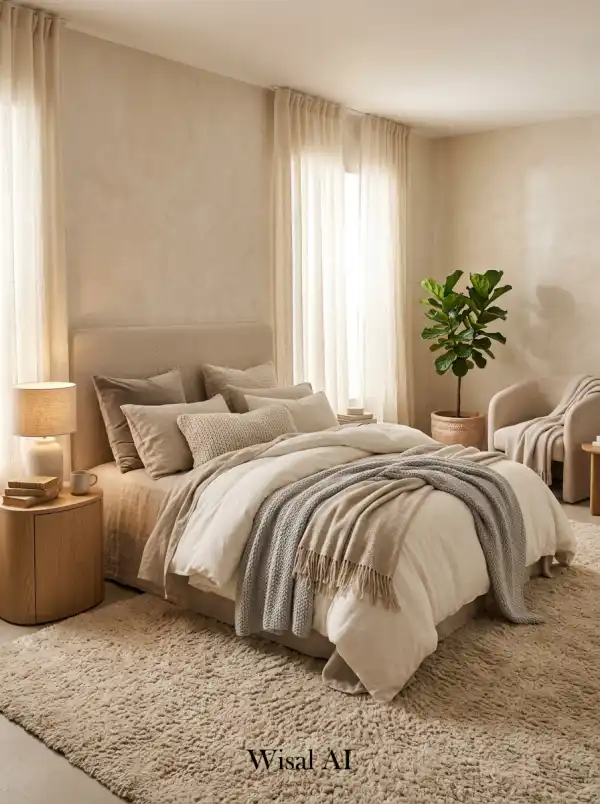
Bedside lamps are both practical and decorative. They provide focused lighting for reading while introducing warmth that overhead lighting alone cannot achieve. Choose lamps that are proportional to your nightstands and complement the overall bedroom style. Ceramic bases, natural stone, wood, glass, and linen lampshades all contribute to a timeless appearance. Warm white bulbs between 2700K and 3000K create the most relaxing glow before bedtime. Matching bedside lamps also establish visual balance, making the room feel professionally designed.
3. Add Wall Sconces to Save Space
Wall sconces are an excellent solution for both large and small bedrooms. Because they're mounted directly on the wall, they free valuable space on bedside tables while creating a clean, uncluttered appearance. Adjustable sconces work especially well for nighttime reading because they direct light exactly where it's needed without disturbing the rest of the room. Choose finishes such as brushed brass, matte black, or soft bronze for a timeless look that complements a wide variety of interior styles. Wall-mounted lighting introduces a boutique hotel feel while improving everyday functionality.
4. Use Dimmable Lighting
The mood of a bedroom changes throughout the day, and your lighting should adapt with it. Bright light is helpful while cleaning or getting dressed, but it can feel harsh when you're trying to relax in the evening. Installing dimmable fixtures allows you to control brightness according to your needs. Lower light levels naturally create a calmer atmosphere, making it easier to unwind before bedtime. Professional designers almost always include dimmers because they instantly increase both comfort and flexibility. Even one dimmable ceiling fixture can dramatically improve the bedroom experience.
5. Highlight the Headboard with Hidden LED Lighting
One of the most elegant lighting techniques used in luxury bedrooms is concealed LED lighting behind the headboard. Instead of drawing attention to the light fixture itself, hidden LEDs create a soft glow that gently washes the wall behind the bed. This indirect lighting reduces harsh contrasts while making the room feel deeper and more relaxing. It also emphasizes upholstered headboards, wood paneling, or decorative wall treatments without overwhelming the space. Warm LED strips produce a sophisticated hotel-inspired atmosphere that's perfect for quiet evenings.
6. Hang Elegant Pendant Lights Beside the Bed
Pendant lights are becoming one of the most popular alternatives to traditional bedside lamps, especially in modern and luxury bedroom designs. Instead of placing lamps on nightstands, suspend pendant lights from the ceiling on both sides of the bed. This creates a clean, uncluttered look while freeing valuable surface space for books, decorative objects, or personal essentials. Professional designers often use glass, linen, ceramic, or matte metal pendants with warm LED bulbs to create a soft glow that feels both sophisticated and relaxing. Hanging the fixtures at equal heights on each side of the bed also introduces symmetry, which naturally makes the room feel more balanced. Pendant lighting works particularly well in smaller bedrooms where every inch of bedside space matters. Besides its practicality, it adds a custom-designed appearance often seen in boutique hotels and high-end residences.
7. Illuminate Your Closet or Wardrobe
Lighting inside wardrobes is one of those small upgrades that completely changes your daily routine. Instead of searching through dark shelves every morning, install LED strip lights or motion-sensor lighting inside wardrobes, closets, and drawers. These lights automatically turn on when the doors open, making clothing, shoes, and accessories much easier to find. Professional designers frequently integrate concealed lighting into custom wardrobes because it improves both functionality and luxury. The added illumination also highlights beautiful wood finishes, glass doors, and organized shelving, making the storage area feel like part of the overall bedroom design rather than a separate utility space. Even inexpensive battery-powered LED strips can produce a dramatic improvement.
8. Use Floor Lamps to Create Cozy Corners
Lighting isn't limited to the bed. If your bedroom includes a reading chair, window seat, vanity, or empty corner, introduce a stylish floor lamp to create a secondary relaxation zone. A tall floor lamp with a fabric shade provides soft, diffused light that's ideal for reading, journaling, or enjoying quiet evenings. The extra light source also eliminates dark corners that often make bedrooms feel smaller. Professional designers frequently use floor lamps to visually connect seating areas with the rest of the room, creating a layered and welcoming atmosphere. This simple addition increases both comfort and functionality.
9. Add Under-Bed LED Lighting
One of the easiest ways to give a bedroom a modern, luxurious atmosphere is by installing LED lighting underneath the bed frame. Rather than serving as the main source of illumination, this hidden lighting creates a gentle floating effect that adds depth and warmth to the room. It also provides subtle nighttime illumination without requiring bright overhead lights. Motion-sensor LED strips are especially practical because they automatically activate when you get out of bed during the night. The soft glow improves safety while maintaining a peaceful environment. This hotel-inspired detail makes even a simple bedroom feel significantly more refined.
10. Highlight Artwork with Accent Lighting
Artwork deserves more than daylight alone. Small picture lights, adjustable spotlights, or directional wall sconces can beautifully illuminate artwork, textured walls, or decorative shelving. Professional designers often use accent lighting to create visual layers that make bedrooms feel more dynamic. Rather than flooding the entire room with brightness, accent lighting directs attention toward carefully selected design features. This technique introduces depth while allowing the room to feel intimate and relaxing. A single illuminated artwork can become an elegant focal point during the evening.
11. Make the Most of Natural Light
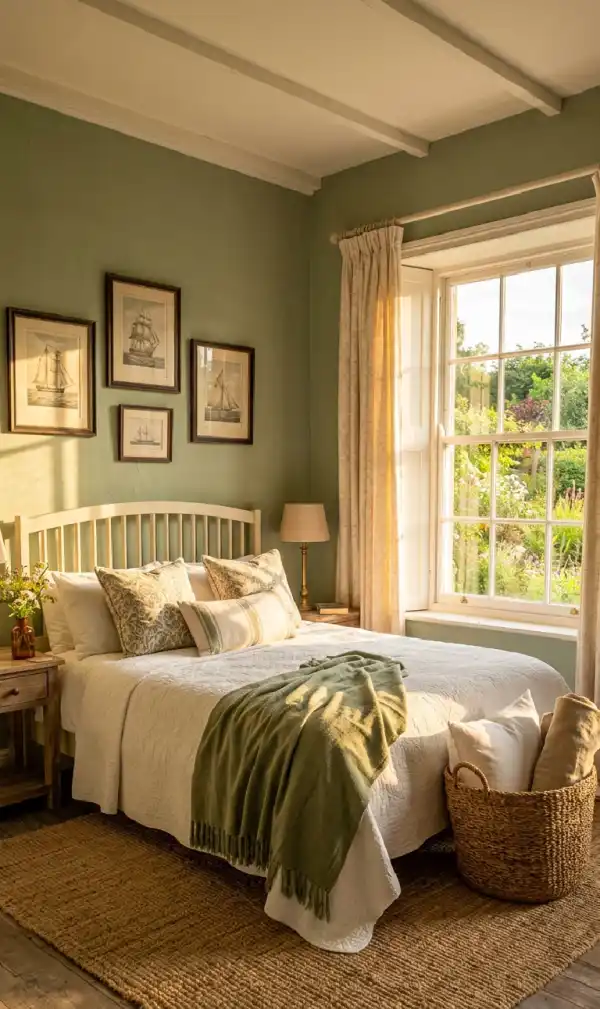
No artificial lighting can fully replace the beauty of natural daylight. Maximize sunlight by keeping windows free from bulky furniture and choosing lightweight curtains that allow daylight to filter into the room. Install curtain rods close to the ceiling and extend them beyond the window frame to increase the visible glass area. Light-colored walls, mirrors, reflective accessories, and natural wood finishes further distribute daylight throughout the room. Professional designers always consider how daylight changes during different hours before planning artificial lighting. The combination of abundant daylight and layered evening lighting creates a bedroom that feels comfortable around the clock.
12. Choose Warm Color Temperatures
Not all light feels the same. The color temperature of your bulbs has a major influence on the atmosphere of the bedroom. Warm white lighting between 2700K and 3000K creates a calm, cozy environment that's ideal for relaxing before sleep. Cool white lighting, while useful in kitchens or offices, often feels too clinical for a bedroom. Professional designers typically maintain consistent warm lighting throughout the space to preserve visual harmony. Choosing the correct bulbs is one of the simplest and most affordable ways to improve the mood of any bedroom.
13. Add Decorative Lighting as Art
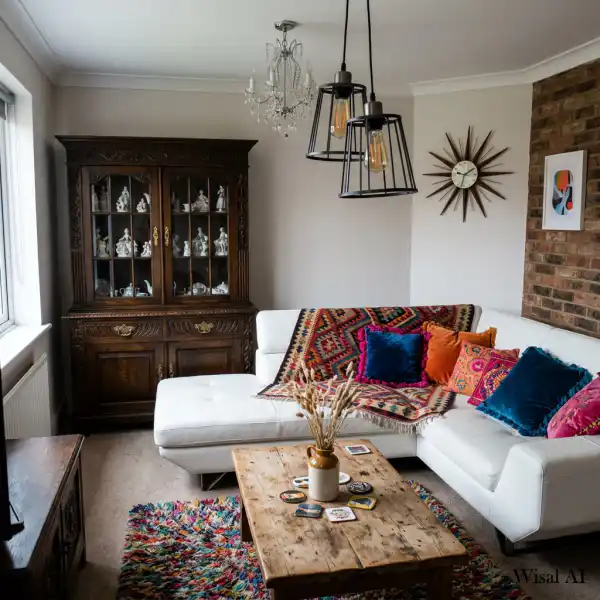
Some lighting fixtures are beautiful enough to function as decorative artwork. Statement chandeliers, sculptural pendant lights, artistic wall sconces, or handcrafted table lamps become focal points even when switched off. Rather than selecting overly trendy fixtures, choose timeless silhouettes with quality materials such as brass, glass, ceramic, linen, or natural stone. These materials age gracefully while complementing many different interior styles. Decorative lighting allows the bedroom to feel more curated without introducing unnecessary clutter. Beautiful fixtures provide both function and lasting visual interest.
14. Use Smart Lighting for Greater Flexibility
Smart lighting has become one of the most practical upgrades for modern bedrooms. With smart bulbs or connected lighting systems, you can adjust brightness, create lighting schedules, or control individual fixtures using a phone or voice assistant. Morning routines become easier when lights gradually brighten, while evening settings can automatically transition to soft, relaxing illumination. Some systems even allow different lighting scenes for reading, relaxing, cleaning, or bedtime. Professional designers increasingly recommend smart lighting because it combines convenience with improved comfort. Technology quietly enhances the experience without changing the room's timeless appearance.
15. Let Lighting Support Relaxation
The most successful bedroom lighting plans always begin with one simple question: How do you want the room to feel? Rather than focusing only on brightness, think about emotion. Soft bedside lamps, hidden LED lighting, warm wall sconces, gentle accent lights, and carefully positioned floor lamps all work together to create a peaceful atmosphere that encourages relaxation. Avoid harsh shadows, overly bright fixtures, or unnecessary glare. Every light source should contribute to comfort while supporting the bedroom's primary purpose—a place to rest and recharge. When lighting is designed around well-being instead of pure function, the bedroom becomes one of the most enjoyable spaces in the home.
Conclusion
Lighting is far more than a practical necessity—it is one of the most influential design elements in any bedroom. From layered lighting and elegant bedside lamps to hidden LED accents and statement fixtures, every lighting choice contributes to the overall mood of the space. A well-lit bedroom feels warmer, more spacious, and significantly more inviting, while thoughtful lighting placement improves both comfort and everyday functionality. The most successful lighting designs combine multiple sources rather than relying on a single ceiling fixture. Warm color temperatures, dimmable controls, natural daylight, accent lighting, and carefully positioned task lighting work together to create a flexible environment that adapts to different moments throughout the day. These simple improvements not only enhance the appearance of the room but also support healthier evening routines and a more relaxing atmosphere. Ultimately, great bedroom lighting isn't about adding more fixtures—it's about creating the right experience. Whether you're reading before bed, preparing for the day, or simply enjoying a quiet evening, the right lighting transforms ordinary moments into more comfortable and enjoyable ones. By incorporating these 15 designer-inspired lighting ideas, you can create a bedroom that feels elegant, peaceful, and beautifully illuminated every day of the year.
FAQs
1. What type of lighting is best for a bedroom?
Layered lighting that combines ambient, task, and accent lighting provides the most flexibility while creating a warm and comfortable atmosphere.
2. What color temperature should bedroom lights be?
Warm white bulbs between 2700K and 3000K are generally considered the best choice because they produce a relaxing, inviting glow.
3. Are bedside lamps better than overhead lights?
They serve different purposes. Bedside lamps provide focused, softer lighting for reading and relaxation, while overhead fixtures offer general illumination. Together, they create a balanced lighting plan.
4. Is LED lighting a good option for bedrooms?
Yes. Modern LED lighting is energy-efficient, long-lasting, available in various color temperatures, and ideal for hidden accent lighting, bedside fixtures, and smart lighting systems.
5. How can I make a small bedroom feel brighter?
Maximize natural daylight, use mirrors to reflect light, choose warm layered lighting, install wall sconces to save space, and avoid blocking windows with large furniture.
6. Does lighting really affect the mood of a bedroom?
Absolutely. Soft, warm, and well-layered lighting helps create a calm and welcoming environment, while harsh or overly bright lighting can make the room feel less comfortable and relaxing.