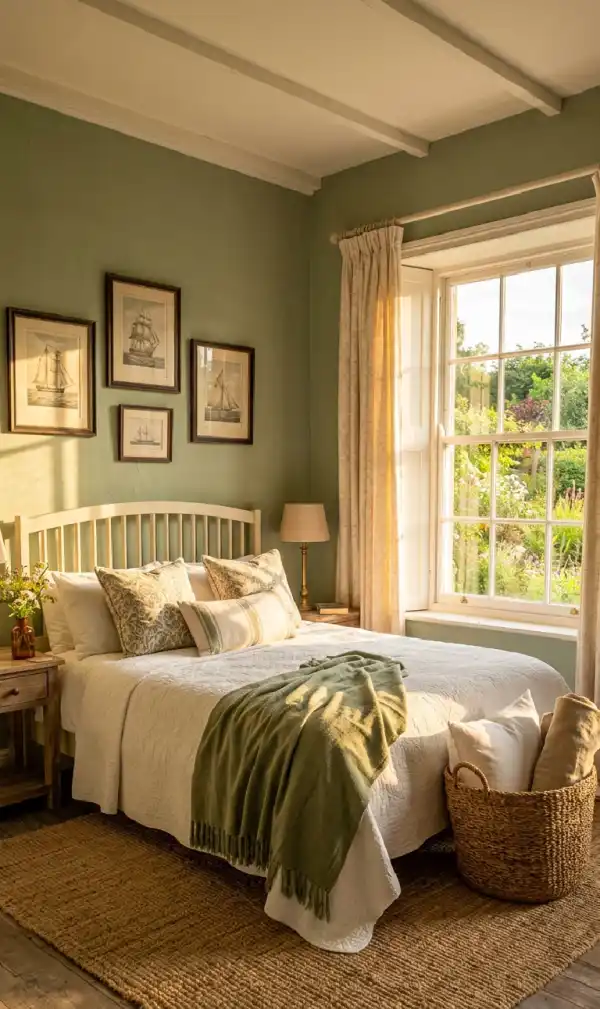
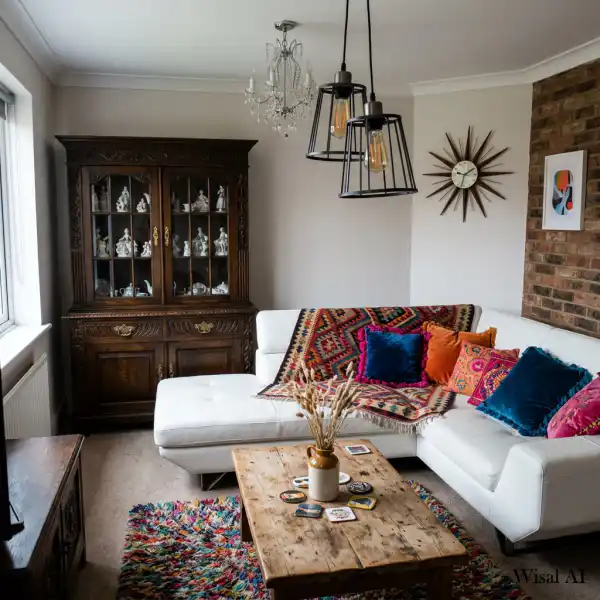
Creating a home that feels luxurious doesn't necessarily require a luxury budget. In fact, some of the most elegant interiors aren't filled with the most expensive furniture or designer brands—they simply follow timeless design principles that make every room feel intentional, balanced, and beautifully finished. Professional interior designers know that true luxury comes from thoughtful planning, quality over quantity, and careful attention to detail rather than excessive spending. Many homeowners believe they need a complete renovation to achieve a high-end look, but that's rarely the case. Small changes such as improving lighting, decluttering surfaces, upgrading textiles, or choosing a more cohesive colour palette can completely transform the atmosphere of a space. These affordable improvements often have a greater visual impact than purchasing large amounts of new furniture or décor. Another important secret is consistency. Homes that feel expensive usually share a unified design language from one room to the next. Similar colours, materials, finishes, and architectural details create a sense of flow that makes the entire home feel professionally designed. Even if each room has its own personality, maintaining visual harmony throughout the house creates a polished and sophisticated appearance. Luxury interiors also prioritise quality over quantity. Rather than filling every corner with decorative accessories, designers carefully select a few well-made pieces that stand out. Natural materials like oak, walnut, marble, linen, wool, travertine, ceramic, and brushed brass instantly elevate a room because they add warmth, texture, and authenticity. These materials age beautifully and rarely go out of style, making them a smart long-term investment. Perhaps the greatest misconception is that expensive homes are always larger. In reality, even a compact apartment can feel luxurious when it is well organised, properly lit, and thoughtfully furnished. Clean layouts, hidden storage, layered lighting, and carefully chosen furniture can make small spaces appear far more elegant than much larger homes filled with clutter. In this guide, you'll discover 15 practical ways to make your home look more expensive without spending a fortune. These designer-approved ideas focus on affordable improvements that dramatically enhance the appearance of your home while maintaining comfort, functionality, and timeless style.
1. Declutter Every Room Before Buying Anything
The fastest and least expensive way to make your home look more luxurious is to remove unnecessary clutter. Luxury interiors rarely feel crowded because every item has a purpose. Instead of adding more decorative objects, begin by clearing countertops, shelves, coffee tables, bedside tables, and entryways. Organise paperwork, hide cables, store seasonal items, and remove decorations that no longer contribute to the room. Professional designers often say that editing a space creates more impact than decorating it. Empty surfaces allow quality materials, furniture, and architectural details to become the focus. Storage baskets, concealed cabinets, and multifunctional furniture make it easier to maintain a tidy home every day. A clean, organised room immediately feels calmer, larger, and significantly more expensive.
2. Choose a Cohesive Colour Palette
One of the defining characteristics of high-end homes is colour consistency. Instead of using a different colour scheme in every room, choose a palette that flows naturally throughout your home. Warm whites, ivory, cream, greige, taupe, soft stone, and earthy neutrals provide a timeless foundation that complements almost every interior style. Professional designers build depth by layering several shades from the same colour family rather than relying on bold contrasts. Accent colours can still be introduced through cushions, artwork, throws, or decorative accessories, but the overall palette should remain harmonious. A cohesive colour scheme makes even modest homes feel larger, brighter, and professionally designed.
3. Upgrade Your Lighting
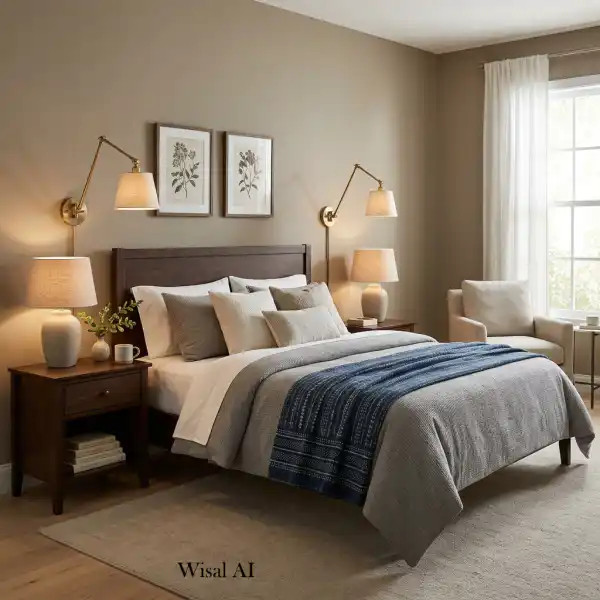
Lighting is one of the most powerful tools in interior design, yet it is often overlooked. Many homes rely on a single ceiling fixture that produces harsh, flat lighting. Instead, layer different light sources such as table lamps, floor lamps, wall sconces, pendant lights, and subtle accent lighting to create depth and warmth. Warm white bulbs between 2700K and 3000K create a cosy atmosphere while enhancing natural materials like wood, stone, and linen. Adding dimmer switches is another affordable upgrade that instantly makes a home feel more luxurious by allowing you to adjust the mood throughout the day. Thoughtfully layered lighting transforms the appearance of every room without requiring major renovations.
4. Hang Curtains Higher and Wider
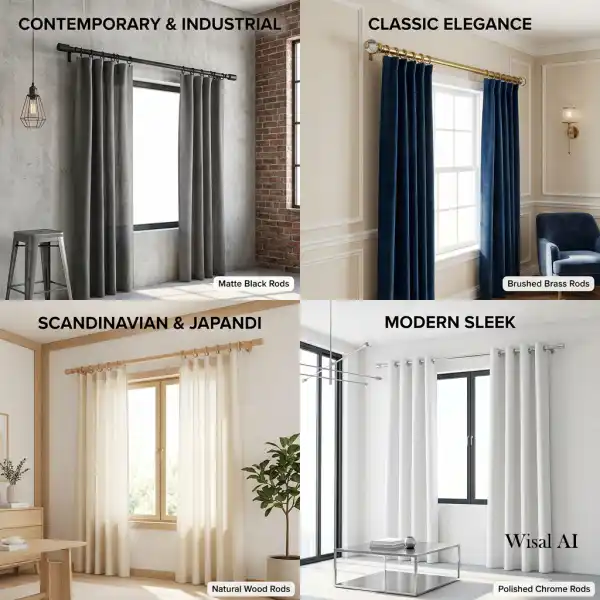
Window treatments have a surprisingly large impact on how expensive a room feels. Many homeowners install curtain rods directly above the window frame, making ceilings appear lower than they actually are. Professional designers mount curtain rods close to the ceiling and extend them beyond both sides of the window. This simple technique makes windows appear larger, allows more natural light into the room, and creates the illusion of higher ceilings. Choose full-length linen or linen-blend curtains in neutral colours for a timeless, elegant appearance. It's one of the highest-impact upgrades you can make for relatively little cost.
5. Invest in Better Textiles
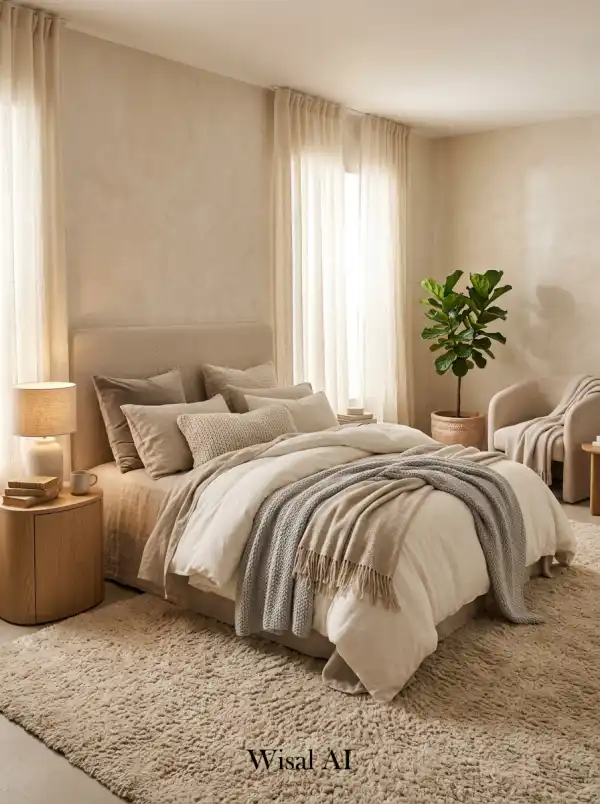
Luxury is often felt through texture. Replacing inexpensive cushions, worn bedding, lightweight throws, or thin rugs with higher-quality textiles can completely change the atmosphere of a room. Mix linen, cotton, wool, bouclé, velvet, and woven fabrics to create visual richness without relying on bright colours or excessive decoration. Professional designers layer different textures throughout the home because texture creates depth while maintaining a calm, sophisticated palette. Quality textiles make every room feel warmer, softer, and considerably more refined.
6. Incorporate Natural Materials Whenever Possible
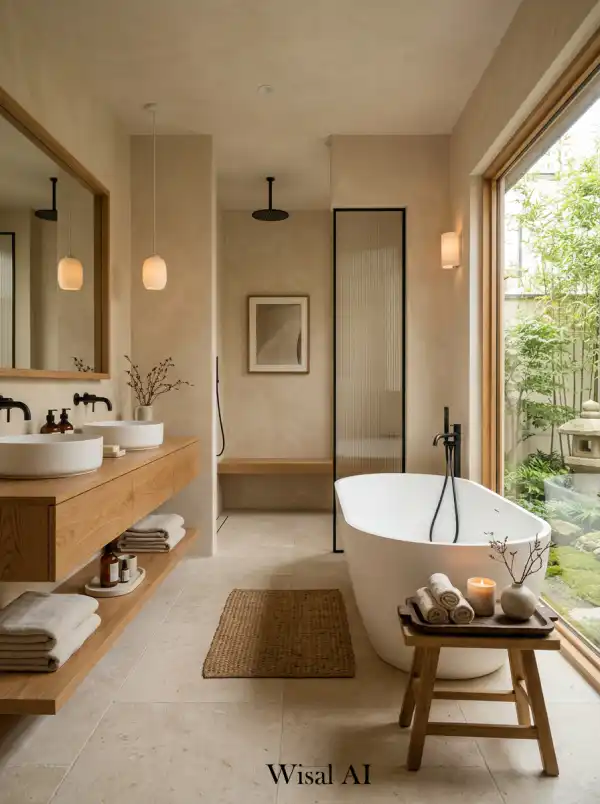
One of the easiest ways to elevate your home is by introducing authentic materials that age beautifully over time. Luxury interiors rarely rely on plastic finishes or overly glossy surfaces. Instead, professional designers favour oak, walnut, travertine, marble, limestone, linen, wool, rattan, leather, and handcrafted ceramics because these materials add warmth, depth, and character. You don't need to replace everything at once. Even small upgrades, such as a solid wood side table, a marble tray, a linen table runner, or a ceramic vase, can significantly improve the overall appearance of a room. Natural materials also develop a unique patina with age, making them feel even more beautiful over time rather than worn out. Mixing these textures creates an interior that feels authentic, sophisticated, and timeless without looking overly decorated.
7. Replace Small Hardware and Fixtures
Sometimes the smallest details make the biggest difference. Outdated cabinet handles, drawer pulls, door handles, light switch covers, and taps can make an otherwise beautiful home feel dated. Replacing them with simple modern designs in brushed brass, matte black, satin nickel, or antique bronze instantly refreshes kitchens, bathrooms, wardrobes, and built-in furniture. Professional designers often choose hardware that complements the home's overall colour palette rather than making it stand out excessively. Because hardware is used every day, upgrading it subtly changes how the entire home feels. It's one of the highest-impact improvements for a relatively small investment.
8. Style with Fewer, Better Accessories
Luxury homes never feel overcrowded. Rather than filling every shelf with decorative objects, professional designers carefully curate accessories that have visual impact and personal meaning. Choose a few beautiful coffee table books, sculptural ceramics, natural stone bowls, candles, handcrafted vases, or framed artwork instead of displaying dozens of unrelated decorations. Grouping accessories in odd numbers while leaving generous negative space creates a balanced composition. Editing your décor allows every object to stand out while making the room feel calm and intentional. Remember that empty space is an important design element too.
9. Upgrade Your Bedding
The bedroom should feel like a boutique hotel rather than simply a place to sleep. Fresh white bedding, layered linen duvets, textured throws, supportive pillows, and high-quality pillowcases instantly create a luxurious atmosphere. Professional designers often use multiple layers rather than bold patterns. Crisp bedding paired with soft neutral colours creates an inviting appearance that feels expensive regardless of the bed frame itself. Adding one elegant throw blanket across the foot of the bed and limiting decorative cushions to a few carefully chosen pieces keeps the bed looking refined without becoming impractical. Comfort and simplicity always feel more luxurious than excess.
10. Add Large Mirrors to Reflect Light
Mirrors are one of the oldest designer tricks for making homes appear larger and brighter. Positioning a mirror opposite or beside a window allows natural light to bounce throughout the room, reducing dark corners and creating the illusion of additional space. Oversized mirrors often work better than several small ones because they create a stronger visual impact. Simple frames in black, oak, brass, or natural wood suit almost every interior style. Beyond reflecting light, mirrors also showcase architectural features and make narrow spaces feel more open. When placed thoughtfully, they improve both beauty and functionality.
11. Rearrange Your Furniture Before Buying New Pieces
Many homeowners assume they need new furniture when the real problem is the layout. Professional designers regularly experiment with different furniture arrangements before recommending replacements. Pull sofas away from walls where possible, define conversation areas, ensure walkways remain clear, and create visual balance around the room's focal point. Sometimes moving one armchair, repositioning a rug, or centring the coffee table dramatically improves the room. Good furniture placement makes a home feel carefully planned and comfortable to live in. The best part is that it costs absolutely nothing.
12. Create Layers Instead of Flat Spaces
Designer interiors always feel rich because they contain multiple visual layers. Instead of relying on a single texture or material, combine rugs, curtains, artwork, cushions, lighting, plants, books, and decorative objects to create depth. For example, a linen sofa paired with a wool rug, ceramic vase, oak coffee table, brass lamp, and knitted throw feels much more sophisticated than furniture placed in an otherwise empty room. Professional designers build rooms gradually, allowing each layer to contribute warmth and personality. Layering creates visual interest without making the home feel cluttered.
13. Bring Greenery Indoors
Plants instantly make interiors feel healthier and more expensive. Large indoor trees such as olive trees, fiddle-leaf figs, or rubber plants create sculptural focal points, while smaller plants soften shelves, coffee tables, and bathrooms. Fresh flowers can also elevate a room for special occasions. Professional designers often use simple ceramic or stone planters rather than highly decorative containers. Natural greenery introduces colour in the most timeless way possible. Even one well-placed plant can dramatically change the atmosphere of a room.
14. Keep Everything Consistent
Luxury homes feel expensive because every room appears connected. Repeat similar colours, materials, metals, and textures throughout the house to create visual flow. For example, if your living room features brushed brass lighting, oak furniture, and linen curtains, continue those finishes in the dining room, bedroom, or hallway whenever appropriate. Professional designers avoid making every room completely different. Consistency creates the impression of a carefully planned home where every decision supports the overall design. This subtle harmony makes even modest homes feel professionally designed.
15. Edit Your Home Like a Designer
The final step is the one many people overlook. After decorating every room, walk through your home with fresh eyes. Remove anything that feels unnecessary, rearrange objects that compete for attention, simplify crowded shelves, and improve the spacing between furniture. Professional designers spend just as much time removing items as they do adding them. Editing allows quality furniture, beautiful materials, and architectural features to become the stars of the room. Instead of asking, "What else should I buy?", ask yourself, "What can I remove?" That simple shift in mindset often creates the most dramatic transformation.
Conclusion
Making your home look more expensive doesn't require a complete renovation or an unlimited budget. In many cases, the most noticeable improvements come from thoughtful design choices rather than costly purchases. Decluttering, improving lighting, selecting timeless colours, upgrading textiles, introducing natural materials, and carefully editing each room can dramatically change how your home feels while keeping spending under control. Professional interior designers understand that luxury is created through balance, consistency, and attention to detail. A cohesive colour palette, well-planned furniture layout, layered lighting, quality fabrics, and meaningful decorative accessories all work together to create a polished and welcoming environment. These principles apply equally to large homes and compact apartments because great design is based on proportion and functionality rather than size alone. Perhaps the most valuable lesson is that luxury is about quality, not quantity. Choosing fewer but better pieces, embracing natural textures, maintaining organised spaces, and creating harmony from room to room will always have a greater impact than filling a home with unnecessary décor. By applying these 15 affordable ideas, you can create a home that feels elegant, comfortable, and timeless—without spending a fortune.
FAQs
1. What is the cheapest way to make a home look more luxurious?
Decluttering, improving lighting, using a cohesive colour palette, and rearranging furniture are among the most affordable upgrades with the biggest visual impact.
2. Do expensive homes always use expensive furniture?
Not necessarily. Many luxurious interiors combine affordable furniture with thoughtful layouts, quality textiles, natural materials, and carefully chosen accessories.
3. Which colours make a home look more expensive?
Warm whites, cream, ivory, taupe, greige, soft beige, and muted earth tones create a timeless and sophisticated appearance that appeals to a wide range of styles.
4. Can small spaces look luxurious?
Absolutely. Good organisation, hidden storage, layered lighting, properly scaled furniture, and high-quality finishes can make even a compact apartment feel elegant and spacious.
5. Which home accessories offer the biggest visual impact?
Large mirrors, coffee table books, ceramic vases, candles, natural stone trays, linen cushions, and indoor plants all enhance a room without overwhelming it.
6. How can I maintain a luxury look over time?
Focus on timeless design, invest in durable materials, avoid clutter, maintain a consistent style throughout the home, and periodically edit your décor to keep every room feeling fresh and intentional.