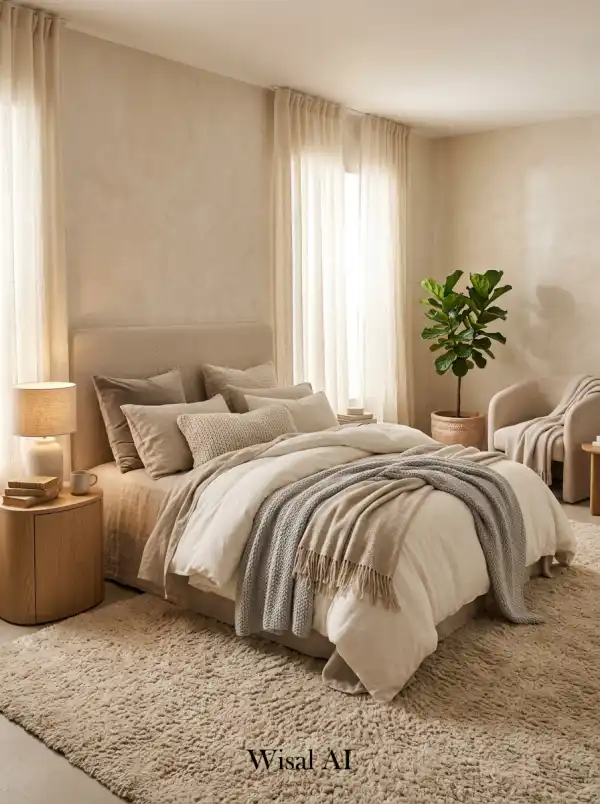
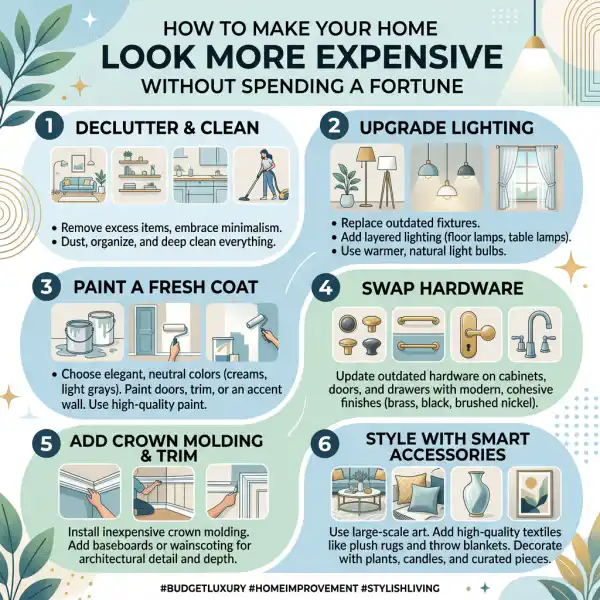
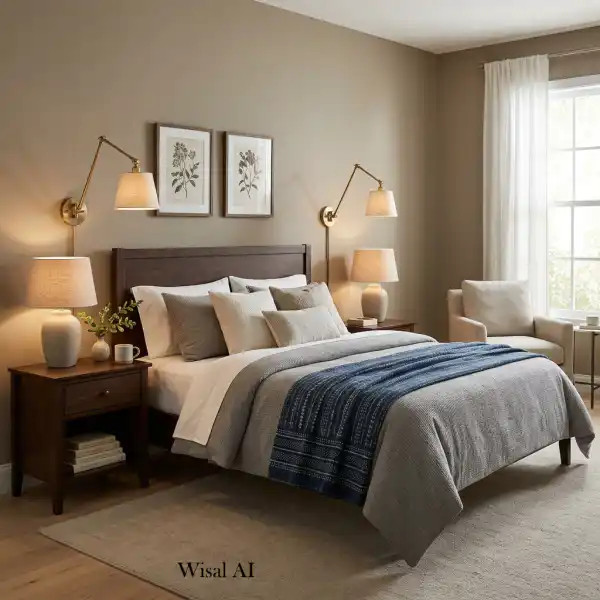
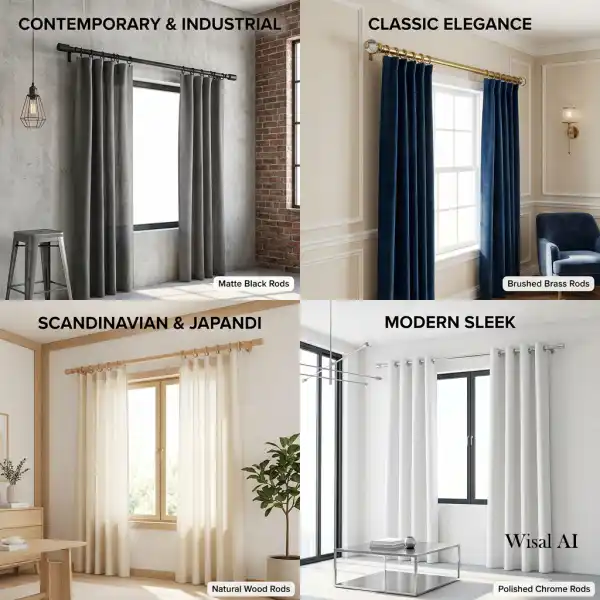
In a world filled with visual noise and endless distractions, the bathroom has become more than just a functional room. It is now a personal retreat — a quiet space where design meets calmness. That is exactly why the Japandi style has become one of the most loved interior design trends in modern homes. Japandi design blends the clean simplicity of Japanese interiors with the warmth and functionality of Scandinavian design. The result is a bathroom that feels peaceful, natural, uncluttered, and deeply relaxing. Soft neutral colors, organic textures, warm wood tones, minimalist styling, and intentional décor choices all work together to create a spa-like atmosphere that instantly calms the mind. Whether you are planning a full renovation or simply looking for fresh inspiration, these Japandi bathroom ideas will help you create a serene minimal space that feels timeless and luxurious without being overwhelming.
1. Japandi Bathroom with Warm Oak Wood and Soft Beige Walls
A warm oak vanity paired with soft beige walls instantly creates a calm and grounded Japandi bathroom atmosphere. The beauty of this design lies in its simplicity. Instead of relying on excessive decoration, the focus is placed on natural materials, balanced tones, and subtle textures. Choose floating oak cabinets with clean lines and matte finishes to keep the bathroom feeling open and airy. Pair them with light stone countertops and simple ceramic sinks for a soft organic look. Beige limewash walls or textured paint can add depth without making the room feel busy. To complete the look, incorporate linen towels, a small wooden stool, and soft ambient lighting. Minimal black hardware adds a modern contrast while maintaining the peaceful aesthetic. Design Tip Stick to a neutral color palette with no more than three dominant tones to preserve the minimalist Japandi atmosphere.
2. Japandi Bathroom with Stone Sink and Organic Textures
A stone vessel sink instantly adds a natural sculptural element to a Japandi bathroom. Organic textures are essential in Japandi interiors because they create warmth without visual chaos. Use raw stone, handmade ceramics, and textured plaster walls to give the bathroom a grounded feel. Floating wood shelves can display carefully selected décor pieces like folded towels, candles, or small branches in ceramic vases. The key is restraint. Every item should feel intentional and calming rather than decorative for the sake of decoration. Design Tip Mix smooth and rough textures together to make a minimalist bathroom feel warm instead of sterile.
3. Japandi Bathroom with Floating Vanity and Hidden Storage
Minimalism only works when clutter disappears. A floating vanity with hidden storage helps maintain the clean and peaceful visual flow that defines Japandi interiors. Choose handleless cabinets in soft wood finishes and keep countertops mostly empty. Integrated storage allows you to hide everyday essentials while preserving the simplicity of the space. Wall-mounted faucets and under-cabinet lighting can make the bathroom feel even more modern and elegant. Design Tip Open surfaces create visual calm, so prioritize concealed storage wherever possible.
4. Japandi Bathroom with Freestanding Soaking Tub
A freestanding soaking tub is one of the most iconic Japandi bathroom features. It transforms the bathroom into a wellness sanctuary focused on relaxation and mindfulness. Place the tub near a window if possible and surround it with minimal décor. Soft stone flooring, warm wood accents, and dimmable lighting create the perfect calming environment. The goal is to make the space feel quiet and restorative.
5. Japandi Bathroom with Black Accents and Neutral Colors
Black accents add contrast and sophistication to a soft neutral Japandi bathroom. Matte black faucets, shower frames, and hardware create definition without overpowering the calming aesthetic. Balance the darker details with warm whites, soft beige, and light wood finishes to keep the room feeling airy. Design Tip Use black sparingly so it enhances the space rather than dominating it.
6. Japandi Bathroom with Indoor Plants and Natural Light
Nature plays a major role in Japandi interiors. Adding greenery instantly brings life and freshness into the bathroom while maintaining the peaceful mood. Choose simple plants like bamboo, olive branches, or eucalyptus. Pair them with soft natural light and neutral materials to create a tranquil atmosphere. Design Tip Use plants with soft organic shapes to soften minimal architecture.
7. Japandi Bathroom with Textured Plaster Walls
Textured walls bring depth and warmth into a minimalist bathroom. Limewash, microcement, or plaster finishes create a handcrafted organic feel that perfectly complements Japandi interiors. The subtle imperfections make the room feel more authentic and relaxing. Design Tip Avoid glossy wall finishes and choose matte textures for a softer calming atmosphere.
8. Japandi Bathroom with Minimal Open Shelving
Open shelving can work beautifully in Japandi bathrooms when styled carefully. The secret is keeping the shelves minimal and functional rather than overcrowded. Display rolled towels, ceramic jars, candles, or one small decorative object. Design Tip Treat open shelves like visual breathing space instead of storage overload.
9. Japandi Bathroom with Soft Ambient Lighting
Lighting is one of the most important parts of a Japandi bathroom because it shapes the entire mood of the space. Soft ambient lighting creates a relaxing spa atmosphere and helps the bathroom feel warm instead of cold or clinical. Japandi interiors avoid harsh white ceiling lights and instead focus on layered lighting that feels gentle and calming. Hidden LED strips under vanities, behind mirrors, or inside wall niches work beautifully because they create a soft glow without overwhelming the room. Wall sconces and warm pendant lights can also add elegance while maintaining the minimalist aesthetic. The goal is to make the bathroom feel peaceful during both day and night. Warm lighting highlights natural textures like wood, stone, plaster, and linen, making the room feel more organic and luxurious.
10. Japandi Bathroom with Light Travertine Stone
Travertine stone is one of the best materials for creating a luxurious Japandi bathroom because it combines natural texture with timeless elegance. Its soft earthy tones instantly make the room feel warm, calm, and sophisticated. Travertine works beautifully on floors, countertops, shower walls, and sinks. Unlike glossy marble, travertine feels softer and more organic, which fits perfectly with Japandi minimalism. The subtle imperfections in the stone also add character without creating visual noise. When paired with warm oak wood, matte black fixtures, and soft lighting, travertine creates a spa-like atmosphere that feels peaceful and high-end.
11. Japandi Bathroom with Frameless Glass Shower
A frameless glass shower helps create the open and airy feeling that defines Japandi interiors. Because there are no bulky frames or visual barriers, the bathroom feels larger, cleaner, and more peaceful. This design works especially well in smaller bathrooms because clear glass allows light to move freely throughout the space. It also keeps natural materials like stone walls and wood textures fully visible, helping the room feel cohesive and uncluttered. Minimal hardware and matte black details can add subtle contrast while preserving the elegant simplicity of the design. Extra Design Tips Use clear frameless glass for openness. Keep shower hardware minimal. Pair glass with textured stone or plaster walls. Use large floor tiles for a seamless appearance. Avoid busy tile patterns. Add recessed wall niches for hidden storage. Use matte black accents carefully. Keep the shower visually clean and uncluttered. Let natural materials remain the focal point. Prioritize simplicity over decoration.
12. Japandi Bathroom with Earthy Color Palette
Earthy colors are essential in Japandi design because they create emotional warmth and visual calmness. Shades like sand, taupe, clay, warm white, beige, and soft gray make the bathroom feel timeless and relaxing. Instead of strong contrasts or bold colors, Japandi interiors focus on subtle layering. Similar neutral shades work together to create depth without overwhelming the senses. This soft palette also enhances natural materials beautifully. Earthy tones pair perfectly with wood, stone, linen, and ceramics, creating a balanced and harmonious environment. Extra Design Tips Layer different neutral tones for depth. Use warm colors instead of stark white. Keep palettes soft and natural.
13. Japandi Bathroom with Wooden Slat Details
Wooden slats are a beautiful way to add architectural texture to a Japandi bathroom without making the room feel busy. Vertical slats create rhythm, warmth, and subtle visual interest while preserving minimalism. They can be used behind vanities, around bathtubs, on ceilings, or as accent walls. The natural wood tones soften the bathroom and help balance stone and concrete surfaces. Wooden slats also create a calming spa-inspired atmosphere because they introduce natural repetition and structure into the space. Extra Design Tips Use vertical slats to make ceilings appear taller. Choose warm natural wood tones. Pair slats with soft neutral walls. Keep surrounding décor minimal.
14. Japandi Bathroom with Simple Spa-Inspired Styling
Japandi bathrooms often feel luxurious because they are styled like boutique spas. Instead of excessive decoration, the focus is on comfort, softness, and intentional details. Rolled linen towels, wooden trays, candles, bath salts, ceramic jars, and subtle greenery can instantly make the bathroom feel relaxing and elevated. The styling should feel effortless rather than heavily decorated. Natural textures and soft lighting help complete the calming spa atmosphere. Extra Design Tips Use linen and cotton textiles for softness. Style countertops minimally. Add candles for warmth and ambiance. Use wooden trays for organization.
15. Japandi Bathroom with Zen-Inspired Simplicity
At the heart of Japandi design is zen-inspired simplicity. This approach focuses on removing unnecessary visual distractions and creating a space that feels emotionally calming and balanced. Everything in the bathroom should serve a purpose or contribute to the peaceful atmosphere. Clean lines, soft textures, natural materials, and empty space all work together to create harmony. Japandi bathrooms are not about perfection. They are about creating a quiet environment that feels warm, timeless, and restorative every day. Extra Design Tips Remove unnecessary decorative items. Focus on functionality and calmness. Use natural materials consistently. Keep layouts open and uncluttered.
Conclusion
A Japandi bathroom is more than just a design trend — it is a lifestyle shift toward calmness, intentional living, and mindful simplicity. By combining natural materials, soft neutral palettes, clean architectural lines, and functional minimalism, you can transform even the smallest bathroom into a peaceful retreat that feels timeless and restorative. Whether you prefer warm oak wood, textured plaster walls, spa-inspired styling, or elegant stone finishes, the beauty of Japandi design is its ability to create harmony without excess. The result is a bathroom that feels luxurious, uncluttered, and emotionally calming every single day. If you are looking to create a home that feels slower, softer, and more connected to nature, these Japandi bathroom ideas offer the perfect inspiration to begin your transformation.
FAQ
What is a Japandi bathroom style?
A Japandi bathroom combines Japanese minimalism with Scandinavian warmth. It focuses on clean lines, natural materials, soft neutral colors, and calming uncluttered spaces.
Which colors work best in a Japandi bathroom?
The best colors include warm white, beige, taupe, sand, clay, soft gray, and natural wood tones. Earthy neutrals help create a peaceful spa-like atmosphere.
How can I make my bathroom look more Japandi?
Use minimalist furniture, floating vanities, natural textures, soft lighting, stone surfaces, and warm wood finishes. Keep décor minimal and intentional.
Are Japandi bathrooms expensive?
Japandi bathrooms can work with different budgets. The style focuses more on simplicity, quality materials, and thoughtful design rather than excessive luxury.
What materials are commonly used in Japandi bathrooms?
Popular materials include oak wood, travertine stone, plaster walls, ceramic accessories, linen textiles, and matte black metal fixtures.
Can Japandi design work in small bathrooms?
Yes. Japandi style works beautifully in small bathrooms because it emphasizes simplicity, clean lines, hidden storage, and uncluttered layouts that make spaces feel larger.
What lighting is best for a Japandi bathroom?
Soft warm lighting works best. Hidden LEDs, wall sconces, pendant lights, and indirect lighting help create a relaxing and cozy atmosphere.
Why is Japandi design so popular?
Japandi design feels calming, timeless, and functional. Many people love it because it creates peaceful spaces that reduce visual stress and promote relaxation.