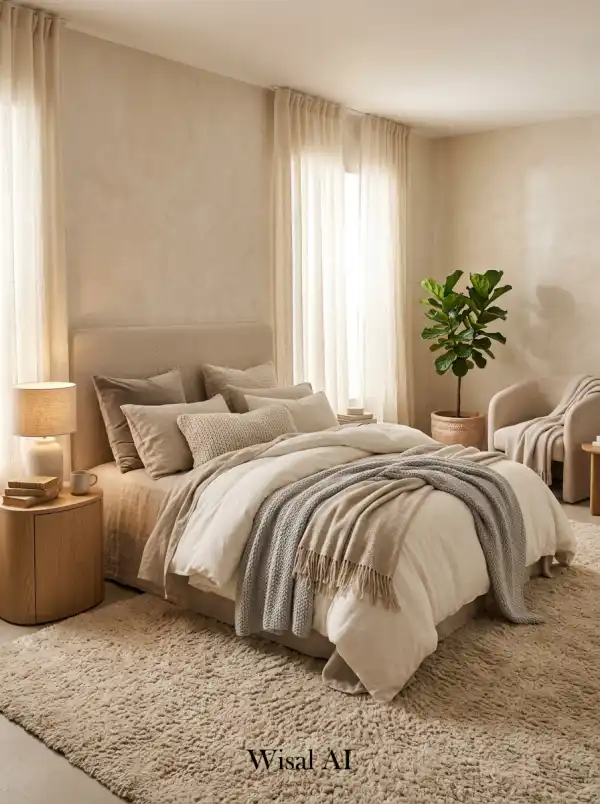
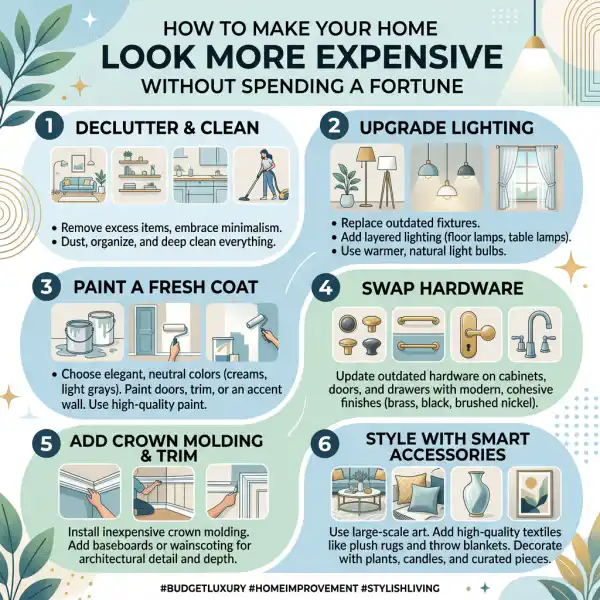
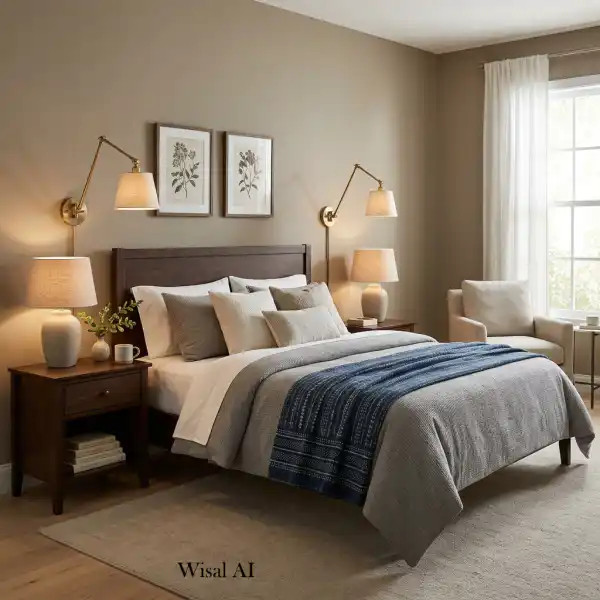
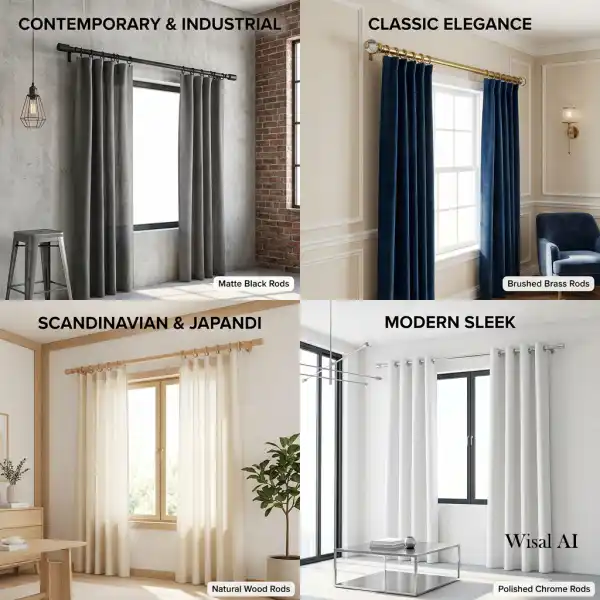
In modern interior design, the kitchen is no longer just a functional space used for cooking—it has become the emotional center of the home. It is where design meets daily life, where materials are touched every day, and where atmosphere matters just as much as functionality. In 2026, one of the strongest and most timeless directions in kitchen design is the neutral color palette. Unlike bold or highly saturated trends that fade over time, neutral kitchens remain consistently relevant because they focus on balance, softness, and visual harmony. Neutral tones—such as beige, ivory, cream, taupe, soft gray, sand, and warm white—create a kitchen environment that feels calm, clean, and effortlessly elegant. These colors do not compete for attention. Instead, they work together to create a quiet background where architecture, texture, and lighting become the real focal points. The beauty of neutral kitchen design lies in its subtlety. It is not about creating something dramatic or overly expressive. Instead, it is about achieving a space that feels naturally expensive—without trying too hard. When paired correctly, neutral tones can make even small kitchens feel larger, brighter, and more open. They also allow flexibility in styling, meaning you can easily adapt accessories, lighting, and materials without changing the entire design. In this guide, we will explore 18 Neutral Kitchen Color Ideas for a Soft Minimal Look, each one carefully crafted to help you understand not just how the colors look—but how they feel in real living environments. This is not just about color combinations. It is about creating atmosphere, emotional comfort, and timeless design.
1. Warm Beige and Soft White Kitchen Harmony
Warm beige and soft white create one of the most timeless neutral combinations in kitchen design. This pairing works because it balances warmth and brightness in a very natural way. Warm beige introduces a grounded, earthy feeling that makes the kitchen feel inviting and human. Soft white adds freshness and light, preventing the space from feeling too heavy or enclosed. Together, they create a kitchen that feels calm, open, and effortlessly elegant. This palette is especially effective in small kitchens where maximizing light and space is important. Design Tips: Use beige for cabinetry or walls Keep white for countertops or ceilings Add warm lighting for softness Use natural textures like wood or linen Avoid harsh contrast elements
2. Cream and Light Oak Organic Kitchen Palette
Cream and light oak form a naturally organic kitchen aesthetic inspired by Scandinavian and Japandi design principles. Cream acts as a soft neutral base, while light oak wood adds texture and warmth. This combination is perfect for creating a kitchen that feels connected to nature. It avoids artificial or overly modern coldness and instead focuses on softness and material honesty. Design Tips: Use cream for dominant surfaces Add light oak cabinetry or flooring Keep finishes matte or natural Introduce soft ambient lighting Focus on minimal decor
3. Soft Gray and Ivory Minimal Kitchen Scheme
Soft gray and ivory create a refined, architectural neutral palette. Unlike warm beige combinations, this one leans slightly more modern and structured. Soft gray introduces subtle depth and sophistication, while ivory keeps the space bright and airy. This combination is widely used in modern apartments and luxury minimalist kitchens. Design Tips: Use ivory for walls or ceilings Add soft gray cabinetry Keep hardware minimal Use layered lighting Maintain clean lines
4. Sand Beige and Off-White Natural Kitchen Look
Sand beige and off-white create a naturally warm and balanced kitchen environment. This palette is inspired by desert tones and organic landscapes. Sand beige adds depth and earthiness, while off-white keeps the space light and breathable. This is ideal for kitchens that aim for a soft, grounded aesthetic. Design Tips: Use sand beige for base cabinetry Add off-white countertops Incorporate natural wood accents Use warm lighting Avoid glossy finishes
5. Taupe and Warm White Modern Soft Kitchen Style
Taupe is one of the most versatile neutral tones in interior design. When paired with warm white, it creates a soft, elegant kitchen that feels both modern and timeless. Taupe adds subtle depth without being too dark or too bold, making it perfect for layered neutral interiors. Design Tips: Use taupe for cabinetry Keep white as background tone Add soft textured materials Use warm lighting only Avoid high contrast accents
6. Warm Gray and Soft Beige Layered Neutral Kitchen
Warm gray and soft beige create one of the most balanced and visually calming kitchen palettes in modern interior design. This combination works on the principle of tonal layering rather than strong contrast, which is why it feels so natural and effortless to the eye. Warm gray introduces a subtle architectural depth that gives the kitchen a structured and modern foundation. It is not as cold as pure gray, which makes it perfect for residential kitchens that need both elegance and comfort. Soft beige complements it by adding warmth, softness, and a human touch that prevents the space from feeling too industrial or rigid. When these two tones are layered correctly across cabinetry, walls, and surfaces, the kitchen begins to feel like a unified visual experience rather than separate design elements. The beauty of this palette is its quiet sophistication—it doesn’t try to impress loudly, but instead creates a long-lasting sense of harmony. This palette also works extremely well with natural lighting. Sunlight enhances the beige tones while softening the gray, making the kitchen feel dynamic throughout the day. Design Tips: Use warm gray for lower cabinets or base structure Keep beige dominant on walls or upper elements Add natural textures like stone or wood Use soft matte finishes instead of glossy surfaces Keep lighting warm and diffused
7. Ivory and Sand Minimal Organic Kitchen Palette
Ivory and sand beige create a kitchen that feels almost architectural in its softness. This palette is heavily inspired by natural landscapes—sand dunes, stone surfaces, and warm sunlight. Ivory acts as the clean, airy foundation of the kitchen, while sand beige introduces depth and grounding energy. The result is a space that feels both minimal and organic at the same time. Unlike high-contrast kitchens, this palette relies on subtle transitions between tones. There is no harsh separation between elements; instead, everything blends smoothly into a calm visual flow. This makes it ideal for open-plan homes where the kitchen connects directly to living spaces. It helps maintain visual continuity and avoids breaking the spatial harmony. Design Tips: Use ivory for walls and ceilings Apply sand beige on cabinetry or flooring Avoid sharp black accents Use natural wood as a soft bridge material Focus on soft, indirect lighting
8. Cream and Taupe Soft Luxury Kitchen Atmosphere
Cream and taupe form one of the most elegant neutral combinations in luxury kitchen design. Cream brings brightness and softness, while taupe adds a slightly deeper, grounded tone that gives the space emotional depth. This palette is often used in high-end residential interiors because it creates a warm, inviting atmosphere without feeling overly decorative or trendy. Taupe acts as the stabilizing tone in this pairing. It prevents the kitchen from feeling too light or washed out, while cream keeps everything open and breathable. Together, they create a space that feels calm, refined, and extremely livable. Design Tips: Use cream as the dominant surface color Add taupe in cabinetry or island base Keep textures soft and natural Avoid overly modern glossy materials Use warm ambient lighting only
9. Soft White and Greige Contemporary Kitchen Design
Greige (a mix of gray and beige) is one of the most important modern neutral tones in interior design. When combined with soft white, it creates a kitchen that feels balanced between warmth and structure. Soft white ensures brightness and cleanliness, while greige introduces subtle complexity and depth. This combination is especially popular in modern apartments because it feels clean but not sterile. The key strength of this palette is its versatility—it can adapt to both minimalist and slightly luxurious interiors without losing its identity. Design Tips: Use soft white for upper surfaces Apply greige to base cabinets or walls Keep hardware minimal and subtle Use layered lighting for depth Add light natural wood accents
10. Beige and Off-White Calm Kitchen Flow
Beige and off-white create a seamless and calming kitchen environment that feels almost weightless. This palette is designed to remove visual noise completely and replace it with soft continuity. Beige brings warmth and grounding, while off-white keeps the space light and airy. Together, they create a kitchen that feels open, peaceful, and easy to live in. This combination works especially well in small or medium-sized kitchens where space perception is important. Design Tips: Use beige as base cabinetry color Keep off-white for walls and counters Avoid harsh contrast elements Focus on soft textiles and materials Use warm lighting for harmony
11. Soft Gray and Beige Urban Minimal Kitchen Palette
This palette combines the calmness of beige with the urban sophistication of soft gray. It creates a kitchen that feels modern, structured, and slightly architectural. Soft gray introduces clarity and order, while beige ensures warmth and livability. This balance is what makes the palette so effective in modern city homes. It feels slightly more structured than purely warm neutral kitchens, making it ideal for contemporary interiors. Design Tips: Use gray for structural elements Add beige for warmth and softness Keep lines clean and geometric Avoid overly decorative elements Use controlled lighting design
12. Warm White and Natural Wood Neutral Kitchen Harmony
Warm white and natural wood form one of the most timeless kitchen combinations ever used in interior design. Warm white creates a soft and welcoming base, while wood introduces organic texture and natural warmth. This palette is deeply connected to Scandinavian and Japandi design principles, focusing on simplicity and material honesty. It creates a kitchen that feels calm, functional, and emotionally balanced. Design Tips: Use warm white for dominant surfaces Add natural wood cabinetry or shelving Keep finishes matte and soft Avoid cold lighting temperatures Focus on simplicity and order
13. Sand Beige and Soft Gray Earthy Kitchen Composition
This combination brings together earthy warmth and modern structure. Sand beige adds natural softness, while soft gray introduces balance and sophistication. It creates a kitchen that feels grounded but still contemporary. This palette works especially well in homes that aim for an organic modern style. Design Tips: Use sand beige as base tone Add soft gray in cabinetry or accents Keep materials natural and textured Use warm lighting for softness Avoid strong contrast elements
14. Ivory and Light Greige Minimal Kitchen Style
Ivory and light greige create a refined and minimal kitchen aesthetic that feels soft, elegant, and highly adaptable. Ivory keeps the space bright, while greige adds subtle depth and prevents flatness. This palette is ideal for homeowners who want minimal design without harshness. Design Tips: Use ivory for walls and ceilings Apply greige to cabinets or island Keep hardware minimal Use soft layered lighting Maintain visual simplicity
15. Beige Monochrome Layered Kitchen Design
A monochrome beige kitchen relies entirely on layering different shades of beige—from light sand to deeper taupe tones. Instead of contrast, the design focuses on tonal variation, texture, and depth. This creates a kitchen that feels extremely soft, cohesive, and visually continuous. Design Tips: Layer multiple beige tones Add texture variation (stone, linen, wood) Avoid black or strong accents Use warm diffused lighting Keep design highly consistent
16. Cream and Soft Gray Balanced Neutral Kitchen Palette
Cream and soft gray create a perfectly balanced kitchen that feels neither too warm nor too cold. Cream brings softness and light, while gray introduces modern structure and clarity. This is one of the most practical neutral palettes for everyday living. Design Tips: Use cream for main surfaces Add gray in structure or cabinetry Keep layout clean and functional Use warm lighting to soften contrast Avoid visual clutter
17. Beige and Light Stone Contemporary Kitchen Look
Beige and light stone create a kitchen inspired by natural materials and architectural simplicity. Stone adds durability and texture, while beige softens the overall environment. This palette feels highly grounded and long-lasting. Design Tips: Use stone textures for countertops Add beige cabinetry Keep finishes natural Use warm lighting Focus on durability and simplicity
18. Perfect Neutral Kitchen Harmony Composition
This final idea represents the ultimate goal of neutral kitchen design: perfect harmony. Instead of relying on one dominant color, the space blends beige, cream, ivory, and soft gray in a seamless composition. The result is a kitchen that feels timeless, balanced, and emotionally calm. It is not about color dominance—it is about visual rhythm and softness. Design Tips: Mix neutrals evenly Maintain tonal consistency Focus on lighting as design tool Avoid harsh contrast Keep everything cohesive
Conclusion
Neutral kitchen color ideas are more than just a safe design choice—they are a long-term investment in timeless style, emotional comfort, and visual harmony. In a world where design trends change rapidly, neutral palettes continue to stand out because they focus on what truly matters: balance, light, and atmosphere. What makes neutral kitchens so powerful is their flexibility. Whether you prefer warm beige, soft gray, ivory, cream, or earthy sand tones, these colors adapt effortlessly to different styles—from modern minimal and Scandinavian interiors to Japandi and soft luxury kitchens. Unlike bold color schemes that can quickly feel outdated, neutral tones age gracefully. They allow materials like wood, stone, marble, and metal to take center stage, creating a layered and sophisticated environment that feels natural rather than forced. Ultimately, a well-designed neutral kitchen is not just about aesthetics—it is about how the space makes you feel every day. Calm, organized, open, and effortlessly elegant.
FAQ
1. Why are neutral colors so popular in kitchen design?
Because they create a timeless, calming environment that works with almost any interior style and never goes out of fashion.
2. Are neutral kitchens boring or too simple?
Not at all. When combined with textures like wood, stone, and layered lighting, neutral kitchens become rich, warm, and visually interesting.
3. What is the best neutral color for a kitchen?
Beige, warm white, greige, and soft gray are the most versatile options because they balance warmth and modernity.
4. Can I mix different neutral tones together?
Yes, and it is highly recommended. Mixing neutrals creates depth and prevents the space from feeling flat or monotonous.
5. Do neutral kitchens work in small spaces?
Yes, they actually make small kitchens feel larger, brighter, and more open due to their light-reflecting qualities.
6. How do I make a neutral kitchen feel luxurious?
Focus on material quality (wood, marble, stone), layered lighting, and subtle contrast instead of adding bold colors.