Sleep is not just a daily habit—it is one of the most important biological processes that directly affects your health, mood, productivity, and mental clarity. Yet, in modern life, many people struggle with poor sleep quality without realizing that their bedroom environment plays a major role in this issue. A sleep-optimized bedroom is not only about aesthetics; it is about designing a space that supports your body’s natural circadian rhythm, reduces stress, and encourages deep relaxation. Every detail matters—from lighting and colors to furniture placement, temperature, textures, and even air quality. Unlike traditional bedroom design, sleep-focused interiors combine elements of interior design, psychology, and wellness science. The goal is to create an environment where your mind automatically shifts into relaxation mode the moment you enter the room. In this article, we will explore 15 powerful Sleep Optimized Bedroom Ideas that will help you transform your bedroom into a true rest sanctuary designed for better sleep, deeper relaxation, and improved overall well-being.
1. Circadian Lighting Bedroom Idea for Deep Rest
This bedroom idea focuses on aligning the entire space with the natural circadian rhythm of the human body. The main goal is to create a lighting environment that supports energy during the day and deep relaxation at night. Instead of using standard static lighting, this design uses dynamic light temperature changes that shift gradually throughout the day. During daytime, the bedroom should feel bright, open, and naturally energized with soft daylight entering through large windows. At night, the environment transforms into a warm, low-intensity lighting atmosphere that signals the brain to slow down and prepare for sleep. This creates a biological synchronization between the room and the human body. Furniture and decor should remain minimal and neutral so that lighting becomes the main emotional driver of the space. Soft shadows, warm tones, and indirect illumination should replace harsh overhead lighting. The overall feeling should be calm, natural, and deeply relaxing. Tip Light is not decoration—it is a biological control system. If you design lighting correctly, sleep quality improves automatically.
2. Calm Neutral Bedroom Idea for Stress-Free Living
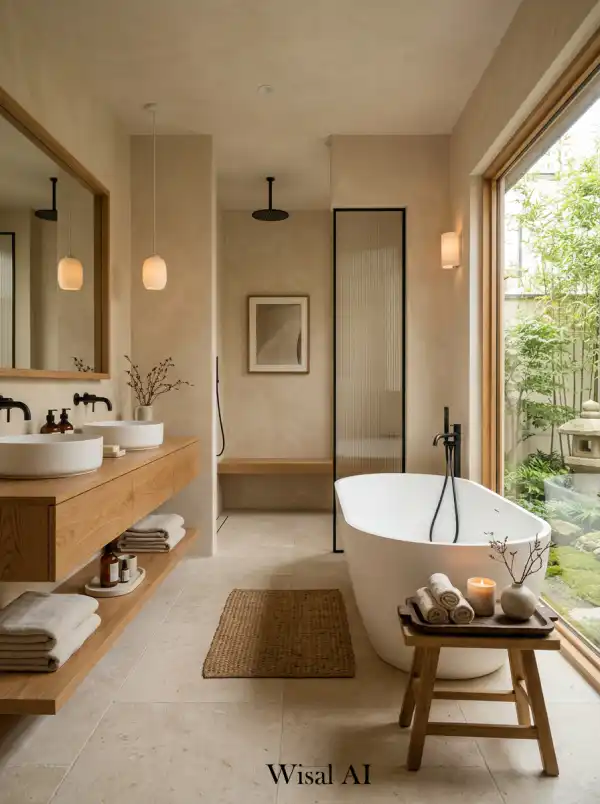
This bedroom idea focuses on reducing visual stress by using a calm and neutral design language. The space is intentionally simplified to eliminate unnecessary stimulation and create a mentally quiet environment. Every element in the room contributes to emotional balance and psychological relaxation. The color palette is built around soft neutrals such as warm white, beige, ivory, and light taupe. These tones help reduce cognitive load and make the environment feel more stable and peaceful. Furniture is minimal, with clean lines and no unnecessary decoration. Materials such as natural wood, linen, and cotton are used to create tactile comfort without overwhelming visual complexity. The room should feel breathable, open, and emotionally light. The layout is extremely important. Furniture placement should avoid overcrowding and allow empty space to become part of the design. This negative space helps the mind feel less pressured and more relaxed. Tip A calm room is not about what you add—it is about what you remove.
3. Natural Material Bedroom Idea for Grounded Comfort
This bedroom idea focuses on using natural materials as the foundation of emotional comfort and stability. The goal is to create a grounded environment that feels connected to nature, promoting relaxation and reducing stress levels. Wood, linen, cotton, wool, and stone are the primary materials used throughout the space. These textures create a sensory experience that feels organic and calming. The natural imperfections of these materials are embraced rather than hidden, adding authenticity to the design. The color palette remains earthy and soft, including sand tones, warm beige, muted browns, and off-whites. The overall atmosphere should feel warm, stable, and deeply connected to nature. The design avoids synthetic surfaces or overly glossy finishes, focusing instead on matte, tactile materials that feel real and comforting. Tip Natural materials don’t just decorate a room they change how your body feels inside it.
4. Cool Temperature Bedroom Idea for Better Sleep Quality
This bedroom idea focuses on temperature control as one of the most critical factors affecting sleep quality. Scientific studies show that the human body falls asleep faster and enters deeper sleep stages when the room temperature is slightly cool. This design concept transforms the bedroom into a naturally regulated environment that supports the body’s internal cooling process. The ideal atmosphere should feel fresh, breathable, and lightly cool without being uncomfortable. This is achieved through a combination of ventilation, breathable materials, and smart environmental design. Windows should allow natural airflow, while fabrics such as cotton and linen help maintain thermal comfort. The visual design remains calm and minimal, reinforcing the feeling of freshness and lightness. Overly heavy textures or dark, dense materials should be avoided because they visually and physically create warmth that can reduce sleep efficiency. The overall goal is to create a bedroom that feels like a “natural sleep climate,” where the body automatically relaxes and temperature becomes a silent assistant to rest. Tip A cooler room doesn’t just improve comfort it improves sleep depth and recovery quality.
5. Soundproof Bedroom Idea for Deep Silence Rest
This bedroom idea focuses on acoustic control and sound reduction to create a deeply silent sleep environment. Noise is one of the most overlooked factors affecting sleep quality, and this design addresses it through both structural and decorative solutions. The room should feel visually soft and acoustically insulated. Thick materials such as layered curtains, padded headboards, soft rugs, and upholstered furniture help absorb sound and reduce external disturbances. Walls may include subtle acoustic paneling or fabric-based textures that enhance sound absorption without affecting aesthetics. The goal is not to make the room visually heavy but to create a quiet, soft atmosphere that feels protected from outside noise. The emotional feeling should be “sealed calmness”—a space where external distractions fade away and the mind can fully disconnect. Tip True silence is not the absence of sound it is the presence of peace.
6. Digital Detox Bedroom Idea for Mental Reset
This bedroom idea focuses on eliminating digital distractions to create a true mental reset environment. Modern lifestyles are heavily dependent on screens, which can overstimulate the brain and disrupt sleep cycles. This design removes or minimizes electronic presence to support mental calmness and emotional recovery. The bedroom should feel intentionally disconnected from technology. Devices such as phones, TVs, and laptops should either be removed or placed out of sight. Charging stations should be located outside the bedroom to reinforce boundaries between rest and digital life. The design aesthetic becomes more analog, focusing on natural materials, soft lighting, and calming visual elements. The absence of screens creates a stronger emotional focus on rest, stillness, and self-awareness. The goal is to transform the bedroom into a psychological escape space where the brain can fully detach from information overload. Tip Your sleep improves instantly when your brain stops receiving digital stimulation before bed.
7. Soft Texture Bedroom Idea for Deep Comfort Sleep
This bedroom idea focuses on the power of tactile comfort and how soft textures directly influence emotional relaxation and sleep quality. The goal is to create a space that feels physically and visually soft, where every surface contributes to a sense of safety and comfort. Soft materials such as cotton, linen, wool, velvet, and padded fabrics are layered throughout the space to create depth and warmth. The bed becomes the central comfort zone, surrounded by multiple layers of bedding that feel inviting and calming. The visual composition avoids harsh edges or rigid structures. Instead, everything feels slightly cushioned, rounded, and gentle to the eye. This creates a subconscious signal of safety, helping the mind relax faster. The overall atmosphere should feel like a soft cocoon designed for emotional and physical rest. Tip The softer your environment feels, the faster your nervous system relaxes.
8. Balanced Layout Bedroom Idea for Mental Calmness
This bedroom idea focuses on spatial balance and symmetry as tools for mental calmness. A well-balanced layout reduces subconscious tension and creates a sense of order that supports relaxation and sleep. The furniture is arranged in a visually stable structure, often with symmetrical placement of bedside tables, lamps, and decorative elements. However, the symmetry should feel natural, not rigid. Negative space is equally important. The room should not feel crowded, allowing the eyes and mind to rest without constant visual stimulation. The overall result is a structured yet calming environment that supports emotional stability and sleep readiness. Tip A balanced room creates a balanced mind.
9. Biophilic Bedroom Idea for Natural Healing
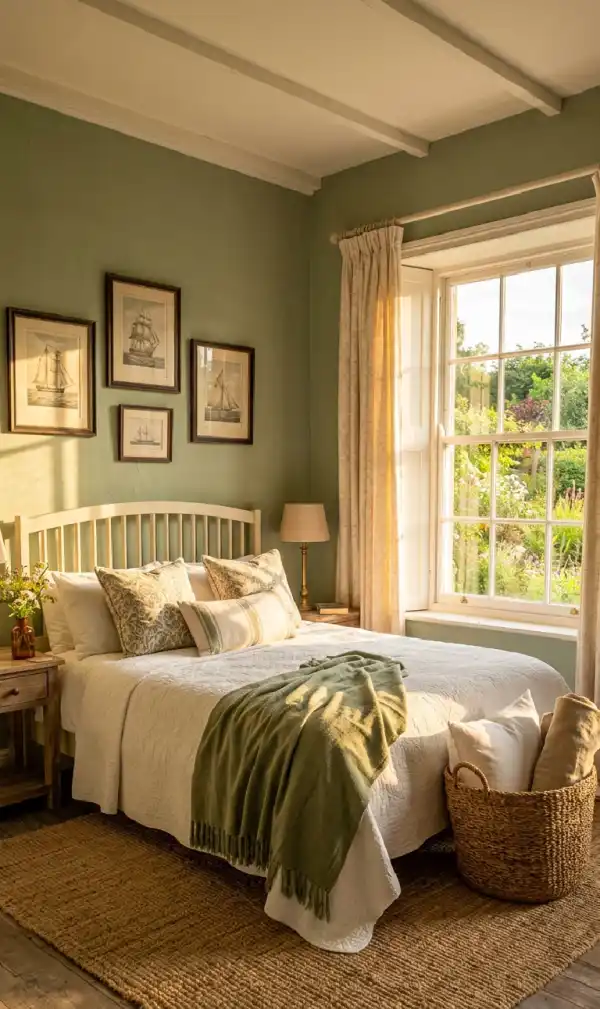
This bedroom idea integrates biophilic design principles, which focus on connecting humans with nature to improve emotional well-being and sleep quality. Natural elements are introduced not as decoration but as essential components of the environment. Plants, natural materials, organic shapes, and daylight all play a central role in the design. The presence of greenery helps reduce stress levels and improve air quality, while natural textures create emotional grounding. The space should feel alive, fresh, and organically connected to the outdoors. Tip Bringing nature indoors improves both emotional health and sleep quality.
10. Symmetrical Harmony Bedroom Idea for Visual Stability
This idea emphasizes perfect visual harmony through symmetrical design principles. Symmetry creates a subconscious sense of order and predictability, which helps reduce anxiety and improve sleep readiness. The layout is carefully mirrored on both sides of the bed, creating balance in furniture, lighting, and decor elements. The goal is to produce a visually stable environment that feels emotionally secure and controlled. Tip Symmetry creates calm because the brain naturally trusts order.
11. Nature Light Flow Bedroom Idea for Day-to-Night Balance
This bedroom idea focuses on how natural light changes throughout the day and how the space responds to it. The goal is to design a room that feels alive with light transitions, from bright morning energy to soft evening calmness. Large windows and light-filtering curtains are essential to allow gradual light shifts. The interior should adapt emotionally and visually to different times of day. The space feels dynamic yet calming, always aligned with natural rhythms. Tip A bedroom that follows sunlight helps your body follow sleep naturally.
12. Minimal Sleep Sanctuary Bedroom Idea for Mental Reset
This idea focuses on extreme minimalism to create a mental reset environment. The bedroom is stripped down to only essential elements, removing all distractions and visual noise. The space becomes a sanctuary of silence, clarity, and emotional rest. Every object has purpose, and nothing unnecessary remains in the room. Tip Less visual noise equals more mental peace.
13. Warm Glow Bedroom Idea for Evening Relaxation
This idea focuses on creating a warm emotional atmosphere using lighting as the main design element. The goal is to simulate a gentle sunset-like glow that encourages relaxation and prepares the body for sleep. The space feels intimate, cozy, and emotionally soft. Tip Warm lighting signals your brain that the day is ending.
14. Airflow Comfort Bedroom Idea for Fresh Sleep Environment
This idea focuses on airflow and ventilation as key factors for sleep comfort. The bedroom is designed to feel constantly fresh and breathable, improving oxygen flow and sleep quality. The environment feels light, open, and naturally ventilated. Tip Fresh air improves sleep quality more than most people realize.
15. Emotional Safety Bedroom Idea for Deep Psychological Comfort
This bedroom idea focuses on emotional safety as the foundation of sleep quality. The space should feel like a protective environment where the mind can fully relax without stress or anxiety. Warm colors, soft textures, and familiar comforting elements create emotional grounding. The bedroom becomes a psychological refuge. Tip You don’t sleep well in a space where you don’t feel emotionally safe.
Conclusion
A sleep-optimized bedroom is not about luxury or decoration—it is about designing an environment that supports the natural needs of the human body and mind. Every element in the room plays a role, from lighting and temperature to color and texture. When all these factors work together, the bedroom becomes more than just a place to sleep—it becomes a recovery space for both physical and mental health. A well-designed sleep environment can significantly improve sleep quality, reduce stress, and enhance overall well-being. By applying even a few of these ideas, you can start transforming your bedroom into a space that truly supports deep rest and emotional balance.
FAQ
1. What makes a bedroom good for sleep?
A good sleep bedroom has balanced lighting, calm colors, comfortable temperature, and minimal noise.
2. What color is best for sleep?
Soft neutral colors like beige, white, and gray are best for relaxation.
3. Does bedroom design affect sleep quality?
Yes, environmental factors directly influence sleep depth and quality.
4. What is the ideal bedroom temperature for sleep?
A slightly cool temperature is best for deep sleep.
5. Is clutter really bad for sleep?
Yes, clutter increases mental stress and reduces relaxation.