Your living room is often the first space guests notice when they enter your home. It's where you entertain friends, relax with family, and spend some of your most enjoyable moments. Because it's one of the most frequently used rooms, its design has a significant impact on how your entire home feels. Surprisingly, a living room doesn't need expensive furniture or luxury décor to look elegant. In many cases, avoiding a few common decorating mistakes can instantly make the space appear more refined and thoughtfully designed. Many homeowners unknowingly make design choices that reduce the visual appeal of their living room. Oversized furniture, poor lighting, mismatched colors, cluttered shelves, and improperly sized rugs can all make a beautiful room feel cramped, outdated, or inexpensive. Fortunately, these issues are often easy to fix without investing in a complete renovation. Professional interior designers understand that luxury is created through balance, proportion, functionality, and attention to detail. Every furniture placement, lighting choice, and decorative element contributes to the overall atmosphere. Small adjustments can dramatically improve the room while making it feel brighter, larger, and significantly more sophisticated. In this guide, you'll discover 17 living room mistakes that make your home look cheap and, more importantly, learn how to avoid them. Whether you're decorating a small apartment or redesigning a spacious family room, these expert tips will help you create a living room that looks polished, timeless, and effortlessly stylish.
1. Choosing Furniture That's Too Large for the Room
One of the biggest decorating mistakes is selecting furniture based on appearance alone rather than considering the size of the room. While oversized sectionals and bulky armchairs may look comfortable in a showroom, they can quickly overwhelm an average living room. Large furniture reduces walking space, blocks natural light, and makes the room feel crowded. Instead of creating a luxurious atmosphere, it often has the opposite effect by making the entire space appear smaller and less organized. A better approach is to choose furniture that matches the proportions of the room. Sofas with slimmer arms, raised legs, and clean lines provide the same level of comfort while maintaining an open appearance. Leave enough space around each piece to allow comfortable movement throughout the room. Remember that luxury isn't about owning the biggest furniture it's about achieving balance and allowing every element to fit naturally within the space.
2. Using a Rug That's Too Small
A small area rug is one of the easiest ways to make a living room look unfinished. Many homeowners choose rugs based solely on price, often purchasing one that's far too small for the seating arrangement. Ideally, the front legs of your sofa and chairs should rest on the rug, visually connecting the furniture into one cohesive conversation area. In larger living rooms, placing all furniture legs on the rug creates an even more luxurious appearance. Choosing the correct rug size helps define the layout, improves proportion, and instantly makes the room feel larger. Neutral rugs with subtle textures or timeless patterns also contribute to a sophisticated look without overwhelming the design. A properly sized rug acts as the foundation of the room, bringing every furniture piece together in a harmonious way.
3. Relying on Only One Ceiling Light
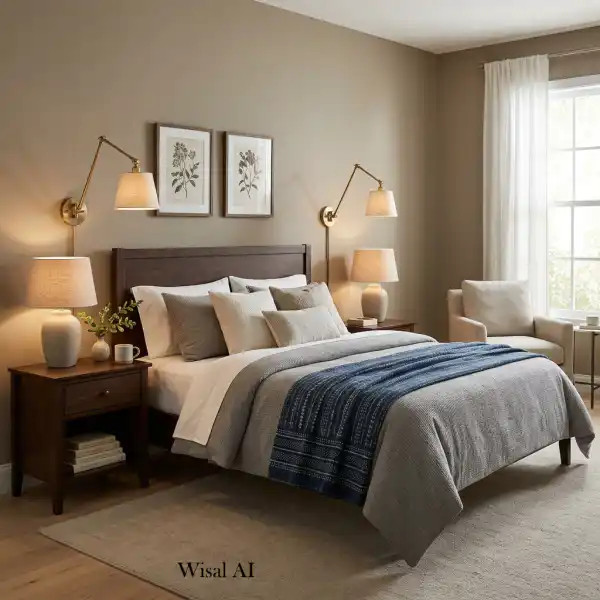
Lighting dramatically affects how expensive a living room feels. Unfortunately, many homes depend entirely on a single ceiling fixture, leaving corners dark and creating harsh shadows throughout the room. Professional designers use layered lighting to create warmth, depth, and flexibility. Combine ceiling lights with floor lamps, table lamps, wall sconces, and accent lighting to illuminate different areas of the room. Warm white bulbs between 2700K and 3000K create a welcoming atmosphere that's both elegant and comfortable. Dimmer switches are another excellent addition because they allow you to adjust the mood throughout the day. Multiple light sources make a room feel richer, more inviting, and significantly more luxurious than overhead lighting alone.
4. Pushing Every Piece of Furniture Against the Walls
Many people believe pushing all furniture against the walls automatically creates more space. In reality, this often makes the room feel disconnected and less inviting. Instead, arrange furniture around a conversation area. Position sofas and chairs close enough to encourage interaction while maintaining comfortable walking paths. Even moving furniture a few inches away from the walls can create greater visual depth and make the layout feel professionally designed. Balanced furniture groupings create intimacy while making larger rooms feel warmer and smaller rooms feel more organized.
5. Displaying Too Many Decorative Accessories
Decorating every shelf, table, and cabinet with numerous small accessories often creates visual clutter rather than elegance. Luxury interiors typically feature fewer decorative objects, but each one has greater impact. A sculptural vase, oversized artwork, elegant coffee table books, or a carefully chosen ceramic bowl often looks far more sophisticated than dozens of unrelated items. Leave empty space between decorative pieces so each object has room to stand out. A carefully edited living room always appears more expensive than one filled with unnecessary decorations.
6. Hanging Artwork Too High on the Wall
Artwork has the power to transform a living room, but placing it at the wrong height can throw off the entire design. One of the most common mistakes homeowners make is hanging paintings or framed prints too close to the ceiling. This leaves a large empty gap between the furniture and the artwork, making the room feel disconnected and poorly planned. Interior designers typically hang artwork so that its center sits at eye level, allowing it to naturally become part of the furniture arrangement. When placing art above a sofa, leave approximately 6 to 10 inches (15–25 cm) between the top of the sofa and the bottom of the frame. This creates a visual connection between the furniture and the wall décor. Scale is equally important. A tiny picture floating above a large sofa often looks awkward and insignificant. Instead, choose one oversized artwork or a carefully balanced gallery arrangement that spans roughly two-thirds of the sofa's width. Properly positioned artwork immediately gives the room a more polished, expensive appearance while helping the entire design feel intentional.
7. Ignoring Natural Light
Natural light is one of the most valuable design features any living room can have, yet many homeowners accidentally block it. Large cabinets placed beside windows, oversized plants, dark curtains, or heavy furniture can prevent sunlight from reaching the room. As a result, the space feels darker, smaller, and less welcoming throughout the day. Instead, allow windows to remain as open as possible. Choose sheer curtains during daylight hours and layer them with blackout curtains if additional privacy is needed at night. Position mirrors opposite windows whenever possible so they reflect sunlight throughout the room. Light-colored walls, reflective surfaces, and glass furniture can further increase brightness. A naturally bright living room always appears cleaner, larger, and significantly more luxurious.
8. Mixing Too Many Design Styles
Combining different decorating styles can create a unique home when done carefully. However, mixing too many unrelated styles often produces visual confusion instead of sophistication. For example, pairing ultra-modern furniture with ornate traditional cabinets, industrial lighting, rustic farmhouse accessories, and bohemian textiles all in one room can make the design feel inconsistent. Choose one primary design style and allow secondary influences to support it rather than compete with it. Whether you prefer Modern, Scandinavian, Japandi, Contemporary, Traditional, or Mid-Century Modern, maintaining consistency across furniture, colors, and materials creates harmony. A cohesive design always feels more expensive because every element appears to belong together.
9. Buying Matching Furniture Sets
Years ago, purchasing an entire matching furniture collection was considered the easiest way to decorate a living room. Today, it often has the opposite effect. Rooms filled with identical sofas, chairs, coffee tables, side tables, and cabinets can appear flat and lacking personality. Professional designers prefer mixing complementary materials, finishes, and shapes while maintaining a consistent color palette. For example, combine a linen sofa with walnut wood tables, a marble coffee table, black metal lighting, and textured fabrics. The room immediately feels more layered, interesting, and custom designed. Luxury interiors rarely rely on complete furniture sets because individuality creates character.
10. Choosing the Wrong Coffee Table Size
The coffee table serves as the centerpiece of most living rooms, yet its size is often overlooked. A table that's too small looks disconnected from the seating arrangement, while an oversized table makes movement uncomfortable. Ideally, a coffee table should measure roughly two-thirds the length of the sofa and sit about 16 to 18 inches (40–45 cm) away from the seating. Height also matters. The tabletop should generally be similar to or slightly lower than the sofa cushions. Selecting the proper size improves balance, circulation, and overall visual harmony. It's a small detail that has a surprisingly large impact on the room's appearance.
11. Using Too Many Small Decorative Pieces
Many homeowners believe adding more decorations automatically creates a richer interior. Unfortunately, multiple tiny accessories often produce visual clutter rather than elegance. Numerous candles, figurines, small frames, and decorative objects scattered across every surface make shelves appear crowded. Instead, decorate with fewer but larger statement pieces. An oversized vase, sculptural object, beautiful coffee table book, or large ceramic bowl immediately creates more impact while keeping the room visually calm. Luxury interiors focus on quality rather than quantity. Every decorative object should have a clear purpose.
12. Forgetting to Add Texture
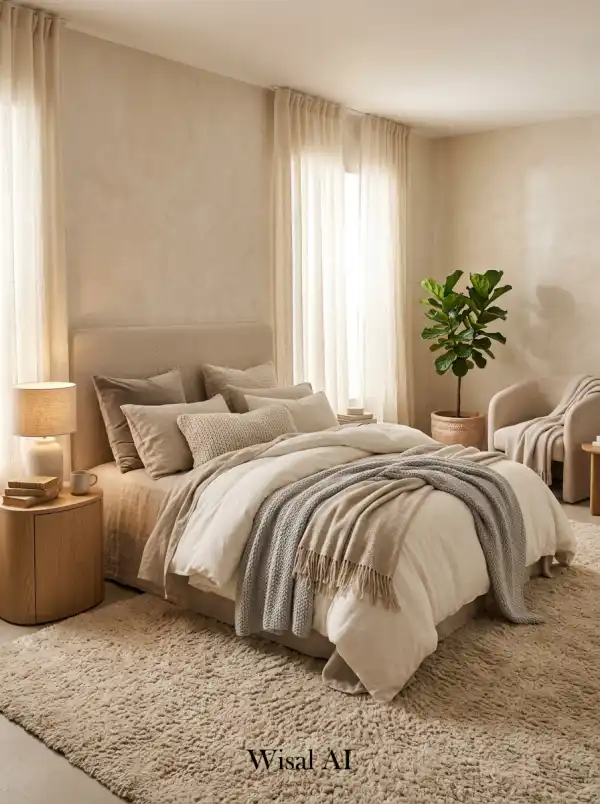
A living room can contain beautiful furniture and still feel flat if every surface has the same texture. Texture introduces warmth, depth, and visual richness without requiring bold colors. Layer linen curtains with velvet cushions, boucle accent chairs, chunky knit throws, woven baskets, natural wood furniture, marble surfaces, and plush rugs. Each material contributes a different tactile experience while maintaining a cohesive appearance. This layered approach creates the comfortable, luxurious atmosphere commonly found in professionally designed homes. Texture is often what separates ordinary interiors from exceptional ones.
13. Poor Cable Management
Visible television wires, extension cords, internet cables, and charging devices can instantly reduce the elegance of a living room. Even expensive furniture loses its impact when surrounded by tangled cables. Hide wires behind media consoles, use cable organizers, route cords through furniture where possible, or install concealed cable management systems. Wireless lamps, speakers, and charging stations can further reduce visual clutter. Professional-looking interiors pay attention to these small details because they dramatically improve the overall appearance of the room. Clean lines always contribute to a more expensive aesthetic.
14. Choosing the Wrong Paint Finish
Color isn't the only factor that influences your walls. Paint finish also affects how refined a room appears. High-gloss paint can highlight imperfections on large wall surfaces, while extremely flat paint may be difficult to clean in busy family spaces. For most living rooms, eggshell or matte finishes provide the ideal balance between elegance and practicality. They soften reflected light while creating a smooth, sophisticated appearance. Selecting the appropriate finish enhances the beauty of your chosen color without drawing attention to imperfections. It's a subtle decision that contributes to a more professional result.
15. Leaving Corners Empty or Unfinished
Unused corners often make a living room feel incomplete. Rather than ignoring them, transform these spaces into purposeful design features. A comfortable reading chair, tall indoor plant, sculptural floor lamp, or slim bookshelf can give an empty corner new life. Avoid filling every corner with large furniture, but don't leave them completely forgotten either. Thoughtfully styled corners make the room feel finished while adding depth and personality. These small improvements help the entire living room feel carefully designed.
16. Following Every Design Trend
Trends can be inspiring, but decorating an entire living room around temporary fashions often leads to expensive updates only a few years later. Instead, build your room around timeless furniture, neutral colors, and quality materials. Introduce trends through inexpensive accessories like pillows, artwork, throws, or decorative objects that can easily be replaced. This approach keeps your living room feeling current without sacrificing long-term style. The most luxurious homes rarely chase every trend—they prioritize timeless elegance.
17. Prioritizing Appearance Over Comfort
Perhaps the biggest mistake of all is designing a living room that looks beautiful but doesn't feel comfortable. Furniture should encourage conversation, lighting should support different activities, and layouts should make daily life easier. Choose sofas with supportive cushions, comfortable chairs, practical storage, and layouts that allow family members and guests to interact naturally. Luxury isn't simply about appearance. It's about creating a room that feels welcoming, relaxing, and enjoyable every day. The most memorable living rooms successfully combine beauty, comfort, functionality, and thoughtful design into one harmonious space.
Conclusion
Creating a living room that looks elegant doesn't always require expensive furniture or a complete renovation. More often than not, it's the small design mistakes that prevent a space from reaching its full potential. Oversized furniture, poor lighting, cluttered surfaces, mismatched styles, and improperly scaled décor can all make even high-quality interiors feel less refined. The good news is that most of these issues are easy to correct. Choosing furniture that fits the room, layering your lighting, embracing natural light, selecting the right rug size, and decorating with intention can dramatically improve both the appearance and functionality of your living room. Remember that luxury is rarely about adding more—it is about editing, balancing, and refining. Every piece of furniture should have a purpose, every decorative object should contribute to the overall design, and every layout should support comfort as much as style. By avoiding these 17 common decorating mistakes, you'll create a living room that feels brighter, more spacious, and significantly more expensive without exceeding your budget. A thoughtfully designed space not only impresses guests but also becomes a place where you genuinely enjoy spending time every single day.
FAQs
1. What is the biggest mistake that makes a living room look cheap?
Choosing furniture that's too large for the room and overcrowding the space are among the biggest design mistakes.
2. How can I make my living room look more expensive on a budget?
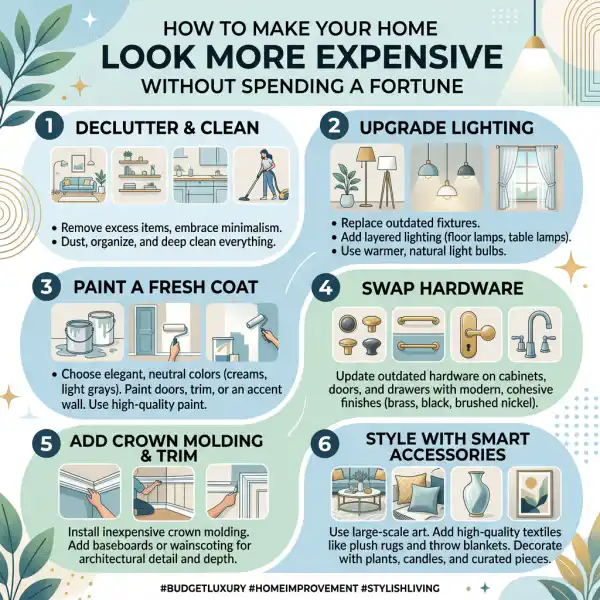
Declutter surfaces, upgrade lighting, use a larger rug, add texture, and focus on a cohesive color palette.
3. Should all living room furniture match?
No. Mixing complementary materials and finishes creates a more natural, designer-inspired appearance than buying matching furniture sets.
4. What type of lighting works best in a living room?
Layered lighting that combines ceiling fixtures, table lamps, floor lamps, and wall sconces creates the most comfortable atmosphere.
5. Why is rug size important in a living room?
A properly sized rug connects the seating arrangement, improves balance, and makes the room appear larger.
6. How do professional designers make a living room feel luxurious?
They focus on proportion, quality materials, balanced layouts, layered lighting, thoughtful textures, and minimizing visual clutter.