A bright living room has a unique ability to make an entire home feel larger, cleaner, and more inviting. Natural light instantly improves the atmosphere of a space, making colors appear richer, textures feel softer, and everyday living more enjoyable. Whether you're relaxing with family, entertaining guests, or simply enjoying a quiet afternoon, a bright living room creates an uplifting environment that never goes out of style. Unfortunately, many living rooms only feel bright during certain times of the year. In winter, shorter days and cloudy skies can leave the space feeling dark and enclosed. During summer, heavy curtains or poor furniture placement may block valuable sunlight. Even rooms with large windows can feel surprisingly dull if the colors, materials, and layout don't work together to reflect light effectively. Professional interior designers understand that creating a bright living room isn't simply about adding more windows or painting every wall white. It's about designing the room so it captures, reflects, and enhances both natural and artificial light throughout every season. Carefully chosen colors, layered lighting, thoughtful furniture placement, reflective surfaces, and natural materials all contribute to a space that feels fresh and welcoming year-round. The good news is that you don't need a major renovation to achieve this effect. Small, intentional updates—such as replacing heavy curtains, introducing mirrors, choosing lighter upholstery, or decluttering surfaces—can dramatically improve the brightness of your living room while maintaining warmth and comfort. In this guide, you'll discover 15 practical ways to create a living room that feels bright in every season. These designer-approved ideas will help you maximize light, improve visual openness, and create a timeless living space that feels cheerful, elegant, and inviting no matter the weather outside.
1. Build Your Design Around a Light Neutral Color Palette
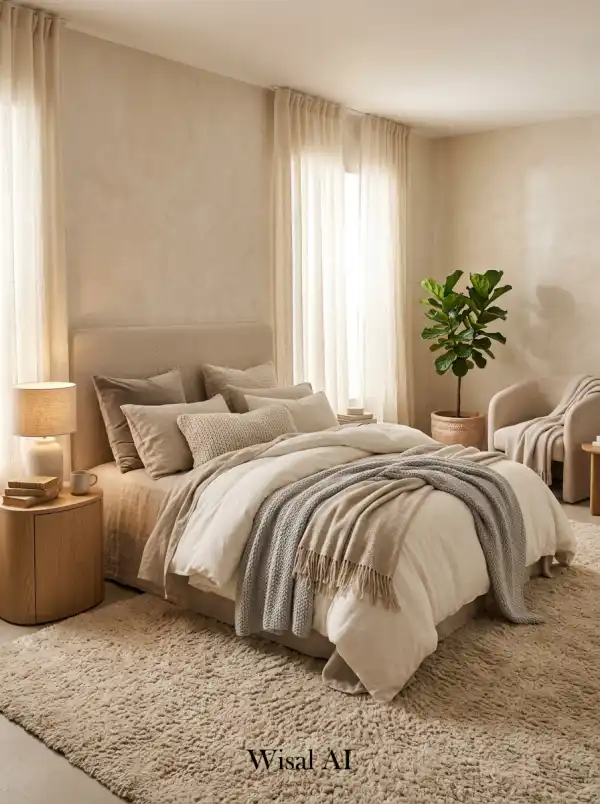
Color is the foundation of a bright living room. Before choosing furniture or decorative accessories, establish a palette that naturally reflects light and creates a fresh, open atmosphere. Professional designers often begin with warm white, ivory, cream, soft beige, light greige, pale taupe, or gentle warm gray. These shades brighten the room without feeling cold or sterile. Unlike stark white, warmer neutrals create a comfortable environment that remains inviting throughout every season. Rather than introducing many competing colors, limit your palette to three or four complementary shades. Repeat these colors across walls, sofas, curtains, rugs, cushions, and decorative accessories to establish visual harmony. Texture becomes especially important when working with neutral colors. Linen upholstery, boucle cushions, woven baskets, natural wood, ceramic accessories, and soft wool rugs create visual depth without reducing brightness. A carefully planned neutral palette allows sunlight to travel more effectively throughout the room while creating a timeless backdrop that works beautifully year after year.
2. Maximize Every Source of Natural Light
Natural light remains the most valuable design element in any living room. Even homes with modest windows can feel significantly brighter when sunlight is allowed to flow freely throughout the space. Avoid placing tall bookcases, oversized cabinets, or bulky furniture directly in front of windows. Instead, keep window areas open so daylight can spread naturally across the room. Replace heavy drapes with sheer linen curtains or lightweight woven fabrics that soften direct sunlight while preserving brightness. If privacy is important, combine sheer curtains with heavier drapes that can be closed only when needed. Keep windows clean inside and out, since dust and dirt reduce the amount of natural light entering the room. The more daylight your living room receives, the larger, fresher, and more welcoming it will feel regardless of the season.
3. Position Mirrors to Reflect Light
Professional interior designers frequently use mirrors as one of their favorite tools for increasing brightness without making structural changes. A large mirror positioned opposite or adjacent to a window reflects natural light deeper into the room, effectively doubling the visual impact of available daylight. Oversized mirrors also create the illusion of greater depth, making smaller living rooms appear noticeably larger. Choose frames that complement your overall design style. Slim black metal works well in contemporary interiors, warm wood adds organic character, while brass introduces understated elegance. Avoid placing mirrors where they reflect clutter or unattractive views. Instead, allow them to capture windows, artwork, or beautiful architectural details. A strategically placed mirror transforms both brightness and perceived space with minimal effort.
4. Choose Furniture with Light Visual Weight
Not all furniture affects brightness equally. Bulky sofas, oversized coffee tables, and massive entertainment units often absorb visual space, making even large living rooms feel darker. Instead, choose furniture with slimmer proportions, exposed legs, lighter upholstery, and cleaner lines. Raised furniture allows more visible flooring to remain exposed, increasing the feeling of openness. Glass coffee tables, open shelving, floating cabinets, and light wood finishes also contribute to a brighter appearance because they interrupt fewer sightlines. Even if your furniture is substantial, balancing it with lighter accessories and open layouts helps preserve the room's airy atmosphere. Thoughtfully selected furniture supports both brightness and comfort without overwhelming the space.
5. Layer Artificial Lighting for Every Season
Natural light changes dramatically throughout the year, making artificial lighting equally important. Rather than depending solely on one ceiling fixture, combine multiple lighting sources positioned throughout the room. Table lamps, floor lamps, wall sconces, accent lighting, and concealed LED strips each contribute different layers of illumination. Warm white bulbs between 2700K and 3000K maintain a cozy atmosphere while still providing sufficient brightness during darker winter months. Position lamps near reading chairs, beside sofas, and within shelving units to eliminate dark corners. Installing dimmer switches allows you to adjust brightness depending on the season, time of day, or activity. Layered lighting ensures your living room remains welcoming even after sunset or during cloudy weather.
6. Keep Window Treatments Light and Airy
Window treatments have a tremendous influence on how bright a living room feels throughout the year. Even a room with beautiful, oversized windows can appear darker if heavy curtains block valuable daylight. Professional interior designers often recommend lightweight linen, cotton, or sheer fabrics because they gently filter sunlight instead of stopping it completely. These materials soften harsh glare while still allowing natural light to fill the room, creating a comfortable atmosphere that changes beautifully throughout the day. Installing curtain rods close to the ceiling and extending them beyond the edges of the windows also makes a significant difference. This technique allows curtains to stack beside the window rather than covering the glass, maximizing daylight while making the windows appear larger. Layering sheer curtains behind heavier drapes provides flexibility for every season. During sunny days, the sheer layer maintains brightness and privacy. In the evening or colder months, heavier curtains can be closed to create warmth without permanently sacrificing natural light. Thoughtfully chosen window treatments help maintain a bright, elegant living room regardless of changing weather conditions.
7. Introduce Reflective Surfaces Carefully
Bright interiors often contain subtle reflective materials that bounce light around the room without creating excessive shine. Glass coffee tables, polished stone, ceramic accessories, metallic finishes, mirrored trays, and glossy decorative objects all contribute to a brighter environment by reflecting both daylight and artificial lighting. The key is moderation. Too many reflective surfaces can make the room feel cold or overly formal. Instead, combine reflective materials with softer natural textures like wood, linen, wool, and woven baskets. For example, a marble coffee table paired with a textured rug or a brass floor lamp beside a linen sofa creates a balanced composition where each material enhances the other. These gentle reflections make the room feel brighter while preserving its warmth and comfort.
8. Declutter to Let Light Travel Freely
Clutter doesn't only affect organization—it also blocks light. Crowded shelves, overloaded coffee tables, excessive decorative accessories, and unnecessary furniture interrupt the natural flow of both daylight and artificial illumination. Professional interior designers regularly edit their spaces, removing anything that doesn't contribute beauty or function. Leave breathing room between decorative objects. Keep side tables simple. Store remote controls, magazines, and everyday items inside baskets or cabinets rather than leaving them exposed. Open surfaces reflect more light than cluttered ones, making the entire living room feel cleaner and brighter. Decluttering also improves the emotional atmosphere of the room by reducing visual stress and allowing architectural features to become more noticeable. Sometimes removing a few unnecessary items has a greater impact than purchasing new furniture.
9. Decorate with Natural Wood
Natural wood introduces warmth while preserving brightness. Unlike very dark furniture finishes, lighter woods such as oak, ash, maple, white oak, or light walnut reflect more light and create a softer overall appearance. Wood can appear throughout the room in many forms—coffee tables, shelving, console tables, media units, side tables, decorative bowls, or picture frames. Its organic texture prevents neutral interiors from feeling sterile while adding timeless character. Professional designers often balance painted surfaces with exposed wood because this combination creates a room that feels simultaneously bright and welcoming. Natural wood works beautifully across Scandinavian, Japandi, Contemporary, Coastal, and Modern Organic interiors, making it one of the safest long-term design investments.
10. Add Greenery for Freshness
Nothing communicates freshness quite like indoor plants. Greenery introduces natural color that immediately makes a bright room feel healthier and more vibrant without overwhelming the overall palette. Large plants work beautifully in unused corners, while smaller varieties add life to shelves, side tables, and window ledges. Popular low-maintenance options include snake plants, pothos, rubber plants, olive trees, fiddle-leaf figs, and peace lilies. Choose simple ceramic or woven planters that complement the room rather than competing with it. Plants also soften architectural lines, making furniture arrangements feel more relaxed and approachable. Even one carefully positioned plant can make the living room feel noticeably brighter and more inviting.
11. Choose Artwork That Enhances Light
Artwork has the power to influence the brightness of a room far more than many homeowners realize. Dark paintings with heavy frames can visually absorb light, while artwork featuring soft colors, open landscapes, abstract neutrals, coastal scenes, botanical illustrations, or minimalist photography helps reinforce a bright atmosphere. Large statement pieces generally create greater visual impact than several smaller unrelated frames. Use light wood, white, or slim black frames depending on your interior style. Allow generous wall space around artwork so the composition feels open rather than crowded. The goal is to complement the architecture and lighting of the room rather than dominate it. Thoughtfully selected artwork contributes both personality and brightness.
12. Create Visual Flow with Consistent Colors
One reason professionally designed living rooms feel brighter is because every element works together visually. Instead of introducing many contrasting colors, repeat a limited palette across upholstery, rugs, curtains, cushions, artwork, and decorative accessories. This consistency allows the eye to travel smoothly throughout the room, making the space feel larger and more open. Accent colors should appear intentionally rather than randomly. For example, soft olive green might appear in cushions, artwork, and a ceramic vase, while warm oak repeats in shelving, tables, and picture frames. When colors flow naturally from one area to another, the room automatically feels calmer, brighter, and more cohesive.
13. Keep Furniture Proportional to the Space
Even beautifully designed furniture can make a living room feel darker if it's too large. Oversized sectionals, bulky cabinets, and heavy coffee tables dominate visual space while limiting the movement of both people and light. Choose furniture that fits comfortably within the room's proportions. Slim-profile sofas with exposed legs, open shelving, nesting tables, and floating media units preserve openness while maintaining functionality. Leave adequate walking space between furniture pieces to prevent the room from feeling crowded. Balanced proportions allow daylight to spread more evenly while helping the room appear larger than its actual dimensions.
14. Brighten Dark Corners
Nearly every living room contains one or two areas that receive less natural light. Instead of ignoring these corners, treat them as opportunities. Add a floor lamp beside an accent chair, place a tall plant near a window, introduce a mirror, or install a wall sconce that directs light upward. Small side tables topped with ceramic lamps also transform forgotten corners into inviting reading areas. Eliminating dark areas makes the entire room feel more evenly illuminated while increasing its overall sense of comfort. Professional designers pay close attention to corners because they strongly influence how spacious a room feels.
15. Prioritize Simplicity Over Excess
The brightest living rooms are rarely the ones filled with the most furniture. Instead, they are carefully edited spaces where every object has a clear purpose. Choose fewer but higher-quality pieces. Allow open areas around furniture. Resist the temptation to decorate every shelf, every wall, or every tabletop. Instead, let natural light, beautiful textures, thoughtful proportions, and meaningful accessories become the stars of the room. Professional designers understand that brightness is closely connected to visual simplicity. When unnecessary distractions are removed, light can become one of the room's most beautiful design features. A simple living room feels larger, calmer, and brighter throughout every season.
Conclusion
Creating a living room that feels bright in every season isn't about relying on endless sunshine or making expensive structural changes. It's about designing the space so that light—both natural and artificial—is welcomed, reflected, and enhanced throughout the day and across every season. Thoughtful choices such as light neutral colors, airy window treatments, reflective surfaces, layered lighting, and well-proportioned furniture work together to create an atmosphere that feels fresh, spacious, and inviting. Small improvements often produce the biggest transformation. Rearranging furniture to free up windows, adding mirrors to reflect daylight, incorporating natural wood and indoor plants, and reducing unnecessary clutter all help maximize brightness without sacrificing comfort. Consistent colors, meaningful artwork, and carefully styled accessories further reinforce the sense of openness while giving the room warmth and personality. Ultimately, the brightest living rooms are those that strike the perfect balance between simplicity and comfort. By allowing light to become an essential part of your design rather than an afterthought, you can create a timeless living space that feels cheerful, elegant, and welcoming every day of the year, regardless of the weather outside.
FAQs
1. What colors make a living room feel brighter?
Warm whites, ivory, beige, greige, soft taupe, and light warm gray reflect light beautifully while maintaining a cozy atmosphere.
2. How can I brighten a living room without remodeling?
Use mirrors, sheer curtains, layered lighting, lighter furniture, indoor plants, and decluttered surfaces to maximize both natural and artificial light.
3. Do mirrors really make a room brighter?
Yes. When positioned opposite or beside windows, mirrors reflect daylight deeper into the room, making it appear brighter and larger.
4. What type of curtains are best for a bright living room?
Lightweight linen or sheer curtains allow natural light to enter while softening glare and maintaining privacy.
5. Can dark furniture make a room feel less bright?
Large, dark furniture can absorb visual light, so balancing it with lighter walls, textiles, and accessories helps maintain an open feeling.
6. What's the biggest mistake when trying to brighten a living room?
Blocking windows with oversized furniture, using heavy curtains, or overcrowding the room with unnecessary décor can significantly reduce brightness and openness.