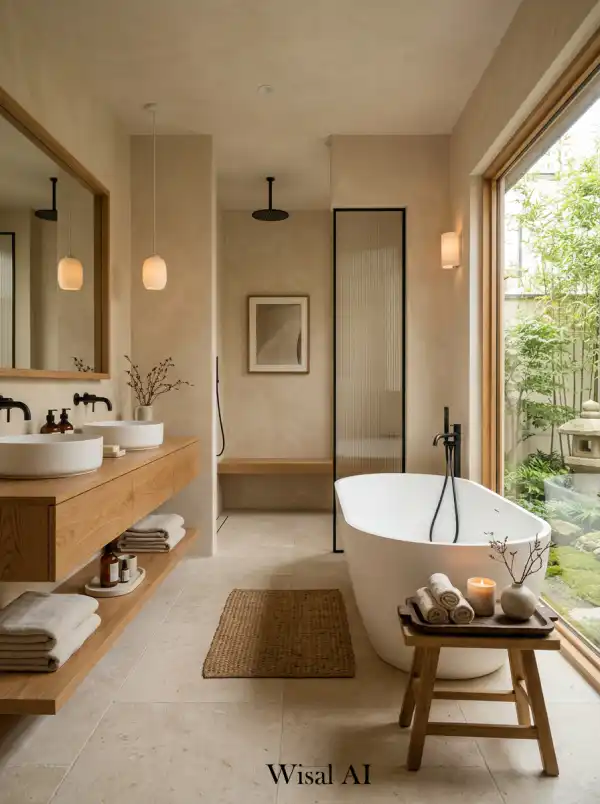
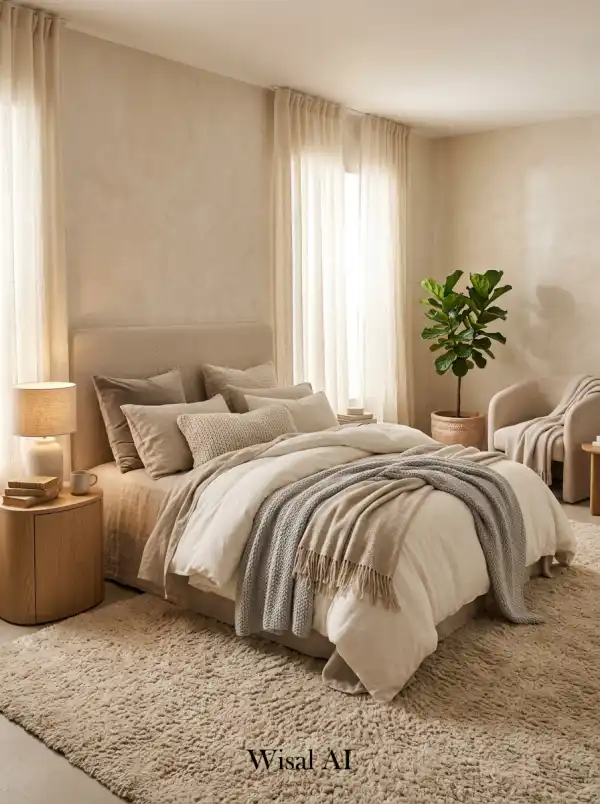
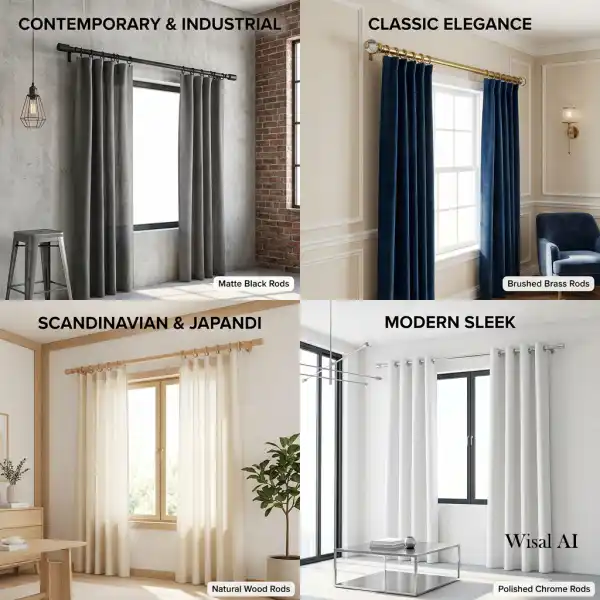
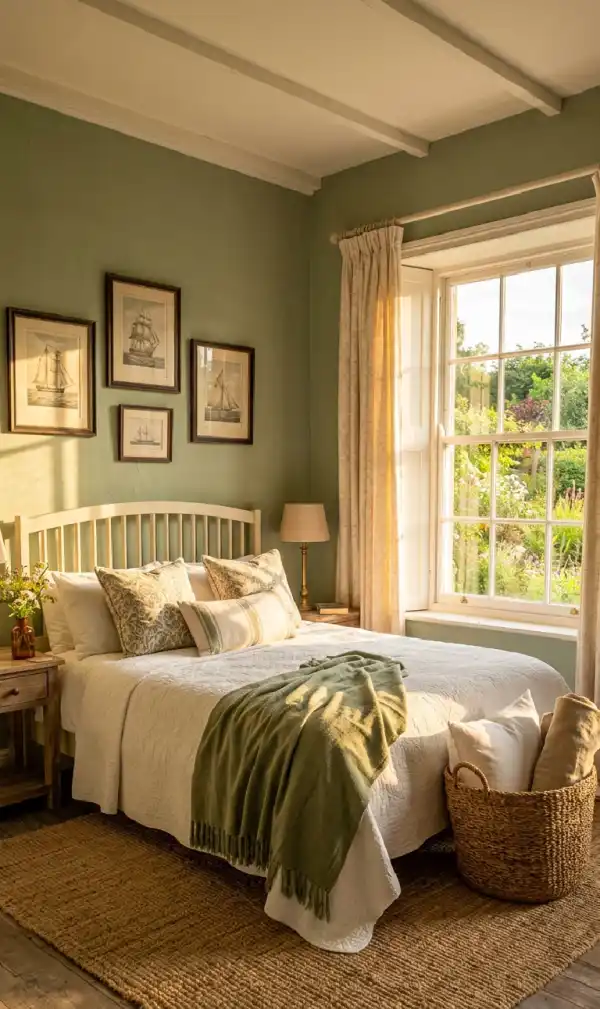
As modern apartments become smaller and everyday life becomes increasingly fast and overstimulating, outdoor spaces are taking on a new emotional role inside the home. In 2026, balconies are no longer treated as forgotten exterior corners used only for storage or occasional seating. Instead, they are being transformed into calming retreats designed for quiet routines, slow living, and mental clarity. This shift is one of the main reasons why Japandi balcony design has become one of the strongest outdoor trends in modern interior architecture. Japandi style combines two philosophies that naturally complement each other: the warmth and simplicity of Scandinavian design and the peaceful minimalism of Japanese interiors. Together, they create spaces that feel balanced, grounded, and emotionally calming. A Japandi wood balcony is not about excessive decoration or trendy styling. It is about intentional simplicity. Every material, texture, and object serves a purpose. Warm wood tones, soft neutral palettes, natural light, minimal furniture, and organic textures work together to create an atmosphere that feels deeply peaceful without looking empty. What makes this style especially powerful for balconies is its ability to soften urban living. Even a very small apartment balcony can feel like a quiet retreat when designed with natural materials, visual balance, and calm spatial flow. Instead of feeling exposed to the outside world, the balcony becomes a private sanctuary suspended above the noise of the city. In this guide, we’ll explore 15 Japandi Wood Balcony Ideas for a Calm Minimal Look, focusing on warm wood textures, natural simplicity, and relaxing outdoor environments that feel timeless, modern, and emotionally restorative.
1. Warm Slatted Wood Balcony with Soft Neutral Seating
One of the most iconic features of Japandi outdoor design is the use of warm slatted wood surfaces. Whether applied to walls, privacy screens, ceilings, or flooring, slatted wood instantly transforms a balcony into a softer and more architectural space. It introduces rhythm, warmth, and natural texture without relying on decoration or visual clutter. In modern apartment balconies, exterior materials often feel cold and harsh because of exposed concrete, metal railings, and glass panels. Slatted wood helps counterbalance those surfaces by adding organic warmth and visual calmness. The repeated linear pattern also creates a subtle sense of order and harmony, which is a core principle in Japandi design philosophy. To keep the atmosphere calm and minimal, the seating should remain soft and understated. Low-profile outdoor cushions in warm neutral tones like beige, cream, taupe, or sand create comfort without overwhelming the simplicity of the design. Instead of using large bulky furniture, Japandi balconies work best when seating feels visually light and emotionally inviting. Lighting is another major part of the atmosphere. Soft indirect lighting placed behind slatted panels or beneath seating creates gentle shadows during the evening, making the balcony feel peaceful and intimate rather than brightly illuminated. Plants should also be minimal and intentional. A single olive tree, bamboo arrangement, or sculptural plant often works better than filling the balcony with excessive greenery. In Japandi spaces, emptiness is just as important as decoration because it allows the mind to relax visually. This design approach creates a balcony that feels deeply calming and architecturally refined without needing expensive or complicated elements. Design Tips: Use natural oak, cedar, or teak slatted wood Keep seating low-profile and minimal Stick to warm neutral textiles Add soft indirect lighting Avoid visual clutter and excessive decoration Use only a few carefully selected plants
2. Minimal Wood Deck Balcony with Floor Seating
A wood deck balcony with floor seating creates one of the most emotionally grounded outdoor environments possible. Instead of relying on formal furniture arrangements, this concept focuses on softness, openness, and relaxed living inspired by traditional Japanese interiors. The wooden decking becomes the emotional foundation of the balcony. Warm natural wood immediately changes how the outdoor space feels underfoot, making it warmer, quieter, and more connected to nature. In Japandi design, material experience is incredibly important. The goal is not just visual beauty, but creating spaces that feel calming through texture and simplicity. Floor seating enhances this atmosphere by removing visual heaviness from the balcony. Traditional chairs and tables can quickly make small outdoor spaces feel crowded, while floor cushions and low seating arrangements create openness and flexibility. Layered linen cushions, woven floor mats, soft throws, and low wooden trays help establish a peaceful environment designed for slow mornings, tea rituals, reading, or quiet evening relaxation. One of the strongest aspects of this idea is its emotional simplicity. The balcony begins to feel less like a decorative extension of the apartment and more like a mindful retreat separated from daily stress. The color palette should remain extremely restrained. Warm beige, soft brown, muted cream, natural wood, and earthy gray tones all contribute to a balanced and calming atmosphere. Strong contrast or bright colors would disrupt the visual softness that defines Japandi spaces. Lighting should remain subtle and integrated into the architecture. Hidden LED strips along the decking or soft lantern lighting work far better than visible bright fixtures. Design Tips: Use warm natural wood decking Keep seating low and relaxed Layer soft linen and woven textures Maintain a restrained earthy palette Add soft lantern or hidden lighting Focus on openness and calmness Avoid oversized furniture pieces
3. Japandi Balcony with Natural Wood Bench and Stone Textures
The combination of wood and stone creates one of the most timeless material palettes in Japandi design. Wood introduces warmth and softness, while stone adds grounding, stillness, and architectural depth. Together, they create a balcony that feels emotionally balanced and deeply connected to nature. A simple natural wood bench acts as the centerpiece of this type of balcony. The beauty of Japandi design lies in restraint, so the bench should remain minimal in shape with clean lines and honest materials rather than decorative detailing. Stone textures can appear through flooring, planters, side tables, or textured walls. Matte stone surfaces are especially effective because they absorb light softly and create a calm tactile atmosphere. This contrast between warm wood and cool stone creates visual harmony without relying on excessive styling. The balcony feels calm because the materials themselves carry enough character and emotional presence. Soft neutral cushions can be added to make the seating feel more comfortable while maintaining the minimal aesthetic. Linen fabrics work particularly well because they reinforce the natural material palette. Lighting should highlight textures rather than brightness. Warm side lighting or floor-level illumination creates shadows across the stone surfaces and wood grain, adding depth during the evening hours. Plants should remain sculptural and minimal. Japandi design favors carefully placed greenery instead of excessive plant layering. Bonsai-inspired plants, olive trees, or soft grasses work beautifully here. Design Tips: Combine matte stone with warm natural wood Use minimal bench seating with clean lines Add linen cushions in neutral tones Highlight textures with soft lighting Keep greenery sculptural and simple Avoid glossy finishes or strong contrasts
4. Soft Beige Japandi Balcony with Floating Wood Elements
Floating architectural elements are becoming increasingly popular in modern Japandi outdoor design because they create visual lightness and spatial calmness. In small apartment balconies especially, heavy furniture can quickly overwhelm the environment. Floating wood elements help maintain openness while still adding warmth and function. This idea often includes floating wooden benches, suspended shelves, wall-mounted planters, or slim wood surfaces that appear visually lightweight. The result is a balcony that feels airy, uncluttered, and peaceful. Soft beige tones strengthen this atmosphere beautifully. Beige reflects light gently and creates emotional warmth without becoming visually dominant. Combined with natural wood finishes, the balcony develops a highly calming tonal harmony. Texture again becomes extremely important. Since Japandi spaces avoid excessive decoration, depth must come from material variation instead. Soft woven cushions, linen textiles, matte ceramics, and natural wood grain all contribute to the layered simplicity of the design. Lighting should remain hidden and indirect wherever possible. The goal is to create atmosphere rather than visible lighting fixtures. Under-bench lighting or warm wall illumination helps emphasize the floating architectural effect at night. This type of balcony is ideal for people who want a minimal outdoor space that still feels emotionally warm and comfortable rather than cold or overly modern. Design Tips: Use floating wood benches or shelves Keep the palette soft beige and natural wood Add layered neutral textures Use hidden indirect lighting Maintain open visual flow Avoid bulky furniture or dark heavy tones
5. Japandi Balcony with Warm Lantern Lighting and Organic Calmness
Lighting is one of the most emotionally powerful elements in Japandi balcony design, and few lighting styles create warmth as effectively as lanterns. Soft lantern lighting introduces intimacy, calmness, and quiet atmosphere without disrupting the simplicity of the space. Unlike harsh overhead lighting, lanterns create layered shadows and soft glowing warmth that feels deeply relaxing in the evening. This type of lighting encourages slower living and transforms the balcony into a peaceful nighttime retreat. The surrounding materials should support this softness. Warm wood furniture, woven textures, linen cushions, matte ceramics, and neutral textiles all absorb warm light beautifully and create a calming sensory environment. Japandi balconies often avoid visual excess, so the lanterns themselves should remain minimal in shape and material. Black matte metal, wood-framed lanterns, paper-inspired lighting, or soft frosted glass all work extremely well. Furniture layouts should remain open and breathable. Instead of filling the balcony with objects, the focus should be on creating emotional stillness through simplicity and balance. The addition of carefully selected greenery helps soften the architecture further. Bamboo, small olive trees, or minimalist potted plants reinforce the connection between the balcony and nature. What makes this balcony concept especially beautiful is its atmosphere after sunset. The combination of warm lantern light, natural wood textures, quiet colors, and soft evening air creates a space that feels emotionally restorative and timeless. Design Tips: Use warm lantern-style lighting Keep furniture minimal and natural Add soft woven and linen textures Use warm wood finishes throughout Maintain open uncluttered layouts Add simple calming greenery Focus on atmosphere over decoration
6. Japandi Balcony with Built-In Wooden Seating and Hidden Storage
One of the smartest ways to achieve a truly minimal Japandi balcony is by integrating built-in wooden seating with hidden storage. This idea perfectly represents the Japandi philosophy of combining functionality with simplicity, where every element in the space serves a clear purpose without creating visual clutter. Built-in seating transforms the balcony from a temporary arrangement into an architectural extension of the home. Instead of placing separate chairs and tables that can make the space feel crowded, a continuous wooden bench creates a calm visual flow. The eye moves smoothly across the space without interruption, which enhances the feeling of relaxation. What makes this idea especially powerful is the addition of hidden storage beneath the seating. In small apartment balconies, storage is often a challenge, and clutter can quickly destroy the peaceful atmosphere. By integrating storage into the bench design, the balcony remains clean and visually balanced while still being highly functional. The material choice is critical. Natural wood tones such as oak, teak, or ash work best because they maintain warmth while keeping the aesthetic grounded and organic. The finish should remain matte or lightly textured rather than glossy, as Japandi design avoids artificial shine in favor of natural authenticity. Soft neutral cushions in beige, cream, or warm gray add comfort without disturbing the minimal structure. These textiles introduce softness and make the seating more inviting, especially for long periods of relaxation. Lighting can be subtly integrated into the base of the seating structure. Hidden LED strips or warm under-bench lighting create a floating effect during the evening hours, adding depth and atmosphere without overpowering the simplicity of the design. Design Tips: Use built-in natural wood seating Add hidden storage compartments Keep design linear and minimal Use soft neutral cushions Integrate subtle hidden lighting Avoid bulky standalone furniture Maintain clean architectural flow
7. Japandi Balcony with Zen-Inspired Minimal Garden Corner
A Zen-inspired garden corner brings a deeply calming and meditative energy into a Japandi balcony. This idea focuses on creating a small, controlled natural environment where every plant and material is carefully placed to support visual balance and emotional stillness. Unlike dense plant balconies, a Zen-inspired approach is highly selective. Instead of filling the space with many plants, it focuses on a few meaningful natural elements that create presence without overcrowding the space. A single sculptural plant, such as a bonsai tree or olive plant, can become the visual focal point of the entire balcony. The surrounding space is intentionally kept open, allowing the plant to “breathe” visually and emotionally. Gravel textures, stone accents, and minimal wooden platforms can be added to enhance the Zen atmosphere. These elements introduce a sense of grounded simplicity and natural rhythm, similar to traditional Japanese gardens. The color palette should remain extremely soft and neutral. Earth tones, warm beige, soft gray, and natural wood shades help maintain harmony and prevent visual distraction. This type of balcony is especially powerful for people seeking mental clarity. It becomes a space for reflection, meditation, or simply disconnecting from daily stress. Lighting should remain extremely subtle. Soft ground lighting or lantern-style illumination is enough to highlight textures without disrupting the calmness of the space. Design Tips: Use one or two sculptural plants only Add stone or gravel textures Keep the layout open and minimal Use natural wood platforms Stick to earthy neutral colors Avoid decorative overload Focus on meditative atmosphere
8. Japandi Balcony with Soft Linen Layers and Natural Textures
Textile layering plays a major role in making Japandi balconies feel warm and emotionally comfortable. While the style is minimal, it is not cold. Instead, it relies on soft natural materials to introduce warmth without visual heaviness. Linen is one of the most important materials in this concept. Its slightly imperfect texture gives it a natural, organic feel that aligns perfectly with Japandi philosophy. When used in cushions, throws, or seating covers, linen adds softness while maintaining simplicity. Layering is done carefully and intentionally. Instead of mixing many colors or patterns, the focus remains on subtle variations within neutral tones such as cream, beige, sand, and warm gray. The balcony structure itself should remain simple—usually wood-based or neutral stone surfaces. The textiles then become the emotional layer that makes the space feel inviting and lived-in. One of the most beautiful aspects of this idea is how it changes throughout the day. In natural daylight, linen textures appear soft and airy. In the evening, warm lighting enhances the fabric depth and creates a cozy intimate atmosphere. This type of balcony design works especially well for reading, relaxing, or quiet conversations. It is not a high-activity space, but rather a slow, restorative environment. Design Tips: Use natural linen fabrics only Stick to neutral layered tones Avoid patterns or bold colors Combine textiles with wood surfaces Keep furniture minimal and soft Use warm ambient lighting Focus on comfort and simplicity
9. Japandi Balcony with Floating Planters and Soft Green Accents
Plants are essential in Japandi design, but the way they are integrated is what defines the aesthetic. Instead of dense plant arrangements, Japandi balconies often use floating or suspended planters to maintain openness and visual lightness. Floating planters create the illusion that greenery is part of the architecture rather than an added decoration. This helps maintain the clean minimal flow that is essential in Japandi design. Soft green tones from plants contrast gently with warm wood and neutral backgrounds, creating a natural balance without visual noise. The greenery should feel intentional and sculptural rather than random or excessive. Planter materials should remain natural and muted. Ceramic, clay, matte stone, or wood-based containers work best because they reinforce the organic aesthetic. The arrangement should always prioritize space. Empty areas are just as important as filled ones, allowing the balcony to feel breathable and calm. Lighting can be used to highlight plant shapes during the evening. Soft directional lighting or floor-based illumination creates subtle shadows that enhance the natural textures of the greenery. Design Tips: Use floating or wall-mounted planters Keep plant selection minimal and intentional Use natural materials for pots Maintain open negative space Combine greenery with wood textures Use soft lighting for evening ambiance Avoid overcrowding with plants
10. Japandi Balcony with Warm Wood Flooring and Soft Horizon View
A balcony with warm wood flooring creates an immediate emotional shift in how the space is experienced. Instead of feeling like a cold architectural extension, the balcony becomes a warm natural surface that connects the interior of the home with the outside world. Wood flooring is one of the strongest elements in Japandi outdoor design because it introduces warmth, continuity, and tactile comfort. Walking barefoot on natural wood creates a sensory experience that reinforces relaxation and calmness. When combined with a clean horizon view—whether city skyline, garden, or open sky—the balcony becomes a space of visual escape. The simplicity of the flooring allows the external view to become part of the design itself. Furniture should remain extremely minimal so as not to interrupt this visual connection. Low seating, soft cushions, and simple wooden elements are enough to support the space without overwhelming it. The color palette should remain consistent with Japandi principles: warm wood, beige, cream, sand, and muted earthy tones. These colors ensure that the flooring blends seamlessly with the rest of the balcony. Lighting should highlight the natural grain of the wood at night, creating a soft glowing surface that enhances the feeling of warmth and comfort. Design Tips: Use natural wood balcony flooring Keep furniture minimal and low Emphasize open views and horizon lines Stick to warm neutral tones Add soft indirect lighting Avoid heavy decor elements Maintain visual continuity and calmness
11. Japandi Balcony with Soft Shadow Lighting and Wooden Screens
One of the most emotionally powerful elements in Japandi balcony design is the use of shadow and light rather than direct brightness. Instead of filling the space with strong illumination, this concept relies on soft shadow patterns created by wooden screens, slatted partitions, and filtered lighting. Wooden screens play a dual role in this design. First, they provide privacy from surrounding buildings, which is essential in dense urban apartments. Second, they create visual rhythm through the interplay of light and shadow. As natural sunlight passes through the slats during the day, it produces gentle linear patterns that shift throughout the hours, giving the balcony a living, dynamic atmosphere. At night, this effect becomes even more beautiful. Soft hidden lighting placed behind the wooden screens creates a warm glow that filters through the gaps. Instead of harsh brightness, the space feels like it is gently illuminated from within. This creates a sense of calm intimacy that is highly characteristic of Japandi design philosophy. Furniture within this setup should remain minimal and low-profile so it does not interrupt the shadow composition. Soft cushions, neutral seating, and natural wood finishes are enough to support the environment without overwhelming it. The emotional effect of this design is extremely important. It turns the balcony into a quiet, almost meditative space where light becomes part of the architecture rather than just a functional necessity. Design Tips: Use slatted wooden screens for privacy Focus on shadow and light interaction Add hidden warm lighting behind panels Keep furniture minimal and low Use neutral earthy tones only Avoid direct harsh lighting Let natural sunlight shape the atmosphere
12. Japandi Balcony with Compact Tea Corner and Calm Ritual Space
A compact tea corner is one of the most meaningful expressions of Japandi lifestyle design. This idea transforms the balcony into a ritual-based space focused on slowing down and appreciating small daily moments. Unlike traditional outdoor dining areas, a tea corner is intentionally small and emotionally quiet. It does not require large furniture or complex arrangements. Instead, it focuses on a small table, simple seating, and a carefully curated atmosphere that encourages mindfulness. The table is often made of natural wood with a low and grounded profile. This keeps the visual weight close to the floor, reinforcing calmness and stability. Seating can be cushions, low stools, or minimalist wooden chairs designed for comfort without excess. What makes this concept powerful is not the furniture itself, but the ritual it supports. Drinking tea in a quiet balcony space becomes a moment of pause in an otherwise fast-paced life. This aligns deeply with both Japanese and Scandinavian philosophies, where daily rituals are seen as essential to emotional well-being. The surrounding environment should remain soft and uncluttered. A few plants, warm neutral textiles, and subtle lighting are enough to complete the atmosphere. Lighting during evening hours should be gentle and warm, preferably coming from small lanterns or hidden sources that do not overpower the simplicity of the space. Design Tips: Use a small natural wood table Keep seating low and simple Maintain uncluttered surroundings Add soft neutral textiles Introduce a few calming plants Use warm ambient lighting Focus on ritual and mindfulness
13. Japandi Balcony with Minimalist Stone and Wood Contrast
The combination of stone and wood is one of the most timeless material pairings in Japandi design. It represents a perfect balance between warmth and stillness, softness and strength, organic flow and architectural grounding. Wood brings emotional warmth and tactile softness, while stone introduces stability and quiet visual weight. When used together in a minimal balcony, they create a naturally balanced environment that feels both modern and timeless. Stone surfaces can appear in flooring, side tables, plant holders, or textured wall panels. The key is to keep finishes matte and natural rather than polished or reflective. This ensures that light interacts softly with the surface instead of creating visual harshness. Wood elements should remain warm and simple, often in oak, teak, or ash tones. The contrast between the two materials should feel subtle rather than dramatic. Japandi design avoids aggressive contrast in favor of gentle harmony. Furniture should remain minimal and functional. A simple bench or low seating arrangement is enough to support the space without disrupting the material dialogue. Lighting should highlight the textures of both stone and wood. Soft side lighting creates depth and reveals natural grain patterns and stone imperfections, enhancing the sensory richness of the balcony. Design Tips: Combine matte stone and natural wood Keep contrast soft and balanced Use minimal furniture only Focus on material textures Add warm indirect lighting Avoid glossy finishes Maintain visual calmness
14. Japandi Balcony with Soft Neutral Horizon Design Concept
A horizon-focused balcony design is centered around one main idea: openness. Instead of filling the balcony with objects, furniture, or decorations, the design emphasizes the view itself as the most important visual element. This approach is deeply aligned with Japandi philosophy, where emptiness is not seen as lack of design but as a form of visual clarity and emotional space. The balcony becomes a frame for the outside world. Whether the view is a city skyline, sky, trees, or distant architecture, the design should never compete with it. Instead, it should support and enhance it. To achieve this, furniture must remain extremely low and minimal. The goal is to keep sightlines open and uninterrupted. Neutral tones such as beige, soft gray, cream, and warm wood help the balcony blend naturally into the horizon. Textiles should remain subtle and non-distracting. Soft cushions and simple materials are enough to provide comfort without pulling attention away from the view. Lighting should be invisible or integrated into the architecture. The idea is to allow the natural environment to remain the focal point, especially during sunset and evening hours. This type of balcony design creates a strong emotional effect because it encourages stillness and observation. It becomes a place to sit quietly and experience time passing rather than actively interacting with the space. Design Tips: Keep furniture extremely low and minimal Emphasize open horizon views Use soft neutral color palette Avoid visual distractions Integrate hidden lighting Focus on emptiness and openness Let the view dominate the space
15. Japandi Balcony as a Complete Emotional Calm Retreat
The final idea represents the essence of Japandi balcony design: emotional calmness. This is not just a decorative concept but a fully immersive experience designed to support mental clarity, relaxation, and slow living. In this approach, every element of the balcony is chosen with intention. Nothing exists purely for decoration. Instead, each material, texture, and object contributes to a sense of balance and peace. Warm wood, soft neutral textiles, minimal furniture, natural plants, and gentle lighting all come together to create a cohesive emotional environment. The goal is to remove visual noise completely so the mind can rest naturally. This type of balcony often becomes more than just an outdoor space. It becomes a personal retreat where daily stress is reduced, thoughts slow down, and presence increases. Even small details matter. The texture of wood underfoot, the softness of linen cushions, the subtle movement of plants in the wind, and the glow of warm lighting at night all contribute to the overall emotional experience. Unlike trend-driven designs, this type of balcony does not age visually. Its strength lies in timeless simplicity and natural harmony. Design Tips: Focus on emotional comfort first Use only natural materials Keep design minimal and intentional Prioritize softness and calmness Add subtle greenery only Use warm layered lighting Avoid unnecessary decoration completely
Conclusion
Japandi balcony design is more than just an interior trend it is a reflection of a deeper lifestyle shift toward simplicity, mindfulness, and emotional balance. In a world that is becoming increasingly fast-paced and visually overwhelming, people are beginning to value spaces that offer silence, softness, and clarity. The balcony, once overlooked as a secondary outdoor area, has now become one of the most important emotional extensions of the home. What makes Japandi design so powerful is its philosophy of intentional minimalism. Every material, every texture, and every object has meaning. There is no unnecessary decoration, no visual noise, and no excessive layering. Instead, the design relies on natural wood, soft neutral tones, gentle lighting, and carefully selected greenery to create a calm and grounded atmosphere. This approach transforms even the smallest apartment balcony into something deeply meaningful. It becomes a place where mornings feel slower, evenings feel softer, and everyday routines feel more connected to nature and self-awareness. Whether it is a quiet tea corner, a reading space, or simply a place to sit and breathe, the balcony becomes a personal retreat from the outside world. Another important aspect of Japandi balcony design is its timelessness. Unlike trend-based styles that quickly become outdated, Japandi spaces remain relevant because they are rooted in nature and simplicity. Wood, stone, linen, and natural light will always feel calming, regardless of changing design trends. Ultimately, a Japandi balcony is not about how it looks it is about how it feels. It is a space designed for emotional restoration, where less truly becomes more, and where simplicity creates a sense of quiet luxury that modern life increasingly demands.
FAQ
1. What is Japandi balcony design?
Japandi balcony design is a blend of Japanese minimalism and Scandinavian warmth, focusing on natural materials, soft colors, and calm, uncluttered spaces.
2. Why is wood so important in Japandi balconies?
Wood adds warmth, texture, and emotional comfort. It balances the simplicity of Japandi design and makes outdoor spaces feel more natural and grounded.
3. Can I create a Japandi balcony in a small apartment?
Yes. Japandi design is actually perfect for small balconies because it relies on minimal furniture, open space, and simple natural elements instead of large decorations.
4. What colors work best for a Japandi balcony?
Soft neutral tones such as beige, cream, sand, warm gray, and natural wood colors work best because they create a calm and balanced atmosphere.
5. What type of furniture is suitable for Japandi balconies?
Low-profile wooden benches, simple chairs, floor cushions, and minimal tables work best. The key is to keep furniture functional and visually light.
6. How do I make my balcony feel more relaxing?
Use warm lighting, natural materials, soft textiles, and minimal decor. Reducing clutter and adding plants also helps create a more peaceful atmosphere.
7. Is lighting important in Japandi balcony design?
Yes. Soft warm lighting such as lanterns, hidden LEDs, or indirect light is essential for creating a calm and cozy evening atmosphere.
8. Do plants play a role in Japandi balconies?
Absolutely. Plants add life and softness, but they should be used minimally and intentionally to maintain the clean and balanced Japandi aesthetic.