Scandinavian interior design is one of the most influential styles in modern architecture and home decor because it perfectly balances simplicity, functionality, and warmth. Unlike cold minimalism that can feel empty or sterile, Scandinavian design focuses on creating spaces that feel lived-in, comfortable, and emotionally grounding. At its core, this style is built around natural materials, soft neutral colors, clean lines, and a deep connection to daylight. The goal is not to decorate a space heavily, but to create an environment that supports calm living and daily comfort. In this guide, you’ll explore 20 Scandinavian interior design ideas that help you build a warm minimal home that feels modern, timeless, and effortlessly inviting.
1. Soft Neutral Scandinavian Interior Color Palette
A Scandinavian home always starts with its color foundation, and soft neutral tones are essential to achieving this aesthetic. Shades like warm white, light grey, beige, and soft taupe create a calm and balanced environment that feels natural and effortless. These colors are not chosen for decoration, but for their psychological effect. They reflect natural light beautifully and help make spaces feel larger, brighter, and more open. This is especially important in Nordic-inspired homes where daylight is a key design element. Instead of using bold contrasts, Scandinavian interiors often rely on subtle variations of the same color family. This creates depth without visual noise, allowing the home to feel peaceful and cohesive.
2. Natural Wood Scandinavian Interior Warmth
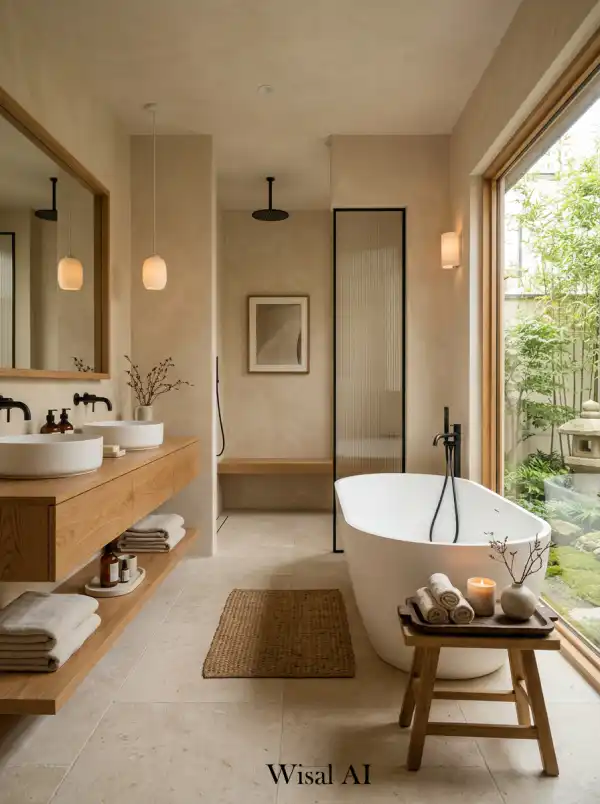
Natural wood is one of the most defining materials in Scandinavian design. It introduces warmth and texture into minimal spaces, preventing them from feeling cold or overly sterile. Light woods such as oak, ash, and birch are especially popular because they reflect the natural environment of Nordic regions. Wood is often used in flooring, furniture, and architectural details like wall panels or ceiling beams. Its organic grain adds subtle visual interest without overwhelming the simplicity of the space. When combined with neutral tones and soft lighting, wood creates a balanced atmosphere that feels both modern and natural. It brings a sense of comfort and authenticity that is essential to Scandinavian living.
3. Minimal Scandinavian Interior Furniture Layout
Furniture layout in Scandinavian interiors is based on functionality and openness. Every piece of furniture has a purpose, and unnecessary items are removed to maintain clarity and flow within the space. Rooms are usually arranged to support movement and natural light rather than crowding or filling every corner. This creates a feeling of spaciousness, even in smaller homes. Sofas, tables, and storage pieces are selected with clean lines and simple forms. The focus is on practicality, but without sacrificing comfort or aesthetics. This approach ensures that the space feels organized, breathable, and easy to live in.
4. Large Windows Scandinavian Interior Natural Light
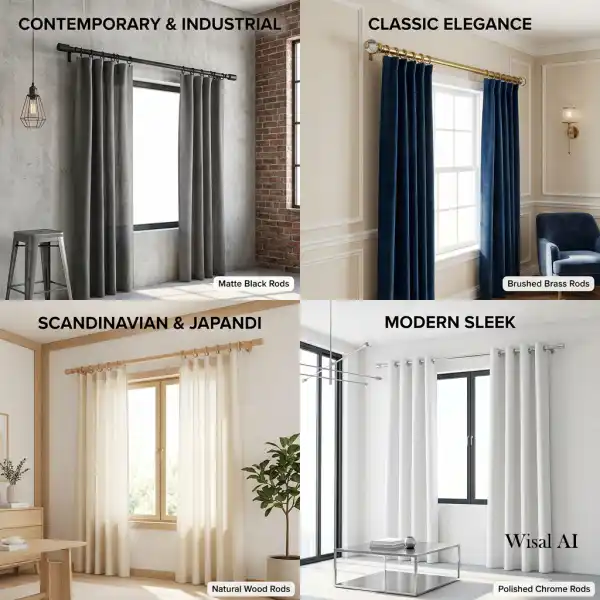
Natural light is a fundamental element of Scandinavian design due to the long, dark winters in Nordic countries. Homes are designed to maximize daylight as much as possible through large windows and minimal window coverings. Instead of heavy curtains, light fabrics or sheer materials are used to allow sunlight to flow freely into the room. This helps create a bright and uplifting atmosphere throughout the day. Furniture placement is also carefully considered so that it does not block light paths. The goal is to let natural light become part of the interior design itself.
5. Cozy Scandinavian Interior Textiles Layering
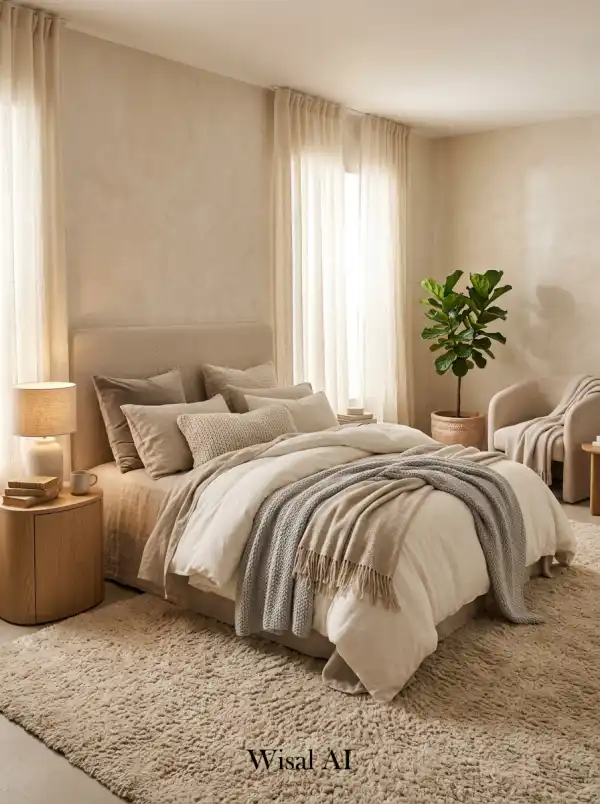
Textiles play a major role in adding warmth to Scandinavian interiors. Since the base design is minimal, soft fabrics help introduce comfort and visual softness. Materials like wool, linen, cotton, and knitted fabrics are commonly used in throws, cushions, and rugs. These layers create a cozy and inviting atmosphere without adding clutter. The key is balance enough texture to make the space feel warm, but not so much that it becomes visually heavy. This layering effect is what transforms minimal spaces into comfortable homes.
6. Functional Scandinavian Interior Storage Solutions
Storage is a critical part of Scandinavian design because clutter directly contradicts the idea of calm living. Built-in storage solutions are often used to keep spaces clean and organized. Cabinets and wardrobes are designed to blend seamlessly into the architecture, often using the same color as the walls to make them visually disappear. This allows everyday items to be hidden, maintaining a clean and minimalist environment. The result is a home that feels structured, functional, and peaceful.
7. Scandinavian Interior Minimal Wall Art
Wall art in Scandinavian homes is used sparingly and intentionally. Instead of filling walls with multiple decorations, one or two carefully chosen pieces are enough. Abstract art, black-and-white photography, or nature-inspired prints are commonly used to maintain the calm aesthetic. Frames are usually simple and minimal, ensuring that the artwork blends into the space rather than dominating it.
8. Warm Lighting Scandinavian Interior Design
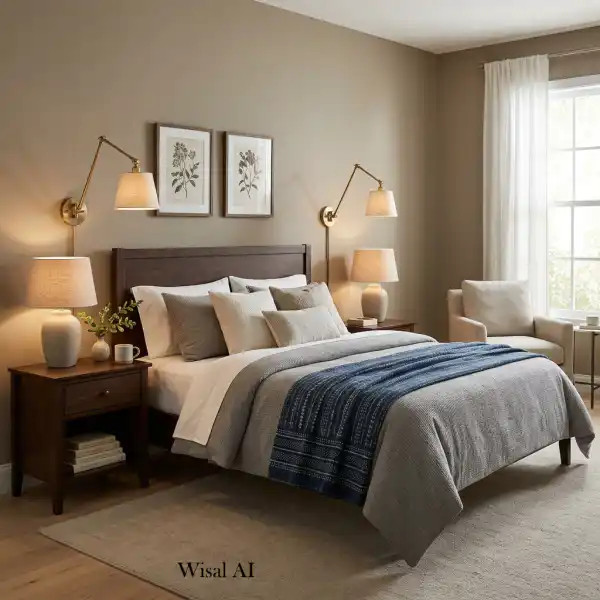
Lighting in Scandinavian interiors is designed to create warmth and atmosphere rather than brightness alone. Multiple light sources are used instead of a single overhead fixture. Floor lamps, table lamps, and wall lights help build a layered lighting effect that makes the space feel cozy during evenings. Warm-toned bulbs are preferred because they soften the overall look and enhance the natural materials in the room.
9. Simple Scandinavian Interior Furniture Shapes
Furniture in Scandinavian design follows simple geometric forms with soft edges and functional proportions. The goal is to avoid unnecessary complexity. Sofas are often low-profile and comfortable, while tables and chairs maintain clean silhouettes. This simplicity helps maintain visual harmony throughout the space.
10. Nature Inspired Scandinavian Interior Elements
Bringing nature indoors is a key principle of Scandinavian design. Indoor plants, natural stone, and organic textures help connect the home to the outside world. These elements add freshness and life to minimal interiors without disrupting the calm aesthetic.
11. Scandinavian Interior Open Space Planning
Open space planning is a core principle in Scandinavian interiors because it creates a natural sense of flow and freedom inside the home. Instead of dividing rooms with unnecessary walls or heavy partitions, the design focuses on connected spaces that feel airy and flexible. This approach allows natural light to travel freely across the home, making every corner feel brighter and more open. It also improves functionality, especially in smaller homes or apartments where maximizing space is essential. Furniture is used strategically to define areas instead of walls. For example, a sofa might separate the living and dining area visually without blocking movement. This creates structure without losing openness. The result is a home that feels unified, practical, and calm where every zone flows naturally into the next without visual interruption.
12. Scandinavian Interior Soft Minimal Kitchen Integration
In Scandinavian homes, the kitchen is not treated as a separate decorative space, but as a natural extension of the living environment. The design is minimal, functional, and visually calm, with a strong focus on clean surfaces and hidden storage. Cabinets are often handle-less and designed in neutral tones to blend seamlessly into the overall interior. Appliances are integrated to avoid visual clutter, maintaining a smooth and uninterrupted look. Materials like light wood, matte finishes, and stone countertops are commonly used to bring warmth and durability without compromising simplicity. This approach creates a kitchen that feels organized, modern, and deeply connected to the rest of the home rather than standing apart from it.
13. Scandinavian Interior Cozy Reading Corners
Cozy reading corners are a signature feature in Scandinavian homes because they reflect the culture’s emphasis on comfort and slow living. These spaces are usually small, quiet areas designed for relaxation and personal time. A comfortable chair, a soft throw blanket, and warm lighting are often enough to create this atmosphere. The design is intentionally simple, focusing more on comfort than decoration. Natural light is also an important element, so these corners are often placed near windows to create a calm and inviting environment during the day. The result is a personal retreat within the home a space that encourages stillness, reading, and mental relaxation.
14. Scandinavian Interior Muted Color Accents
While Scandinavian design is known for its neutral base, muted color accents are used to add subtle personality without disrupting the calm atmosphere. These tones are never loud or saturated, but instead soft and natural. Colors like dusty blue, sage green, warm terracotta, and soft beige variations are commonly introduced through cushions, artwork, or small décor elements. The key is restraint color is used sparingly to avoid visual overload. It acts as a gentle enhancement rather than a focal point. This approach keeps the home visually balanced while still allowing small expressions of personality and warmth.
15. Scandinavian Interior Functional Minimal Decor
Decor in Scandinavian interiors is always functional or meaningful. Instead of filling shelves and tables with unnecessary objects, every piece serves a purpose or contributes to the atmosphere of the space. Ceramic vases, wooden trays, books, and simple sculptures are commonly used, but always in limited quantities. The idea is to avoid clutter and maintain visual clarity. Each decorative object is carefully selected for its material, shape, and emotional presence within the room. This ensures that the space feels curated rather than decorated calm, intentional, and easy to live in.
16. Scandinavian Interior Natural Material Balance
A balanced use of natural materials is essential in Scandinavian design. Wood, stone, wool, linen, and leather are often combined in a subtle and controlled way to create depth and warmth. The goal is not to overwhelm the space with texture, but to layer materials gently so they complement each other. For example, a wooden floor might be paired with a linen sofa and a wool rug. This combination creates a sensory richness that feels natural and grounded without disrupting the minimalist aesthetic. It also strengthens the connection between indoor and outdoor environments, which is a key principle of Scandinavian living.
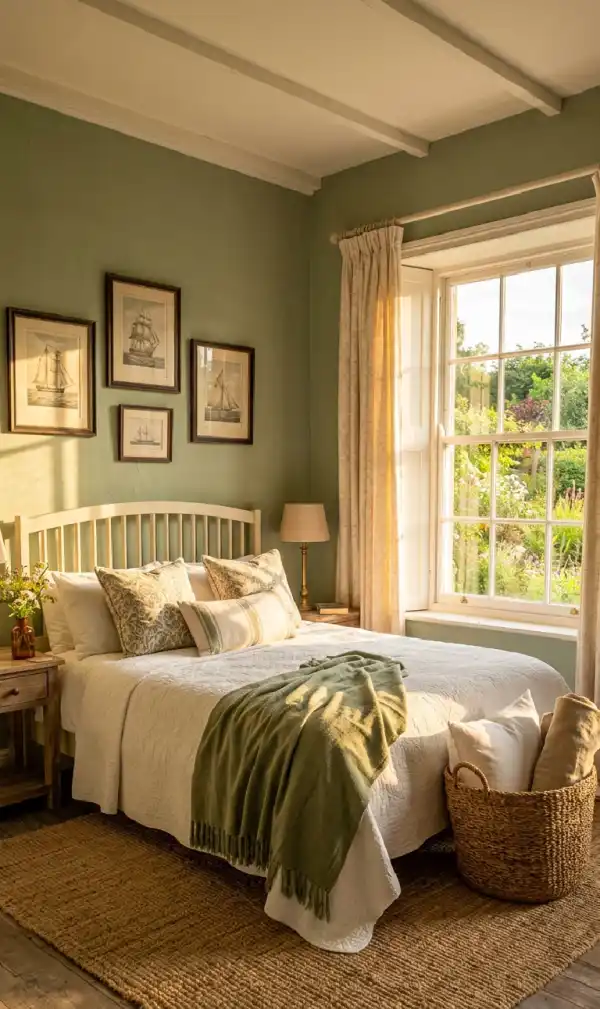
17. Scandinavian Interior Simple Bedroom Continuity
In Scandinavian homes, design continuity between rooms is very important. Bedrooms often follow the same color palette and material language as the rest of the home to maintain harmony. This creates a smooth visual transition from one space to another, reinforcing the feeling of unity throughout the home. Bedrooms are kept simple, with minimal furniture, soft lighting, and natural textures that promote relaxation and rest. The result is a consistent and calming home environment where every room feels connected.
18. Scandinavian Interior Minimal Hallway Design
Hallways in Scandinavian homes are designed with the same minimal philosophy as the main living spaces. Instead of being overlooked or over-decorated, they are kept clean, functional, and visually light. Storage is often integrated into walls, and décor is kept to a minimum to avoid narrow or cluttered feelings. Good lighting is essential in these areas to maintain brightness and openness. This approach ensures that even transitional spaces contribute to the overall calm atmosphere of the home.
19. Scandinavian Interior Organic Shape Furniture
Organic shapes are increasingly important in modern Scandinavian interiors because they soften the strictness of minimal design. Rounded edges, curved sofas, and fluid furniture silhouettes introduce a sense of comfort and movement. These shapes feel more natural and less rigid, making the space feel more inviting and relaxed. They also help break the monotony of straight lines often found in minimalist interiors. The result is a balanced environment where structure and softness coexist harmoniously.
20. Scandinavian Interior Timeless Simplicity Concept
At the heart of Scandinavian design is the idea of timeless simplicity. Instead of following fast-changing trends, the focus is on creating interiors that remain beautiful and functional for many years. This is achieved through neutral palettes, durable materials, and a design approach that prioritizes clarity over complexity. Every element in the home is chosen with intention, ensuring that the space feels meaningful and long-lasting. The result is a home that does not age quickly it evolves naturally over time while maintaining its calm and elegant identity.
Conclusion
Scandinavian interior design is more than just a visual style it is a lifestyle philosophy built around simplicity, functionality, and emotional comfort. What makes it so powerful is its ability to create homes that feel both minimal and warm at the same time, without relying on excess decoration or complicated design elements. Through the careful use of natural materials, soft neutral colors, open layouts, and thoughtful lighting, Scandinavian interiors achieve a rare balance between practicality and beauty. Every element in the space has a purpose, and nothing is added without intention. This design approach also has a timeless quality. Instead of chasing trends that quickly fade, Scandinavian interiors focus on long-lasting simplicity that remains relevant for years. The result is a home that feels calm, organized, and deeply connected to everyday life. Ultimately, Scandinavian design teaches us that true luxury is not about how much you add to a space, but how much clarity, comfort, and peace you can create within it.
FAQ
1.What defines Scandinavian interior design?
Scandinavian interior design is defined by minimalism, natural materials, soft neutral colors, functional layouts, and a strong focus on comfort and natural light. It combines simplicity with warmth to create livable, calming spaces.
2.Is Scandinavian design expensive to achieve?
Not necessarily. While high-quality materials are often used, the style itself focuses more on simplicity and intentional design rather than expensive furniture. Even affordable pieces can work if the overall aesthetic is clean and cohesive.
3.What colors are best for Scandinavian interiors?
The most common colors include warm white, beige, light grey, taupe, and muted earth tones. These shades help create a soft, bright, and natural atmosphere.
4.Can Scandinavian design work in small apartments?
Yes, it is actually one of the best styles for small spaces because it uses minimal furniture, light colors, and smart storage solutions that make rooms feel larger and more open.
5.What materials are essential in Scandinavian homes?
Natural wood, linen, wool, cotton, stone, and leather are key materials. They add warmth and texture while maintaining a simple and natural look.
6.How do I make a Scandinavian home feel cozy?
Add layered textiles like rugs, blankets, and cushions, use warm lighting instead of harsh white light, and incorporate natural elements like wood and plants.
7.What is the difference between minimalism and Scandinavian design?
Minimalism can sometimes feel cold or empty, while Scandinavian design adds warmth through textures, natural materials, and cozy elements while still maintaining simplicity.
Why is natural light so important in Scandinavian interiors?
Because Nordic countries experience long winters, natural light is essential for creating bright, uplifting interiors that improve mood and reduce the feeling of darkness indoors.
Can I mix Scandinavian design with other styles?
Yes, it blends well with Japandi, modern minimalism, and even some industrial elements as long as the overall palette and simplicity are maintained.
What makes Scandinavian interiors timeless?
Their reliance on neutral colors, natural materials, and functional layouts ensures they don’t rely on trends, making them visually and emotionally relevant for many years.