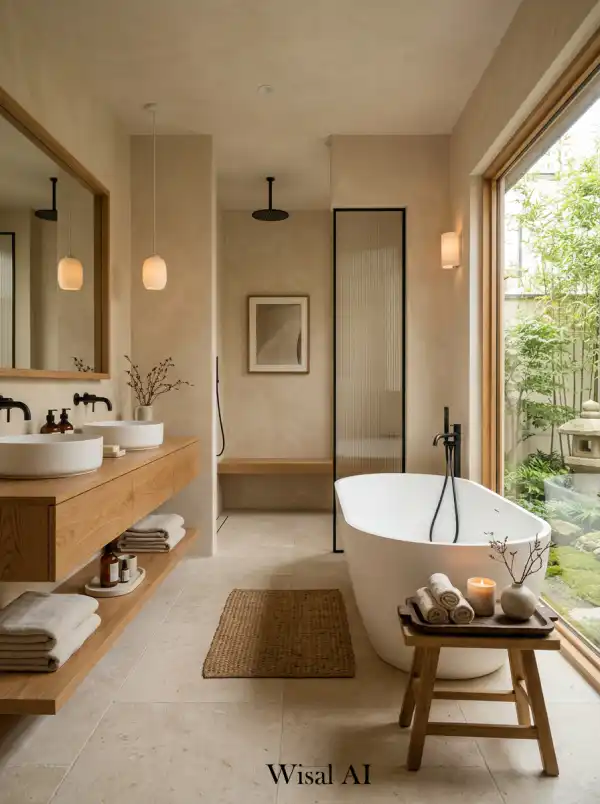
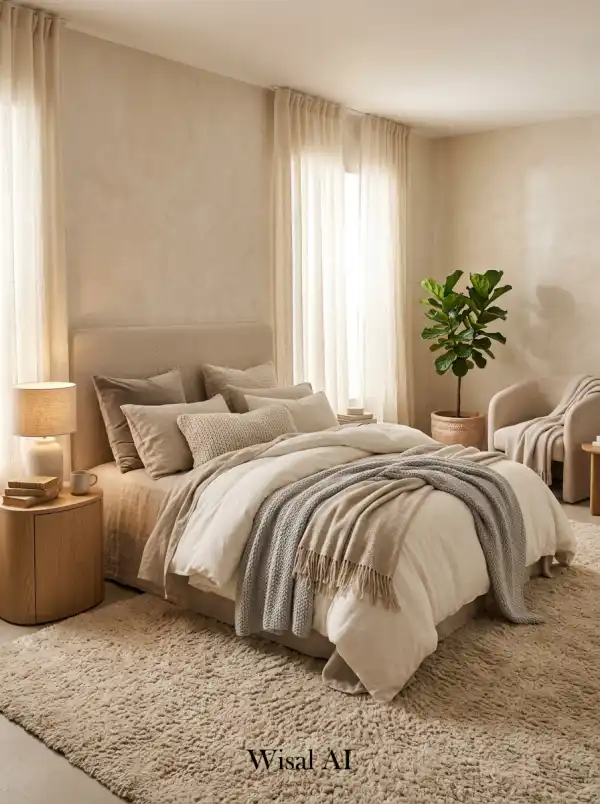
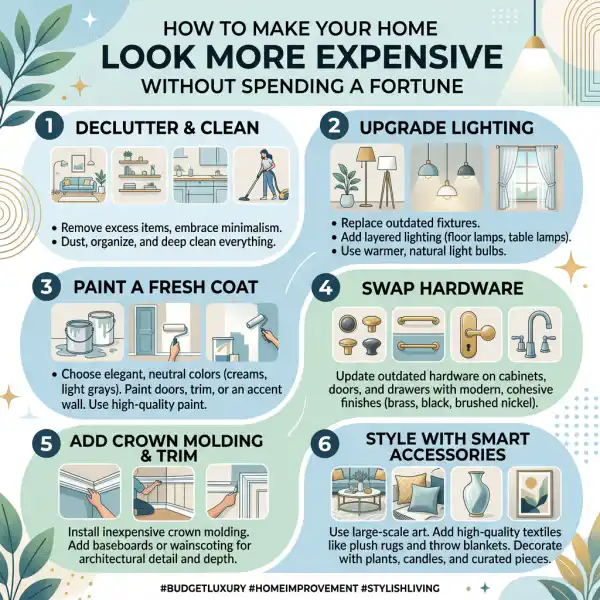
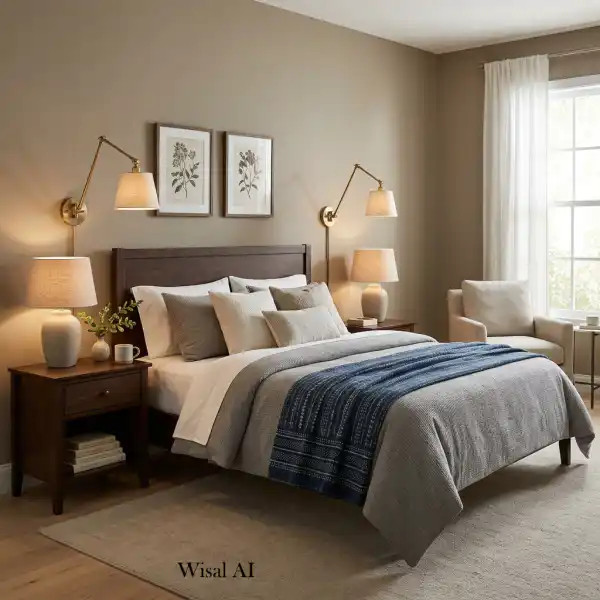
Beige bathrooms have become one of the most timeless and calming design trends in modern interiors. The reason behind their popularity is simple: beige is a naturally warm, neutral tone that creates a sense of comfort, softness, and understated luxury. Unlike stark white or dark dramatic bathrooms, beige strikes a perfect balance between brightness and warmth. It does not overwhelm the space, yet it adds enough depth to make the bathroom feel inviting and elegant. This makes it ideal for creating a spa-like environment at home. In 2026, bathroom design is shifting toward emotional comfort rather than visual complexity. People want spaces that feel peaceful, natural, and easy on the eyes. Beige fits perfectly into this philosophy because it blends seamlessly with materials like wood, stone, marble, and soft lighting. In this guide, we will explore 20 Beige Bathroom Ideas for a Warm Minimal Spa Look, each designed to help you create a bathroom that feels relaxing, timeless, and beautifully balanced.
1. Full Beige Monochrome Bathroom for Soft Harmony
A full beige monochrome bathroom creates an immersive and deeply calming environment where all surfaces blend into a single cohesive palette. Walls, flooring, and fixtures in varying beige tones produce a soft visual flow that feels natural and uninterrupted. This design eliminates harsh contrasts and instead focuses on tonal variation, which adds depth without visual noise. The result is a bathroom that feels warm, cohesive, and highly relaxing. It is especially effective in spa-inspired interiors where simplicity and emotional comfort are the main goals. Design Tips: Use multiple shades of beige for depth Keep finishes matte or softly textured Avoid strong contrasting colors Maintain visual continuity across surfaces Focus on calm, unified atmosphere
2. Beige Bathroom with White Marble Elegance
Beige paired with white marble creates one of the most elegant and timeless bathroom combinations. The warmth of beige balances the cool luxury of marble, resulting in a space that feels both sophisticated and inviting. The natural veining of marble adds movement and texture, while beige ensures the overall atmosphere remains soft and grounded. This combination is often used in luxury spa hotels due to its refined yet calming aesthetic. Design Tips: Use white or light grey marble surfaces Keep walls or cabinets in soft beige tones Avoid overly busy patterns Maintain minimal accessories Let marble act as focal material
3. Beige Bathroom with Natural Wood Warm Accents
Wood and beige naturally complement each other, creating a warm, organic, and earthy bathroom atmosphere. The softness of beige enhances the natural texture of wood, while wood adds depth and character to the neutral base. This combination is ideal for creating a spa-like retreat that feels grounded and connected to nature. It works especially well in Scandinavian and Japandi-inspired interiors. Design Tips: Use light oak or natural wood tones Combine with soft beige walls or tiles Avoid dark heavy wood finishes Keep design minimal and clean Add natural textures for warmth
4. Beige Shower Area with Subtle Textured Tiles
Using beige tiles with subtle texture in the shower area adds visual interest without disrupting the calm aesthetic of the bathroom. The texture catches light gently, creating depth and softness. This approach allows you to define the shower zone while maintaining an overall neutral and cohesive palette. It also enhances the spa-like feeling of the space. Design Tips: Use matte or stone-textured beige tiles Keep surrounding areas lighter or similar tone Avoid glossy or reflective finishes Maintain consistent color palette Focus on soft visual depth
5. Minimal Beige Bathroom with Floating Vanity Design
A floating vanity in beige tones creates a modern and lightweight visual effect. By lifting storage off the floor, the bathroom feels more spacious and less cluttered. This design enhances the minimalist aesthetic while keeping the space functional and clean. When combined with soft lighting, it creates a calm and airy spa-like environment. Design Tips: Use wall-mounted beige vanity Keep floor visible and uncluttered Pair with neutral countertops Use clean straight lines Avoid bulky storage units
6. Beige Bathroom with Soft Warm Lighting Atmosphere
Lighting plays a crucial role in how beige tones are perceived inside a bathroom. When soft warm lighting is introduced, beige instantly becomes richer, more inviting, and more spa-like. Instead of harsh white lighting, indirect warm lighting creates gentle shadows and soft reflections across beige surfaces. This enhances the natural warmth of the color and removes any coldness from the space. The result is a bathroom that feels calm, cozy, and emotionally relaxing—almost like a high-end wellness retreat where lighting is carefully designed to influence mood. Design Tips: Use warm white or soft amber lighting Add indirect LED strips or hidden lights Avoid harsh overhead lighting Highlight beige textures with light Create layered lighting zones
7. Beige Bathroom with Sand and Earth Tone Layers
Combining beige with sand and earthy tones creates a rich, natural palette that feels deeply grounded and organic. Instead of using a single shade, this approach introduces subtle variations in tone to add depth and visual softness. Sand tones bring a slightly golden warmth, while earthy hues add stability and balance. Together with beige, they form a natural environment that feels inspired by desert landscapes and calm nature scenes. This style is perfect for spa-inspired bathrooms where emotional comfort and natural harmony are the main goals. Design Tips: Layer different warm neutral tones Avoid sharp color contrasts Use natural matte finishes Keep textures soft and organic Maintain tonal consistency
8. Beige Bathroom with Stone Texture Walls
Stone textures bring a raw, natural element into beige bathrooms, making the space feel more grounded and authentic. Whether used in full walls or accent areas, stone adds depth and subtle variation that flat surfaces cannot achieve. When combined with beige, stone does not feel cold or industrial; instead, it becomes warm and organic. This makes the bathroom feel like a natural spa carved from soft earth materials. The texture also interacts beautifully with light, creating subtle shadows that change throughout the day. Design Tips: Use light or warm-toned stone finishes Combine with soft beige palette Avoid overly polished stone surfaces Keep design minimal and clean Highlight natural texture variation
9. Beige Bathroom with Black Accent Contrast Details
Introducing black accents into a beige bathroom creates a modern and controlled contrast that enhances structure without overpowering the warmth of the space. Black elements such as faucets, mirror frames, or lighting fixtures act as visual anchors that define the design. When balanced with beige, the result is sophisticated, clean, and slightly architectural. This combination is ideal for contemporary bathrooms that want a minimal but strong visual identity. Design Tips: Use black only in small accent elements Keep beige as dominant color Choose matte black finishes Avoid heavy dark coverage Maintain balance between soft and bold
10. Beige Bathroom with Open Minimal Space Design
An open layout design enhances the natural softness of beige by removing unnecessary visual barriers. When space feels open and uncluttered, beige tones become more breathable and calming. This approach focuses on simplicity, clean lines, and functional zoning rather than decorative complexity. Every element has space to “breathe,” which reinforces the spa-like feeling. It is especially effective in small bathrooms where openness directly impacts comfort and perception of size. Design Tips: Keep layout open and uncluttered Avoid unnecessary partitions Use minimal furniture and fixtures Maintain clear visual flow Focus on simplicity and space
11. Beige Bathroom with Full Height Large Format Tiles
Using large-format beige tiles from floor to ceiling creates a seamless and highly luxurious bathroom environment. The absence of visible grout lines makes the space feel cleaner, more continuous, and visually expanded. This design approach enhances the calmness of beige because it removes interruptions from the visual field. Instead of breaking the space into small sections, everything flows smoothly, giving a spa-like architectural finish. It works especially well in modern bathrooms where minimalism and simplicity are key design goals. Design Tips: Use large beige tiles with minimal grout lines Extend tiles from floor to ceiling Choose matte or soft stone finishes Avoid decorative interruptions Keep the design visually continuous
12. Beige Bathroom with Soft Curved Design Elements
Curved shapes introduce softness into beige bathrooms, balancing the neutral tones with organic flow. Instead of sharp edges and rigid geometry, curved vanities, mirrors, or bathtubs create a more natural and calming visual rhythm. This design feels less structured and more fluid, which enhances the relaxing spa-like atmosphere of the bathroom. Beige supports this softness by acting as a neutral, warm background that does not compete with the shapes. It is ideal for creating a gentle, emotional interior experience. Design Tips: Use curved mirrors or vanities Avoid sharp geometric dominance Keep beige tones soft and warm Focus on fluid visual movement Maintain minimal but expressive design
13. Beige Bathroom with Glass Shower Transparency
Glass shower enclosures help maintain openness while allowing beige tones to remain visible throughout the space. The transparency prevents visual blockage, making even small bathrooms feel larger and more connected. When combined with beige surfaces, the glass enhances light flow and creates a clean, airy aesthetic. This design keeps the shower area functional without disrupting the overall visual harmony. It is especially effective in modern spa-style bathrooms where openness and simplicity are essential. Design Tips: Use frameless or minimal glass panels Keep shower design visually light Maintain consistent beige tones inside/outside Avoid heavy framing or divisions Enhance natural light flow
14. Beige Bathroom with Subtle Metallic Warm Accents
Adding subtle metallic accents—such as brushed gold or champagne finishes—brings a refined sense of luxury to beige bathrooms. These warm metals complement beige perfectly because they share similar undertones. Unlike high-contrast black details, metallic accents blend softly into the palette while still adding elegance and depth. They are best used sparingly to maintain the minimalist spa feel. This combination creates a bathroom that feels both calm and slightly luxurious. Design Tips: Use brushed gold or champagne finishes Keep metallic details minimal Pair with soft beige background Avoid shiny or reflective metals Maintain elegant restraint
15. Beige Bathroom with Layered Textures for Depth
Instead of relying on color contrast, this design focuses on layering different textures within the same beige palette. Materials like matte plaster, linen textiles, stone surfaces, and soft ceramics create visual richness without breaking the calm mood. This approach allows beige to remain dominant while still avoiding a flat or boring appearance. The textures interact with light differently, creating subtle variations that make the space feel more dynamic. It is one of the most effective techniques for achieving a high-end spa aesthetic. Design Tips: Mix stone, fabric, and matte finishes Keep color palette strictly neutral beige Avoid glossy or reflective materials Focus on tactile variation Maintain soft visual harmony
16. Beige Bathroom with Natural Wood Ceiling Warmth
Adding a natural wood ceiling to a beige bathroom instantly changes the emotional temperature of the space. The warmth of wood above creates a cozy, enveloping feeling that contrasts beautifully with the soft neutrality of beige below. This combination feels inspired by Scandinavian and Japanese spa design, where natural materials are used to create calm, grounded environments. Beige acts as a soft foundation, while wood introduces organic warmth and texture from above. The result is a bathroom that feels like a private wellness retreat, where every surface contributes to comfort and relaxation. Design Tips: Use light or medium natural wood tones Keep walls in soft beige shades Avoid dark or heavy wood finishes Maintain simple ceiling structure Use warm ambient lighting
17. Beige Bathroom with Minimal Floating Storage Design
Floating storage elements create a sense of lightness and modern simplicity in beige bathrooms. By lifting cabinets and vanities off the floor, the space feels more open, breathable, and less visually heavy. When combined with beige tones, this design enhances minimalism without losing warmth. The empty floor space below floating units also makes cleaning easier and improves the perception of space, especially in small bathrooms. This style is ideal for modern apartments where functionality and aesthetics need to work together seamlessly. Design Tips: Use wall-mounted floating vanities Keep floor area visible and uncluttered Maintain soft beige color palette Use clean straight lines Avoid bulky storage units
18. Beige Bathroom with Soft Ambient Spa Lighting Layers
Lighting in a beige bathroom should always enhance warmth rather than overpower it. Layered ambient lighting creates depth and mood by combining different light sources at various levels. Soft ceiling lights, hidden LED strips, and gentle mirror lighting work together to eliminate harsh shadows and highlight beige textures. This creates a spa-like atmosphere that feels calm, controlled, and emotionally relaxing. The key is subtlety—lighting should be felt more than noticed. Design Tips: Use layered indirect lighting sources Avoid harsh white overhead lights Add hidden LED accents Highlight textures gently Focus on warm light temperature
19. Beige Bathroom with Elegant Minimal Hotel Style Design
A hotel-inspired beige bathroom focuses on simplicity, order, and refined luxury. Everything is intentionally minimal, from fixtures to accessories, creating a clean and organized environment. Beige plays a central role by softening the overall aesthetic and making the space feel welcoming rather than sterile. Combined with high-quality materials and precise detailing, the result is a bathroom that feels like a five-star hotel suite. This design is perfect for people who want everyday luxury without visual clutter. Design Tips: Keep design strictly minimal Use high-quality beige materials Avoid unnecessary decoration Maintain symmetry and balance Focus on clean hotel-like finish
20. Full Beige Spa-Inspired Luxury Bathroom Retreat
The final concept brings everything together into a complete spa-like sanctuary. A full beige bathroom is designed not just for function, but for emotional restoration and daily relaxation. Multiple shades of beige are layered across surfaces, combined with soft lighting, natural materials, and minimal furniture to create a unified calming environment. The space feels warm, quiet, and deeply comforting. This type of bathroom transforms daily routines into a peaceful ritual, making it feel like a private wellness retreat inside your home. Design Tips: Use layered beige tones across all surfaces Combine with natural wood or stone accents Keep lighting soft and indirect Maintain minimal furniture layout Focus on emotional calm and comfort
Conclusion
Beige bathrooms are a perfect example of how simplicity can feel luxurious when it is designed with intention. This color does not rely on bold contrast or dramatic statements instead, it works quietly in the background to create warmth, balance, and emotional comfort. What makes beige so powerful in bathroom design is its versatility. It adapts effortlessly to different materials like wood, marble, stone, and metal, allowing you to build a space that feels both modern and timeless at the same time. Whether used in a full monochrome palette or combined with soft textures and lighting, beige consistently delivers a calming, spa-like atmosphere. Across all 20 ideas, one clear principle stands out: the best beige bathrooms are not the most decorated, but the most thoughtfully balanced. Every element color, texture, lighting, and layout works together to reduce visual noise and enhance relaxation. In the end, a beige bathroom is not just a design choice. It is a lifestyle statement that prioritizes calmness, comfort, and everyday wellness. It transforms a simple daily routine into a peaceful moment of escape, making your home feel more like a personal retreat.
FAQ
1. Is beige a good color for bathrooms?
Yes, beige is one of the best bathroom colors because it creates a warm, calming, and timeless atmosphere that works in both modern and classic designs.
2. Does a beige bathroom look boring?
No, a beige bathroom only looks boring if it is flat and untextured. When layered with materials like wood, stone, marble, and lighting, it becomes rich and elegant.
3. What colors go best with beige in a bathroom?
Beige pairs beautifully with white, soft grey, warm wood tones, black accents, brushed gold, and natural stone finishes.
4. Is beige suitable for small bathrooms?
Yes, beige works very well in small bathrooms because it reflects warmth and makes the space feel more open and comfortable without harsh contrast.
5. How do I make a beige bathroom look luxurious?
You can elevate a beige bathroom by using layered lighting, high-quality materials (like marble or stone), minimal design, and subtle metallic accents.
6. What lighting works best for beige bathrooms?
Warm white or soft amber lighting works best because it enhances the natural warmth of beige and creates a spa-like relaxing mood.