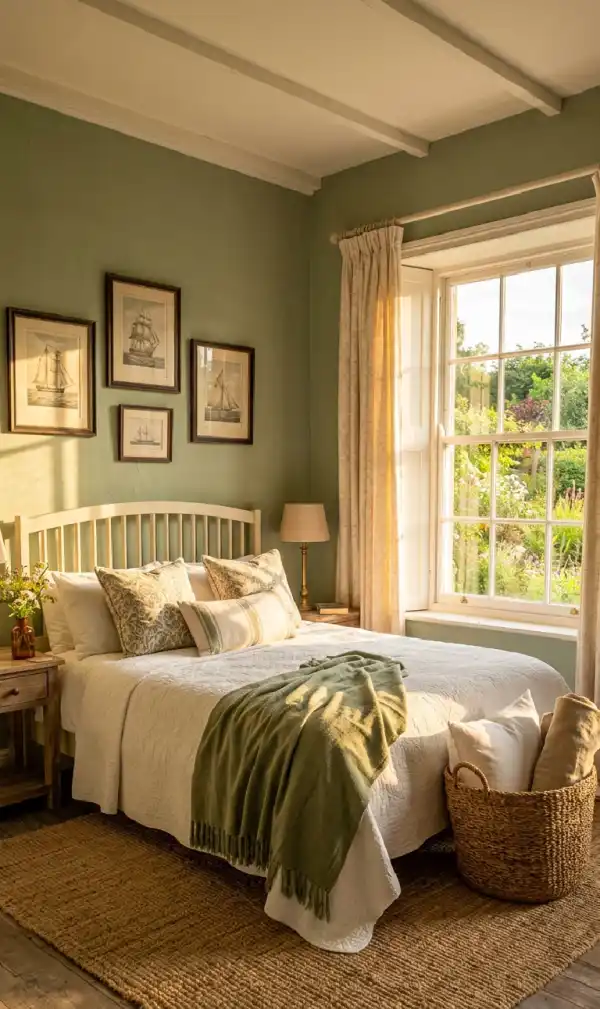
Minimalism has a reputation problem.
For a lot of people, it means empty spaces, cold white walls, and a bedroom that feels more like a showroom than somewhere you’d actually want to relax in. And to be fair, that happens when minimalism is reduced to “less stuff” instead of “better decisions.”
But when you approach it like a designer—or even better, like an architect—everything changes. Warm minimalism is not about removing things. It’s about refining them. It’s about choosing materials that feel good, lighting that softens the space, and layouts that make the room feel calm without feeling empty. In this guide, I’ll walk you through 18 ideas that prove minimalism doesn’t have to feel coldit can feel deeply comfortable, grounded, and human.
1. Wood-Layered Warm Minimal Bedroom
When I want to bring instant warmth into a space without adding clutter, I start with wood—and not just one element, but layers of it. A wooden headboard, subtle wall paneling, maybe a bench or side table. These layers create a quiet richness that you don’t notice immediately, but you definitely feel.
Tip: Stick to one or two wood tones maximum. Too many variations will break the calm feeling and make the space look busy instead of minimal.
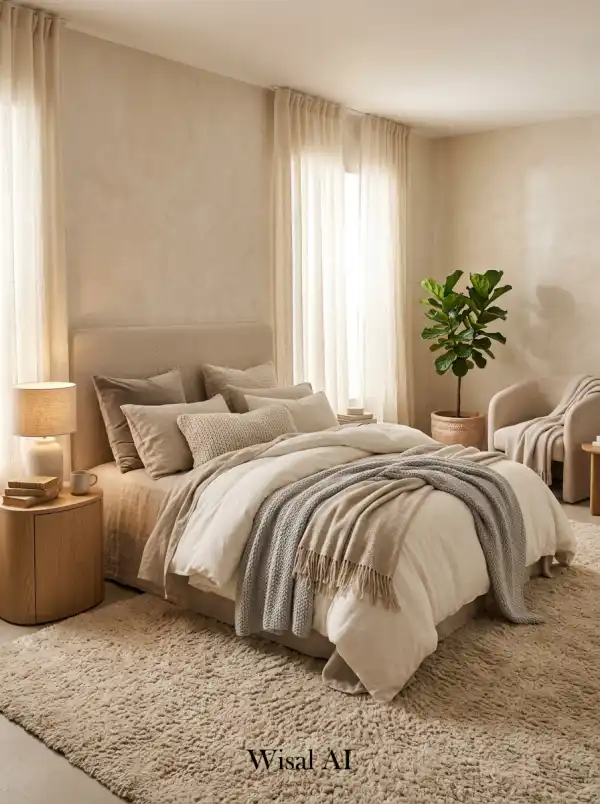
2. Soft Beige Cocoon Bedroom
This is what I call a “cocoon” bedroom. Everything sits within a soft beige palette—walls, bedding, curtains—creating a wrapped, protected feeling. There’s no sharp contrast, just a continuous, calming flow.
Tip: The key here is texture. Mix linen, wool, and cotton so the room doesn’t feel flat or lifeless.
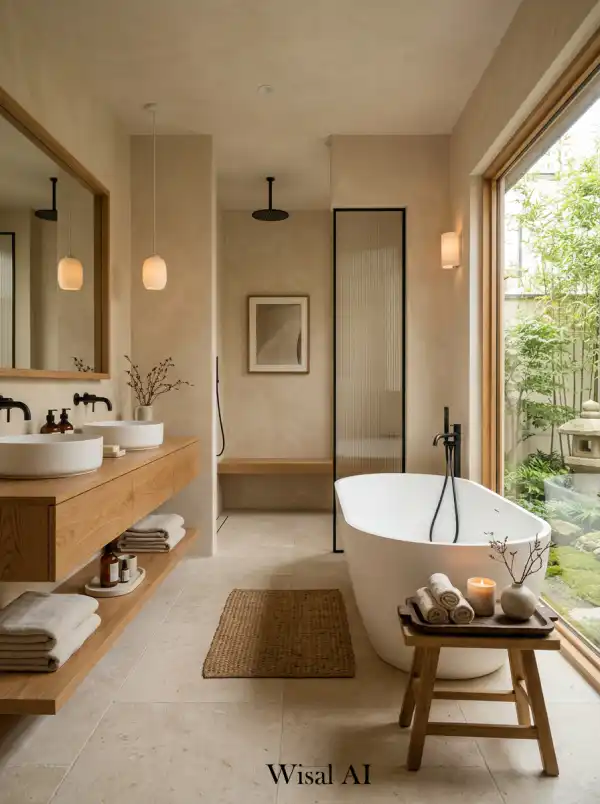
3. Japandi Warm Minimal Bedroom
Japandi is one of the most balanced styles out there. It combines the simplicity of Japanese design with the warmth of Scandinavian interiors. The result is a space that feels minimal, but never empty.
Tip: Keep furniture low and grounded. This helps the room feel more stable and relaxed.
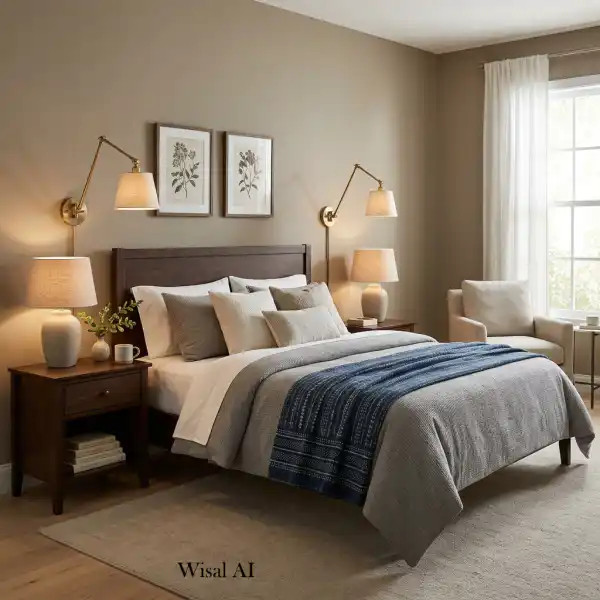
4. Warm Minimal Bedroom with Ambient Lighting
Lighting can completely change how a room feels. Even a simple bedroom can feel incredibly cozy if the lighting is layered and warm. Instead of relying on one overhead light, think in layers—lamps, wall lights, hidden LEDs.
Tip: Avoid harsh white lighting completely. Always go for warm light, and try to have more than one light source.
5. Linen-Layered Minimal Bedroom
Linen brings a natural softness that you can’t fake. It’s slightly wrinkled, imperfect, and that’s exactly what makes it feel warm and lived-in. Tip: Don’t over-style your bed. Let the linen fall naturally—it should feel relaxed, not staged.
6. Earth Tone Minimal Bedroom
Earth tones have a grounding effect that’s hard to replicate. Soft browns, clay, muted greens—they make the room feel stable and calm, almost like it’s connected to nature. Tip: Layer different earth tones instead of using just one shade. That’s what creates depth without adding clutter.
7. Warm White Soft Minimal Space
White doesn’t have to feel cold. The difference is in the undertone. Warm whites and creamy shades can feel soft and inviting, especially when paired with the right lighting. Tip: Always test your white paint with warm lighting. The same color can feel completely different depending on the light.
8. Minimal Bedroom with Textured Wall
If you want to add interest without adding objects, focus on one wall. A textured wall—whether it’s plaster, wood, or subtle paint variation—can give the room depth without breaking its simplicity.
Tip: Let that wall be the feature. Don’t compete with it using too many decorations.
9. Small Warm Minimal Bedroom
Small bedrooms actually benefit the most from warm minimalism. When everything is intentional, the space feels intimate instead of cramped.
Tip: Use furniture that serves more than one purpose, and keep the floor as open as possible to create breathing space.
10. Cozy Minimal Bedroom with Layered Rugs
Layering rugs is one of the simplest ways to make a room feel warmer instantly. It softens the floor and adds a subtle sense of comfort.
Tip: Stay within the same color palette. The goal is layering, not contrast.
11. Warm Minimal Bedroom with Soft Curtains
Curtains are often overlooked, but they can completely change the atmosphere. Soft, flowing fabrics help diffuse light and make the space feel calmer. Tip: Choose light fabrics that move slightly with air—it adds life to the room.
12. Natural Light Focused Bedroom
Natural light is one of the most powerful elements in any design. When used correctly, it can define the entire mood of the space. Tip: Don’t block your windows with heavy curtains. Let the light do the work.
13. Minimal Bedroom with Warm Art
You don’t need a lot of decor. One well-chosen artwork with warm tones can add personality without overwhelming the space. Tip: Keep it simple and make sure it complements your color palette.
14. Compact Cozy Layout
Sometimes warmth comes from how things are arranged. A compact layout—where elements are closer together—creates a sense of intimacy and connection. Tip: Avoid unnecessary empty gaps between furniture pieces.
15. Neutral + Wood Balance Bedroom
The balance between neutral tones and wood is where warmth really comes to life. Too much of either can feel off—the key is balance. Tip: Use wood as an accent, not the main theme.
16. Warm Minimal Bedroom with Soft Headboard
A soft upholstered headboard instantly makes the bed feel more inviting. It adds both visual and physical comfort.
Tip: Choose a neutral tone that blends seamlessly with the rest of the room.
17. Ambient Night-Focused Bedroom
Some bedrooms are designed for daylight. Others are designed for how they feel at night. This one focuses entirely on creating a calm, cozy atmosphere after sunset. Tip: Use dimmable lighting and avoid anything too bright or direct.
18. Hotel-Style Warm Minimal Bedroom
Think of a well-designed hotel room—nothing excessive, but everything feels right. Clean, calm, and comfortable without trying too hard. Tip: Invest in high-quality bedding. It makes a bigger difference than almost anything else.
Conclusion
Warm minimalism isn’t about doing less—it’s about doing things with intention. Every choice you make, from materials to lighting, shapes how the space feels. And when everything is considered carefully, the result isn’t just a minimal bedroom—it’s a space that feels calm, warm, and genuinely comfortable.
FAQ
Is warm minimalism good for small spaces?
Yes, it’s actually one of the best approaches because it keeps things simple while still feeling cozy.
What colors should I use?
Warm neutrals like beige, cream, soft browns, and muted earth tones.
How do I avoid a cold look?
Focus on texture, lighting, and natural materials—not just color.
Can I apply this style on a budget?
Absolutely. Start with textiles and lighting—they make the biggest impact.