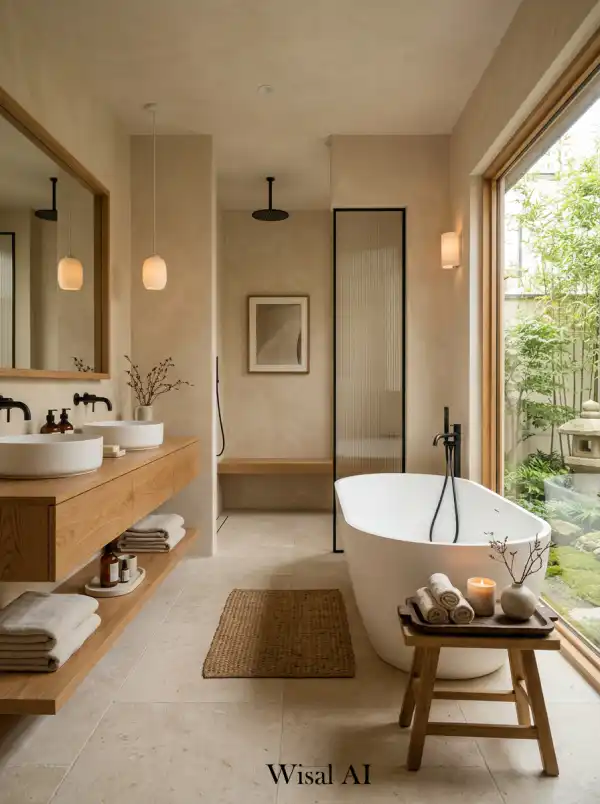
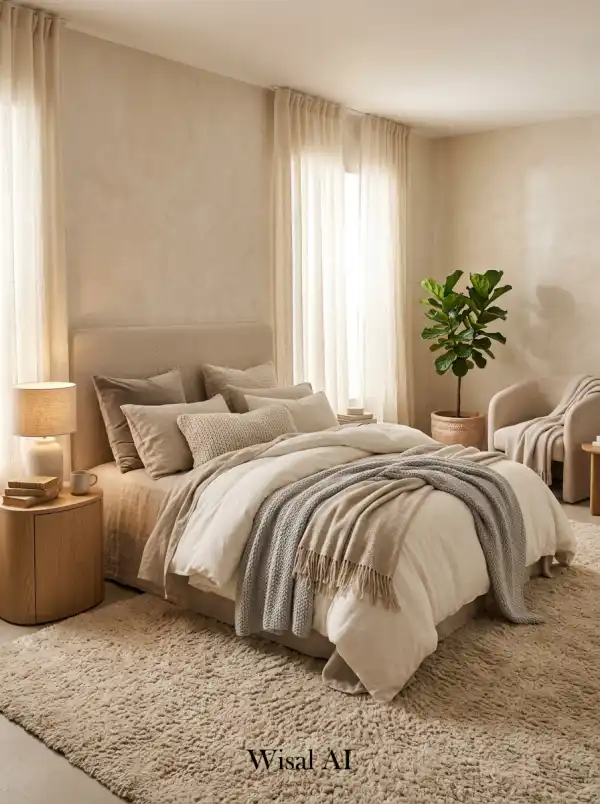
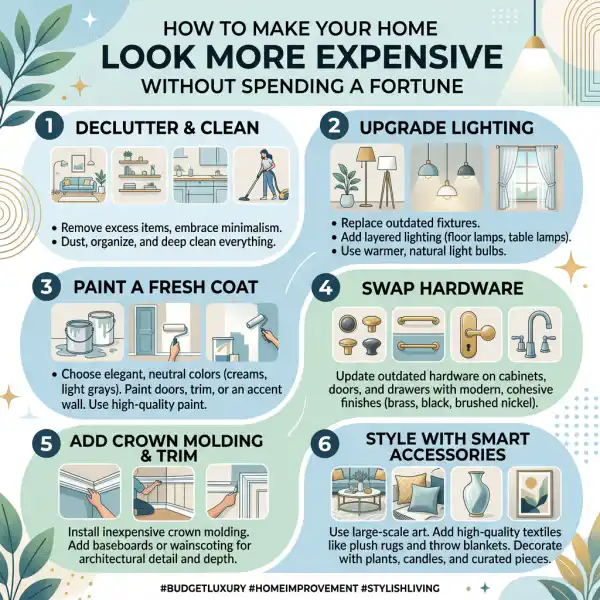
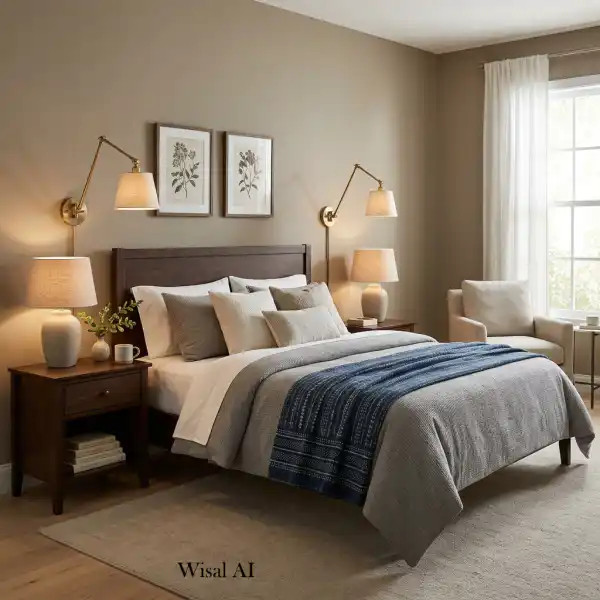
Forget everything you’ve been told about bright, white, and airy interiors. True luxury doesn’t come from lightness — it comes from depth. Moody Minimalist design is not about making spaces dark. It’s about making them intentional, layered, and emotionally rich. Instead of empty brightness, you get atmosphere. Instead of visual noise, you get calm control. Using deep tones like charcoal, navy, and forest green — paired with warm lighting and natural textures — this style creates spaces that feel both grounded and sophisticated. This guide breaks down 25 key ideas that define moody minimalist luxury interiors
1–5: The Foundation of Mood 1. Embrace Dark Walls Dark tones like charcoal, navy, and deep green create depth and intimacy. 2. Use Minimal Color Palettes Stick to 2–3 dominant tones to keep the space visually calm. 3. Prioritize Texture Over Color Linen, wood, stone, and leather matter more than decoration. 4. Control Natural Light Moody interiors are not bright — they are balanced. 5. Create Negative Space Empty areas are part of the design, not something to fix.
6–10: Materials That Define Luxury 6. Use Natural Wood Raw or smoked wood adds warmth against dark tones. 7. Add Leather Accents Cognac or deep brown leather introduces richness. 8. Mix Matte Finishes Avoid gloss — matte surfaces absorb light beautifully. 9. Layer Soft Fabrics Heavy linen, wool, and cotton create comfort and depth. 10. Introduce Stone Elements Stone adds permanence and architectural weight.
11–15: Lighting as Atmosphere 11. Use Warm Lighting Only Keep everything between 1800K–2700K. 12. Layer Light Sources Never rely on a single ceiling light. 13. Add Hidden Lighting LED strips behind furniture or ceilings create glow, not glare. 14. Use Table Lamps Instead of Overhead Low light feels more intimate and human. 15. Add Candlelight for Movement Flicker introduces life into static interiors.
16–20: Spatial Design Principles 16. Keep Furniture Low and Grounded Low profiles make ceilings feel higher. 17. Avoid Overcrowding Every object must justify its presence. 18. Focus on Balance, Not Symmetry Imperfection makes the space feel natural. 19. Let Shadows Exist Not every corner needs to be lit. 20. Design for Silence A good space reduces visual noise, not adds to it.
21–25: Emotional Design Layer 21. Design for Feeling, Not Trend Mood matters more than style labels. 22. Create Contrast, Not Chaos Dark + warm + soft = harmony. 23. Let Materials Age Naturally Patina adds authenticity over time. 24. Make Light Part of Architecture Lighting should shape the space, not sit inside it. 25. Build Atmosphere First, Decoration Last If the mood is right, decoration becomes secondary.
Conclusion
Moody minimalist design is not about darkness. It is about control, restraint, and emotional depth. When done right, a dark interior doesn’t feel heavy — it feels safe, calm, and deeply personal. Luxury is not brightness. Luxury is atmosphere.
Final Thought
Which of these ideas resonates most with you? Are you ready to move beyond bright minimalism into something deeper?