A small bedroom doesn't have to feel cramped or restrictive. In fact, some of the most beautiful bedrooms are surprisingly compact, yet they feel open, relaxing, and effortlessly elegant. The difference rarely comes from knocking down walls or investing in expensive renovations. Instead, it's the result of thoughtful design choices that maximize every inch of available space while creating a calm and uncluttered atmosphere. Professional interior designers understand that visual space is just as important as physical space. They use light, proportion, color, furniture placement, and carefully selected materials to make rooms appear larger than they really are. A well-designed bedroom can feel bright, airy, and luxurious even if its actual square footage is limited. Many homeowners assume that creating a more spacious bedroom requires major remodeling projects, custom-built furniture, or costly upgrades. Fortunately, that's not the case. Simple adjustments—such as choosing the right bed frame, using larger mirrors, improving lighting, reducing clutter, or selecting better curtains—can dramatically transform how a bedroom looks and feels without changing its footprint. The goal isn't simply to make the room look bigger. It's to create a bedroom that feels peaceful, comfortable, and easy to live in every day. When every piece has a purpose and every design element works together, even a modest-sized bedroom becomes a retreat where you can truly relax. In this guide, you'll discover 15 practical ways to make a bedroom feel more spacious without renovating. These designer-approved ideas combine functionality with timeless style, helping you create a bedroom that feels brighter, more open, and more enjoyable no construction required.
1. Choose Furniture That Fits the Room
One of the biggest reasons a bedroom feels small is furniture that overwhelms the available space. A king-size bed in a compact room or oversized nightstands beside a narrow wall can quickly make the entire layout feel crowded. Professional designers always prioritize proportion over size. Every furniture piece should suit the dimensions of the room while leaving enough space to move comfortably around it. Instead of bulky dressers and heavy bed frames, look for furniture with slimmer profiles, clean lines, and exposed legs. Furniture that allows you to see more of the floor creates the illusion of additional space because the eye can travel uninterrupted across the room. Multifunctional furniture is another smart solution. Storage beds, floating nightstands, and compact dressers provide practicality without consuming unnecessary visual weight. Remember that adding fewer, better-proportioned pieces often creates a stronger sense of luxury than trying to fit too much furniture into a limited area.
2. Keep the Color Palette Light and Cohesive
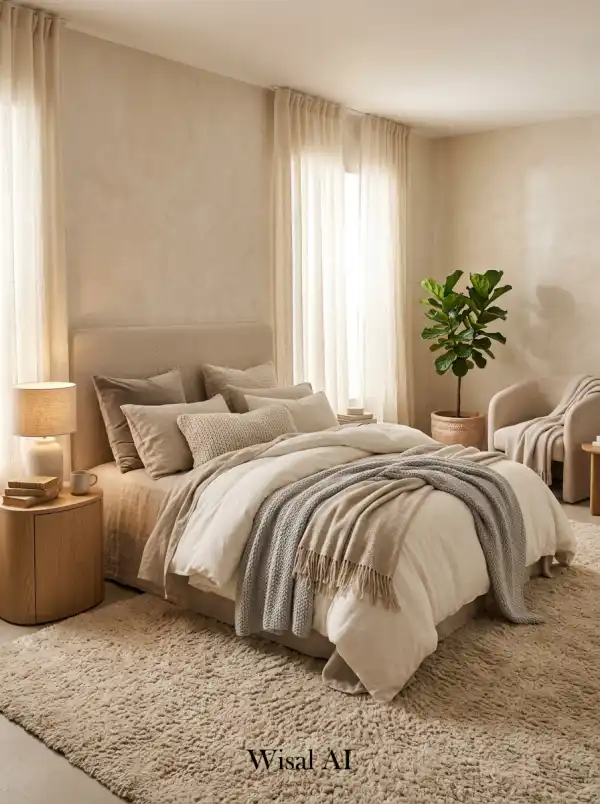
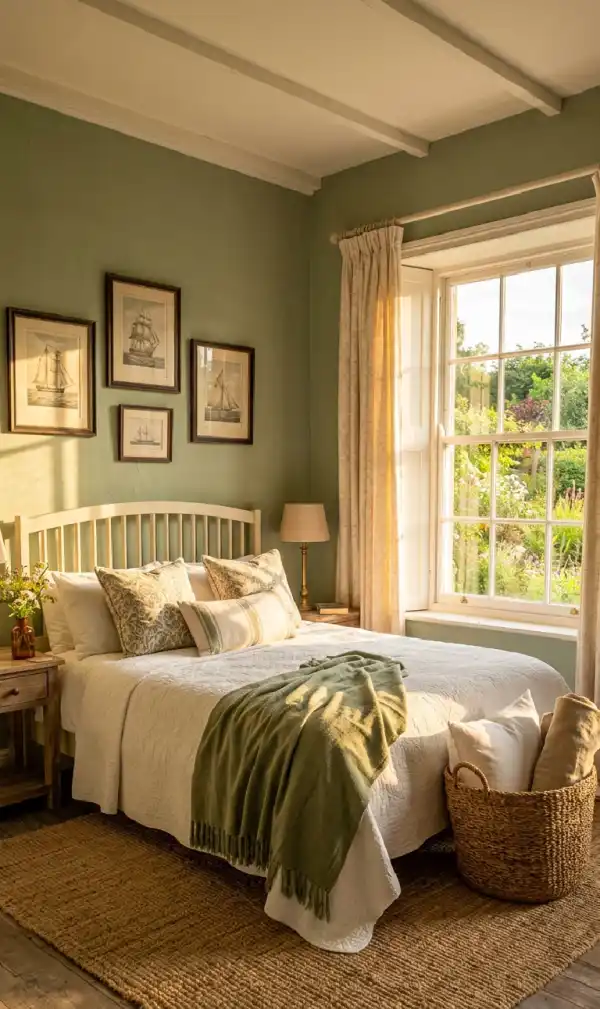
Color has a powerful effect on how spacious a room feels. Light shades reflect natural and artificial light more effectively than dark colors, making walls appear farther apart and ceilings feel higher. Soft whites, warm ivory, greige, pale beige, light taupe, muted sage, and gentle gray are timeless choices that create an airy atmosphere while maintaining warmth. Instead of introducing many contrasting colors, repeat similar tones throughout the bedding, curtains, rugs, and decorative accessories. This creates visual continuity that allows the eye to move smoothly across the room without interruption. Natural wood accents and soft textiles can add depth without making the bedroom feel visually heavy. A cohesive color palette creates a calming environment that feels both elegant and significantly more spacious.
3. Maximize Natural Light
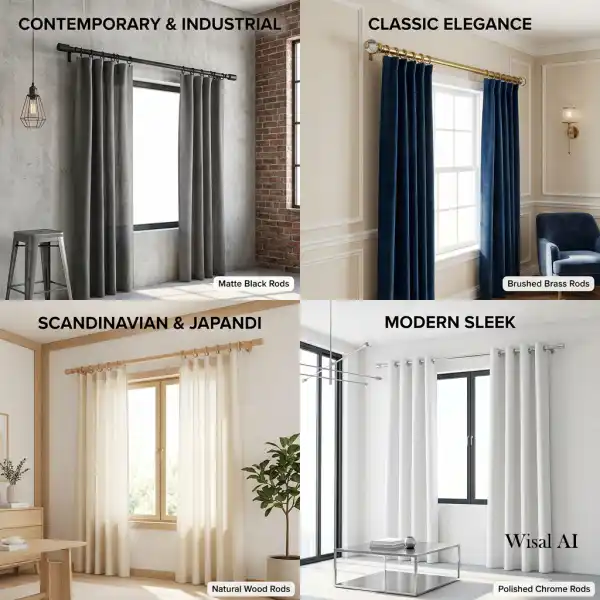
Natural light is one of the easiest ways to make a bedroom appear larger. Avoid placing tall furniture directly in front of windows, as this blocks daylight and makes the room feel enclosed. Instead, arrange larger pieces along solid walls whenever possible. Choose lightweight curtains made from linen or sheer fabrics that filter sunlight while preserving privacy. Hanging curtain rods close to the ceiling and extending them beyond the window frame also makes the windows appear larger and the ceilings feel taller. Keeping windows clean and unobstructed allows light to spread throughout the room, highlighting textures, colors, and architectural details. The brighter the bedroom feels, the more spacious and welcoming it appears.
4. Use Mirrors to Create the Illusion of Depth
Mirrors are one of the oldest and most effective designer tricks for making small rooms feel larger. A large mirror positioned opposite a window reflects daylight back into the room, increasing brightness while visually doubling the perceived depth of the space. Floor-length mirrors are particularly effective because they create long vertical reflections that enhance the feeling of height. Mirrored closet doors can also make compact bedrooms appear considerably larger without occupying additional floor space. Rather than using several small mirrors, choose one oversized mirror with a simple frame for the greatest visual impact. Mirrors expand both light and perspective, making the room feel open and elegant.
5. Reduce Visual Clutter
Even a large bedroom can feel cramped if it's filled with unnecessary belongings. Books stacked on every surface, overflowing laundry baskets, visible charging cables, decorative accessories scattered throughout the room, and crowded furniture all compete for attention. Professional designers focus on editing rather than adding. Keep bedside tables simple, limit decorative accessories to a few meaningful pieces, and store everyday items inside drawers or baskets. An organized bedroom immediately feels larger because the eye isn't constantly distracted by visual noise. Creating open surfaces allows the architecture, furniture, and beautiful textiles to become the stars of the room.
6. Choose a Bed with Visible Legs
The bed is naturally the largest piece of furniture in the bedroom, so the style of the bed frame has a huge impact on how spacious the room feels. Many people assume that a solid platform bed reaching all the way to the floor creates a modern look. While it certainly can, it also blocks the view of the floor beneath it, making the room appear visually heavier. Professional interior designers often choose bed frames with slim, elevated legs because they allow more flooring to remain visible. This uninterrupted view creates the illusion that the room extends farther than it actually does. Wooden legs, matte black metal frames, or upholstered beds with raised bases all work beautifully while maintaining a light appearance. If additional storage is needed, choose a bed with hidden drawers built into the frame rather than placing extra storage units around the room. A visually lighter bed immediately makes a compact bedroom feel more open and balanced.
7. Install Floor-to-Ceiling Curtains
Curtains do far more than provide privacy—they also influence the perceived proportions of the room. One of the most common decorating mistakes is hanging curtain rods directly above the window frame. Professional designers instead install curtain rods as close to the ceiling as possible and extend them well beyond both sides of the window. This simple technique tricks the eye into believing the windows are much larger and the ceilings significantly taller. Choose long curtains that gently touch the floor for a tailored, elegant appearance. Linen, cotton, or soft textured fabrics create movement while allowing daylight to filter beautifully through the room. Floor-to-ceiling curtains instantly elevate the architecture while making even small bedrooms feel grander.
8. Keep Nightstands Simple and Proportional
Nightstands should support the bed—not compete with it. Oversized bedside tables often consume valuable floor space while making the sleeping area appear crowded. Instead, choose compact nightstands with clean lines and practical storage. Floating nightstands are particularly effective because they expose more flooring underneath, increasing the perception of openness. Limit what sits on top to only the essentials. A lamp, one decorative object, a book, or a small plant usually creates a cleaner and more sophisticated composition than multiple accessories. Thoughtfully styled nightstands contribute to a calm, uncluttered environment that naturally feels larger.
9. Add Layered Lighting Instead of One Ceiling Fixture
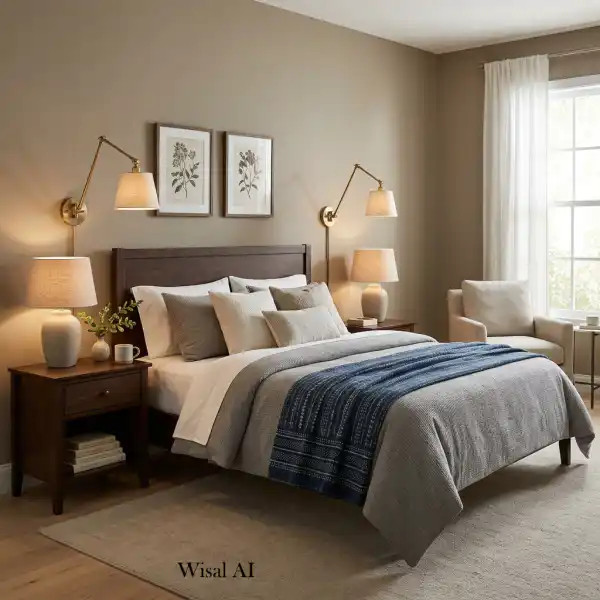
Lighting dramatically changes how spacious a bedroom feels. A single ceiling fixture often leaves dark corners that visually shrink the room. Professional interiors rely on multiple light sources placed throughout the space. Combine bedside lamps, wall sconces, floor lamps, hidden LED lighting, and soft ceiling illumination to eliminate shadows and create depth. Warm white bulbs between 2700K and 3000K produce the most relaxing atmosphere while complementing natural materials beautifully. Layered lighting makes the room feel brighter, softer, and considerably more inviting during both daytime and evening hours.
10. Use Large Rugs Instead of Small Ones
Many homeowners unintentionally make their bedrooms appear smaller by choosing rugs that are too small. Tiny rugs visually divide the floor into disconnected sections. Instead, select a rug large enough to extend well beyond both sides of the bed and continue toward the foot of the room. This creates one unified visual foundation that makes the entire bedroom appear larger. Soft wool, textured woven rugs, or neutral low-pile carpets introduce warmth while maintaining an elegant appearance. A generously sized rug helps anchor the furniture and improves the room's overall proportions.
11. Take Advantage of Vertical Storage
When floor space is limited, the walls become your greatest opportunity. Tall wardrobes, floating shelves, built-in storage, wall-mounted lighting, and vertical bookcases maximize storage without reducing walking space. Professional designers often extend cabinetry closer to the ceiling because higher storage naturally draws the eye upward. This creates the illusion of taller walls while keeping everyday belongings organized. Decorate upper shelves sparingly with books, baskets, ceramics, or greenery to maintain an uncluttered appearance. Using vertical space efficiently allows the floor to remain open and visually expansive.
12. Choose Minimal Decorative Accessories
Decorative objects should enhance the room—not overwhelm it. A common mistake is displaying numerous small accessories across every available surface. Instead, select fewer but more meaningful decorative pieces. One large artwork above the bed often creates a stronger impression than several smaller frames. A ceramic vase, a beautiful candle, a sculptural lamp, or a single indoor plant can all add personality without introducing visual clutter. Luxury interiors rely on restraint. Allow empty space to become part of the design rather than feeling obligated to decorate every shelf or tabletop.
13. Introduce Reflective Surfaces
Light-reflecting materials subtly expand a room without making it feel overly glossy. Mirrored furniture, glass table lamps, polished metals, glossy ceramics, or lightly reflective artwork bounce light throughout the bedroom. These surfaces brighten darker corners while adding visual depth. Professional designers usually combine reflective materials with natural textures to achieve balance. Too many glossy surfaces can feel cold, while mixing them with wood, linen, and woven fabrics creates warmth and sophistication. Thoughtfully placed reflective finishes contribute to a brighter and more spacious atmosphere.
14. Maintain Clear Walking Paths
No matter how beautiful a bedroom looks, it will always feel cramped if movement around the furniture is difficult. Leave comfortable space on both sides of the bed whenever possible. Avoid placing decorative stools, oversized chairs, storage baskets, or extra furniture where they interrupt circulation. Professional designers prioritize flow before decoration. Being able to move naturally through the room immediately improves both functionality and the perception of space. Even removing one unnecessary piece of furniture can dramatically improve comfort. A bedroom should feel effortless to navigate rather than crowded with obstacles.
15. Keep the Entire Design Simple and Balanced
Perhaps the most powerful way to make a bedroom feel larger is to embrace simplicity. Designer bedrooms rarely include excessive furniture, bold competing patterns, or countless decorative accessories. Instead, they focus on thoughtful proportions, quality materials, comfortable textures, and intentional styling. Repeat similar colors throughout the room, coordinate furniture finishes, limit visual distractions, and leave generous breathing room around every important element. Negative space isn't empty it allows beautiful furniture, architectural details, and natural light to become the focus. When every object has purpose and every detail feels intentional, even the smallest bedroom becomes a peaceful retreat that feels far larger than its actual size.
Conclusion
Creating a bedroom that feels more spacious doesn't require expensive renovations or additional square footage. The most effective transformations often come from thoughtful decorating decisions that improve light, balance, organization, and proportion. By selecting appropriately sized furniture, maximizing natural light, incorporating mirrors, choosing lighter colors, and reducing unnecessary clutter, you can dramatically change the way your bedroom looks and feels. Small design details also make a remarkable difference. Floor-to-ceiling curtains, layered lighting, larger rugs, floating furniture, hidden storage, and carefully chosen accessories all contribute to an atmosphere that feels open, calm, and inviting. Instead of filling every corner, focus on giving each piece enough space to stand out. This sense of visual breathing room is one of the defining characteristics of professionally designed interiors. Ultimately, a spacious bedroom is about more than appearance—it's about comfort and everyday living. A room that feels bright, organized, and uncluttered promotes better relaxation and creates a peaceful environment where you can truly unwind. By applying these 15 designer-inspired ideas, you'll discover that even a compact bedroom can feel elegant, functional, and surprisingly generous without ever picking up a hammer.
FAQs
1. How can I make a small bedroom look bigger without renovating?
Use light colors, large mirrors, floor-to-ceiling curtains, layered lighting, larger rugs, and furniture that fits the room properly while keeping clutter to a minimum.
2. What colors make a bedroom feel more spacious?
Soft white, warm beige, greige, light gray, pale taupe, muted sage, and other light neutral shades reflect more light and create an airy atmosphere.
3. Should I use a large or small rug in a compact bedroom?
A larger rug is usually the better choice because it visually unifies the furniture and makes the room appear bigger.
4. Do mirrors really make a bedroom look larger?
Yes. Large mirrors reflect both natural light and the room itself, creating the illusion of greater depth and openness.
5. What type of bed is best for a small bedroom?
A bed with visible legs or integrated storage is ideal because it maintains visual openness while maximizing functionality.
6. What's the biggest mistake when decorating a small bedroom?
Using oversized furniture, overcrowding the room with accessories, blocking natural light, and failing to keep surfaces organized are among the most common mistakes that make a bedroom feel smaller.