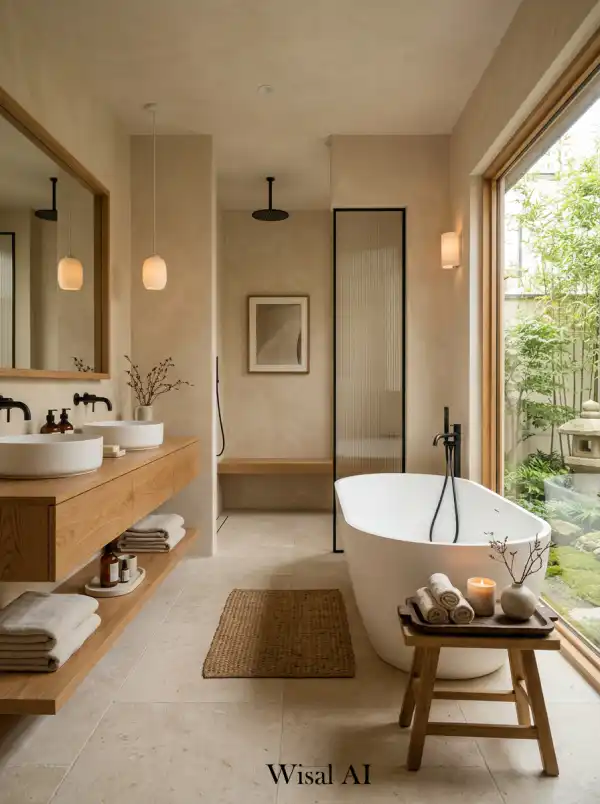
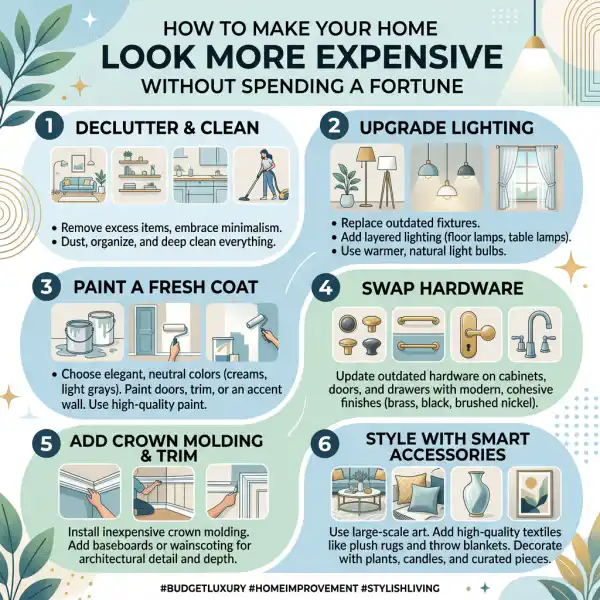
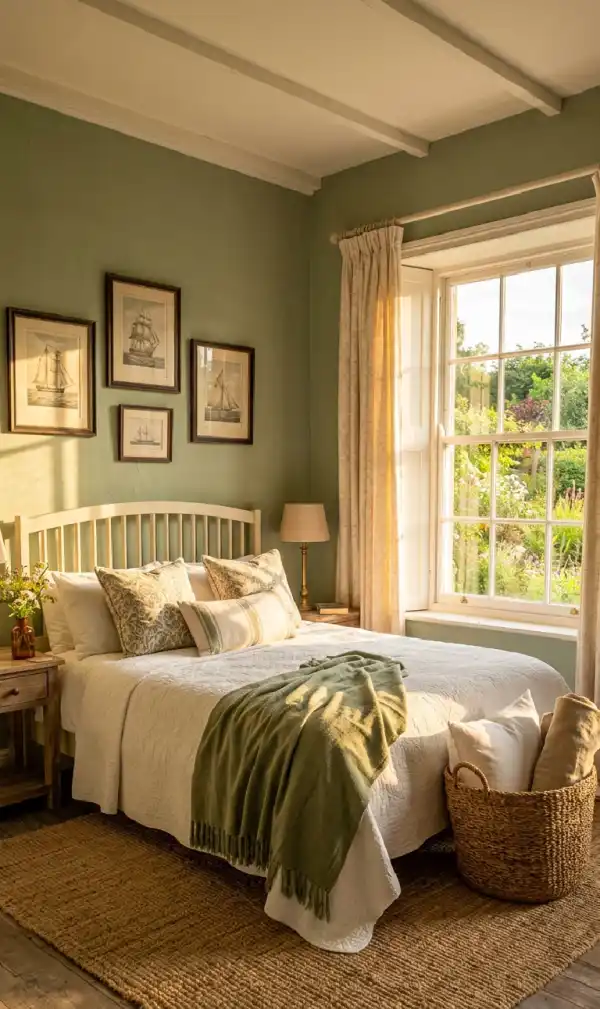
A beautifully designed bedroom isn't defined only by its furniture, wall color, or flooring. While these larger elements establish the foundation of the space, it's often the finishing touches that bring everything together. Professional interior designers understand that the difference between an ordinary bedroom and one that feels polished, luxurious, and thoughtfully designed lies in the details. These carefully chosen finishing touches create harmony, add personality, and give the room a sense of completeness. Many homeowners spend most of their decorating budget on the bed, dresser, or lighting, only to feel that the room still looks unfinished. The missing element is rarely another expensive piece of furniture. More often, it's the smaller details—such as layered bedding, carefully selected artwork, elegant window treatments, decorative accessories, or subtle lighting—that transform a functional bedroom into a relaxing retreat. Finishing touches are also what make a bedroom feel personal without becoming cluttered. They add warmth, texture, and depth while reinforcing the overall design style. Whether your bedroom reflects Modern, Scandinavian, Contemporary, Japandi, Traditional, or Modern Organic design, the right finishing details help create a cohesive space where every element feels intentionally placed. The best part is that these upgrades don't require a full renovation or a large budget. Many can be completed in a single weekend, yet they have the power to dramatically improve how the room looks and feels. Small changes—like replacing outdated hardware, styling a nightstand, or introducing natural textures—can elevate the entire design without replacing your existing furniture. In this guide, you'll discover 15 bedroom finishing touches that complete the entire design. These designer-approved ideas will help you refine your bedroom, create a more luxurious atmosphere, and ensure every corner feels balanced, welcoming, and beautifully finished.
1. Layer Your Bedding Like a Designer
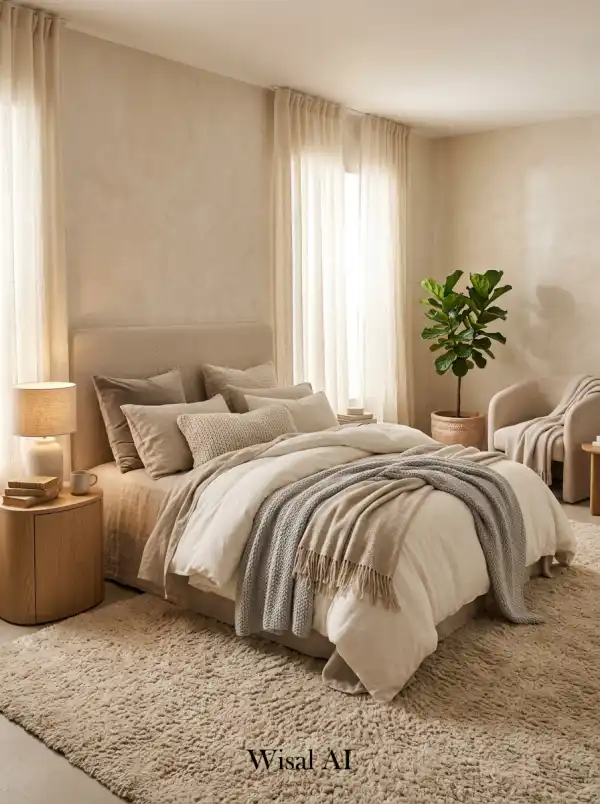
The bed is naturally the centerpiece of the bedroom, making it the first place designers focus when adding finishing touches. A bed that is thoughtfully layered immediately makes the entire room feel richer and more inviting. Start with high-quality fitted and flat sheets in breathable cotton or linen. Add a plush duvet or comforter, followed by a lightweight quilt or coverlet for additional texture. Complete the look with Euro shams, sleeping pillows, decorative accent cushions, and a soft throw blanket folded neatly across the foot of the bed. The key isn't using as many pillows as possible. Instead, create balance by mixing different sizes, fabrics, and textures while keeping the color palette cohesive. Linen, velvet, boucle, knitted wool, and washed cotton all work beautifully together when chosen in complementary shades. A professionally layered bed instantly creates the feeling of a luxury hotel suite and becomes the visual anchor for the entire room.
2. Style Your Nightstands with Intention
Nightstands should be both practical and visually balanced. Rather than treating them as storage surfaces for random items, think of them as carefully curated design moments. Begin with matching or complementary table lamps to create symmetry around the bed. Add one or two decorative elements, such as a ceramic vase with fresh greenery, a scented candle, a small stack of books, or a sculptural object. Avoid overcrowding the surface. Empty space is just as important as decorative objects because it allows each item to stand out. If your nightstands include drawers, keep chargers, medications, notebooks, and other everyday essentials tucked neatly out of sight. Well-styled nightstands help the entire bedroom feel organized, calm, and professionally designed.
3. Add Floor-to-Ceiling Curtains
Curtains are often overlooked, yet they dramatically influence the overall appearance of a bedroom. Professional designers almost always install curtain rods close to the ceiling rather than directly above the window frame. This simple adjustment creates the illusion of taller ceilings while making windows appear larger. Choose curtains that extend all the way to the floor, allowing the fabric to lightly touch the surface for an elegant finish. Neutral linen, textured cotton, or soft woven fabrics work especially well because they introduce warmth without overwhelming the room. Layering sheer curtains behind heavier drapes adds flexibility, allowing you to control privacy and natural light throughout the day. Beautiful curtains soften architectural lines while making the bedroom feel more luxurious and complete.
4. Introduce a Large Area Rug
One of the easiest ways to make a bedroom feel unfinished is using rugs that are too small. A generously sized area rug visually anchors the furniture while adding warmth, softness, and acoustic comfort. Ideally, the rug should extend beyond both sides of the bed as well as the foot, allowing your feet to land on a soft surface each morning. Natural wool, woven cotton, or textured synthetic blends provide durability while introducing another layer of visual interest. A large rug also helps connect the bed, nightstands, and surrounding furniture into one cohesive arrangement, making the entire room feel intentional rather than disconnected.
5. Upgrade Your Lighting Layers
Lighting is one of the final elements that determines whether a bedroom feels ordinary or luxurious. Instead of relying on a single overhead fixture, combine several light sources throughout the room. Use bedside lamps for reading, wall sconces to free up nightstand space, and warm ambient lighting behind the headboard or beneath floating furniture to create depth. Warm white bulbs between 2700K and 3000K produce the most relaxing atmosphere. Installing dimmer switches allows you to adjust brightness throughout the day, creating a bright environment in the morning and a soft, calming mood during the evening. Thoughtfully layered lighting makes every other design element look better while dramatically improving the bedroom's atmosphere.
6. Incorporate Meaningful Artwork
Artwork is one of the finishing touches that gives a bedroom personality and emotional warmth. Without it, even a beautifully furnished room can feel incomplete or impersonal. The right artwork helps establish a focal point while reinforcing the overall mood you want the bedroom to communicate. Professional interior designers often recommend hanging one large statement piece above the headboard rather than several unrelated smaller frames. A single oversized artwork creates a cleaner, more sophisticated appearance while making the room feel intentionally designed. If you prefer multiple pieces, keep them within a consistent color palette and frame style so they read as one cohesive composition. Nature-inspired paintings, abstract artwork with muted tones, minimalist photography, botanical prints, or calming landscapes work particularly well because they encourage relaxation instead of visual stimulation. Proper placement is equally important. Artwork should be hung at a comfortable viewing height and centered relative to the bed or furniture beneath it. Leaving adequate space around each piece prevents the walls from feeling crowded. Beautiful artwork doesn't simply decorate the bedroom—it tells a story, reflects your personality, and helps transform blank walls into carefully designed features.
7. Introduce Natural Greenery
Few finishing touches make a bedroom feel fresher than indoor plants. Adding greenery instantly softens hard furniture lines while introducing natural color and texture that never goes out of style. Plants also create visual balance by breaking up large furniture surfaces with organic shapes. Large plants such as olive trees, fiddle-leaf figs, rubber plants, or bird of paradise varieties work beautifully in empty corners. Smaller options like snake plants, pothos, peace lilies, or ZZ plants fit perfectly on dressers, floating shelves, or bedside tables. Choose planters made from ceramic, stone, terracotta, or woven natural fibers to complement the overall design style. Even if maintaining live plants isn't practical, high-quality artificial greenery can still provide many of the same visual benefits. Natural elements help transform a bedroom into a peaceful retreat where every detail feels calm and inviting.
8. Upgrade Decorative Hardware
Sometimes the smallest details create the biggest transformation. Replacing outdated cabinet handles, drawer pulls, wardrobe knobs, or bedside hardware is one of the most affordable upgrades available. Choose finishes that coordinate with the rest of the room. Brushed brass introduces warmth and elegance, matte black creates a modern appearance, while satin nickel and bronze offer timeless versatility. Repeating the same finish across multiple furniture pieces helps establish visual consistency throughout the bedroom. Quality hardware also improves the everyday experience of using your furniture. Well-crafted handles feel more substantial while giving older furniture a refreshed appearance. This simple improvement often makes existing furniture look custom-built instead of mass-produced.
9. Add a Comfortable Bedroom Bench
A bench placed at the foot of the bed instantly makes the room feel more complete. Besides introducing another layer of texture, it also serves practical purposes by providing seating while getting dressed or creating a convenient place to lay out clothing. Choose upholstery that complements the bedding while introducing subtle contrast through texture or material. In smaller bedrooms, select a slim bench with exposed legs to maintain an open appearance. Larger rooms can comfortably accommodate upholstered storage benches that provide additional hidden organization. A carefully chosen bench visually extends the bed while adding balance to the room's proportions. It's one of those designer details that quietly elevates the entire space.
10. Style Open Shelves with Restraint
If your bedroom includes floating shelves or built-in storage, styling them thoughtfully can dramatically improve the room's appearance. Rather than filling every shelf completely, create intentional arrangements using books, ceramics, framed artwork, woven baskets, candles, and small plants. Professional designers often follow the principle of visual breathing room. Empty space allows decorative objects to stand out while preventing shelves from appearing cluttered. Mix vertical and horizontal objects, vary heights, and repeat similar colors throughout the display to maintain harmony. Avoid displaying too many unrelated souvenirs or collectibles together. Well-styled shelving contributes personality without distracting from the calm atmosphere the bedroom should maintain.
11. Add Texture Through Decorative Accessories
Luxury interiors rarely depend on bold colors alone. Instead, designers create richness by layering textures that interact beautifully with natural light. Introduce woven baskets, linen cushions, velvet pillows, ceramic vases, boucle stools, wooden trays, knitted throws, and handcrafted decorative objects. These subtle variations create visual depth while keeping the overall color palette soft and cohesive. Natural materials often produce the most timeless results because they age gracefully and coordinate with nearly every decorating style. Texture makes a bedroom feel complete by adding warmth without unnecessary visual complexity.
12. Upgrade Your Mirror
A thoughtfully selected mirror serves both practical and decorative purposes. Large full-length mirrors make bedrooms appear brighter by reflecting natural light throughout the room. Position mirrors where they capture outdoor views or nearby windows instead of reflecting cluttered corners. Framed mirrors should coordinate with surrounding furniture finishes to maintain consistency. Wood frames introduce warmth, black metal suits contemporary interiors, while brass creates understated elegance. Besides increasing brightness, mirrors contribute to the feeling of spaciousness that defines professionally designed bedrooms.
13. Introduce a Signature Scent
Beautiful bedrooms engage more than just the eyes. Professional hotels often become memorable because they create a complete sensory experience—including fragrance. Introduce subtle scents using linen sprays, reed diffusers, essential oil diffusers, or lightly scented candles. Lavender, sandalwood, cedarwood, vanilla, bergamot, chamomile, and eucalyptus remain popular because they encourage relaxation without becoming overpowering. Keep fragrance understated rather than intense. A gentle signature scent creates an invisible finishing touch that makes the bedroom feel welcoming every time you enter.
14. Organize Hidden Storage
Luxury bedrooms rarely display everyday clutter. Behind every beautifully styled room is excellent organization. Take time to organize wardrobes, bedside drawers, under-bed storage, and dresser compartments using dividers, baskets, and storage containers. Grouping similar items together simplifies daily routines while preventing unnecessary clutter from returning to visible surfaces. An organized bedroom isn't only easier to maintain—it also creates peace of mind. Knowing everything has a designated place contributes significantly to the room's relaxing atmosphere.
15. Edit the Room Until Everything Feels Intentional
Perhaps the most important finishing touch isn't adding something new—it's removing what doesn't belong. Professional interior designers rarely stop decorating once every surface has been filled. Instead, they carefully evaluate the room and remove anything that feels unnecessary. Ask yourself whether every visible object contributes either beauty or function. If not, consider storing it elsewhere. Leave breathing room between furniture pieces. Avoid overcrowding shelves. Keep color palettes consistent. Allow textures, lighting, and natural materials to become the stars of the room instead of excessive decoration. The most luxurious bedrooms often contain fewer items than expected because every remaining detail has been chosen intentionally. True elegance comes from thoughtful restraint. When the room feels balanced rather than busy, every design element has the opportunity to shine.
Conclusion
A beautifully finished bedroom is rarely the result of one dramatic feature. Instead, it comes from the thoughtful combination of carefully selected details that work together to create comfort, balance, and visual harmony. Layered bedding, elegant curtains, warm lighting, meaningful artwork, natural greenery, and well-organized surfaces all contribute to a space that feels complete without becoming cluttered. The most successful finishing touches are those that enhance both beauty and everyday living. A stylish bench provides practical seating, quality hardware refreshes existing furniture, textured accessories add warmth, and hidden storage keeps the room peaceful and organized. These small improvements require far less investment than a full renovation, yet they often have a greater impact on the overall atmosphere. Ultimately, a finished bedroom should feel calm, personal, and timeless. Rather than following short-lived trends, focus on intentional choices that reflect your lifestyle and complement the architecture of the room. When every detail has a purpose and every element feels connected, your bedroom becomes more than just a place to sleep—it becomes a refined retreat that you'll enjoy every single day.
FAQs
1. What finishing touch has the biggest impact on a bedroom?
Layered bedding is often the most impactful finishing touch because the bed is the room's main focal point.
2. Should every bedroom include artwork?
While not essential, carefully chosen artwork adds personality, creates a focal point, and helps complete the overall design.
3. How can I make my bedroom feel finished on a budget?
Upgrade hardware, add textured bedding, style your nightstands, introduce plants, and improve lighting rather than replacing furniture.
4. Are indoor plants suitable for bedrooms?
Yes. Indoor plants add natural beauty, soften the space, and contribute to a calm, welcoming atmosphere.
5. Why do professionally designed bedrooms look so balanced?
Designers carefully coordinate colors, textures, lighting, furniture placement, and decorative details while avoiding unnecessary clutter.
6. What's the biggest mistake when adding finishing touches?
Adding too many decorative accessories without leaving enough empty space can make the bedroom feel cluttered instead of elegant.