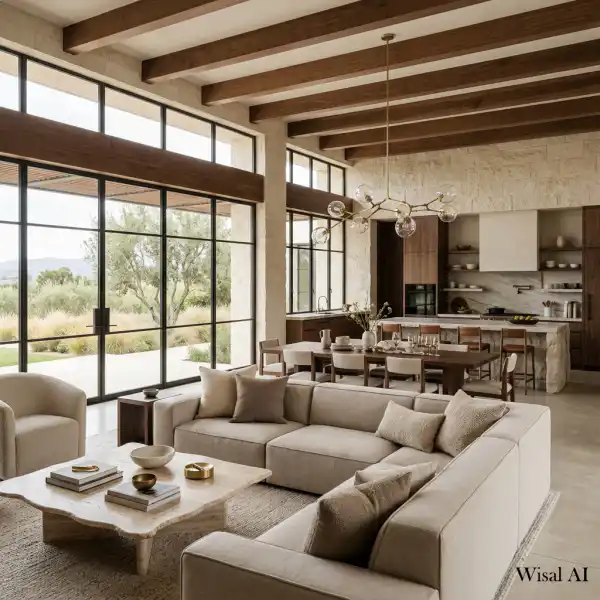
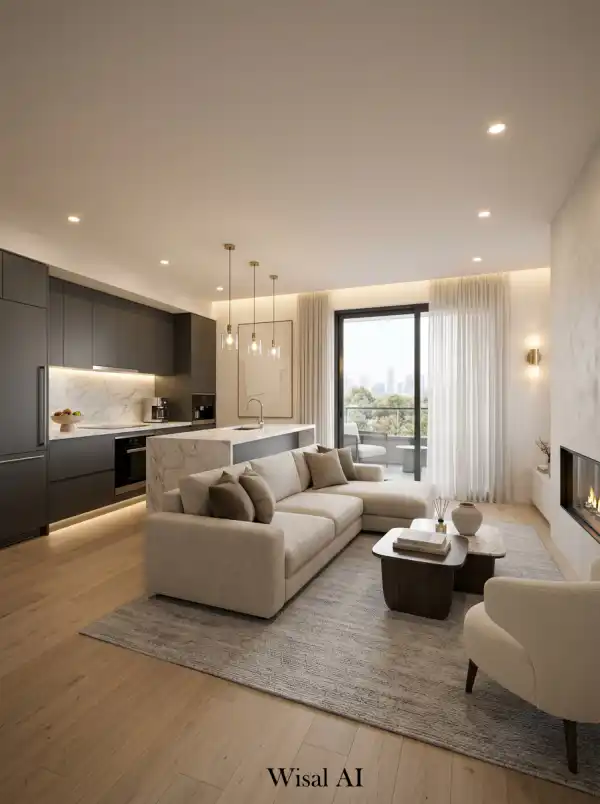
A luxurious home isn't necessarily defined by its size, location, or the amount of money spent on furniture. In many cases, luxury comes from the way a space is planned, styled, and maintained. A modest apartment can feel remarkably sophisticated when its rooms have good proportions, thoughtful lighting, quality textures, and a clear visual identity. The biggest mistake homeowners make when trying to create a luxurious interior is assuming that expensive furniture alone will achieve the desired effect. A high-end sofa placed in a poorly arranged room can still feel ordinary. On the other hand, carefully selected affordable pieces can look significantly more refined when combined with the right lighting, colours, materials, and accessories. Luxury is also about consistency. When the living room looks elegant but the hallway is cluttered, the bathroom is poorly lit, and the bedroom lacks comfortable textiles, the overall experience becomes less cohesive. Every room contributes to how the home feels. Professional interior designers often approach a house as one connected experience. They consider how materials, colours, lighting, furniture, and architectural details transition from one room to another. Each space can have its own personality while still belonging to the same home. Another important element is restraint. Luxurious interiors rarely rely on excessive decoration. Instead, they use fewer, better-chosen pieces and leave enough empty space for those pieces to stand out. Natural materials, layered lighting, tailored window treatments, and thoughtful furniture placement can often create a stronger impression than a room filled with expensive accessories. The good news is that you don't have to renovate your entire home to create this feeling. Many improvements can be achieved through relatively simple changes, such as upgrading lighting, replacing worn textiles, improving storage, introducing natural materials, and editing unnecessary décor. In this guide, we'll explore 15 practical ways to make every room in your home feel more luxurious, from the entryway and living room to the bedroom, kitchen, and bathroom.
1. Start With a Consistent Colour Palette
One of the easiest ways to make an entire home feel more expensive is to establish a cohesive colour palette. Instead of giving every room a completely different colour scheme, choose several shades that can repeat throughout the house. Warm whites, cream, beige, taupe, greige, soft brown, muted green, and natural wood tones are particularly effective for creating a sophisticated foundation. This doesn't mean every room should look identical. The living room might use beige and walnut, while the bedroom introduces soft sage green and cream. The kitchen might feature ivory cabinetry and warm wood. The colours are different, but they still belong to the same visual family. Professional designers often repeat colours through smaller details such as artwork, cushions, rugs, curtains, and accessories. This creates a sense of continuity that makes the entire home feel intentionally designed.
2. Upgrade the Entryway First
The entryway creates the first impression of your home. Even if the rest of the house is beautifully decorated, a cluttered or poorly lit entrance can immediately reduce the sense of luxury. Start by keeping the area organised and visually simple. A slim console table, elegant mirror, sculptural lamp, small piece of artwork, and attractive storage basket can create a polished entrance without requiring much space. If the area is narrow, use a large mirror to reflect light and make the space feel wider. A runner can also add texture and create a stronger visual connection between the entrance and the rest of the home. The key is to make the entryway feel intentional rather than simply functional.
3. Make the Living Room Feel More Refined
The living room is often the main social space, so it deserves special attention. Begin with furniture placement rather than decoration. Arrange seating around a clear focal point, such as a fireplace, artwork, television, or architectural feature. Avoid pushing every piece against the walls simply because the room is large. Add a properly sized rug to anchor the seating arrangement. Then introduce layered lighting through floor lamps, table lamps, wall sconces, and ceiling fixtures. Use a combination of materials such as wood, stone, linen, leather, wool, and metal to create depth. Finally, keep accessories controlled. A few carefully selected objects usually look more sophisticated than dozens of small decorations.
4. Turn the Dining Room Into a Focal Point
A dining room can feel luxurious without requiring an expensive dining set. Start with a table that is appropriately scaled to the room. Natural wood or stone surfaces often create a sophisticated foundation. Then focus on lighting. A large pendant or chandelier positioned above the dining table can instantly establish a focal point and give the room a more architectural feel. Choose dining chairs that are comfortable and visually balanced with the table. A large artwork, mirror, or subtle wall treatment can complete the space. Keep the tabletop relatively simple. A ceramic vase, candleholders, or a low floral arrangement is often enough. Luxury comes from composition rather than excess.
5. Upgrade Your Kitchen Through Details
The kitchen is one of the most important rooms when it comes to perceived home value. You don't necessarily need new cabinets or expensive countertops to make it look more luxurious. Start with small details. Replace outdated cabinet handles with refined hardware in finishes such as brushed brass, matte black, or satin nickel. Keep countertops clean and organised. Display only a few attractive objects, such as a wooden cutting board, ceramic container, stone bowl, or carefully selected cookbook. Under-cabinet lighting can add warmth and depth during the evening. If possible, introduce natural materials such as wood, stone, or handmade ceramics. These subtle changes can make an ordinary kitchen feel much more sophisticated.
6. Make the Bedroom Feel Like a Boutique Hotel
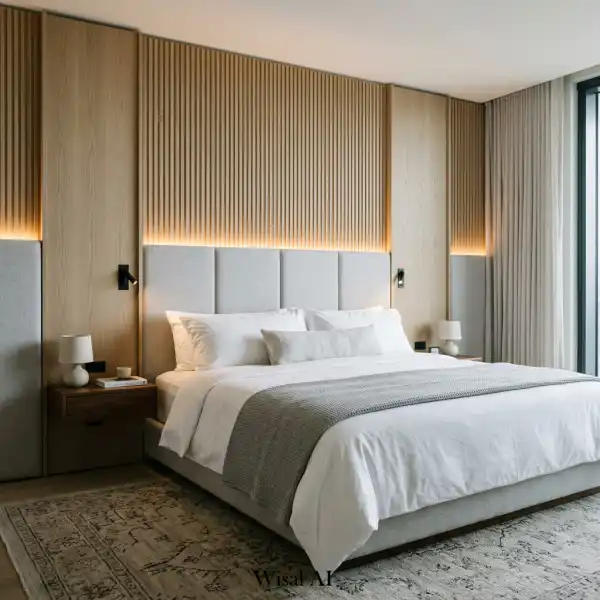
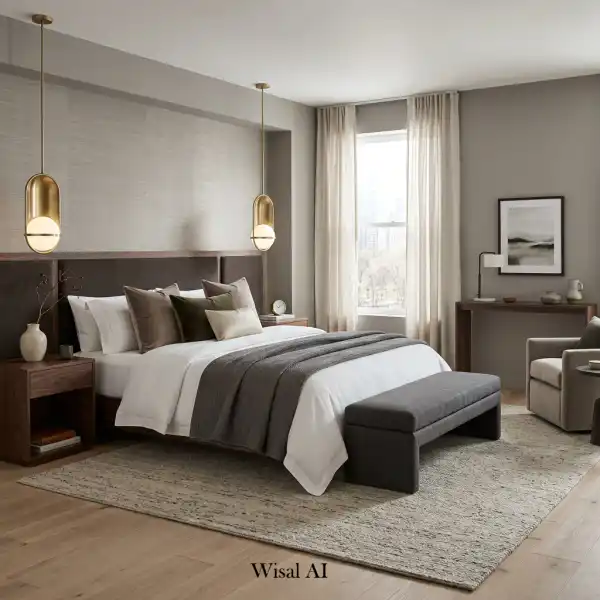
The bedroom should be one of the calmest rooms in the home. Start with high-quality-looking bedding in neutral or muted colours. Layer sheets, duvet covers, blankets, and pillows to create depth without making the bed impractical. A large upholstered headboard can instantly increase the visual impact of the room. Add symmetrical bedside lighting or wall sconces to create balance. Floor-to-ceiling curtains can make the ceiling appear higher, while a properly sized rug adds warmth underfoot. Avoid filling the bedroom with unnecessary decorations. A calm colour palette, soft lighting, beautiful textures, and good organisation are usually enough to create a boutique-hotel feeling.
7. Make the Bathroom Feel Like a Private Spa
Bathrooms can feel luxurious even without a complete renovation. Cleanliness and organisation should come first. Remove unnecessary products from countertops and store everyday items in drawers or cabinets. Then focus on textiles and accessories. Replace worn towels with thick, coordinated towels in neutral colours. Add a simple bath mat, attractive soap dispenser, ceramic container, and perhaps a small plant. If the budget allows, upgrade lighting around the vanity because good lighting dramatically changes how the bathroom feels. Natural stone, warm wood, brushed metal, and soft lighting can create a spa-inspired atmosphere. The secret is to keep the room visually quiet and uncluttered.
8. Treat the Hallways as Part of the Design
Hallways are often ignored because they aren't primary living spaces. However, they connect the rooms and contribute significantly to the overall experience of the home. Use artwork, mirrors, wall sconces, runners, or subtle architectural details to give hallways personality. A series of carefully aligned frames can create rhythm along a long corridor. In narrow hallways, mirrors can increase the sense of width and reflect light. Keep furniture minimal so the circulation remains comfortable. A well-designed hallway makes the transition between rooms feel intentional rather than forgotten.
9. Use Better Window Treatments
Window treatments have a major effect on the perceived quality of a room. Cheap-looking or poorly fitted curtains can make an otherwise beautiful interior feel unfinished. For a more luxurious appearance, mount curtain rods higher and wider than the actual window frame. Allow curtains to fall all the way to the floor. Linen, cotton, velvet, and linen-blend fabrics can introduce softness and texture. Neutral colours tend to create a timeless appearance, while subtle patterns can add personality when used carefully. Well-fitted curtains also make windows appear larger and ceilings taller.
10. Layer Natural Textures Throughout the Home
Natural textures are one of the easiest ways to introduce understated luxury. Use wood, stone, linen, wool, leather, rattan, ceramic, and woven materials across different rooms. A wooden console in the hallway can connect visually with an oak coffee table in the living room. Linen curtains can complement upholstered furniture, while stone accessories can repeat the material used in a kitchen or bathroom. These subtle connections create continuity. Natural materials also prevent neutral interiors from feeling flat by introducing variations in texture and tone.
11. Improve Lighting in Every Room
Lighting should never be treated as an afterthought. Each room needs different types of illumination depending on how it is used. Living rooms benefit from ambient and accent lighting. Kitchens require strong task lighting around work surfaces. Bedrooms need softer bedside and ambient lighting. Bathrooms need functional vanity lighting combined with softer general illumination. Hallways can benefit from wall sconces or subtle ceiling lighting. Using multiple sources rather than one central fixture creates depth and makes rooms feel more expensive. Whenever possible, install dimmers so the atmosphere can be adjusted throughout the day.
12. Use Large-Scale Artwork
Large artwork can instantly make a room feel more sophisticated. Instead of filling walls with numerous small frames, consider using one substantial piece that creates a strong focal point. Abstract artwork, photography, paintings, and textured wall art can all work beautifully. The artwork doesn't need to be extremely expensive. What matters is its size, placement, framing, and relationship to the surrounding furniture. A large piece above a sofa, dining table, console, or bed can provide structure and personality. Choose colours that complement the room rather than competing with it.
13. Hide Everyday Clutter
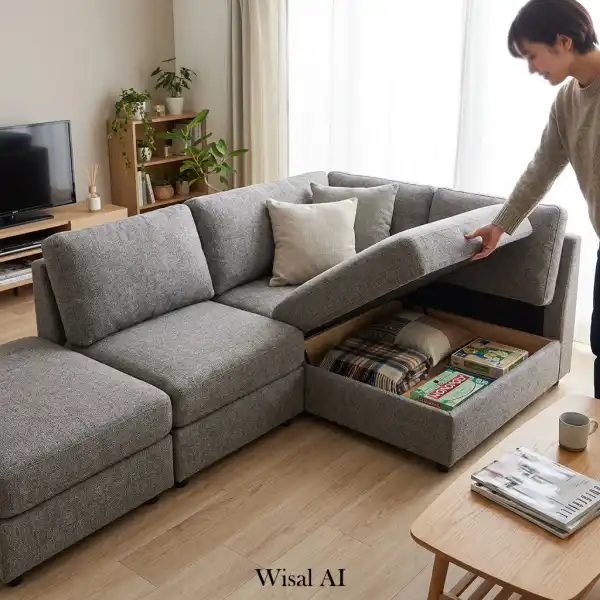
Nothing destroys the feeling of luxury faster than visible clutter. Remote controls, cables, paperwork, toiletries, chargers, children's toys, and miscellaneous objects can quickly overwhelm an otherwise beautiful interior. Use closed storage whenever possible. Baskets, drawers, cabinets, built-in wardrobes, storage benches, and concealed compartments can keep everyday objects organised. The goal isn't to hide everything. Books, plants, artwork, ceramics, and meaningful objects can remain visible. The important distinction is between intentional display and accidental clutter. A clean surface gives the eye somewhere to rest and allows beautiful details to stand out.
14. Add Greenery and Fresh Flowers
Plants introduce life, colour, and texture into interiors. A large indoor tree can become a focal point in a living room, while smaller plants can soften bathrooms, kitchens, bedrooms, and shelves. Fresh flowers are another simple way to elevate a room, particularly when displayed in a beautiful ceramic or glass vase. Choose greenery that suits the amount of natural light available. Avoid filling every room with plants. One or two thoughtfully positioned plants often create more impact than many small ones scattered everywhere. Natural greenery works particularly well with neutral colour palettes and natural materials.
15. Edit Every Room Like a Designer
The final step is to look at your home as a complete composition. Once you've decorated each room, walk through the house and evaluate what you see. Are there too many decorative objects? Does one room feel significantly more crowded than another? Are there colours or materials that appear only once and feel disconnected? Is the furniture appropriately scaled? Are walkways clear? Professional designers don't simply add things. They continuously edit. Removing unnecessary furniture and accessories often creates more luxury than purchasing something new. The goal is to create rooms where every piece has a purpose and nothing feels accidental.
Conclusion
Making every room in your home feel luxurious doesn't require a massive renovation or an unlimited decorating budget. The biggest transformation often comes from improving the details that influence how a space feels every day. Start with the foundation: create a cohesive colour palette, improve furniture proportions, control clutter, and establish good lighting. Then gradually introduce natural materials, beautiful textiles, artwork, greenery, and carefully selected accessories. Remember that luxury is not the same as excess. A room filled with expensive furniture can still feel chaotic if the proportions are wrong and surfaces are cluttered. Meanwhile, a simple room with affordable furniture can feel remarkably sophisticated when the layout is balanced, lighting is layered, and every material has been thoughtfully selected. The best homes also feel connected. The living room shouldn't feel like it belongs to a completely different house than the bedroom or kitchen. Repeating wood tones, colours, metals, textures, and architectural details creates a subtle visual rhythm that makes the entire home feel cohesive. Most importantly, focus on comfort. A luxurious home should be somewhere you genuinely enjoy living. Comfortable furniture, practical storage, soft lighting, quality bedding, functional kitchens, and peaceful bedrooms matter just as much as appearance. When beauty and functionality work together, the result feels naturally luxurious.
FAQs
What makes a home look luxurious?
Good proportions, layered lighting, natural materials, cohesive colours, quality textiles, uncluttered surfaces, and thoughtful furniture placement can make a home feel significantly more luxurious.
How can I make my home look expensive on a budget?
Start with decluttering, rearranging furniture, upgrading lighting, improving curtains, adding quality-looking textiles, introducing plants, and replacing outdated hardware.
Which colours make a home look more luxurious?
Warm whites, cream, beige, taupe, greige, soft brown, muted green, and earthy tones are particularly effective because they create a sophisticated and timeless foundation.
Does luxury interior design have to be minimalist?
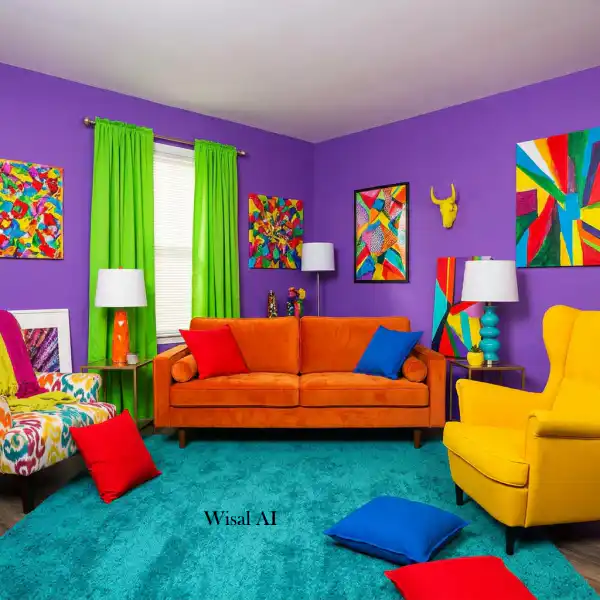
No. Luxury can work with minimalist, contemporary, traditional, classic, maximalist, or eclectic styles. The key is balance, quality, proportion, and intentional decoration.
How can I make my bedroom feel more luxurious?
Use layered bedding, soft lighting, full-length curtains, a well-proportioned headboard, coordinated colours, quality-looking textiles, and minimal clutter.
How can I make a small home feel luxurious?
Use appropriately scaled furniture, maximise natural light, introduce mirrors, keep surfaces uncluttered, use multifunctional storage, and maintain a cohesive colour palette throughout the home.