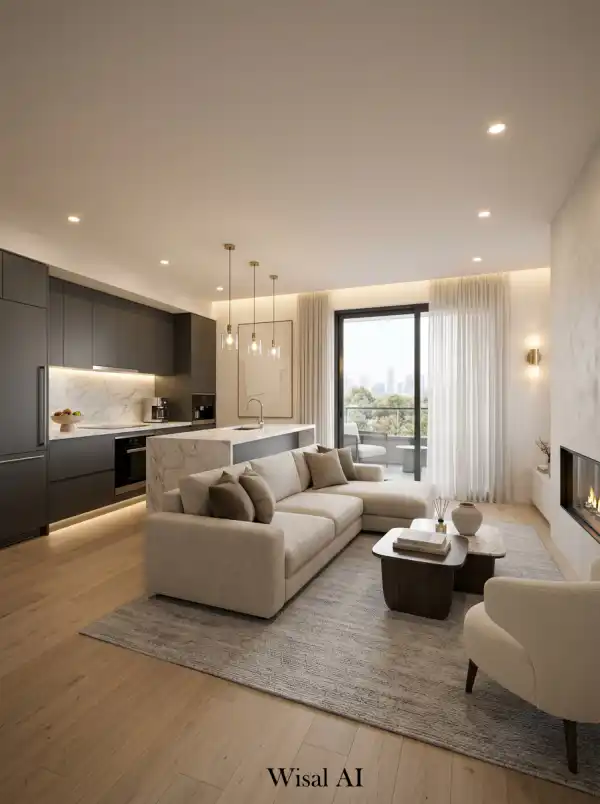
The living room is more than just a place to sit—it's the heart of the home. It's where families gather after a long day, friends come together for meaningful conversations, and quiet moments are spent reading, relaxing, or enjoying a cup of coffee. Because it serves so many purposes, the living room should feel comfortable, inviting, and effortlessly welcoming from the moment someone walks through the door. However, many living rooms feel cold or disconnected despite having beautiful furniture. Large empty spaces, harsh lighting, mismatched colors, or a lack of texture can make even an expensive room feel uncomfortable. On the other hand, a thoughtfully designed living room creates an atmosphere that encourages people to stay longer, relax more deeply, and truly enjoy the space. Professional interior designers know that warmth isn't created by one expensive sofa or a single decorative accessory. Instead, it's achieved through a combination of carefully layered elements. Soft textiles, warm lighting, natural materials, balanced furniture layouts, calming colors, and meaningful decorative details all work together to create a room that feels both elegant and lived in. The good news is that creating a warm and welcoming living room doesn't require a complete renovation. Small improvements—such as rearranging furniture, adding a textured rug, introducing layered lighting, or incorporating natural wood and greenery—can dramatically change the atmosphere without requiring a large budget. In this guide, you'll discover 15 practical ways to make your living room feel warm and welcoming. These designer-approved ideas focus on comfort, functionality, and timeless style, helping you create a space that feels inviting every day of the year.
1. Start with a Warm and Balanced Color Palette
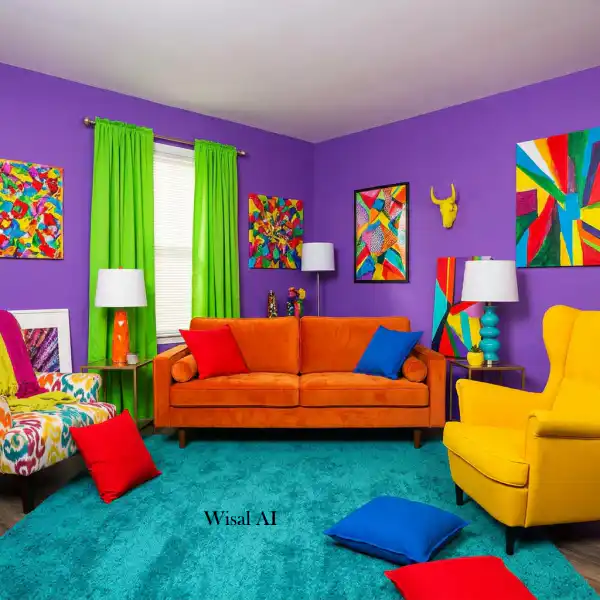
Color is one of the first things people notice when they enter a living room, making it one of the most powerful tools for creating a welcoming atmosphere. Warm, balanced colors immediately help a space feel more comfortable and inviting, while overly bright or high-contrast combinations can make the room feel visually busy. Professional designers often build living rooms around timeless neutral shades such as warm white, creamy beige, greige, taupe, soft brown, muted olive green, or warm gray. These colors reflect natural light beautifully while creating a calm foundation that complements a wide variety of furniture styles. Rather than introducing many competing colors, limit your palette to three or four complementary shades. Repeat these colors throughout the sofa, curtains, rug, cushions, artwork, and decorative accessories to create visual harmony. This repetition allows the eye to move naturally around the room, making the entire space feel cohesive. Texture becomes especially important when using neutral colors. Layering linen, boucle, woven fabrics, wood, ceramic, and soft textiles prevents the room from feeling flat while maintaining a peaceful atmosphere. A warm color palette doesn't simply improve the appearance of the living room—it establishes the emotional tone for the entire home.
2. Arrange Furniture to Encourage Conversation
A welcoming living room should bring people together rather than push them apart. One of the biggest layout mistakes is placing every piece of furniture against the walls. While this may seem like it creates more space, it often leaves the center of the room feeling empty and makes conversations less natural. Instead, arrange seating so that people can comfortably face one another. Position sofas and chairs around a central coffee table to create an intimate conversation area. Even in smaller living rooms, slightly pulling furniture away from the walls often improves the room's balance and functionality. Make sure there is enough walking space between furniture pieces while keeping seating close enough for relaxed conversation. Side tables placed within easy reach also make the room feel more practical and inviting. When furniture is arranged thoughtfully, the living room naturally becomes a place where family and guests enjoy spending time together.
3. Layer Soft Textures Throughout the Room
Warmth is created as much through texture as it is through color. Professional interior designers rarely rely on smooth surfaces alone. Instead, they combine a variety of tactile materials that add depth and comfort to the space. Begin with a soft area rug that anchors the seating arrangement. Add linen or boucle throw pillows, chunky knit blankets, velvet cushions, woven baskets, and natural wood furniture to introduce multiple layers of texture. Mixing different materials keeps the room visually interesting while maintaining a calm and sophisticated appearance. Textured fabrics also absorb sound, helping reduce echoes and making the living room feel quieter and more relaxing. The result is a space that not only looks comfortable but also feels inviting the moment you sit down.
4. Use Layered Lighting Instead of One Ceiling Fixture
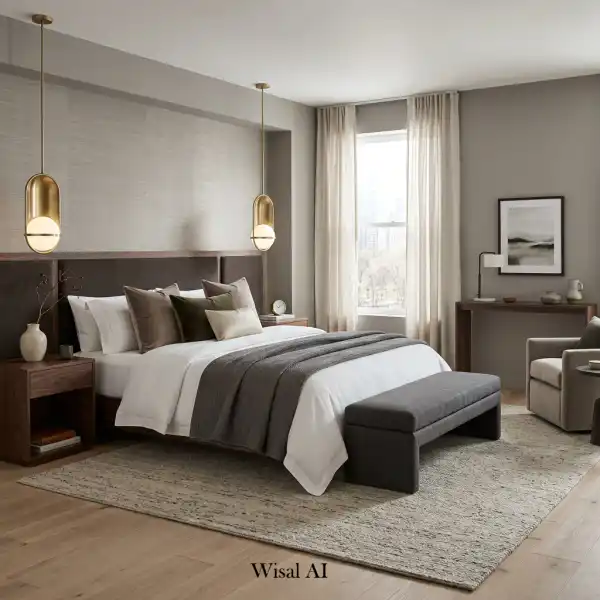
Lighting dramatically influences how welcoming a living room feels. A single overhead light often creates harsh shadows and flat illumination that fails to highlight the room's best features. Instead, combine multiple light sources at different heights. Pair ceiling lighting with table lamps, floor lamps, wall sconces, and subtle accent lighting placed on shelves or inside display cabinets. Warm white bulbs between 2700K and 3000K create the soft glow associated with comfortable, relaxing interiors. Installing dimmers allows you to adjust brightness depending on the activity—bright for reading or entertaining, softer for movie nights or quiet evenings. Layered lighting adds depth, highlights architectural details, and creates an atmosphere that feels welcoming throughout the day and evening.
5. Bring Natural Materials into the Space
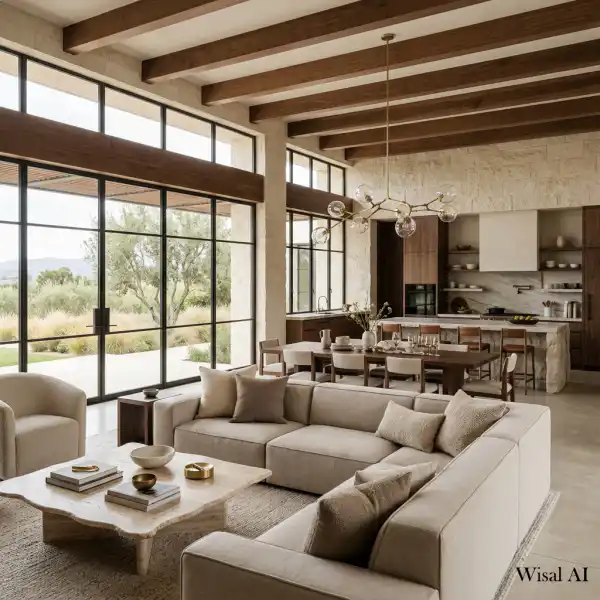
Natural materials have an incredible ability to make a living room feel warm, grounded, and timeless. Wood coffee tables, oak shelving, woven baskets, linen curtains, wool rugs, leather accents, ceramic vases, and stone decorative pieces introduce subtle variations in texture that synthetic materials often cannot replicate. Rather than filling the room with glossy finishes, mix organic elements that age beautifully over time. Natural wood, in particular, adds warmth regardless of whether your style is Scandinavian, Modern Organic, Contemporary, or Transitional. Even small additions—such as a handcrafted wooden tray or a woven storage basket—can soften the room while reinforcing its welcoming atmosphere. Natural materials help connect the interior to nature, creating a living room that feels both elegant and comfortably lived in.
6. Choose a Rug That Brings the Room Together
An area rug does much more than protect your flooring—it visually connects every major piece of furniture and creates a sense of unity throughout the living room. Without a properly sized rug, sofas, chairs, and tables can appear disconnected, making the room feel unfinished and less inviting. Professional interior designers almost always recommend choosing the largest rug your space can comfortably accommodate. Ideally, at least the front legs of the sofa and chairs should rest on the rug, creating one cohesive seating arrangement instead of several isolated furniture pieces. Texture is just as important as size. Wool rugs provide warmth and durability, while woven natural fibers introduce an organic feel. Plush rugs add comfort underfoot and encourage a relaxed atmosphere, especially during cooler months. The rug should complement the room rather than compete with it. Neutral tones, subtle patterns, and soft textures often create the most timeless appearance while allowing furniture and decorative accessories to stand out. A carefully selected rug instantly makes the living room feel warmer, quieter, and more complete.
7. Add Plenty of Cushions and Throws
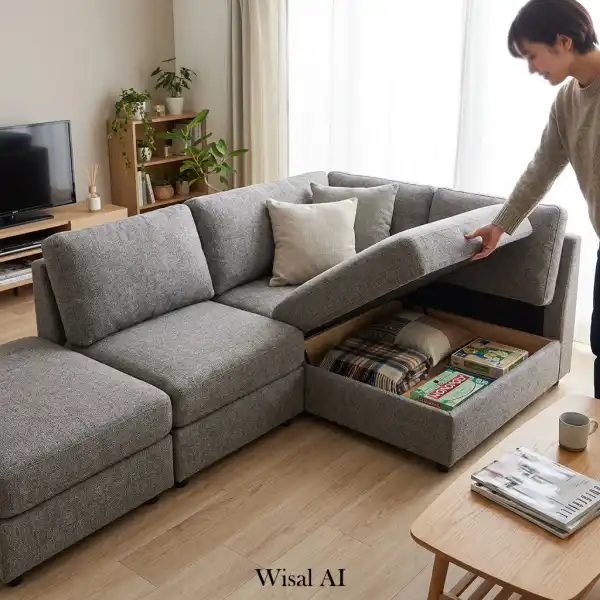
Nothing makes a living room feel more welcoming than furniture that looks comfortable enough to enjoy for hours. Decorative cushions and throw blankets soften the appearance of sofas and chairs while introducing additional layers of texture, color, and personality. Instead of using identical cushions, combine different sizes, shapes, and fabrics while keeping the overall color palette coordinated. Linen, velvet, boucle, cotton, and knitted textures work beautifully together because they create visual richness without overwhelming the room. A soft throw blanket casually folded over the arm of a sofa or draped across an accent chair instantly communicates warmth and relaxation. During colder seasons, these simple additions also make the room feel cozier both visually and physically. The goal isn't to fill every seat with pillows, but to create an inviting balance between comfort and simplicity. Well-chosen textiles make guests feel at home before they even sit down.
8. Bring Nature Indoors
One of the easiest ways to make a living room feel alive is by introducing natural greenery. Plants soften architectural lines, add subtle color, and create a fresh atmosphere that artificial decorations often cannot match. They also provide a beautiful contrast to wood, stone, and upholstered furniture, making the entire room feel more balanced. Large plants such as olive trees, fiddle-leaf figs, rubber plants, or bird of paradise varieties work wonderfully in empty corners. Smaller plants, including pothos, snake plants, and peace lilies, are perfect for shelves, side tables, or console tables. If caring for live plants isn't practical, high-quality artificial plants can still achieve a similar visual effect while requiring virtually no maintenance. Natural greenery helps create a welcoming environment by bringing a sense of calm and freshness into the home.
9. Create a Meaningful Focal Point
Every successful living room benefits from a clear focal point. Without one, the eye has nowhere to naturally settle, causing the room to feel visually scattered. A fireplace often becomes the natural centerpiece, but if your home doesn't have one, you can create a focal point using a large piece of artwork, a beautifully designed media wall, oversized windows, built-in shelving, or even an elegant statement mirror. Arrange furniture so it naturally faces or complements this central feature. Avoid competing focal points that divide attention. Instead, allow one primary element to establish visual hierarchy while supporting it with carefully chosen accessories. A strong focal point helps organize the room while making it feel intentionally designed.
10. Display Personal Accessories with Purpose
The most welcoming living rooms feel personal rather than generic. Thoughtfully selected accessories tell a story about the people who live there while adding warmth and character. Display a few meaningful items such as family photographs, travel souvenirs, handcrafted ceramics, favorite books, or treasured artwork. These objects create conversation and help guests feel connected to the space. However, avoid overcrowding every shelf or tabletop. Too many decorative objects create visual noise that can make the room feel smaller and more stressful. Professional designers often leave generous empty space between accessories, allowing each piece to become more noticeable and appreciated. Personal touches are most effective when they're carefully edited rather than excessively displayed.
11. Use Warm Ambient Lighting in the Evening
Natural daylight creates energy during the day, but evenings call for a softer atmosphere. Instead of relying on bright overhead lighting after sunset, introduce warm ambient lighting throughout the room. Table lamps, floor lamps, wall sconces, candles, and concealed LED lighting create gentle pools of illumination that encourage relaxation. Warm white bulbs between 2700K and 3000K produce the most comfortable glow for residential interiors. Layering multiple low-level light sources creates visual depth while eliminating harsh shadows that can make a room feel cold. Even simple changes, such as turning off the ceiling light and switching on several lamps, can dramatically transform the mood of your living room.
12. Keep Surfaces Organized
Warmth doesn't come from filling every available surface. In fact, clutter is one of the quickest ways to make a living room feel chaotic instead of welcoming. Keep coffee tables, side tables, media consoles, and shelves clean by displaying only a few carefully chosen accessories. Use decorative trays to organize remote controls, candles, or small decorative objects. Store magazines, electronics, and everyday items inside baskets or cabinets when not in use. Professional designers understand that empty space plays an important role in creating visual balance. A tidy room immediately feels calmer, making it easier for both family members and guests to relax.
13. Incorporate Different Heights
A room where every object sits at the same height can appear flat and predictable. Designers introduce visual movement by combining accessories and furniture of varying heights. Pair tall floor lamps with low coffee tables, place large plants beside sofas, display artwork above eye level, and mix short decorative objects with taller vases or candlesticks. Books stacked horizontally can elevate smaller decorative pieces while creating additional variation. These subtle differences encourage the eye to travel naturally throughout the room, making the overall composition feel dynamic yet balanced. Layering height adds sophistication without requiring additional furniture.
14. Introduce Soft Fragrance
A welcoming living room appeals to more than just sight. Subtle fragrance creates an immediate emotional connection that guests often notice before they consciously recognize it. Reed diffusers, lightly scented candles, essential oil diffusers, or fresh flowers can all introduce pleasant aromas without overwhelming the room. Popular scents such as cedarwood, sandalwood, vanilla, bergamot, lavender, and citrus blends complement living spaces particularly well. The fragrance should remain gentle and natural rather than dominating the environment. Combining beautiful visuals with subtle scent transforms the living room into a truly immersive experience.
15. Focus on Comfort Above Perfection
The most inviting living rooms aren't necessarily the most expensive or the most perfectly styled. They're the ones that encourage people to sit down, relax, and stay awhile. Choose comfortable seating rather than overly formal furniture. Leave enough space for movement. Add blankets within easy reach. Keep side tables accessible for drinks or books. Create reading corners near windows. Design the room around the way your family actually lives instead of following every decorating trend. Professional designers often remind homeowners that successful interiors balance beauty with functionality. A room that feels genuinely comfortable will always be more welcoming than one that looks perfect but feels untouchable. When comfort becomes the priority, warmth naturally follows.
Conclusion
A warm and welcoming living room is created through thoughtful design rather than expensive renovations. By combining a balanced color palette, comfortable furniture, layered lighting, natural materials, soft textiles, and meaningful decorative accents, you can transform an ordinary space into one that feels inviting every day. These elements work together to create visual harmony while encouraging relaxation, conversation, and connection. The smallest details often have the greatest impact. A generously sized rug unifies the furniture, carefully arranged cushions add comfort, indoor plants introduce life, and warm ambient lighting creates a cozy atmosphere after sunset. Keeping surfaces organized and displaying only meaningful accessories helps the room feel calm instead of cluttered, while a clear focal point gives the entire design purpose and balance. Ultimately, the most memorable living rooms are those designed around the people who use them. Prioritizing comfort, functionality, and timeless style ensures that your living room becomes more than just a beautiful space—it becomes the heart of your home, where family members gather, guests feel instantly welcome, and everyday moments become more enjoyable.
FAQs
1. What colors make a living room feel warmer?
Warm whites, beige, greige, taupe, soft browns, muted olive greens, and earthy tones create a cozy and inviting atmosphere.
2. How can I make my living room feel more welcoming on a budget?
Add textured cushions, throw blankets, indoor plants, warm lighting, and a properly sized rug while decluttering visible surfaces.
3. What is the biggest mistake in living room design?
Pushing all furniture against the walls often creates an empty, disconnected layout instead of encouraging conversation.
4. Do indoor plants really improve a living room?
Yes. Plants add natural color, soften architectural lines, and help create a fresher and more relaxing environment.
5. How many light sources should a living room have?
Most professionally designed living rooms include at least three layers of lighting, such as ceiling lights, table lamps, floor lamps, or wall sconces.
6. Why does my living room still feel cold after decorating?
A lack of texture, warm lighting, natural materials, and personal decorative touches can make even a well-furnished room feel uninviting.