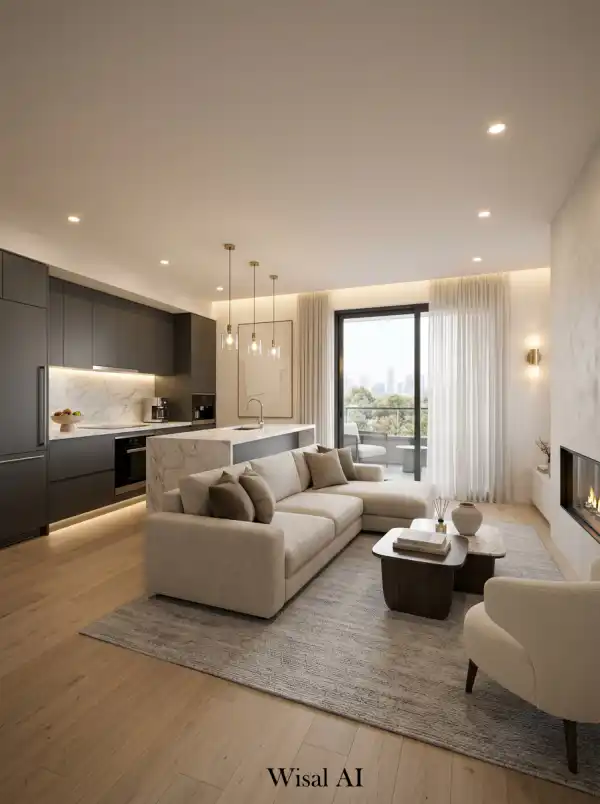
Designing a beautiful living room is about much more than buying expensive furniture or following the latest trends. The most inviting interiors are built on timeless design principles that create balance, comfort, and functionality. Professional designers rely on these rules to ensure every piece of furniture, every source of light, and every decorative element works together to create a space that feels effortless rather than accidental. A well-designed living room should support everyday life while also making a lasting visual impression. It should encourage conversation, provide comfortable seating, maximize natural light, and reflect your personal style without becoming cluttered. Achieving this balance isn't always about adding more it often comes from making smarter design decisions. Many homeowners unknowingly make simple mistakes that affect the overall appearance of their living rooms. Furniture that is too small, poor lighting, rugs that don't fit the space, or a lack of visual balance can make even expensive interiors feel unfinished. Understanding a few essential design rules helps you avoid these common problems while creating a home that feels professionally designed. In this guide, you'll discover 15 living room design rules every homeowner should know. These timeless principles are used by interior designers around the world and can be applied to almost any style, from modern and Scandinavian to organic modern, transitional, and quiet luxury.
1. Always Start with the Largest Furniture Piece
Every successful living room begins with a clear focal point, and in most homes, that starts with the sofa. Because it occupies the largest visual footprint, the sofa establishes the room's layout, influences traffic flow, and determines the scale of the remaining furniture. Rather than selecting smaller pieces first, choose a sofa that fits both the dimensions of the room and your lifestyle. A generously sized sofa often makes a living room feel more luxurious than several smaller seating options. Neutral upholstery in linen, bouclé, or textured woven fabrics provides a timeless foundation that can easily adapt to changing décor. Once the sofa is in place, the coffee table, accent chairs, lighting, and accessories can be arranged around it to create a cohesive composition. The result is a living room that feels balanced from the very beginning because every design decision is built around a strong central element.
2. Choose the Right Rug Size
One of the most common design mistakes is selecting an area rug that is too small. A rug should connect the seating arrangement rather than float awkwardly in the center of the room. Ideally, the front legs of the sofa and accent chairs should rest on the rug, visually unifying all the furniture into one comfortable conversation area. Larger rugs also create the illusion of a bigger room by extending the perceived boundaries of the seating space. Neutral wool rugs, textured woven designs, or subtle geometric patterns provide warmth without competing with statement furniture. Instead of becoming the center of attention, the rug should quietly support the overall design. The result is a living room that immediately feels more cohesive, spacious, and professionally planned.
3. Layer Your Lighting
A single ceiling fixture is rarely enough to create a comfortable living room. Professional designers combine multiple light sources to add depth, warmth, and flexibility throughout the day. Begin with ambient lighting such as recessed fixtures or a central chandelier. Add task lighting through floor lamps or table lamps beside seating areas, then complete the room with accent lighting that highlights artwork, shelving, or architectural features. Warm white bulbs between 2700K and 3000K create a welcoming atmosphere that complements natural materials and neutral color palettes. Installing dimmers allows the lighting to adapt for entertaining, reading, or relaxing in the evening. The result is a living room that feels inviting at every hour instead of appearing flat or overly bright.
4. Create One Clear Focal Point
Every living room should have a feature that naturally draws attention when someone enters the space. Without a clear focal point, the eye doesn't know where to settle, making the room feel visually busy. A fireplace, large picture window, statement sofa, built-in media wall, oversized artwork, or architectural feature can all become effective focal points. Arrange furniture to emphasize this feature rather than allowing multiple competing elements to fight for attention. Decorative accessories should support the focal point instead of distracting from it. Simplicity often creates a stronger visual impact than filling every surface with decoration. The result is a living room that feels intentional, organized, and visually calming.
5. Balance Comfort with Proportion
Luxury interiors are not defined by oversized furniture alone. Every piece should be appropriately scaled for the room while remaining exceptionally comfortable to use. A sofa that overwhelms a small living room limits movement, while furniture that is too small can make a large space feel empty. Coffee tables, side tables, lighting fixtures, and shelving should all relate proportionally to one another. Leave comfortable walking paths throughout the room to encourage natural circulation. Avoid overcrowding by choosing fewer, better-quality pieces instead of filling every corner. When furniture is correctly proportioned, the entire room feels more harmonious, functional, and effortlessly elegant.
6. Use a Cohesive Color Palette
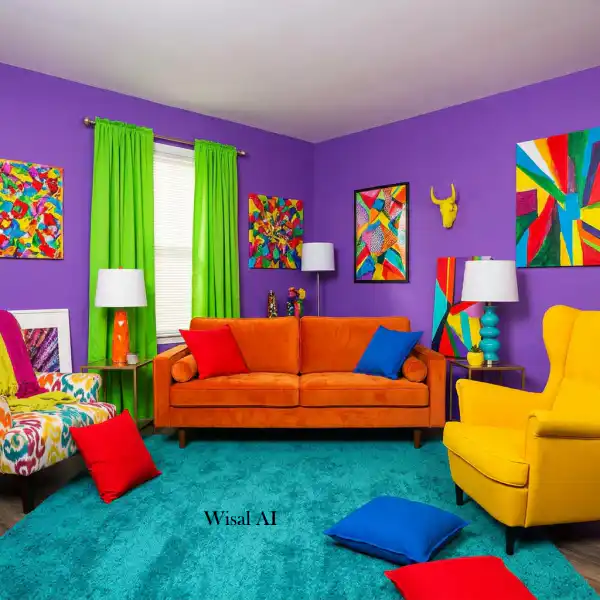
One of the easiest ways to make a living room feel professionally designed is to limit the number of dominant colors. While it can be tempting to introduce many different shades and patterns, too much variety often creates visual clutter and makes the room feel smaller than it actually is. Professional designers usually build a living room around a simple foundation of two or three primary colors. Warm whites, soft beige, greige, taupe, charcoal, sage green, and natural wood tones remain timeless because they work together effortlessly. Accent colors can then be introduced through artwork, cushions, decorative objects, or seasonal accessories without changing the overall design. A cohesive palette also allows premium materials such as white oak, walnut, marble, travertine, linen, and wool to become the stars of the room. Instead of relying on bright colors to create interest, texture becomes the primary design element. Maintaining consistency between the living room, dining area, and kitchen is especially important in open-concept homes. Repeating similar tones throughout connected spaces creates visual continuity and makes the entire home feel larger and more luxurious. The result is a calm, elegant living room that feels timeless rather than trendy.
7. Mix Textures Instead of Adding More Colors
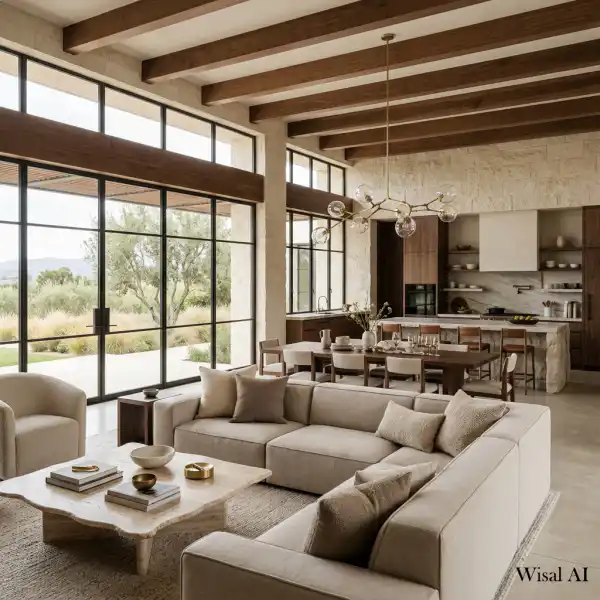
Many homeowners believe the secret to an interesting living room is introducing more colors, but experienced designers often do the opposite. They keep the color palette simple while creating depth through layers of texture. Imagine a room with a linen sofa, a wool rug, a marble coffee table, a white oak media console, boucle accent chairs, woven baskets, ceramic accessories, and soft linen curtains. Although most of these elements may share similar neutral tones, the combination of textures makes the room feel rich, inviting, and visually dynamic. Natural materials are particularly effective because they age beautifully and never feel artificial. Stone introduces subtle variation, wood adds warmth, woven fibers create softness, and metal accents provide gentle contrast. Texture also responds differently to natural and artificial light throughout the day, allowing the room to feel alive without requiring bold decorative choices. The result is a sophisticated interior that remains visually interesting while preserving a calm and relaxing atmosphere.
8. Leave Empty Space
One of the biggest differences between professionally designed living rooms and amateur decorating is the willingness to leave certain areas intentionally empty. Every wall does not need artwork, every shelf does not need accessories, and every corner does not need furniture. Negative space allows the eye to rest. It highlights statement pieces rather than forcing them to compete with surrounding objects. A sculptural chair appears more impressive when it has space around it, and a beautiful coffee table is easier to appreciate when it isn't covered with unnecessary decorations. Leaving empty areas also improves movement throughout the room. Wide walkways make the living room feel comfortable and spacious while reinforcing a sense of luxury that cannot be achieved through decoration alone. Rather than asking yourself what else you can add, consider whether removing something might improve the overall design. The result is a cleaner, more elegant living room where every remaining element feels intentional.
9. Invest in Quality Instead of Quantity
A common decorating mistake is purchasing many inexpensive furniture pieces in an attempt to fill the room quickly. While this approach may initially seem practical, it often results in a cluttered space that lacks cohesion and character. Professional designers typically recommend investing in a few exceptional pieces rather than many average ones. A high-quality sofa, a handcrafted coffee table, a solid wood media console, or a beautifully upholstered lounge chair will have a much greater impact than several inexpensive decorative items. Quality furniture not only looks better but also lasts significantly longer. Natural wood develops character over time, premium upholstery ages gracefully, and stone surfaces remain timeless for decades. Decorative accessories can always be updated as styles change, but the primary furniture should provide a strong foundation that remains relevant year after year. The result is a living room that feels curated, durable, and undeniably luxurious.
10. Use Natural Materials Whenever Possible
Natural materials have an authenticity that manufactured finishes rarely achieve. Their unique textures, subtle imperfections, and timeless beauty create interiors that feel warm and welcoming rather than artificial. White oak, walnut, marble, travertine, limestone, linen, wool, leather, and handcrafted ceramics all contribute to an elevated atmosphere. Because no two pieces of natural stone or wood are exactly alike, they introduce individuality that mass-produced materials cannot replicate. These materials also complement one another beautifully. A white oak media console pairs effortlessly with a travertine coffee table, while linen upholstery softens the appearance of stone and wood. The goal is not to use every natural material in one room but to combine a few thoughtfully chosen finishes that work together harmoniously. The result is a living room that feels timeless, inviting, and full of character.
11. Make Every Furniture Arrangement Encourage Conversation
A beautiful living room should not only look impressive but also function well for everyday life. One of the most overlooked design rules is arranging furniture to encourage conversation rather than simply facing everything toward the television. Position sofas and chairs so people can comfortably make eye contact without raising their voices. A coffee table placed within easy reach of every seat naturally brings the arrangement together and creates a welcoming social environment. If the television is part of the room, it should integrate into the layout rather than dominate it. Built-in media walls, concealed storage, or balanced shelving can help the screen blend into the overall design. A living room designed for conversation feels warmer, more inviting, and more enjoyable whether you're entertaining guests or spending time with family.
12. Add Height to the Room
Professional designers always consider the room vertically, not just horizontally. If all the furniture sits at a similar height, the living room can feel flat and uninspiring. Introduce visual height through floor-to-ceiling curtains, tall bookshelves, oversized artwork, statement floor lamps, indoor trees, or architectural wall paneling. These elements naturally draw the eye upward and make the ceiling appear higher than it actually is. Vertical design also balances large furniture pieces by distributing visual weight throughout the room rather than concentrating everything near the floor. The result is a living room that feels grander, brighter, and more architecturally interesting.
13. Don't Ignore the Walls
Walls should contribute to the room's design rather than simply serving as a backdrop. While paint alone can be beautiful, adding subtle architectural details introduces depth and character that elevate the entire space. Wall paneling, fluted wood, limewash finishes, decorative plaster, built-in shelving, textured stone, or oversized framed artwork all create visual interest without overwhelming the room. When selecting wall décor, remember that scale matters. One large piece of artwork often creates a stronger statement than several smaller frames scattered across the wall. Well-designed walls help define the personality of the living room while making the entire home feel more customized.
14. Keep Clutter Out of Sight
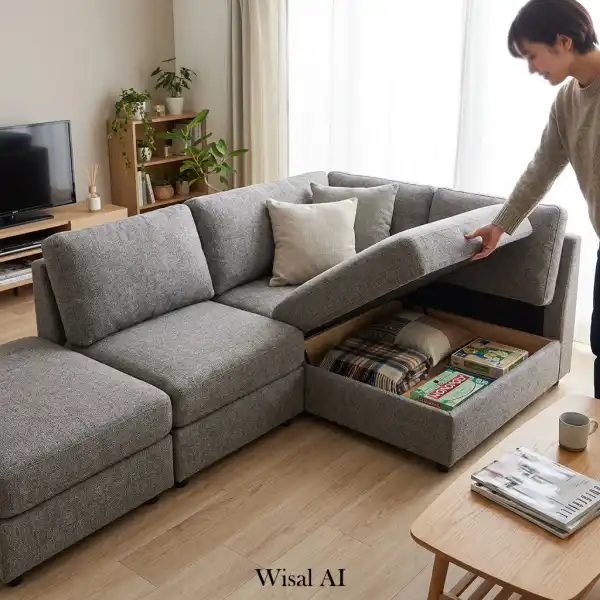
Even the most luxurious furniture loses its impact when surrounded by clutter. Remote controls, charging cables, magazines, toys, and miscellaneous household items quickly distract from the overall design. Built-in storage, concealed cabinets, storage ottomans, floating media units, and well-designed sideboards help keep everyday essentials organized without sacrificing accessibility. Open shelving should also be edited carefully. Instead of displaying everything you own, curate a balanced selection of books, ceramics, plants, and artwork while leaving empty space between objects. An organized room immediately feels calmer, larger, and significantly more expensive
15. Design for Longevity, Not Trends
Perhaps the most important design rule of all is to prioritize timelessness over temporary trends. Furniture, flooring, lighting, and architectural features represent long-term investments, so they should remain beautiful even as decorating styles evolve. Choose classic silhouettes, neutral upholstery, natural materials, and high-quality craftsmanship for the room's permanent elements. If you enjoy experimenting with trends, introduce them through cushions, throws, artwork, candles, or decorative accessories that are easy to replace. Timeless design also offers greater flexibility. As your preferences change over the years, the living room can be refreshed without requiring a complete renovation. The result is an elegant interior that continues to feel relevant, comfortable, and sophisticated for decades.
Conclusion
A truly beautiful living room is never created by chance. It is the result of thoughtful planning, balanced proportions, quality materials, and timeless design principles that work together to create a space that feels both functional and inviting. While furniture and décor certainly play an important role, it is the underlying design rules that determine whether a room feels harmonious or disorganized. These 15 living room design rules demonstrate that luxury is not about filling a room with expensive objects. Instead, it comes from choosing the right furniture scale, layering lighting effectively, embracing natural materials, maintaining visual balance, and allowing every element to serve a clear purpose. Even small improvements such as selecting a larger area rug, reducing clutter, or investing in one exceptional furniture piece can dramatically transform the way a living room looks and feels. Perhaps the greatest advantage of following timeless design principles is their longevity. Trends will continue to evolve, but balanced layouts, quality craftsmanship, comfortable furniture, and cohesive color palettes never go out of style. They provide a strong foundation that allows your living room to evolve naturally over time without requiring frequent redesigns. Whether your home reflects modern minimalism, Scandinavian simplicity, organic modern warmth, transitional elegance, or quiet luxury, these professional design rules will help you create a living room that is welcoming, practical, and effortlessly sophisticated for years to come.
FAQs
1. What is the most important living room design rule?
Starting with properly scaled furniture is one of the most important rules because it influences the layout, circulation, and overall balance of the room.
2. Why do professionally designed living rooms look more balanced?
Professional designers carefully consider proportion, lighting, furniture placement, texture, and negative space instead of focusing only on decoration.
3. How many colors should a living room have?
Most designers recommend a palette of two or three dominant colors supported by subtle accent shades for balance and visual consistency.
4. What size rug should I choose?
A living room rug should be large enough for at least the front legs of the sofa and chairs to rest on it, creating one unified seating area.
5. How can I make my living room look more luxurious?
Invest in quality furniture, layer your lighting, use natural materials, keep clutter hidden, and maintain a cohesive color palette.
6. Are natural materials better than synthetic ones?
Natural materials such as wood, stone, linen, wool, and leather generally provide greater durability, richer texture, and a more timeless appearance.
7. Should every living room have a focal point?
Yes. A clear focal point such as a fireplace, large window, statement sofa, or media wall helps organize the entire room visually.
8. Why is layered lighting important?
Layered lighting creates depth, improves functionality, and allows the atmosphere to change throughout the day depending on your needs.
9. How do I keep my living room from looking cluttered?
Choose furniture with built-in storage, edit decorative accessories carefully, and avoid filling every surface or wall with objects.
10. How can I make my living room timeless?
Focus on quality craftsmanship, classic furniture shapes, neutral colors, natural materials, and balanced proportions instead of short-lived trends.