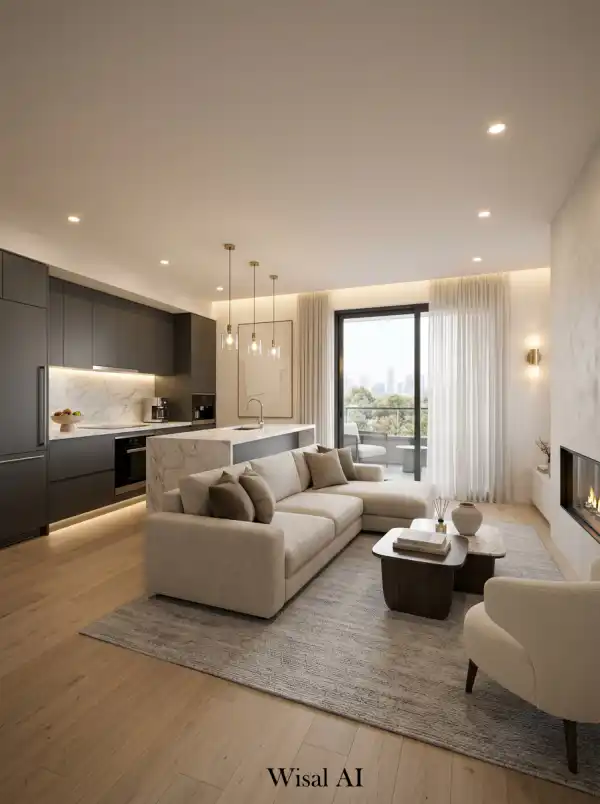
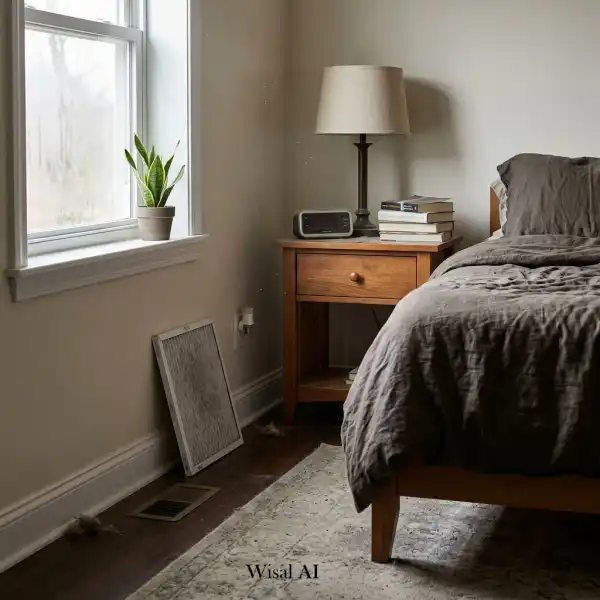
A spacious home isn't always determined by square footage. Some compact homes feel surprisingly open and airy, while much larger houses can seem cramped and crowded. The difference often comes down to design decisions rather than the actual size of the rooms. Furniture placement, color choices, lighting, storage, and decorative details all influence how large or small a space feels. Professional interior designers understand that creating the illusion of space is just as important as maximizing the available floor area. They know how to guide the eye, improve visual flow, and eliminate elements that make a room feel heavy or confined. Small adjustments—such as choosing the right rug size, allowing more natural light into the room, or reducing visual clutter—can dramatically transform the atmosphere without requiring expensive renovations. Unfortunately, many homeowners unknowingly make decorating mistakes that shrink their interiors. Oversized furniture, poorly placed accessories, dark color palettes, blocked windows, and crowded layouts can all make even a beautiful home feel smaller than it actually is. These mistakes are common because they often seem harmless on their own, but together they create visual congestion that limits both comfort and functionality. The good news is that most of these issues are surprisingly easy to fix. By making smarter design choices and focusing on balance, proportion, and simplicity, you can create rooms that feel brighter, more open, and significantly more inviting. In this guide, you'll discover 17 home decorating mistakes that make every room feel smaller. More importantly, you'll learn practical designer-approved solutions to avoid these common pitfalls and create a home that feels spacious, elegant, and comfortable every day.
1. Choosing Furniture That's Too Large
One of the biggest decorating mistakes is assuming that larger furniture automatically creates a more luxurious home. In reality, oversized sofas, bulky coffee tables, massive dining tables, and heavy cabinets can quickly overwhelm a room, leaving very little space for comfortable movement. Professional designers always consider proportion before purchasing furniture. Every piece should fit the dimensions of the room while maintaining clear walkways and balanced spacing. Instead of filling every available corner, allow furniture to breathe. Pieces with slim frames, exposed legs, and lighter visual weight help preserve openness while still providing comfort. A well-proportioned room almost always feels larger than one filled with oversized furniture.
2. Pushing Every Piece of Furniture Against the Walls
Many people believe pushing furniture against the walls automatically creates more floor space. Surprisingly, the opposite is often true. When every seating piece hugs the perimeter, the center of the room becomes an empty island while conversation areas feel disconnected. Professional interior designers usually float furniture slightly away from the walls to create more intimate seating arrangements. Even moving a sofa forward by a few inches can make the layout feel more intentional while improving circulation around the room. Balanced furniture placement creates depth and gives the illusion of a larger interior.
3. Using Rugs That Are Too Small
A rug that's too small immediately disrupts the visual flow of a room. Tiny rugs make furniture appear disconnected because each piece seems isolated rather than belonging to one unified arrangement. Ideally, the front legs of sofas, chairs, and other seating should rest comfortably on the rug. Larger rugs visually expand the room while creating a stronger sense of proportion. Choosing the correct rug size is one of the easiest ways to make any room feel significantly larger and more professionally designed.
4. Blocking Natural Light
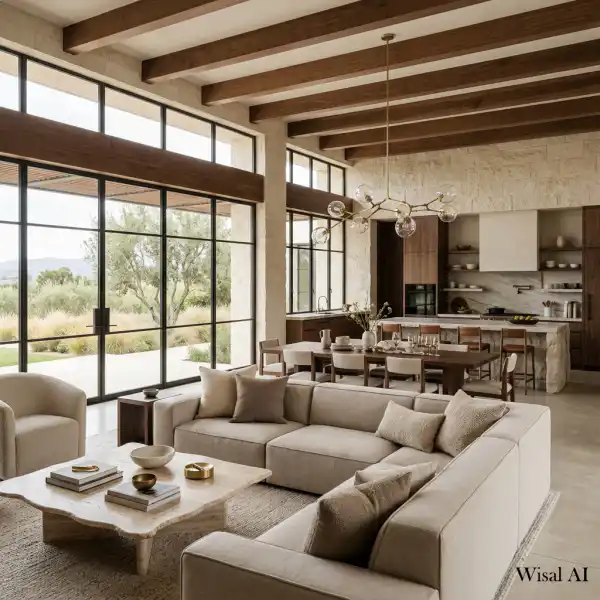
Natural light is one of the most valuable design elements in any home. Unfortunately, many homeowners accidentally reduce daylight by placing tall cabinets, oversized furniture, or heavy curtains directly in front of windows. Keep window areas as open as possible. Use sheer curtains or lightweight linen fabrics that soften sunlight without blocking it completely. Allow daylight to travel freely throughout the room, making walls, floors, and furniture appear brighter. The more natural light enters a room, the larger and more welcoming it feels.
5. Decorating Every Surface
More decoration doesn't necessarily create a more beautiful home. Crowded shelves, overloaded coffee tables, excessive wall décor, and countertops filled with accessories all contribute to visual clutter. Professional designers carefully edit decorative objects instead of displaying everything at once. Leave generous empty space around books, candles, artwork, ceramics, and plants. Negative space allows each object to stand out while making the room feel calmer and significantly more spacious. Sometimes removing decorations creates a stronger design statement than adding more.
6. Choosing Dark Colors Everywhere
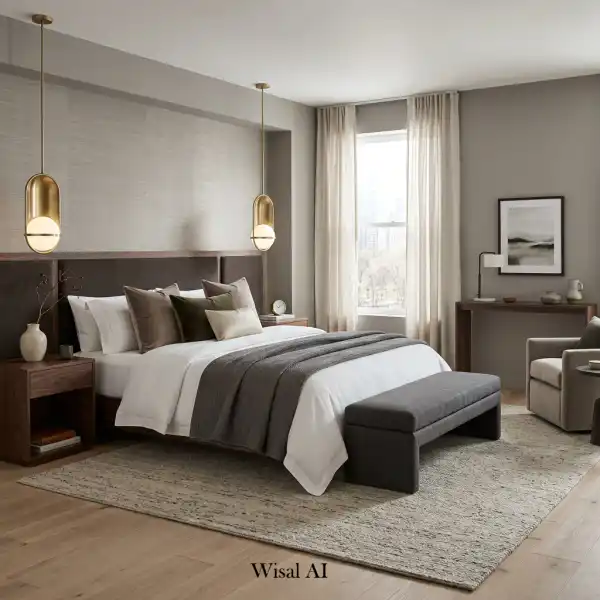
Dark colors can make a room feel elegant and dramatic, but using them on every surface often makes a space feel smaller than it actually is. Dark walls, dark ceilings, dark flooring, and dark furniture absorb light instead of reflecting it, reducing the feeling of openness. Professional interior designers usually create balance by combining darker elements with lighter finishes. For example, a charcoal sofa looks beautiful against warm white walls, while dark wood furniture feels lighter when paired with neutral rugs and bright curtains. If you love darker colors, use them as accents rather than the dominant palette. Decorative pillows, artwork, vases, or an accent chair can introduce depth without overwhelming the room. Lighter colors reflect both natural and artificial light more effectively, creating a brighter atmosphere that feels visually larger throughout the day.
7. Ignoring Vertical Space
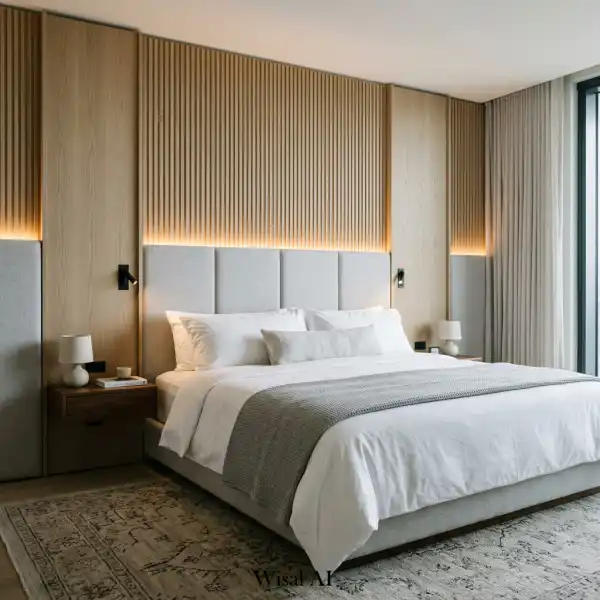
Many homeowners decorate only at eye level and forget that walls offer valuable design opportunities. Ignoring vertical space makes ceilings feel lower and rooms appear smaller. Professional designers often install floor-to-ceiling curtains, tall bookshelves, vertical wall panels, oversized artwork, or hanging plants to naturally guide the eye upward. Even placing curtain rods several inches above the window frame creates the illusion of taller ceilings. Vertical design adds visual height while making the architecture feel more impressive. The goal isn't to fill every wall but to encourage the eye to travel upward, increasing the perceived size of the room.
8. Using Too Many Different Colors
Color variety can add personality, but too many unrelated colors break visual continuity and make a room feel busy. Every sudden color change interrupts the eye as it moves through the space. Professional designers generally limit the primary palette to three or four coordinated colors repeated throughout the room. Accent colors should appear intentionally in cushions, artwork, rugs, decorative accessories, and plants rather than randomly scattered throughout the space. A cohesive color palette creates visual flow, making rooms feel calmer, larger, and more harmonious. Consistency is one of the simplest ways to achieve a designer-quality interior.
9. Overcrowding the Room with Furniture
One of the most common mistakes is believing that every empty corner needs to be filled. Extra chairs, side tables, cabinets, benches, and decorative stands often reduce functionality rather than improving it. Every furniture piece occupies visual and physical space. Professional designers carefully evaluate whether each item contributes comfort or function before including it. Leaving breathing room around furniture improves circulation, allows natural light to travel more freely, and helps architectural features stand out. Sometimes removing one unnecessary chair has a greater impact than purchasing an entirely new sofa. A room with fewer well-chosen pieces almost always feels larger than one filled with unnecessary furniture.
10. Poor Lighting Choices
Lighting dramatically influences how spacious a room feels. A single overhead ceiling light often creates harsh shadows that make corners appear darker and ceilings lower. Instead, layer several light sources throughout the room. Combine ceiling fixtures with table lamps, floor lamps, wall sconces, under-cabinet lighting, and accent lights. Warm white bulbs between 2700K and 3000K create a welcoming atmosphere while evenly illuminating the room. Layered lighting eliminates dark corners and creates depth, making every room feel significantly more open. Professional designers treat lighting as one of the most important architectural features rather than simply a practical necessity.
11. Covering Every Wall with Decorations
Gallery walls can be beautiful, but covering every available wall with artwork, mirrors, shelves, or decorative signs often creates visual overload. Luxury interiors typically leave generous sections of empty wall. Negative space gives artwork room to breathe while allowing the architecture itself to become part of the design. Choose fewer, larger statement pieces instead of many unrelated decorations. Oversized artwork often creates a stronger impression than several smaller frames because it simplifies the visual composition. A restrained approach makes the room feel calmer, cleaner, and much larger.
12. Choosing Heavy Window Treatments
Windows are the primary source of natural light in most homes. Heavy blackout curtains, dark drapes, or bulky valances can dramatically reduce brightness even during sunny days. Instead, choose lightweight linen, cotton, or sheer fabrics that filter sunlight while maintaining privacy. Install curtain rods close to the ceiling and extend them beyond the window frame so the curtains sit beside the glass instead of covering it. This simple designer technique allows maximum daylight into the room while making the windows appear taller and wider. Brighter rooms naturally feel larger and more welcoming.
13. Ignoring Hidden Storage
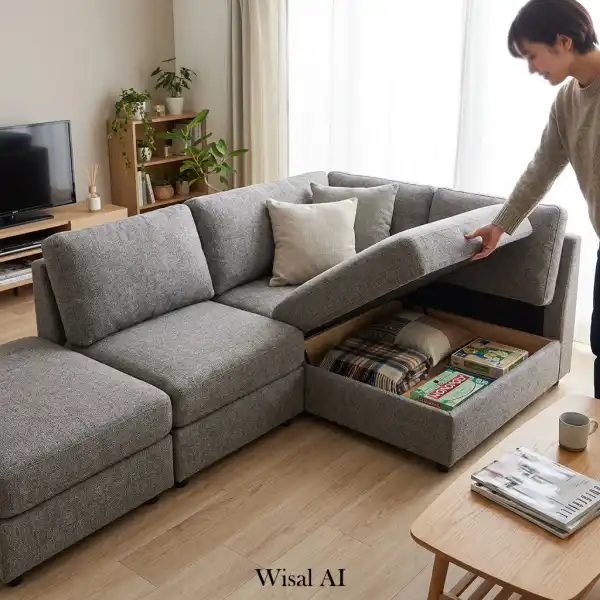
Visible clutter instantly reduces the feeling of spaciousness. Remote controls, chargers, toys, paperwork, kitchen appliances, and everyday objects quickly accumulate if they don't have dedicated storage. Professional designers prioritize hidden organization before decorative styling. Storage benches, built-in cabinets, floating shelves with concealed compartments, drawer organizers, baskets, and multifunctional furniture help keep surfaces clean while preserving functionality. An organized room immediately feels calmer and more spacious because unnecessary visual distractions disappear. Good storage isn't only practical it also improves the overall design.
14. Using Tiny Decorative Accessories
Many homeowners decorate with numerous small accessories instead of a few larger statement pieces. Collections of tiny candles, miniature vases, small sculptures, and scattered decorative objects often create visual noise. Professional designers generally choose fewer accessories with greater presence. One large ceramic vase, oversized artwork, substantial coffee table books, or a large indoor plant creates a cleaner and more sophisticated composition. Larger decorative elements simplify the room while helping it feel more intentional and spacious. Sometimes bigger accessories actually make a room appear larger.
15. Forgetting to Add Mirrors
Mirrors remain one of the oldest and most effective designer tricks for making rooms appear larger. Positioned opposite or adjacent to windows, mirrors reflect daylight throughout the room while creating the illusion of additional depth. Large mirrors are generally more effective than several small ones because they create a continuous reflection rather than fragmented views. Frameless mirrors, slim black frames, warm wood, or brass finishes all work beautifully depending on the home's design style. Strategically placed mirrors brighten interiors while visually doubling the available space.
16. Mixing Too Many Design Styles
Combining different design styles requires careful balance. Without a clear plan, mixing farmhouse, industrial, Scandinavian, traditional, coastal, and contemporary furniture can quickly create visual confusion. Professional designers usually establish one dominant style and introduce subtle influences from one or two additional styles. Repeating similar colors, materials, and shapes throughout the room maintains consistency even when combining different furniture pieces. A unified design language helps every room feel organized, spacious, and professionally curated.
17. Trying to Fill Every Empty Space
Perhaps the biggest decorating mistake of all is believing every empty area needs furniture or decoration. Luxury interiors embrace simplicity. Empty space isn't wasted space it allows architecture, natural light, textures, and carefully selected furniture to become the focus. Professional designers intentionally leave breathing room around sofas, dining tables, shelves, artwork, and decorative objects. This negative space improves movement, reduces visual stress, and creates a stronger sense of openness. A room doesn't feel luxurious because it's full it feels luxurious because every element has purpose. Learning when to stop decorating is often the final step toward creating a home that feels larger, calmer, and more elegant.
Conclusion
Many homes feel smaller not because of their actual size, but because of avoidable decorating mistakes that interrupt light, visual flow, and balance. Oversized furniture, cluttered surfaces, poor lighting, heavy window treatments, and inconsistent color palettes can all make even a spacious room feel confined. The good news is that these issues are often easy to correct with thoughtful design choices rather than expensive renovations. Creating a home that feels larger is about simplifying instead of adding more. Choosing furniture that fits the room, embracing natural light, incorporating hidden storage, using larger rugs and mirrors, and maintaining a cohesive color palette all contribute to a brighter and more open atmosphere. Small changes, when combined, can dramatically transform the way every room looks and functions. Ultimately, the most spacious-looking homes share one important quality: intentional design. Every piece of furniture serves a purpose, every decorative element complements the overall style, and every room includes enough breathing space to feel calm and inviting. By avoiding these 17 common decorating mistakes, you can create a home that feels larger, lighter, and more beautifully designed regardless of its square footage.
FAQs
1. What is the biggest decorating mistake that makes a room feel smaller?
Using oversized furniture is one of the most common mistakes because it reduces walking space and overwhelms the room.
2. Do light colors really make a room look bigger?
Yes. Light colors reflect natural and artificial light, creating a brighter atmosphere that visually expands the space.
3. How can I make a small room feel larger without remodeling?
Use mirrors, layered lighting, larger rugs, declutter surfaces, choose appropriately sized furniture, and maximize natural light.
4. Should furniture always be placed against the walls?
No. Pulling some furniture slightly away from the walls often creates a more balanced layout and improves the perception of space.
5. Why do designer homes feel more spacious?
They use balanced proportions, cohesive color palettes, strategic lighting, hidden storage, and intentional negative space to create openness.
6. Can decluttering really make a room feel bigger?
Absolutely. Removing unnecessary furniture and decorative items improves visual flow and allows the room's architecture and natural light to stand out.