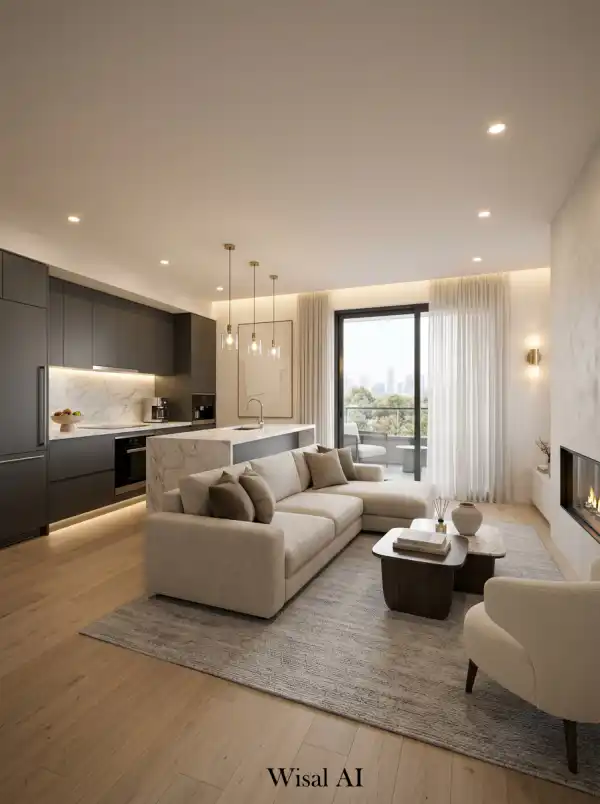
I remember the exact moment I realized my living room wasn't working anymore. It was a Sunday evening. I had just finished a long video call at the dining table that was awkwardly pushed into the corner of the living room. My kids had turned the sofa cushions into a fort. There were books stacked on the floor because the shelves were already full. And somewhere between the toys, the laptop cables, and the coffee cups, I thought: this room is supposed to be the heart of our home, but it feels like it's failing at everything. That moment changed how I think about living spaces. I didn't need a bigger room. I didn't need to renovate. What I needed was furniture and a layout that could actually keep up with how we live — not how we lived five years ago, but how we live right now, today, in a world where one room has to do the job of three or four. That's exactly what modular living room design is about. Modular living rooms aren't a trend that appeared overnight. They've been quietly growing for years, driven by smaller apartments, remote work, rising costs of living, and a genuine shift in how people think about home. But in 2026, the movement has matured. It's no longer just about buying a sectional sofa you can rearrange. It's about designing a full living space that adapts, transforms, and grows with you without ever losing its beauty or calm. If you're someone who values both style and flexibility, this guide is for you. Whether you live in a compact apartment or a spacious modern home, these 25 smart modular living room ideas will help you create a space that truly works today, tomorrow, and for years to come.
What Does "Modular Living Room" Actually Mean?
Before we dive into the ideas, let's make sure we're on the same page about what modular really means in the context of a living room. A modular living room is a space designed around furniture and systems that can be rearranged, reconfigured, expanded, or reduced based on your current needs. Instead of fixed, heavy furniture that stays in one position for years, modular pieces are designed to move, stack, combine, and adapt. Think of it this way: traditional furniture serves one function in one place. Modular furniture serves multiple functions in multiple arrangements. That's the core difference and it's a game-changer for modern life. In 2026, the modular approach goes beyond furniture. It includes modular storage, modular lighting, modular layouts, and even modular decor systems. The goal is always the same: a living room that flexes with your life instead of fighting against it.
Why Modular Living Rooms Are the Smartest Choice in 2026
There are real, practical reasons why this approach is gaining so much momentum right now: Homes are doing more than ever. The living room is no longer just for watching TV. It's a workspace, a playroom, a guest room, a reading corner, a yoga space, and a social hub sometimes all in the same week. Space is getting more expensive. In most cities, square footage costs more every year. Modular design helps you get maximum function from minimum space. Lifestyles are changing faster. People move more often, families grow and shift, and needs change quickly. Modular furniture travels with you and adapts to new homes. Sustainability matters more. Instead of replacing furniture every few years, modular pieces can be updated, expanded, or reconfigured reducing waste and saving money. Design has evolved. Modular furniture in 2026 looks nothing like the clunky, utilitarian pieces of the past. Today's options are beautiful, refined, and designed to fit calm modern interiors. Now let's get into the ideas.
25 Smart Modular Living Room Ideas
1. Start with a Modular Sectional Sofa as Your Foundation
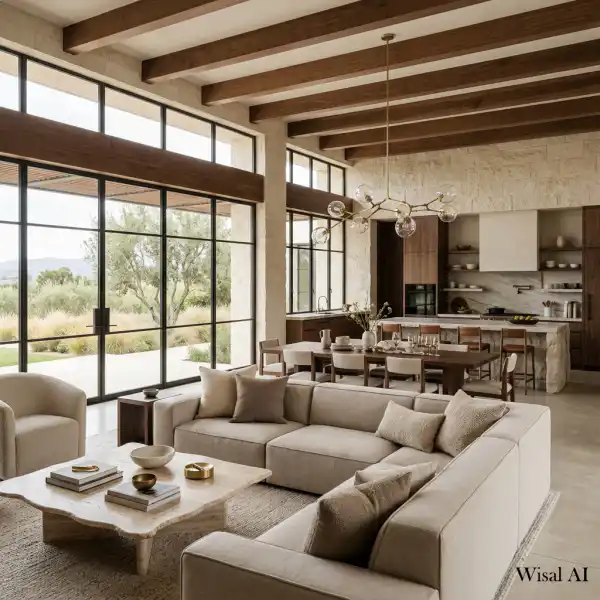
If there's one piece that defines the modular living room, it's the sectional sofa. But not the old-fashioned kind that fills the room and never moves. In 2026, the best modular sectionals come in individual sections corners, armless seats, ottomans, and chaise pieces that you can arrange, separate, and recombine based on the moment. Hosting a movie night? Pull everything together into a deep, generous L-shape. Working from home and need more open floor space? Separate the pieces and push them against the walls. Having guests over? Create two facing seating areas for conversation. My advice: Choose a modular sofa with a neutral, timeless upholstery like oatmeal linen, warm gray, or soft sand. This gives you maximum flexibility to change the room's mood with accessories rather than replacing the sofa itself. Look for pieces with removable, washable covers especially if you have kids or pets. It's a small detail that makes a huge difference in daily life.
2. Use Nesting Coffee Tables Instead of One Heavy Piece
A single large coffee table can dominate a living room and lock your layout in place. Nesting tables solve this beautifully. They tuck together when you want a clean, minimal look, and spread apart when you need more surface area. In 2026, the most popular nesting tables come in sets of two or three, often mixing materials like a larger oak table with a smaller marble or metal piece nested inside. This combination adds visual interest without clutter. Pro tip: When guests come over, pull the smaller tables out and place them near different seating areas. Suddenly, everyone has a surface for their drink without the room feeling crowded. When it's just you, nest them back together and enjoy the open space.
3. Add a Storage Ottoman That Does Triple Duty
The storage ottoman might be the most underrated piece of modular furniture. It serves as extra seating, a footrest, a coffee table (with a tray on top), and hidden storage all in one compact form. For flexible modern homes, choose an ottoman that matches or complements your modular sofa. Some brands even offer ottomans that connect directly to the sofa sections, effectively adding another seat when needed and separating when you want a standalone piece. What to store inside: Throws, extra cushions, kids' toys, remote controls, magazines, or anything else that tends to create visual clutter in the living room. The beauty of hidden storage is that it keeps the room looking calm and intentional.
4. Choose Lightweight Accent Chairs You Can Move Easily
One of the simplest modular strategies is choosing accent chairs that are light enough to reposition without effort. A chair that's easy to pick up and move can shift from the reading corner to the conversation area to the home office setup in seconds. In 2026, lightweight doesn't mean flimsy. Look for chairs with slim metal or wood frames and comfortable upholstered seats. Scandinavian and Japandi-inspired designs are particularly good at combining lightness with visual warmth. Style tip: A pair of matching lightweight chairs gives you even more flexibility. Place them facing the sofa for a traditional layout, angle them by the window for a reading nook, or move them to the dining area when you need extra seating for dinner guests.
5. Use Open Shelving Units as Flexible Room Dividers
In open-plan living spaces, one of the biggest challenges is defining zones without building walls. Modular open shelving units are the perfect solution. They create visual separation between the living area and dining space, home office, or entryway while still allowing light and airflow to pass through. The best modular shelving systems in 2026 are freestanding, which means you can reposition them whenever your layout changes. Some systems even allow you to add or remove shelf sections, adjusting the height and width to fit different spaces. Design note: Don't fill every shelf. Leave some sections open or place a plant, a single book, or a ceramic piece to keep the look breathable and curated. An overstuffed shelf defeats the purpose of a calm, modern interior.
6. Invest in a Convertible Media Unit
The way we consume media has changed dramatically, and the living room furniture should reflect that. A convertible or modular media unit lets you adjust shelf widths, add or remove components, and even reconfigure the entire setup when you upgrade your TV or sound system. Some of the smartest designs in 2026 include media units with sliding panels that hide the screen when it's not in use, turning the wall into a clean, minimal feature. Others offer modular drawer and cabinet combinations that let you customize storage based on what you actually need. Practical tip: If your living room doubles as a workspace, choose a media unit with a section that can serve as a small desk or display area during the day. This dual-purpose approach is exactly what flexible modern homes need.
7. Try Stackable Side Tables for Instant Flexibility
Stackable side tables are a small investment with a big impact. They take up minimal space when stacked, but when you need them, you can spread them around the room in seconds. They're perfect for entertaining, family gatherings, or simply having a surface next to every seat. Materials like solid wood, metal, and terrazzo are trending for stackable designs in 2026. The key is choosing tables that look intentional whether they're stacked or separated not like temporary furniture, but like designed objects. How I use mine: I keep a set of three stacked next to the sofa. When friends visit, each table goes next to a different seat. When it's just our family, they stay stacked and almost disappear into the room.
8. Create a Modular Reading Corner That Can Expand or Shrink
Reading corners are one of the most loved features in modern homes, and making yours modular adds a whole new layer of flexibility. Instead of a fixed built-in bench, use a compact modular chaise or a deep armchair paired with a moveable side table and a portable floor lamp. When you want to read, everything is in place. When you need the space for something else a play area, a yoga mat, extra seating the pieces can be relocated quickly. Comfort tip: Add a soft throw and one or two cushions in textured fabrics like boucle or washed linen. These small touches make the reading corner feel intentional and cozy without cluttering the living room.
9. Replace the Traditional Console Table with a Modular Entryway System
The transition between the entryway and the living room sets the tone for the entire home. A modular console system with hooks, small shelves, a bench, or wall-mounted components can adapt to your daily needs while keeping the area organized and welcoming. In 2026, modular entryway systems are designed to be slim, elegant, and customizable. You choose the components you need and arrange them in a way that fits your space. Some families add a small bench with storage for shoes. Others prefer a floating shelf with hooks for keys and bags. The point is that you build the system around your life, not the other way around.
10. Use Modular Floor Seating for a Relaxed, Grounded Look
Floor seating has been gaining popularity in modern interiors, especially in homes influenced by Japanese, Moroccan, or bohemian design. Modular floor cushions, low poufs, and tatami-style seating offer a relaxed alternative to traditional chairs and sofas. The beauty of floor seating is its total flexibility. Stack the cushions in a corner when not in use. Spread them out for a casual movie night. Arrange them in a circle for a family game. They adapt to any situation instantly. Material advice: Choose floor cushions with durable, washable covers in natural fabrics. Earthy tones like clay, olive, sand, and warm charcoal work beautifully in calm modern living rooms.
11. Opt for a Modular Sofa with Built-In Storage
Some of the smartest modular sofas in 2026 come with built-in storage compartments hidden beneath the seats or inside the armrests. This is especially valuable in small living rooms where every inch matters. You get the comfort and style of a full sofa, plus the practical benefit of hidden storage for blankets, cushions, board games, or anything else you want to keep close but out of sight. Why this matters: A clutter-free living room instantly feels larger, calmer, and more expensive. Built-in storage helps you maintain that feeling effortlessly.
12. Design a Modular Kids' Zone Within the Living Room
If you have young children, the living room inevitably becomes a play space. Instead of fighting this, design a modular kids' zone that integrates into the room and can be packed away when needed. Low modular storage cubes, soft play mats that roll up, and small stackable stools give kids their own area without permanently taking over the living room. When it's adult time, the zone packs down and the room returns to its calm, styled state. Parenting tip: Choose storage cubes in the same color palette as the rest of the room. This small decision keeps the kids' zone looking like part of the design rather than an afterthought.
13. Add a Rolling Bar Cart or Utility Cart
A rolling cart is one of the most versatile modular pieces you can own. Use it as a bar cart for entertaining, a coffee station in the morning, a display shelf for books and plants, or even a mobile workspace. In 2026, the most stylish carts feature warm metals like brushed brass or matte black combined with wood or marble shelves. They look elegant enough to be a permanent part of the decor, but their wheels mean they can move wherever they're needed.
14. Use Poufs as Multi-Purpose Modular Seating
Poufs are small, lightweight, and endlessly useful. They serve as footrests, extra seats, casual side tables (with a tray on top), and even floor-level play seats for kids. In a modular living room, poufs fill the gaps that larger furniture can't. Choose poufs in textured materials like knitted wool, woven jute, or leather for a look that adds warmth and character. Keep two or three in the living room and move them wherever the moment demands.
15. Build a Modular Gallery Wall That Evolves Over Time
Modularity doesn't have to stop at furniture. A gallery wall designed with a modular system using picture ledges, magnetic frames, or rail-mounted artwork lets you change, rearrange, and update your wall decor without putting new holes in the wall every time. This approach is perfect for renters and for anyone who likes to refresh their space regularly. Swap photos, add new prints, or rearrange the layout seasonally. The wall stays dynamic and personal without ever looking messy.
16. Choose a Modular TV Wall System for a Clean Look
Wall-mounted modular TV systems are one of the strongest trends for living rooms in 2026. These systems combine the TV mount with floating shelves, cabinets, and display areas that can be configured in different arrangements. The result is a media wall that looks custom-built but is actually flexible. You can add components as your needs change, rearrange the layout when you redecorate, or even take the whole system with you when you move. Design tip: Keep the palette consistent matte finishes in warm white, light wood, or soft gray create a seamless, high-end look that doesn't compete with the rest of the room.
17. Try a Daybed Instead of a Traditional Sofa
A daybed is one of the most flexible seating options for modern living rooms. It works as a sofa during the day, a reading lounge in the afternoon, and a guest bed at night. Many modular daybeds come with removable bolsters and back cushions that let you switch between sofa mode and bed mode easily. In smaller homes and studio apartments, a daybed can replace both the sofa and the guest bed, saving significant space. Choose one with a clean, modern frame and quality upholstery for a look that feels sophisticated rather than casual.
18. Install Modular Wall-Mounted Storage to Free Up Floor Space
When floor space is limited, the walls become your best friend. Modular wall-mounted shelving and storage systems let you display books, plants, artwork, and everyday items without using any floor area. The modular aspect means you can start small and add more units over time, or reconfigure the layout when you rearrange the room. Systems with a mix of open shelves and closed cabinets offer the best balance between display and hidden storage. Styling tip: Alternate between functional storage and decorative display. A shelf with books next to a shelf with a single plant and a candle creates a rhythm that feels curated and intentional.
19. Create Flexible Lighting Zones with Modular Lamps
Lighting is one of the most overlooked aspects of a flexible living room. Modular lighting portable table lamps, rechargeable floor lamps, adjustable wall sconces, and track lighting systems lets you change the mood and function of the room without rewiring anything. In 2026, rechargeable cordless lamps are particularly popular because they can be placed anywhere without needing a power outlet. Move them to the reading corner in the evening, the dining table for dinner, or the coffee table for ambient warmth during a movie. Atmosphere tip: Layer your lighting with at least three sources at different heights a floor lamp, a table lamp, and a wall or ceiling light. This creates depth and warmth that a single overhead light can never achieve.
20. Use a Foldable or Extendable Dining Table Near the Living Area
In open-plan homes, the dining area and living room often share the same space. A foldable or extendable dining table gives you the best of both worlds: a compact table for daily use that expands when you're hosting a larger meal. This is one of the most practical modular investments you can make. Look for tables with smooth extension mechanisms and sturdy construction you want something that feels solid at both sizes, not wobbly when extended. Daily life benefit: On regular days, the smaller table keeps the room feeling open and spacious. When guests arrive, extending it takes just a few seconds, and suddenly you have room for everyone.
21. Add Modular Corner Seating for Awkward Spaces
Almost every living room has at least one awkward corner that's hard to furnish. Modular corner seating a compact L-shaped piece, a corner bench with storage, or a set of angled modular seats can turn that dead space into one of the most functional areas in the room. What works best: A low-profile corner bench with a few cushions creates a cozy secondary seating area without overwhelming the room. Add a small side table and a lamp, and you have an instant reading nook or conversation corner.
22. Invest in Modular Storage Cubes for Ultimate Versatility
Modular storage cubes are the building blocks of a flexible living room. Stack them vertically for a bookshelf. Line them horizontally for a low media unit. Scatter them for side tables. Use them as seating with a cushion on top. The beauty of storage cubes is their simplicity. They're affordable, easy to move, and endlessly reconfigurable. In 2026, the most popular versions come in natural wood, painted matte finishes, or fabric-covered options that blend seamlessly into calm modern interiors.
23. Design a Work-From-Home Corner with Modular Pieces
The home office isn't going away, but it doesn't need to dominate the living room. A modular work corner built with a slim foldable desk, a lightweight chair, and a small wall-mounted shelf can be set up in minutes and packed away when the workday ends. This approach lets you maintain a clear boundary between work and relaxation without dedicating an entire room to a home office. When the desk folds down and the chair moves back to the dining table, the living room returns to its calm, restful state. Mental health note: Having the ability to physically "close" your workspace at the end of the day is incredibly important for mental well-being. Modular work setups make this possible even in the smallest apartments.
24. Use Washable, Changeable Sofa Covers for Seasonal Updates
One of the smartest modular strategies isn't about buying new furniture it's about transforming what you already have. Modular sofas with removable, washable covers let you change the entire look and feel of your living room with a simple cover swap. Light linen covers in summer. Warm boucle or velvet covers in winter. Neutral tones when you want calm. Richer earth tones when you want warmth. It's like having multiple sofas for the price of one. Budget-friendly tip: Instead of redecorating the entire room each season, invest in two or three sets of high-quality sofa covers. It's the most cost-effective way to keep your living room feeling fresh year-round.
25. Keep the Center of the Room Open and Free
This might be the most important modular living room idea of all and it's not about adding something. It's about leaving space. The most flexible living rooms in 2026 keep the center of the room open. Furniture is arranged along the walls and in corners, with the middle area left clear for movement, play, exercise, or simply breathing room. An open center makes the room feel larger, calmer, and more adaptable. When you need the space for a yoga session, it's there. When kids need to play, it's there. When you're hosting and people are moving around, the flow feels natural and easy. My personal experience: The single change that made the biggest difference in my own living room was pulling the furniture back and leaving the center empty. It felt counterintuitive at first almost like something was missing. But within a week, the room felt lighter, calmer, and more alive. Now I can't imagine going back.
How to Make Your Modular Living Room Still Feel Cozy
One concern many people have about modular design is that it might feel cold, impersonal, or too functional. This is a valid worry, but it's easy to solve. The key is layering warmth through materials and textures. Modular furniture provides the flexibility and structure. The coziness comes from what you add on top: Soft throws draped over sofa sections Textured cushions in natural fabrics Warm lighting at multiple levels A quality area rug that anchors the seating zone Natural materials like wood, wool, linen, and ceramics Personal items like books, candles, and meaningful decor When these elements come together, a modular living room feels just as warm and inviting as a traditional one but with ten times the flexibility.
Choosing the Right Modular Furniture: What to Look For
Not all modular furniture is created equal. Here's what to consider before investing: Quality of construction. Modular pieces get moved and reconfigured often, so they need to be well-built. Look for solid frames, reinforced connectors, and durable upholstery. Ease of reconfiguration. The whole point is flexibility. If it takes three people and twenty minutes to rearrange the sofa, it's not truly modular. The best pieces move easily and connect securely. Visual coherence. Choose pieces that work together even in different arrangements. Consistent materials, colors, and proportions help the room look intentional no matter how you configure it. Scalability. The best modular systems let you buy additional pieces later. Starting with a three-section sofa? You should be able to add a fourth section or an ottoman down the road without it looking mismatched. Comfort. Never sacrifice comfort for flexibility. The furniture still needs to feel good. Sit on it, lie on it, and make sure it supports you properly before buying.
Final Thoughts
The living room has always been the heart of the home. But in 2026, that heart needs to beat in more rhythms than ever before. It needs to be a place for rest and a place for productivity. A space for solitude and a space for gathering. A room that feels beautiful and calm, but also works hard behind the scenes. Modular living room design makes all of this possible without compromise. The 25 ideas in this guide aren't about following a trend for the sake of it. They're about building a living space that respects how you actually live. A space that adapts when your needs change, grows when your family grows, and stays beautiful through all of it. The smartest home isn't the biggest or the most expensive. It's the one that works with you, not against you. And that's exactly what a well-designed modular living room does. Start with one idea. Maybe it's a modular sofa, a set of nesting tables, or simply clearing the center of the room. See how it feels. Then build from there. Your living room should never be a space you work around. It should be a space that works around you.
FAQ
1.What is modular furniture in a living room?
Modular furniture consists of individual pieces or sections that can be combined, rearranged, and reconfigured to create different layouts and serve different functions. In a living room, this typically includes modular sofas, stackable tables, moveable storage units, and multi-purpose pieces that adapt to your changing needs.
2.Is modular furniture a good choice for small living rooms?
Absolutely. Modular furniture is one of the best solutions for small living rooms because it allows you to maximize every inch of space. Pieces can be rearranged to open up floor area when needed, combined for seating when hosting guests, and tucked away when not in use. It gives small spaces the functionality of much larger rooms.
3.How do I keep a modular living room from looking messy or disorganized?
The key is visual consistency. Choose modular pieces in a cohesive color palette and similar materials. Use hidden storage to reduce clutter. Keep the center of the room open. And layer in warmth through textured throws, cushions, and quality lighting. When the foundation is consistent, the room will look intentional no matter how you arrange it.
4.What is the best modular sofa for a modern home in 2026?
The best modular sofa for 2026 is one that combines clean modern lines with genuine comfort and easy reconfiguration. Look for sofas with individual sections that connect securely but detach quickly, removable washable covers, and a neutral upholstery that works across seasons and styles. Brands that offer expandable systems where you can add new sections later provide the best long-term value.
5.Can modular living rooms still feel cozy and warm?
Yes, and this is one of the biggest misconceptions about modular design. Flexibility doesn't mean coldness. By layering soft textiles, warm lighting, natural materials, and personal touches, a modular living room can feel just as inviting and comforting as any traditionally designed space. The difference is that it also adapts to your life.
6.Is modular furniture more expensive than traditional furniture?
Modular furniture can range from very affordable to high-end, just like traditional furniture. The key advantage is long-term value. Because modular pieces adapt, expand, and travel with you, they often last through multiple life stages and home changes making them a smarter investment over time compared to fixed furniture that may need to be replaced when your needs change.
7.How do I start transitioning to a modular living room?
Start with one or two key pieces usually the sofa and the coffee table, since they have the biggest impact on the room's layout and function. From there, gradually replace or add modular elements like storage, lighting, and accent seating. You don't need to transform the entire room at once. The beauty of modular design is that it's built to evolve, one piece at a time.