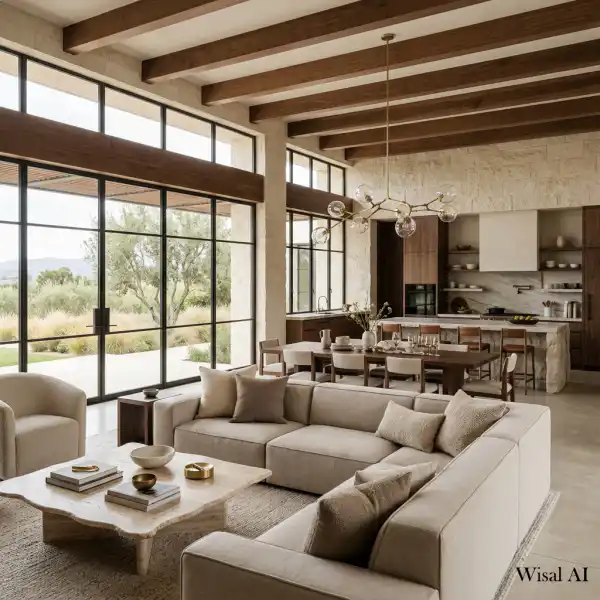
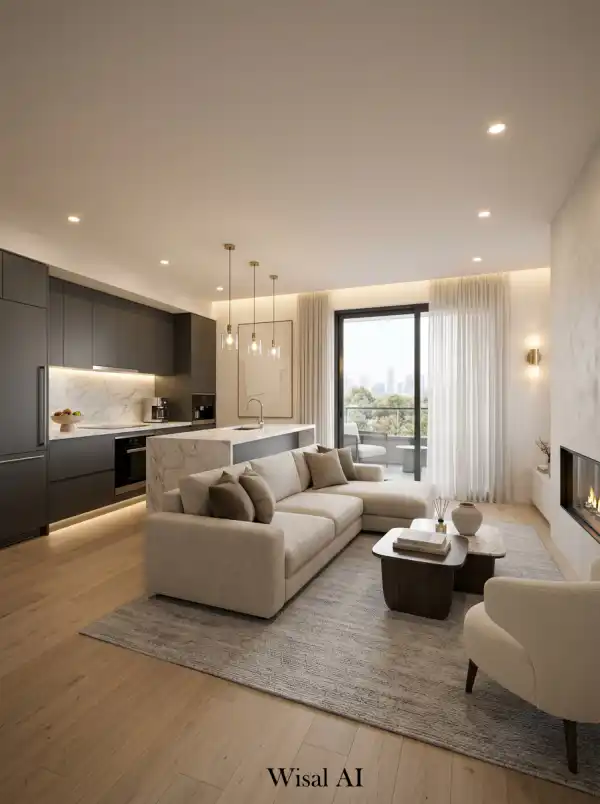
Open concept living has become one of the defining features of modern home design. By removing unnecessary walls and creating a seamless connection between living, dining, and kitchen areas, homeowners can enjoy spaces that feel brighter, larger, and more functional. This design approach is especially popular because it encourages social interaction, improves natural light flow, and creates a stronger sense of openness throughout the home. However, designing an open concept living room requires more than simply combining multiple spaces into one large area. The most successful interiors use thoughtful furniture placement, consistent materials, layered lighting, and subtle zoning techniques to maintain organization while preserving openness. Every element must work together to create a cohesive environment that feels both practical and visually appealing. Whether your style leans toward modern minimalism, Scandinavian warmth, contemporary luxury, or timeless elegance, an open concept layout can adapt beautifully to your lifestyle. These inspiring ideas will help you design a living space that feels connected, welcoming, and perfectly suited for modern living.
1. Seamless Living Room and Kitchen Layout
One of the greatest advantages of an open concept home is the ability to create a seamless relationship between the living room and kitchen. Instead of treating these areas as separate rooms, modern design encourages them to function as part of a unified environment. This approach improves movement throughout the home while making the overall space feel significantly larger and more welcoming. A successful layout starts with visual consistency. Similar color palettes, flooring materials, and finishes help connect both areas naturally. For example, warm wood flooring can run continuously from the kitchen into the living room, creating an uninterrupted flow that ties the entire space together. Furniture placement also plays an important role. A sofa positioned strategically between the kitchen and living room can help define each zone without creating physical barriers. Kitchen islands often serve as transitional elements that connect both spaces while providing additional seating and functionality. The result is an open and inviting environment where cooking, entertaining, and relaxing can happen simultaneously, making everyday life more convenient and enjoyable.
2. Neutral Open Concept Living Room
A neutral color palette is one of the most effective ways to enhance the feeling of openness in a modern living space. Soft shades such as warm white, beige, taupe, and light gray create a calm foundation that allows the entire room to feel brighter and more spacious. In open concept homes, color consistency is particularly important because multiple functional areas are visible at the same time. Using a cohesive palette helps create visual harmony between the living room, dining area, and kitchen. Instead of dividing the space through contrasting colors, the design relies on subtle variations in tone and texture to add depth. Natural materials such as linen, oak, wool, and stone work beautifully within neutral interiors. These elements introduce warmth and character without disrupting the calm atmosphere. Layered textiles, textured rugs, and upholstered furniture help prevent the room from feeling flat or sterile. The beauty of a neutral open concept living room lies in its timelessness. It feels sophisticated, adaptable, and effortlessly elegant while providing the perfect backdrop for modern living.
3. Scandinavian Open Concept Living Room
Scandinavian design is perfectly suited to open concept homes because it emphasizes simplicity, functionality, and natural light. This design style focuses on creating bright and comfortable spaces that feel both practical and welcoming. A Scandinavian open concept living room typically features light wood finishes, white walls, and simple furniture with clean lines. Large windows are often left unobstructed to maximize daylight, helping the entire space feel airy and expansive. Soft textiles such as wool throws, linen cushions, and natural fiber rugs add warmth without introducing visual clutter. One of the key strengths of Scandinavian interiors is their ability to balance minimalism with comfort. Furniture is carefully selected to serve both functional and aesthetic purposes, ensuring that the space remains organized and easy to navigate. When applied to an open concept layout, Scandinavian design creates a cohesive environment where every element contributes to a sense of calm and harmony. The result is a modern home that feels bright, inviting, and effortlessly stylish.
4. Large Area Rug Living Room Zoning
In open concept interiors, defining different functional zones without using walls is essential. One of the simplest and most effective ways to achieve this is through the use of a large area rug. Rugs help visually anchor furniture arrangements while clearly identifying specific areas within the larger space. A well-sized rug can define the living room zone by grouping together sofas, chairs, and coffee tables. This creates a distinct area for relaxation and conversation while maintaining the openness of the overall floor plan. The rug acts as a visual boundary without interrupting the flow of the room. Texture and material are just as important as size. Natural wool rugs, flatweave designs, or subtle textured patterns add warmth and comfort while complementing contemporary interiors. Choosing colors that coordinate with the surrounding palette ensures visual continuity throughout the home. By using rugs strategically, homeowners can organize open spaces in a way that feels intentional and elegant while preserving the airy character that makes open concept living so appealing.
5. Statement Lighting Open Concept Design
Lighting plays a critical role in open concept interiors because it helps define different areas while enhancing the overall atmosphere of the home. Statement lighting fixtures are particularly effective because they provide both functional illumination and strong visual impact. Large pendant lights above a dining table, sculptural chandeliers in the living room, or modern fixtures positioned over a kitchen island can establish clear focal points within the open layout. These lighting elements help distinguish one zone from another without requiring physical dividers. Beyond aesthetics, layered lighting improves flexibility and comfort. Combining overhead fixtures with floor lamps, table lamps, and accent lighting creates depth throughout the space and allows different moods to be achieved depending on the time of day. The key is maintaining consistency between fixtures so that the overall design feels cohesive. When selected thoughtfully, statement lighting transforms an open concept home into a sophisticated environment that feels balanced, functional, and visually dynamic.
6. Modern Open Concept Living Room with Island Kitchen
A kitchen island is one of the most valuable features in a modern open concept home because it naturally connects the kitchen and living room while providing additional functionality. Rather than acting as a barrier, the island becomes a central gathering point where family members and guests can interact comfortably. In contemporary interiors, kitchen islands often serve multiple purposes. They provide extra workspace for meal preparation, casual dining seating, and additional storage. This versatility makes them especially useful in homes where maximizing efficiency is important. The design of the island should complement the overall aesthetic of the open space. Materials such as natural stone, quartz, wood, or textured finishes can help create a cohesive look that ties the kitchen and living room together. Pendant lighting above the island further enhances its presence while helping define the kitchen zone. When designed thoughtfully, an island kitchen strengthens the social aspect of open-plan living and creates a seamless flow between cooking, dining, and relaxing.
7. Floor-to-Ceiling Windows Open Concept Space
Few architectural features enhance an open concept living room as dramatically as floor-to-ceiling windows. These expansive glass panels flood the interior with natural light, making the entire space feel larger, brighter, and more connected to the outdoors. Natural light plays a crucial role in modern interiors because it highlights textures, materials, and colors throughout the day. In an open layout, this effect becomes even more powerful as sunlight can travel freely across multiple connected spaces. Large windows also help blur the boundary between indoor and outdoor living. Whether overlooking a garden, city skyline, or natural landscape, the view becomes an integral part of the interior design. This connection creates a sense of openness that walls simply cannot achieve. To maintain privacy while preserving light, homeowners often use sheer curtains or minimal window treatments. The result is a sophisticated living environment that feels airy, luxurious, and closely connected to nature.
8. Open Concept Living Room with Natural Wood Accents
Natural wood accents bring warmth and character to open concept interiors, helping balance the clean lines and spacious layouts often associated with modern design. Wood introduces an organic element that makes large open spaces feel more inviting and comfortable. Light oak, walnut, and ash are popular choices because they complement a wide range of color palettes and interior styles. Wood can be incorporated through flooring, ceiling beams, furniture, shelving, or decorative details. These elements create visual continuity across different zones while maintaining a cohesive aesthetic. One of the greatest strengths of natural wood is its versatility. It works beautifully with contemporary, Scandinavian, organic modern, and even luxury-inspired interiors. The natural grain patterns add subtle texture without overwhelming the design. When combined with soft textiles, neutral colors, and layered lighting, wood accents help transform an open concept living room into a warm and welcoming environment that feels timeless and sophisticated.
9. Minimalist Open Concept Interior
A minimalist approach is particularly effective in open concept homes because it enhances the sense of space and visual clarity. Instead of filling the room with excessive furniture and décor, minimalist interiors focus on carefully selected pieces that serve both practical and aesthetic purposes. The foundation of minimalist design is simplicity. Clean lines, neutral colors, and uncluttered surfaces create an environment that feels calm and organized. Furniture is often chosen for its functionality and quality rather than decorative complexity. Storage solutions are especially important in open layouts because clutter can quickly affect the appearance of multiple connected spaces. Built-in cabinets, concealed storage, and streamlined shelving help maintain a clean and cohesive environment. The result is a living area that feels spacious, balanced, and effortlessly modern. By eliminating unnecessary distractions, minimalist design allows architecture, natural light, and high-quality materials to become the focal points of the home.
10. Contemporary Open Concept Family Room
A contemporary open concept family room is designed to support both everyday living and social interaction. Unlike formal living spaces that are used occasionally, family rooms must balance comfort, durability, and style while accommodating a variety of activities. Large sectional sofas are often used to create comfortable seating arrangements that encourage conversation and relaxation. Coffee tables, area rugs, and accent chairs help define the living zone without disrupting the openness of the layout. Technology is typically integrated in a subtle way through media walls, built-in storage, and concealed cable management. This ensures that entertainment features remain functional without dominating the design. Contemporary family rooms also emphasize flexibility. The space should feel equally suitable for watching movies, entertaining guests, working from home, or spending time with family. By combining practical solutions with refined design elements, homeowners can create a room that feels both highly functional and visually sophisticated.
11. Open Concept Living Room with Dining Integration
One of the most attractive aspects of an open concept home is the seamless integration of the living room and dining area. Instead of existing as separate rooms divided by walls, these spaces work together to create a more social and connected environment. This layout encourages conversation and interaction, making it ideal for both everyday family life and entertaining guests. A successful integration begins with visual consistency. Matching materials, complementary furniture styles, and a cohesive color palette help both areas feel connected while still maintaining their individual functions. A dining table can naturally define the eating zone, while a sofa arrangement establishes the living area without disrupting the overall openness. Lighting also helps distinguish each space. A statement pendant above the dining table paired with softer living room lighting creates subtle separation while preserving flow. Rugs can further reinforce these boundaries without introducing physical barriers. The result is a balanced and welcoming environment where dining and relaxation coexist harmoniously within a single open space.
12. Double-Height Open Concept Living Room
A double-height living room instantly creates a sense of grandeur and architectural drama. By extending the ceiling across two levels, the space feels significantly larger and more impressive, making it one of the most luxurious features in modern home design. The additional vertical volume allows natural light to penetrate deeper into the interior, especially when combined with large windows. This enhances brightness and creates a striking visual impact throughout the day. Tall walls also provide opportunities for oversized artwork, statement lighting fixtures, or textured architectural features that would not be possible in standard-height rooms. Furniture placement becomes particularly important in double-height spaces. Large-scale furniture, generous rugs, and carefully selected focal points help maintain balance and prevent the room from feeling empty or disconnected. Despite its dramatic appearance, a well-designed double-height living room can still feel warm and inviting through the use of layered textures, natural materials, and comfortable seating. The result is a sophisticated open concept space that combines elegance with livability.
13. Cozy Open Concept Living Room Layout
Many homeowners worry that open concept interiors may feel too large or impersonal, but thoughtful design can create a cozy atmosphere without sacrificing openness. The key is to use furniture, lighting, and textures to establish intimacy within the larger space. Comfortable seating arrangements are essential. Sofas and chairs should be positioned to encourage conversation and create a sense of enclosure. Area rugs help anchor furniture groupings and visually define the living zone, making it feel more inviting. Layered textiles such as cushions, throws, and soft rugs introduce warmth and comfort. Warm lighting from table lamps, floor lamps, and wall sconces further enhances the atmosphere by creating gentle pools of light throughout the room. Natural materials such as wood and linen contribute to the overall sense of coziness while maintaining a modern aesthetic. The result is an open concept living room that feels welcoming, comfortable, and perfectly suited for everyday life.
14. Open Concept Living Room with Fireplace Feature
A fireplace remains one of the most effective focal points in an open concept living room. Beyond its practical purpose, it provides a natural gathering point that helps organize the surrounding furniture and create a sense of warmth within the larger space. Modern fireplaces come in many forms, from sleek linear gas models to traditional stone-clad designs. Regardless of style, the fireplace often becomes the visual centerpiece around which the seating arrangement is built. Sofas and chairs can be positioned to face the fireplace, creating a comfortable and inviting conversation area. Materials surrounding the fireplace also play an important role. Stone, marble, textured plaster, and wood accents can enhance its presence while contributing to the overall interior design. Built-in shelving or storage units can further integrate the fireplace into the architecture of the room. The combination of warmth, visual interest, and functionality makes a fireplace one of the most timeless additions to an open concept living space.
15. Organic Modern Open Concept Design
Organic modern design is an ideal choice for open concept homes because it balances contemporary simplicity with natural warmth. This style combines clean architectural lines with organic materials, creating interiors that feel sophisticated yet approachable. Natural wood, stone, linen, and woven textures form the foundation of the design. These materials add depth and character while maintaining a calm and cohesive appearance. Furniture often features simple silhouettes softened by rounded edges and comfortable upholstery. Color palettes are typically inspired by nature, incorporating warm whites, soft beiges, earthy browns, and muted greens. These tones create a relaxing atmosphere that complements the openness of the floor plan. Indoor plants can further strengthen the connection between interior and exterior spaces. One of the greatest strengths of organic modern design is its timeless appeal. It avoids excessive trends and instead focuses on balance, comfort, and authenticity. The result is an open concept living room that feels elegant, peaceful, and deeply connected to nature.
16. Luxury Open Concept Living Room Styling
Luxury in an open concept living room is not defined by excessive decoration or expensive furniture alone. Instead, it comes from thoughtful design choices, high-quality materials, and a strong sense of balance throughout the space. A luxurious open-plan interior should feel refined, comfortable, and visually cohesive from every angle. One of the most effective ways to achieve this look is through material selection. Natural stone, premium wood finishes, plush upholstery, and carefully layered textiles create depth and sophistication. Large furniture pieces with elegant proportions help anchor the room while maintaining a sense of openness. Lighting also plays a crucial role in luxury interiors. Statement chandeliers, sculptural pendant lights, and subtle accent lighting create atmosphere while highlighting architectural details. Decorative accessories should be selected carefully and used sparingly to avoid visual clutter. The result is an open concept living room that feels polished and elevated without appearing overly formal. It becomes a space that balances beauty and comfort while supporting modern lifestyles.
17. Open Concept Living Room with Curved Furniture
Curved furniture has become increasingly popular in contemporary interiors because it introduces softness and movement into open spaces. In a large open concept living room, curved shapes help balance the straight architectural lines commonly found in modern homes. Rounded sofas, curved accent chairs, circular coffee tables, and sculptural furniture pieces create a more inviting environment. These organic forms naturally guide the eye through the room and contribute to a sense of visual flow. This is particularly beneficial in open-plan layouts where smooth transitions between zones are important. Curved furniture also helps soften the overall atmosphere. Large spaces can sometimes feel rigid or overly structured, but rounded shapes introduce warmth and comfort without compromising sophistication. Neutral upholstery and natural materials enhance this effect even further. When incorporated thoughtfully, curved furniture creates an elegant and contemporary living environment that feels dynamic, welcoming, and effortlessly stylish.
18. Earth Tone Open Concept Interior
Earth tones are an excellent choice for open concept interiors because they create warmth and cohesion across multiple connected spaces. Inspired by natural landscapes, these colors include shades of sand, clay, terracotta, olive green, taupe, and warm brown. Using earth tones throughout the living room, dining area, and kitchen helps establish visual continuity. Because these colors occur naturally together, they create a harmonious environment that feels grounded and relaxing. The palette also works beautifully with natural materials such as wood, stone, linen, and leather. Layering different shades of earth tones adds depth without overwhelming the room. A warm beige sofa, terracotta decorative accents, and wooden furniture can work together to create a sophisticated and inviting atmosphere. Natural light further enhances these colors by bringing out their richness throughout the day. The result is an open concept space that feels comfortable, timeless, and deeply connected to nature while maintaining a refined modern aesthetic.
19. Black and Beige Open Concept Living Room
The combination of black and beige is one of the most elegant color schemes in contemporary interior design. This pairing creates a striking contrast while maintaining a sense of warmth and sophistication, making it ideal for modern open concept homes. Beige serves as the primary foundation, keeping the space bright and welcoming. Black is then introduced through furniture, lighting fixtures, window frames, or decorative accents to provide depth and definition. The contrast helps highlight architectural features and creates a more dynamic visual experience. Balance is essential when working with darker elements in an open layout. Too much black can make the room feel heavy, while carefully placed accents create a refined and luxurious atmosphere. Natural wood finishes often work beautifully alongside this palette, softening the contrast and adding warmth. This timeless color combination offers both modern elegance and versatility, making it a popular choice for homeowners seeking a sophisticated open concept living room.
20. European-Inspired Open Concept Space
European-inspired interiors are known for their timeless elegance, making them a natural fit for open concept homes. This design approach combines classic architectural influences with contemporary comfort, resulting in spaces that feel both refined and welcoming. A European-inspired open concept living room often features neutral color palettes, natural materials, and carefully considered details such as wall moldings, stone surfaces, and high-quality wood finishes. Furniture tends to emphasize craftsmanship and understated luxury rather than excessive ornamentation. The layout remains open and functional while maintaining a strong sense of sophistication. Dining and living areas flow together seamlessly, supported by cohesive materials and balanced proportions. Layered textiles, soft lighting, and curated decorative pieces contribute to the overall atmosphere. What makes this style particularly appealing is its timeless nature. It feels elegant without being trendy, allowing homeowners to create an interior that remains beautiful and relevant for many years. The result is an open concept space that combines modern living with enduring European charm.
21. Built-In Storage Open Concept Living Room
Storage is one of the biggest challenges in open concept homes because clutter is visible from multiple areas at once. Built-in storage solutions offer an elegant way to maintain organization while preserving the clean and spacious appearance that makes open-plan living so appealing. Custom shelving, integrated media units, and floor-to-ceiling cabinetry can be designed to blend seamlessly with the architecture of the room. Instead of drawing attention to storage, these solutions become part of the overall design. This approach keeps everyday items neatly hidden while allowing decorative objects to be displayed in a curated and intentional way. Built-in storage also helps maximize available space. By utilizing wall areas efficiently, homeowners can reduce the need for bulky freestanding furniture that may disrupt the flow of the layout. This creates a more streamlined and visually balanced environment. The result is a living room that feels organized, sophisticated, and highly functional. In modern open concept interiors, built-in storage is one of the most effective tools for maintaining both beauty and practicality.
22. Textured Wall Open Concept Design
A textured wall can dramatically enhance the character of an open concept living room without overwhelming the space. Because open-plan layouts often feature large uninterrupted surfaces, adding texture is an effective way to introduce visual interest while maintaining a cohesive aesthetic. Popular options include limewash paint, decorative plaster, wood slat panels, stone cladding, and subtle wall moldings. These finishes create depth through texture rather than bold colors, making them ideal for timeless modern interiors. As natural and artificial light interact with the surface throughout the day, the wall gains movement and dimension. A textured feature wall can also serve as a focal point within the larger space. Positioned behind a sofa, fireplace, or media unit, it helps anchor the living area while reinforcing its identity within the open layout. When paired with neutral colors and quality materials, textured walls contribute to a refined atmosphere that feels elegant, contemporary, and carefully designed.
23. Quiet Luxury Open Concept Living Room
Quiet luxury has become one of the most influential design movements because it prioritizes quality, craftsmanship, and understated elegance over flashy trends. In an open concept living room, this approach creates a calm and sophisticated environment that feels effortlessly luxurious. The foundation of quiet luxury lies in exceptional materials and thoughtful details. Soft linen upholstery, natural stone surfaces, warm wood finishes, and carefully selected lighting fixtures contribute to a refined yet comfortable atmosphere. The color palette typically remains neutral, allowing textures and materials to become the primary sources of visual interest. Furniture is chosen for comfort, proportion, and durability rather than dramatic visual impact. Decorative accessories are minimal but meaningful, ensuring that every item contributes to the overall design narrative. The result is a living space that feels timeless and elevated. Rather than seeking attention, it creates a sense of confidence and sophistication through simplicity and quality.
24. Hotel-Inspired Open Concept Interior
Luxury hotels are designed to provide comfort, elegance, and a memorable experience, making them a valuable source of inspiration for modern open concept homes. A hotel-inspired living room focuses on creating an environment that feels polished, relaxing, and effortlessly welcoming. Comfort is a priority. Generous seating, plush fabrics, and carefully layered lighting help establish a sense of luxury throughout the space. Furniture arrangements are often designed to encourage conversation and relaxation while maintaining an open and airy feel. High-quality materials such as marble, wood, metal accents, and textured fabrics contribute to the upscale appearance. Large area rugs, statement lighting fixtures, and curated artwork further enhance the overall atmosphere. One of the defining characteristics of hotel-inspired design is attention to detail. Every element feels intentional, creating a cohesive environment where style and functionality work together seamlessly. The result is an open concept interior that delivers the comfort of home with the sophistication of a luxury hotel.
25. Timeless Open Concept Living Room Design
A timeless open concept living room is built around design principles that remain beautiful regardless of changing trends. Rather than focusing on what is fashionable today, this approach emphasizes balance, quality, and long-term functionality. Neutral color palettes provide a versatile foundation that can evolve over time. Durable materials such as wood, stone, linen, and wool add warmth and character while ensuring longevity. Furniture is selected for its craftsmanship, comfort, and proportion rather than temporary stylistic appeal. The layout itself is designed to support everyday life. Clear circulation paths, flexible seating arrangements, and thoughtful zoning techniques ensure that the space remains practical for years to come. Layered lighting and carefully chosen decorative accents complete the design without overwhelming it. The beauty of timeless design lies in its adaptability. As personal tastes change, the space can be refreshed through small updates while retaining its elegant foundation. The result is an open concept living room that feels sophisticated, welcoming, and relevant for generations.
Conclusion
Open concept living rooms have transformed the way modern homes are designed, offering a perfect balance between functionality, comfort, and visual openness. By removing unnecessary barriers and creating a seamless connection between key living areas, homeowners can enjoy spaces that feel brighter, larger, and more welcoming. The beauty of an open concept layout lies in its flexibility. Whether you prefer Scandinavian simplicity, contemporary sophistication, organic modern warmth, or quiet luxury elegance, the open floor plan can adapt to a wide range of design styles while maintaining a cohesive and harmonious atmosphere. Throughout these 25 ideas, one principle remains clear: successful open concept interiors are built on thoughtful planning. Strategic furniture placement, layered lighting, cohesive color palettes, and carefully selected materials all work together to create a space that feels organized without sacrificing openness. As modern lifestyles continue to evolve, open concept living remains one of the most practical and desirable design approaches. By focusing on balance, comfort, and timeless materials, you can create a living room that not only looks beautiful today but continues to support your family's needs for many years to come. Whether you're designing a new home, renovating an existing space, or simply looking for fresh inspiration, these open concept living room ideas provide a foundation for creating a modern interior that feels spacious, functional, and effortlessly elegant.
FAQ
1.What is an open concept living room?
An open concept living room is a layout where the living room connects directly to other areas such as the kitchen and dining room without full walls separating them. This creates a larger and more connected living space.
2.Why are open concept floor plans so popular?
Open floor plans make homes feel larger, brighter, and more social. They improve natural light distribution, enhance flexibility, and allow family members to interact more easily throughout the day.
3.How do you define spaces in an open concept living room?
You can define different areas using rugs, furniture placement, lighting fixtures, ceiling details, and color variations. These techniques help create separate zones without closing off the space.
4.What colors work best in open concept homes?
Neutral colors such as white, beige, taupe, greige, and warm gray work exceptionally well because they create visual continuity and make the space feel cohesive.
5.How can I make an open concept living room feel cozy?
Use layered textiles, warm lighting, comfortable seating, natural materials, and area rugs to create a sense of intimacy while maintaining the openness of the layout.
6.Is open concept design suitable for small homes?
Yes. Open layouts often make smaller homes feel larger by eliminating visual barriers and allowing light to travel throughout the space.
7.What type of furniture works best in open concept living rooms?
Furniture with clean lines, balanced proportions, and flexible functionality works best. Sectional sofas, accent chairs, and multi-purpose pieces are particularly effective.
8.How do I prevent an open concept room from feeling cluttered?
Incorporate built-in storage, maintain a consistent color palette, limit unnecessary décor, and keep surfaces organized to preserve a clean and spacious appearance.
9.Should the kitchen and living room match in an open concept design?
They do not need to match exactly, but they should share similar colors, materials, and design elements to create a cohesive visual flow.
10.Are open concept living rooms good for entertaining?
Absolutely. Open layouts encourage conversation and allow guests to move easily between cooking, dining, and seating areas, making them ideal for gatherings.