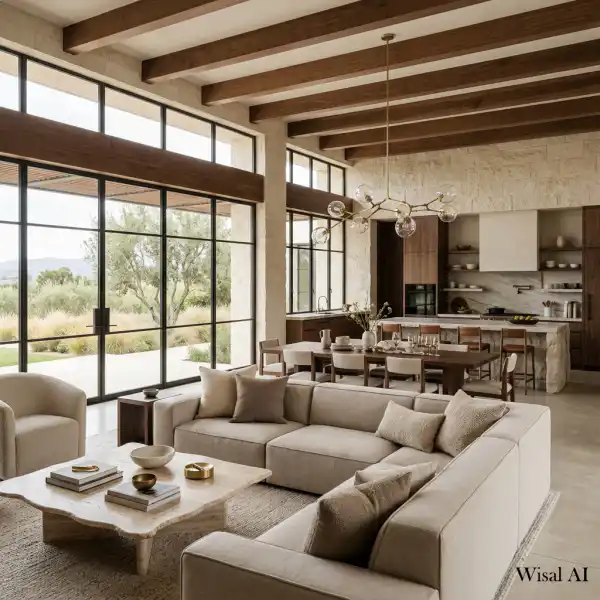
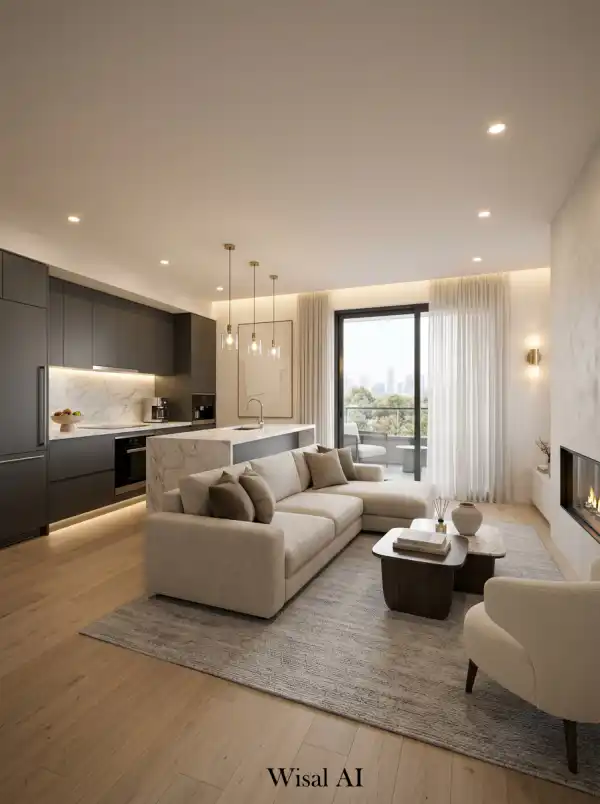
Have you ever walked into a living room that felt perfectly balanced elegant yet comfortable, sophisticated yet welcoming and wondered why it worked so well? In many cases, the secret is not choosing between modern and traditional furniture but learning how to combine both styles thoughtfully. Many homeowners assume they must commit to a single design style. They either fill a room with sleek modern furniture or embrace a fully traditional look. However, some of the most beautiful living rooms achieve their character by blending the clean simplicity of modern design with the warmth and timeless charm of traditional pieces. The challenge is creating harmony. Without a clear strategy, mixing styles can make a room feel disconnected or cluttered. But when done correctly, the contrast between modern and traditional elements creates depth, personality, and a more collected, lived-in atmosphere. Whether you're working with inherited furniture, investing in new pieces, or simply trying to refresh your living room without replacing everything, these practical tips will help you create a space that feels balanced, stylish, and uniquely your own.
1. Start with a Consistent Color Palette
One of the easiest ways to unify different furniture styles is through color. Even if your furniture comes from different eras, a consistent palette helps everything feel connected. For example, a traditional wooden coffee table can sit comfortably next to a modern sofa if both are tied together through complementary colors such as beige, cream, charcoal, olive green, or navy blue. When color creates continuity, the eye focuses less on stylistic differences and more on the overall harmony of the room. Pro Tip: Choose three to five core colors and repeat them throughout the space.
2. Let One Style Lead the Design
A balanced room doesn't necessarily mean a 50/50 split. In fact, most successful interiors have one dominant style and one supporting style. You might have a modern foundation with clean-lined sofas and minimalist lighting while introducing traditional elements through a classic coffee table or vintage artwork. Alternatively, a traditional room can feel refreshed with a few modern accent pieces. Having a dominant style gives the room direction and prevents visual confusion. Pro Tip: Aim for roughly 70% one style and 30% the other.
3. Use Modern Furniture to Simplify Traditional Spaces
Traditional interiors can sometimes feel heavy due to ornate details, dark woods, and decorative accessories. Introducing modern furniture helps create visual breathing room. A streamlined sofa or simple accent chair can instantly update a traditional space without removing its character. The contrast creates balance while making the room feel more current. Pro Tip: Look for furniture with clean silhouettes and minimal ornamentation.
4. Add Traditional Pieces for Warmth and Character
Modern interiors often prioritize simplicity, but too much simplicity can sometimes feel impersonal. Traditional furniture adds history, texture, and emotional warmth. A carved wooden side table, antique cabinet, or vintage rug can make a modern living room feel more welcoming and lived-in. These pieces help tell a story and give the room a sense of individuality. Pro Tip: Choose one or two statement traditional pieces rather than filling the room with antiques.
5. Mix Different Materials and Textures
One reason blended interiors feel so interesting is the variety of materials they use. Imagine pairing a sleek modern metal floor lamp with a traditional wooden console table, or combining a contemporary linen sofa with an antique Persian-style rug. The contrast creates depth and visual richness. Textures help bridge the gap between styles and prevent the room from feeling flat. Pro Tip: Layer wood, metal, glass, linen, leather, and natural fibers for a balanced look.
6. Create Balance Through Repetition
A single traditional piece in an otherwise modern room can sometimes feel out of place. Instead, repeat design elements throughout the room. If you introduce a traditional wood tone in one piece, echo it elsewhere through frames, shelving, or accessories. Repetition creates rhythm and makes the mix feel intentional rather than accidental. Pro Tip: Repeat materials, colors, or shapes at least three times throughout the space.
7. Use Artwork as a Bridge Between Styles
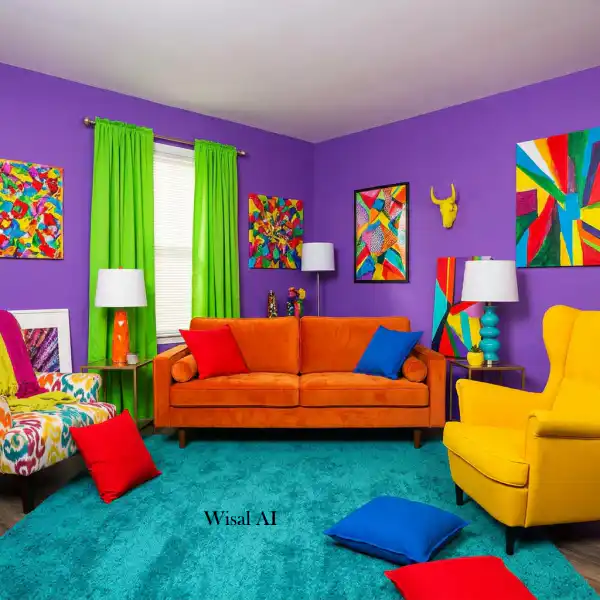
Artwork is one of the most effective tools for connecting different furniture styles. A traditional room can feel more modern with abstract artwork, while a modern room can gain warmth through classic landscape paintings or vintage-inspired prints. Art acts as a visual connector that helps unify the overall design. Pro Tip: Choose artwork that incorporates colors already present in your furniture and décor.
8. Focus on Comfort Over Rules
Ultimately, the best living rooms are not defined by strict design formulas. They are spaces that feel comfortable, functional, and personal. If a modern sofa works beautifully with a traditional coffee table and the room feels balanced, then the combination is successful. Interior design is most compelling when it reflects the people who live in the space rather than a rigid set of rules. Pro Tip: Prioritize how the room feels rather than whether every piece belongs to the same style category.
9. Balance Furniture Proportions
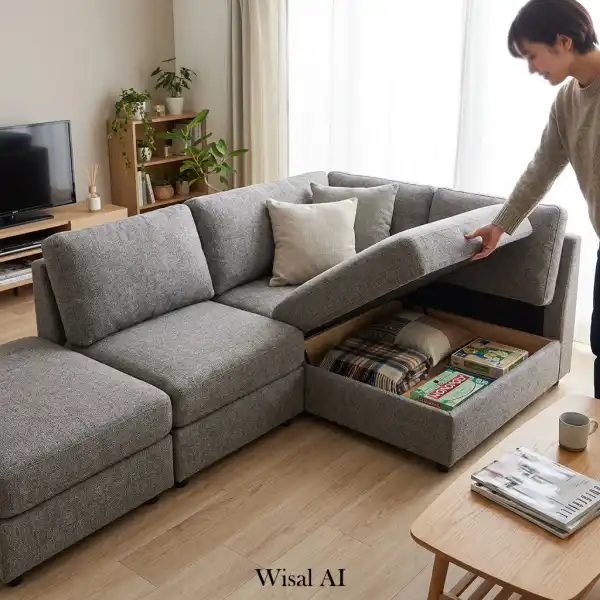
One of the biggest mistakes people make when mixing modern and traditional furniture is focusing only on style while ignoring scale and proportion. Even the most beautiful pieces can feel awkward together if their sizes compete with one another. For example, a large traditional sofa with rolled arms may overwhelm a delicate modern coffee table. Likewise, a sleek low-profile sectional may look disconnected next to an oversized antique cabinet. The goal is to create visual balance so that no single piece dominates the room unnecessarily. When furniture proportions feel consistent, the room naturally appears more cohesive, regardless of whether the pieces come from different design eras. Pro Tip: Step back and view the room as a whole. If one item immediately grabs all the attention because of its size, consider balancing it with another substantial piece elsewhere.
10. Blend Old and New Through Lighting
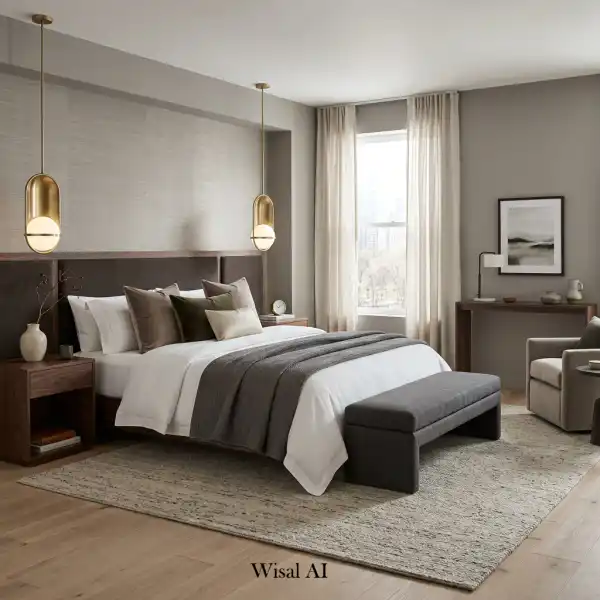
Lighting is often overlooked, but it can completely change how different furniture styles interact. A modern light fixture above traditional furniture can instantly make the room feel more current. Likewise, a classic chandelier can add warmth and elegance to a modern space. The contrast creates tension in a good way. It prevents the room from feeling overly predictable while helping connect different design influences. Layered lighting also adds depth. Combine ceiling fixtures, table lamps, floor lamps, and wall sconces to create a comfortable atmosphere throughout the day. Pro Tip: Choose lighting that feels slightly different from the dominant furniture style to create balance and visual interest.
11. Incorporate Natural Materials
Natural materials have a timeless quality that allows them to work beautifully in both modern and traditional interiors. Wood, stone, linen, leather, cotton, and woven textures act as common ground between different styles. A modern living room with a reclaimed wood coffee table instantly feels warmer. A traditional room with linen upholstery and natural textures feels lighter and more relaxed. These materials soften transitions between styles and create a more welcoming environment. Pro Tip: Use natural materials repeatedly throughout the room to establish a cohesive foundation.
12. Avoid Matching Everything Perfectly
One of the reasons professionally designed living rooms feel interesting is because they do not look like furniture showroom displays. Every piece doesn't need to match. A room becomes more dynamic when different styles, finishes, and eras coexist in a thoughtful way. The goal is harmony, not uniformity. When everything matches perfectly, the space can feel staged or overly designed. A carefully mixed room feels more authentic and personal. Pro Tip: Focus on creating relationships between pieces rather than trying to make everything identical.
13. Use Rugs to Tie the Room Together
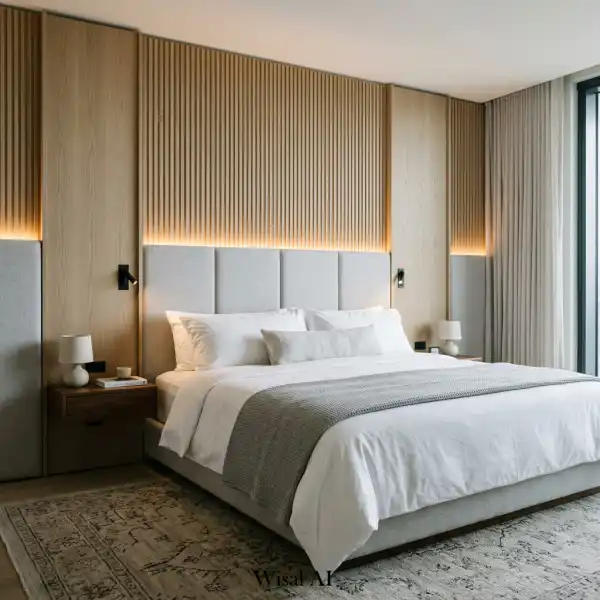
A large area rug can act as the visual anchor that connects modern and traditional furniture. It helps unify different shapes, colors, and materials within a single composition. For example, a contemporary sofa and traditional armchairs can instantly feel connected when placed on the same rug. The rug establishes a common visual foundation and reduces the feeling that furniture pieces belong to separate worlds. Patterned traditional rugs often pair beautifully with modern furniture, while neutral rugs can help calm more decorative traditional pieces. Pro Tip: Choose a rug large enough to accommodate the main furniture grouping rather than a small rug floating in the center of the room.
14. Keep Accessories Intentional
Accessories are often where mixed-style rooms either succeed or fail. Too many decorative objects can create clutter, while too few can make the space feel unfinished. Instead of filling every surface, choose a few meaningful pieces that support the overall aesthetic. Modern sculptures, vintage books, ceramic vases, framed artwork, and natural greenery can all coexist beautifully when curated thoughtfully. The goal is to create layers of personality without overwhelming the room. Pro Tip: Edit your accessories regularly. If a piece doesn't contribute to the overall story of the room, consider removing it.
15. Let Architecture Influence the Mix
The architecture of your home can provide valuable clues about how to balance modern and traditional furniture. In older homes with crown molding, fireplaces, and classic details, modern furniture can provide refreshing contrast while respecting the character of the space. In newer homes with open layouts and clean lines, traditional pieces can add warmth and depth. Rather than fighting the architecture, use it as a guide when selecting furniture and décor. Pro Tip: Highlight existing architectural features instead of trying to hide them.
16. Use Contrast as a Design Strategy
One of the most powerful ways to mix modern and traditional furniture is to intentionally use contrast rather than trying to hide it. Instead of forcing both styles to look similar, allow their differences to stand out in a controlled and intentional way. For example, a sleek modern sofa placed next to a heavily carved traditional wooden table creates a strong visual tension that actually feels designed rather than accidental. The contrast becomes the main design feature of the room. When handled correctly, contrast adds energy, depth, and personality to the space, making it feel more curated and visually engaging. Pro Tip: Limit contrast to a few key focal points so the room still feels balanced rather than chaotic.
17. Create a Focal Point That Blends Both Styles
A strong focal point can help unify modern and traditional elements in a single visual moment. This could be a fireplace, a large artwork, or a statement seating area that naturally combines both design languages. For example, a modern sofa arranged around a traditional fireplace instantly connects both eras. Similarly, a contemporary artwork above a vintage console table can bridge the gap between old and new. When the eye has a clear focal point, it becomes easier to accept and understand the mix of styles in the rest of the room. Pro Tip: Design the room around one main focal area instead of trying to make every corner equally important.
18. Use Soft Furnishings to Harmonize Styles
Soft furnishings such as cushions, curtains, throws, and rugs play a major role in blending modern and traditional furniture. These elements act as visual “translators” between different styles. A modern sofa can feel more grounded when paired with traditional patterned cushions, while a classic armchair can feel refreshed with minimalist textiles. Curtains and rugs also help soften transitions between contrasting furniture pieces. This layer of design helps create cohesion without changing the core furniture pieces. Pro Tip: Repeat fabric textures or colors across multiple soft furnishings to create subtle visual connections.
19. Mix Furniture Eras, Not Just Styles
Instead of thinking only in terms of “modern vs traditional,” consider mixing different furniture eras. For example, mid-century modern pieces can sit beautifully alongside Victorian-inspired or contemporary minimalist designs. This approach creates a more natural and collected look, as if the room has evolved over time rather than being designed all at once. It adds personality and depth that feels authentic rather than staged. The key is not to match eras perfectly, but to allow them to complement each other through shared colors and materials. Pro Tip: Choose at least one piece that clearly represents a different era to anchor the mix.
20. Design for Personality, Not Perfection
At the end of the day, the most successful mixed style living rooms are not the most perfect they are the most personal. A space that combines modern and traditional furniture works best when it reflects real life, personal taste, and emotional comfort. Instead of worrying about whether every piece fits a strict design category, focus on how the room feels when you live in it. If the space feels warm, functional, and visually interesting, then the mix is working correctly. Imperfections often make interiors more human, more lived-in, and ultimately more beautiful. Pro Tip: Choose pieces you genuinely love rather than pieces that simply “match the style.”
Conclusion
Mixing modern and traditional furniture is less about following strict design rules and more about understanding balance, contrast, and intention. When done thoughtfully, the combination doesn’t feel confusing it feels layered, personal, and naturally evolved. Throughout this guide, one idea becomes clear: the most beautiful living rooms are not the ones that match perfectly, but the ones that tell a story. Modern pieces bring clarity, simplicity, and function, while traditional furniture adds warmth, character, and emotional depth. Together, they create a space that feels both stylish and lived-in. The key is not to compete with styles, but to connect them through shared elements like color palettes, materials, lighting, and proportion. When these details are aligned, even completely different furniture eras can coexist in harmony. Ultimately, your living room should feel like you not like a showroom. When you mix modern and traditional pieces with confidence and intention, you create a space that is timeless, comfortable, and uniquely personal.
FAQ
1. Can I mix modern and traditional furniture in a small living room?
Yes, but you should keep the design simple. Focus on fewer pieces, a light color palette, and avoid overcrowding the space so it doesn’t feel busy.
2. What is the easiest way to combine modern and traditional styles?
Start with a consistent color palette. When colors are unified, different furniture styles naturally feel connected.
3. Should I choose one dominant style or mix equally?
It’s better to choose one dominant style (about 70%) and use the other as an accent (about 30%) to maintain balance.
4. Do modern and traditional furniture clash?
Not if styled correctly. They actually complement each other when balanced through proportion, color, and texture.
5. What colors work best for mixed-style living rooms?
Neutral tones like beige, cream, gray, taupe, and soft earth colors work best because they unify different styles.
6. Can I mix antique furniture with modern pieces?
Yes. Antique furniture adds character and depth, especially when paired with minimalist modern designs.
7. How do I avoid making the room look messy?
Stick to repetition of materials, limit decorative accessories, and ensure visual balance across the room.
8. Is this design style trendy in 2026?
Yes. Blending modern and traditional styles is part of the growing “timeless interiors” trend focused on comfort, personality, and layered design.