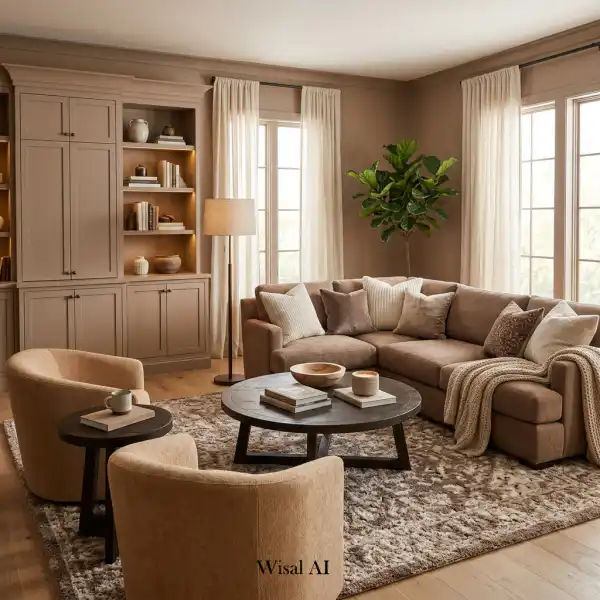
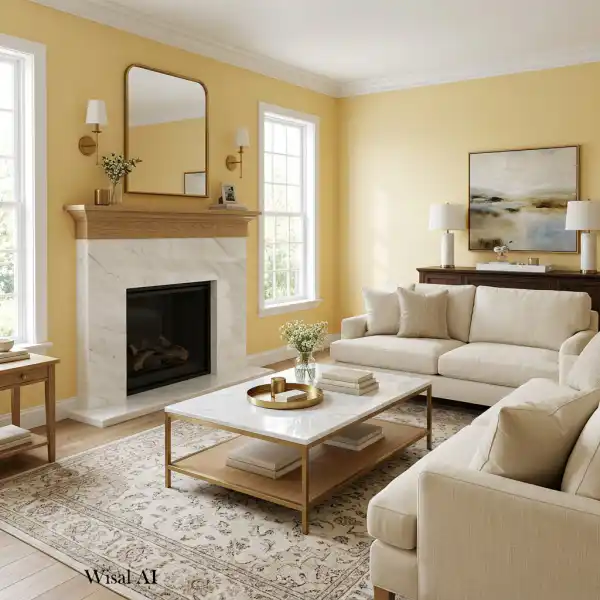
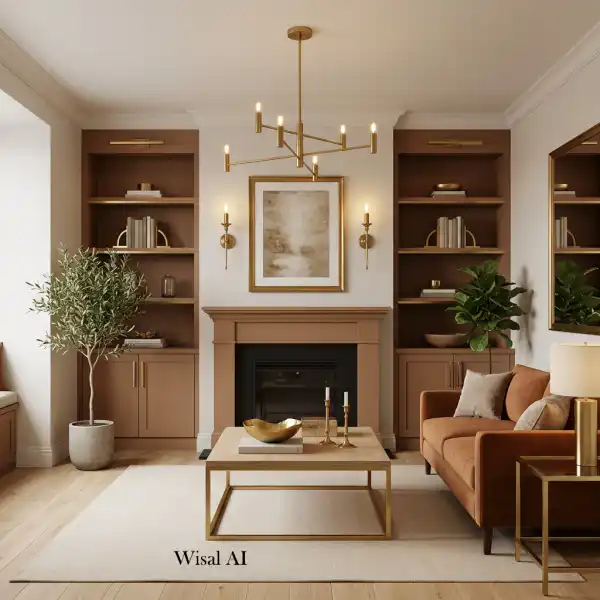
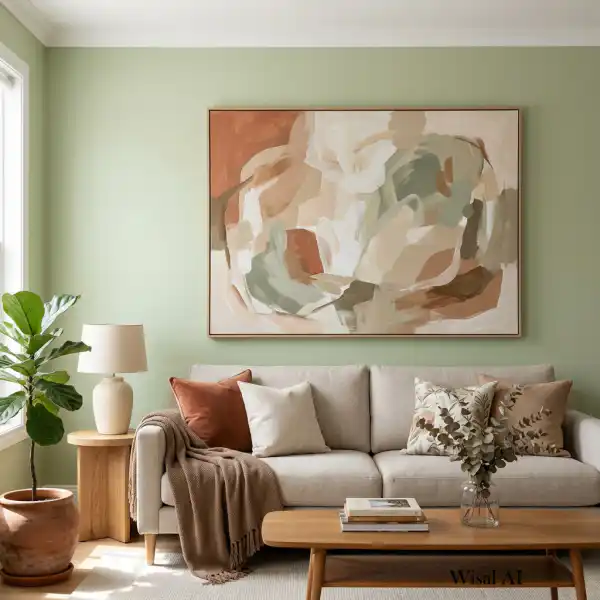
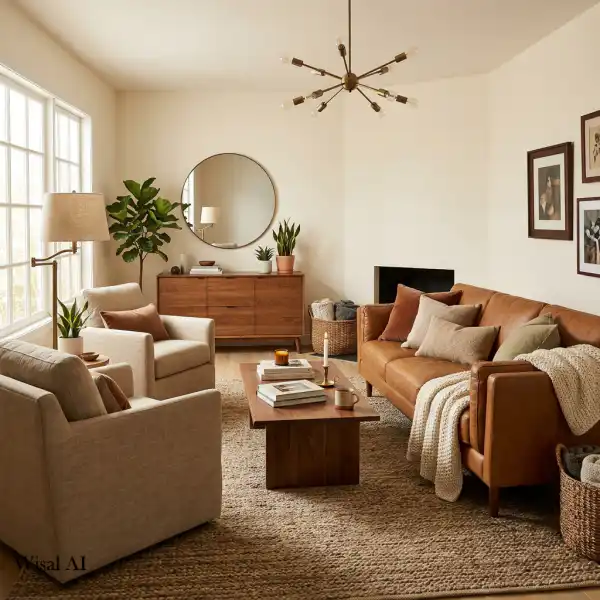
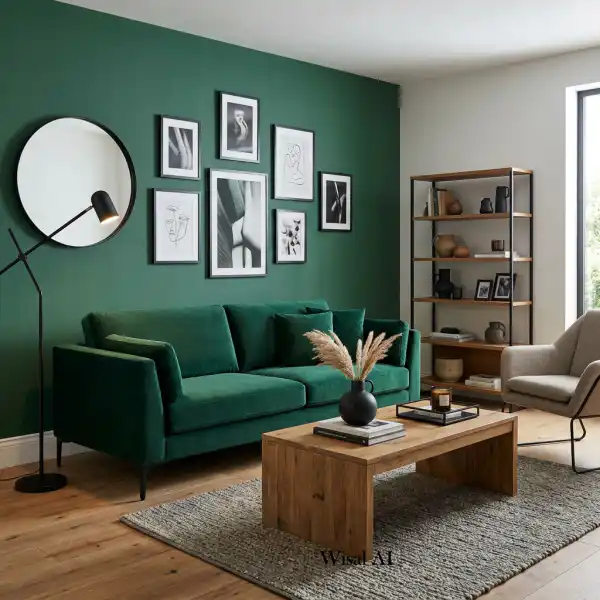
Interior design is not just about filling a room with furniture it’s about revealing what a space is truly capable of becoming. Every living room starts with potential, even if it feels unfinished, cluttered, or uninspiring at first. The real transformation happens when design is used as a tool to reshape not only how a space looks, but how it feels to live in it. In this collection, we explore 21 powerful Before and After living room transformations that show how ordinary interiors can evolve into refined, intentional spaces. Each example is rooted in the Japandi philosophy a seamless blend of Scandinavian simplicity and Japanese minimalism, where calm, function, and natural beauty come together in perfect balance. What makes Japandi so compelling is its quiet confidence. It doesn’t rely on excess or decoration. Instead, it focuses on clean lines, natural textures, soft neutral tones, and thoughtful negative space. The result is a living environment that feels grounded, peaceful, and effortlessly elevated. As you move through these transformations, you’ll see how small design decisions like changing materials, improving lighting, refining color palettes, and simplifying layouts can completely redefine a room. From basic and overlooked spaces to bespoke, high-end interiors, each before-and-after story highlights the true power of intentional design. This is more than a visual comparison. It’s a journey into how design can shift energy, create harmony, and turn everyday living rooms into calm, luxurious sanctuaries inspired by Japandi living.
1. Architectural Synergy: The Before and After Structural Integrity
The secret to a successful renovation lies in respecting the fixed architecture. In these Before and After comparisons, notice how we maintained the original windows and walls while completely skinning the interior with premium textures like oak-slat paneling and sand-plaster finishes. The bones remain, but the soul of the room is reborn.
2. The Media Wall Evolution: A Before and After Tech Cleanup
Nothing kills a high-end vibe faster than tangled cables and bulky TV stands. Our Before and After gallery highlights the shift from messy 'move-in' entertainment units to custom-built floating consoles and flush-mounted screens. We’ve turned the television from a black plastic distraction into a seamless piece of digital art.
3. Low-Profile Luxury: Before and After Spatial Scaling
A common mistake seen in our Before photos is the use of oversized, heavy furniture that suffocates the room. Our After designs prioritize low-profile modular sofas in cream bouclé and linen. By lowering the visual horizon, we’ve created a sense of vertical height and airy freedom that was previously hidden.
4. The Material Palette: From Basic Textures to Bespoke Jut
Transitioning from 'Basic' to 'Bespoke' requires a complete shift in material quality. Observe the Before and After tactile journey: we swapped thin synthetic rugs for hand-knotted jute, and replaced cold glass tables with organic-edged solid walnut. These natural elements provide the warmth that defines a true Japandi lifestyle.
Conclusion
Every space has a story but not every space has been told in the right way yet. What these 21 before-and-after transformations reveal is simple: great interior design is not about starting over, it’s about seeing potential where others see limitations. A living room doesn’t need to be large, expensive, or perfect to feel extraordinary. With the Japandi approach, transformation happens through intention through quieter colors, natural textures, better lighting, and layouts that respect both function and feeling. It’s this balance between simplicity and warmth that turns “basic” rooms into spaces that feel truly bespoke. What makes these transformations powerful is not just the visual change, but the emotional one. A redesigned space can shift how you think, how you relax, and even how you live your daily life. That is the real essence of luxury not excess, but clarity, calm, and comfort designed with purpose. Now the question is not what these spaces became but what yours could become next.
FAQ
1. What is Japandi interior design?
Japandi is a hybrid design style that combines Japanese minimalism with Scandinavian functionality, focusing on simplicity, natural materials, and calm aesthetics.
2. Why is Japandi so popular in modern living rooms?
Because it creates a peaceful, clutter-free environment that feels both warm and functional, making it ideal for modern lifestyles.
3. Can I achieve a Japandi look on a budget?
Yes. Japandi relies more on simplicity and material choice than expensive furniture. Neutral colors, natural wood, and minimal décor are enough to start.
4. What are the key elements of a Japandi living room?
Clean lines, neutral tones, natural textures, low furniture profiles, soft lighting, and intentional negative space.
5. How long does a full living room transformation usually take?
It depends on the scale, but even small Japandi-inspired updates can change the feel of a room immediately.
6. Is Japandi suitable for small spaces?
Absolutely. In fact, Japandi works especially well in small spaces because it reduces visual clutter and maximizes openness.
7. What colors work best for Japandi interiors?
Soft neutrals like beige, cream, warm gray, muted brown, and earthy tones are commonly used.
8. What is the main goal of Japandi design?
To create a calm, balanced space that supports relaxation, functionality, and emotional well-being.