Emerald green is one of the most captivating colors in interior design, celebrated for its rich depth, timeless elegance, and natural beauty. Inspired by the vibrant tones of precious gemstones and lush landscapes, this sophisticated shade instantly transforms an ordinary living room into a space that feels luxurious, dramatic, and inviting. Whether used as a dominant color or as a carefully placed accent, emerald green brings personality while maintaining a refined and balanced appearance. One of the reasons interior designers love emerald green is its incredible versatility. It pairs beautifully with natural wood, marble, brass, black, cream, warm white, and soft neutral tones, making it suitable for a wide range of design styles. From modern and contemporary interiors to Art Deco, transitional, and classic homes, emerald green adds richness without feeling overwhelming when balanced thoughtfully. Unlike brighter greens that may appear playful or seasonal, emerald green carries a sense of maturity and sophistication. It creates a luxurious atmosphere while maintaining a strong connection to nature. This combination of elegance and warmth explains why the color frequently appears in boutique hotels, luxury apartments, designer showrooms, and high-end residential interiors around the world. Another advantage of emerald green is its ability to create striking focal points. Whether incorporated through a velvet sofa, painted feature wall, built-in cabinetry, curtains, or decorative accessories, this color naturally attracts attention while elevating the surrounding materials. Professional designers often pair it with layered textures, warm lighting, and natural finishes to create interiors that feel both bold and welcoming. Despite its dramatic appearance, emerald green can adapt to living rooms of almost any size. In larger spaces, it creates intimacy and warmth, while in smaller rooms it introduces character without sacrificing elegance when combined with light-colored furnishings and generous natural light. In this guide, you'll discover 15 emerald green living room ideas that feel bold and luxurious. These designer-inspired ideas will help you incorporate this timeless color in ways that create a sophisticated, comfortable, and unforgettable living space.
1. Make an Emerald Green Sofa the Centerpiece
One of the easiest and most impactful ways to introduce emerald green into your living room is through a statement sofa. An emerald green velvet sofa instantly becomes the room's focal point, adding richness, texture, and timeless sophistication. Unlike neutral seating, this bold choice creates visual interest without requiring excessive decoration elsewhere in the room. Pair the sofa with cream walls, a light area rug, walnut or oak furniture, and brass accents to maintain balance. Soft neutral cushions in ivory, beige, or taupe help soften the bold color while keeping the overall palette elegant. Professional designers often allow the sofa to stand out by surrounding it with simple, understated décor. This approach ensures the emerald green remains the star of the room while creating a luxurious atmosphere that feels both dramatic and welcoming.
2. Pair Emerald Green with Warm Walnut Wood
Few combinations feel as luxurious as emerald green and walnut wood. The deep, jewel-like richness of emerald beautifully complements the warm grain of walnut, creating a sophisticated contrast inspired by nature. Walnut coffee tables, media consoles, floating shelves, or built-in cabinetry provide warmth that balances the cool depth of emerald green. Professional designers frequently repeat walnut finishes throughout the room to establish visual consistency while allowing the green tones to feel more inviting. This pairing works exceptionally well in modern, transitional, and mid-century interiors where natural materials play a central role. Together, walnut and emerald create a living room that feels timeless rather than trend-driven.
3. Add Brass and Gold Accents
Emerald green becomes even more luxurious when paired with warm metallic finishes. Brushed brass or antique gold lighting fixtures, mirrors, cabinet hardware, coffee table frames, and decorative accessories introduce warmth while enhancing the richness of the green palette. Professional designers usually limit metallic finishes to one primary tone for a cohesive appearance. The subtle shimmer of brass reflects light beautifully against emerald upholstery or painted walls, creating depth without overwhelming the room. Even small metallic details can dramatically elevate the overall design.
4. Balance Bold Green with Soft Neutral Walls
If emerald green is used extensively throughout the furniture or décor, neutral walls provide the perfect visual balance. Warm white, ivory, cream, light beige, or soft greige walls allow the emerald elements to stand out while keeping the living room bright and spacious. Professional designers often use neutral backgrounds because they highlight colorful furniture without competing for attention. The lighter surroundings also help reflect natural light, preventing darker colors from making the room feel enclosed. This balance creates an atmosphere that feels luxurious, calm, and comfortable every day.
5. Layer Rich Textures Throughout the Room
Luxury interiors rely on texture just as much as color. Combine emerald velvet seating with linen curtains, wool rugs, marble tables, ceramic accessories, woven baskets, and natural wood furniture to create visual depth. Layering different materials prevents the room from feeling flat while adding warmth and sophistication. Professional designers often work with restrained color palettes because texture provides enough variety on its own. The combination of emerald green and multiple tactile materials creates an inviting environment that feels professionally designed from every angle.
6. Create a Stunning Emerald Green Accent Wall
If you want to make a bold statement without filling the room with green furniture, consider creating an emerald green accent wall. A single feature wall behind the sofa, fireplace, or built-in shelving instantly becomes the room's focal point while adding remarkable depth and personality. This approach allows you to enjoy the richness of emerald green without overwhelming the entire space. Professional designers often choose a matte finish because it absorbs light softly and creates a more refined appearance than high-gloss paint. Accent walls also provide the perfect backdrop for artwork, mirrors, and floating shelves, helping decorative pieces stand out beautifully. Pair the wall with cream furniture, walnut wood, brass accents, and layered lighting for a balanced look that feels elegant rather than dramatic.
7. Incorporate Marble for Timeless Luxury
Marble is one of the finest companions to emerald green. Whether used on a coffee table, fireplace surround, side table, or decorative tray, marble introduces brightness while highlighting the richness of the green palette. White marble with subtle gray veining creates an especially luxurious contrast against emerald upholstery or painted walls. It reflects natural light beautifully and prevents darker colors from feeling too heavy. Professional designers usually use marble selectively, allowing each piece to become a sophisticated focal point rather than overwhelming the room. The combination of emerald green, marble, and walnut creates a living room that feels timeless and effortlessly elegant.
8. Maximize Natural Light
Although emerald green is a bold color, it becomes surprisingly fresh when surrounded by natural daylight. Large windows, glass doors, skylights, and sheer linen curtains help soften the richness of emerald while making the room feel brighter and more spacious. Professional designers often position mirrors opposite windows to reflect sunlight throughout the room. Natural light continuously changes the appearance of emerald green, allowing the color to shift subtly throughout the day—from vibrant during the morning to warm and dramatic in the evening. This dynamic quality is one reason emerald remains such a favorite among interior designers.
9. Decorate with Large Indoor Plants
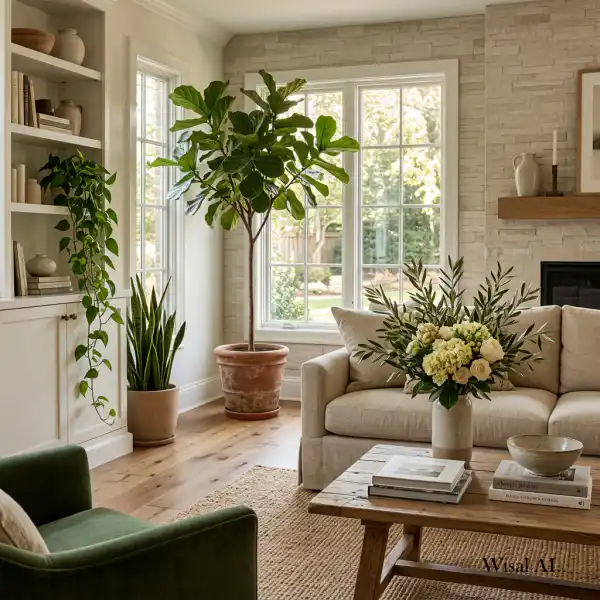
Emerald green naturally complements indoor greenery because both share similar organic tones. Large olive trees, fiddle-leaf figs, rubber plants, monstera, or bird of paradise plants introduce movement while strengthening the room's connection to nature. Professional designers frequently use oversized plants to soften corners, frame seating areas, or balance architectural features. Natural greenery also adds texture and freshness that prevent darker color palettes from feeling overly formal. Living plants create a relaxed atmosphere while enhancing the luxurious appearance of emerald interiors.
10. Add Black Details for Modern Contrast
Black accents introduce definition and structure without distracting from emerald green. Matte black lighting fixtures, picture frames, shelving supports, furniture legs, or decorative accessories create subtle contrast that sharpens the overall design. Professional designers often use black sparingly, treating it like a visual outline that highlights important furniture and architectural details. The combination of emerald green, black, and warm wood produces a sophisticated palette commonly found in luxury hotels and designer residences. Used thoughtfully, black makes emerald appear even richer and more dramatic.
11. Keep the Color Palette Focused
One of the reasons designer interiors look so elegant is their restrained use of color. Instead of introducing many bright accent colors, limit the palette to emerald green, cream, walnut, brass, white, and a few touches of black or soft gray. This focused approach allows each material and furniture piece to stand out naturally. Professional designers often repeat these colors throughout cushions, artwork, rugs, curtains, and decorative accessories to create visual harmony. A carefully edited palette always feels more luxurious than one filled with competing colors.
12. Layer Warm Lighting
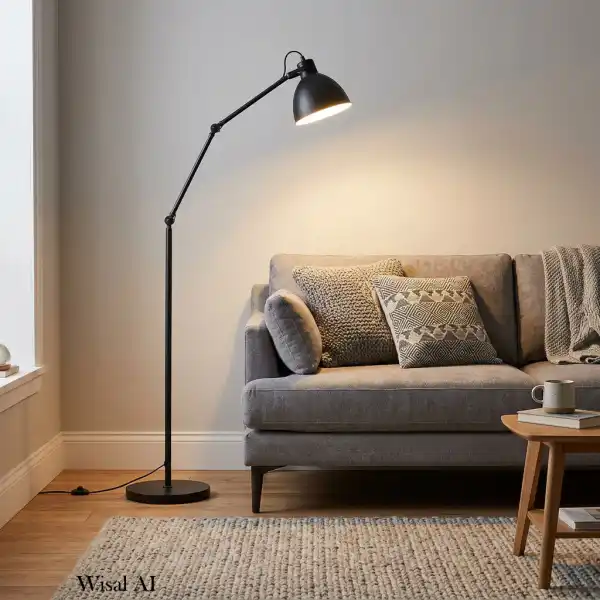
Lighting transforms how emerald green appears throughout the day. Rather than relying solely on overhead lighting, combine chandeliers, floor lamps, table lamps, wall sconces, and accent lighting. Warm white bulbs between 2700K and 3000K enhance emerald's rich depth while creating a welcoming evening atmosphere. Professional designers use multiple light sources to eliminate harsh shadows and reveal the beautiful textures of velvet, marble, wood, and fabric. Layered lighting helps the room feel intimate, comfortable, and luxurious after sunset.
13. Style Shelves with Elegant Accessories
Open shelving provides an opportunity to reinforce your color palette without creating clutter. Choose ceramic vases, coffee table books, sculptural objects, candles, framed artwork, and decorative bowls in cream, walnut, brass, or black finishes. Professional designers avoid overcrowding shelves, leaving generous empty space between accessories. This carefully edited styling allows each object to receive attention while maintaining the calm atmosphere associated with luxury interiors. Simple arrangements almost always feel more sophisticated than busy displays.
14. Mix Soft Fabrics with Natural Materials
Texture plays a major role in balancing the bold appearance of emerald green. Pair velvet seating with linen curtains, woven baskets, boucle chairs, wool throws, leather accents, ceramic accessories, and natural wood furniture. Each material contributes a different tactile quality while maintaining a cohesive overall palette. Professional designers rely on layered textures to create richness without introducing additional colors. The result is a living room that feels warm, comfortable, and visually engaging from every angle.
15. Design for Comfort as Well as Style
The most luxurious living rooms are designed around everyday living rather than simply making an impression. Comfortable seating, generous circulation space, organized storage, layered lighting, and practical furniture arrangements all contribute to a space that people genuinely enjoy using. Professional designers understand that beauty alone isn't enough. Emerald green should support a relaxing environment where family and guests naturally want to spend time. When thoughtful layouts are combined with quality materials and timeless colors, the room remains elegant regardless of changing design trends. True luxury is experienced through comfort, functionality, and attention to detail—not through decoration alone.
Conclusion
Emerald green is one of the most striking yet timeless colors you can introduce into a living room. Its rich jewel tone adds instant sophistication while maintaining a strong connection to nature, making it equally suitable for modern, classic, transitional, and contemporary interiors. Whether incorporated through a statement sofa, an accent wall, or carefully selected decorative accessories, emerald green creates a memorable focal point that elevates the entire room. The key to using this bold color successfully lies in balance. Pairing emerald green with warm walnut wood, cream upholstery, marble surfaces, brass finishes, layered textures, and generous natural light creates an interior that feels luxurious without becoming overwhelming. Thoughtful lighting and restrained styling further enhance the elegance of the palette, allowing every material to stand out naturally. Ultimately, a luxurious living room is not defined by expensive furniture alone but by the harmony between color, texture, comfort, and functionality. By applying these 15 designer-inspired ideas, you can create an emerald green living room that feels bold, welcoming, timeless, and beautifully refined for years to come.
FAQs
1. Is emerald green a good color for a living room?
Yes. Emerald green adds richness, elegance, and timeless sophistication while pairing beautifully with wood, marble, brass, and neutral colors.
2. What colors work best with emerald green?
Cream, ivory, warm white, walnut brown, brass, gold, black, marble white, beige, and soft gray all complement emerald green beautifully.
3. Does emerald green work in small living rooms?
Absolutely. When balanced with natural light, neutral walls, and carefully chosen furniture, emerald green adds character without making small spaces feel cramped.
4. What decorating style suits emerald green?
Emerald green works well with modern, contemporary, Art Deco, transitional, Scandinavian, and classic interiors.
5. Is emerald green still in style?
Yes. Emerald green remains one of the most popular luxury interior colors because of its timeless elegance and versatility.
6. What's the easiest way to introduce emerald green into a living room?
Start with an emerald green sofa, accent wall, cushions, artwork, or curtains, then build the rest of the room around neutral colors and natural materials.