Curved furniture has become one of the defining trends in luxury interior design, bringing softness, elegance, and effortless sophistication into modern living rooms. Unlike traditional furniture with sharp corners and straight lines, curved pieces introduce gentle movement that makes a space feel more welcoming and visually balanced. Whether it's a rounded sofa, an arched bookshelf, or a sculptural coffee table, curved furniture instantly creates a designer-inspired atmosphere. Interior designers increasingly favour curved silhouettes because they soften the rigid architecture often found in modern homes. Straight walls, square windows, and angular furniture can sometimes make a room feel formal or cold. Curved furniture breaks up these hard lines, creating a sense of flow that feels both comfortable and luxurious. The result is a living room that appears thoughtfully designed rather than simply furnished. One of the biggest advantages of curved furniture is its versatility. It works beautifully in contemporary, Scandinavian, Japandi, Art Deco, minimalist, and even traditional interiors. Soft curves pair naturally with materials like walnut, oak, marble, linen, bouclé, velvet, and brushed brass, allowing homeowners to create interiors that feel warm, elegant, and timeless. Curved furniture also improves the visual flow of a room. Rounded forms naturally guide the eye from one area to another, making the space feel more connected and harmonious. In open-plan homes, curved seating arrangements help define conversation areas without the need for walls or bulky dividers. Even in smaller living rooms, a single curved piece can make the layout feel more spacious by reducing the harsh visual impact of sharp corners. Another reason curved furniture has become so popular is its connection to organic design. As more homeowners embrace interiors inspired by nature, rounded forms echo the flowing shapes found in landscapes, stones, rivers, and plants. This subtle connection creates rooms that feel calmer and more relaxing while maintaining a high-end appearance. In this guide, you'll discover 15 curved furniture living room ideas that feel instantly luxurious. These designer-inspired ideas will show you how to incorporate graceful curves into your home while creating a living room that feels sophisticated, comfortable, and beautifully timeless.
1. Make a Curved Sofa the Centrepiece
A curved sofa is one of the most impactful ways to introduce soft, sculptural shapes into your living room. Unlike traditional rectangular sofas, a curved design naturally draws attention while encouraging conversation by gently facing people toward one another. Its flowing silhouette immediately becomes the focal point of the room without relying on bold colours or excessive decoration. Choose upholstery in warm neutrals such as cream, ivory, beige, or soft taupe to emphasise the elegant shape. Pair the sofa with a round coffee table, textured area rug, and layered lighting to reinforce the soft aesthetic. Professional designers often position curved sofas away from the wall whenever space allows, allowing the beautiful silhouette to be appreciated from multiple angles. The result is a living room that feels refined, inviting, and unmistakably luxurious.
2. Pair Curved Seating with a Round Coffee Table
Furniture works best when its shapes complement one another. A round or organically shaped coffee table echoes the curves of the sofa while improving circulation around the seating area. Without sharp corners interrupting movement, the room immediately feels more open and comfortable. Materials such as white marble, travertine, walnut, oak, or glass create beautiful contrasts while maintaining the room's elegant appearance. Professional designers often select coffee tables with sculptural bases that double as functional artwork. The pairing of curved seating and a rounded table creates visual harmony that defines high-end interior design.
3. Introduce Rounded Accent Chairs
Accent chairs provide another opportunity to soften the overall layout. Curved barrel chairs, swivel chairs, or boucle armchairs with rounded backs add comfort while reinforcing the room's organic flow. Their inviting shapes make conversation areas feel more intimate and welcoming. Place a pair of matching chairs opposite the sofa or angle a single chair beside a floor lamp to create a cosy reading corner. Professional designers frequently choose textured upholstery to highlight the gentle curves while adding depth through fabric rather than colour. Rounded seating helps every corner of the room feel thoughtfully designed.
4. Layer Soft Textures with Curved Furniture
Curves become even more luxurious when combined with tactile materials. Pair curved furniture with linen curtains, bouclé chairs, velvet cushions, wool throws, woven rugs, and natural wood finishes to create warmth and visual richness. Professional designers often avoid busy patterns, allowing texture and form to become the room's defining characteristics. The combination of soft materials and flowing silhouettes creates a calm atmosphere that feels elegant without trying too hard. Texture adds another dimension that enhances every curved surface throughout the room.
5. Choose Organic-Shaped Side Tables
Replace traditional square side tables with pieces that feature rounded or irregular silhouettes. Organic-shaped tables inspired by pebbles, river stones, or sculptural forms introduce subtle movement while complementing curved sofas and chairs. Natural materials like travertine, marble, oak, or walnut reinforce the connection between the furniture and nature. Professional designers often mix different table heights to create layered compositions that feel collected rather than perfectly matched. These sculptural details quietly elevate the entire living room while remaining highly functional.
6. Add an Arched Bookshelf for Architectural Interest
Curved furniture isn't limited to seating. An arched bookshelf introduces graceful architectural lines that instantly elevate a living room while providing valuable storage and display space. Unlike standard rectangular shelving, an arched design softens the room's overall appearance and naturally draws the eye upward, making ceilings feel taller. This simple change creates a greater sense of openness and elegance without requiring any structural renovation. Style the shelves with ceramic vases, coffee table books, candles, sculptural objects, woven baskets, and trailing plants. Leave generous empty space between accessories so each piece can be appreciated individually. Professional designers often treat shelving as a carefully curated display rather than simply a place for storage. The result is a functional feature that also serves as a beautiful focal point.
7. Introduce Curved Floor Lamps
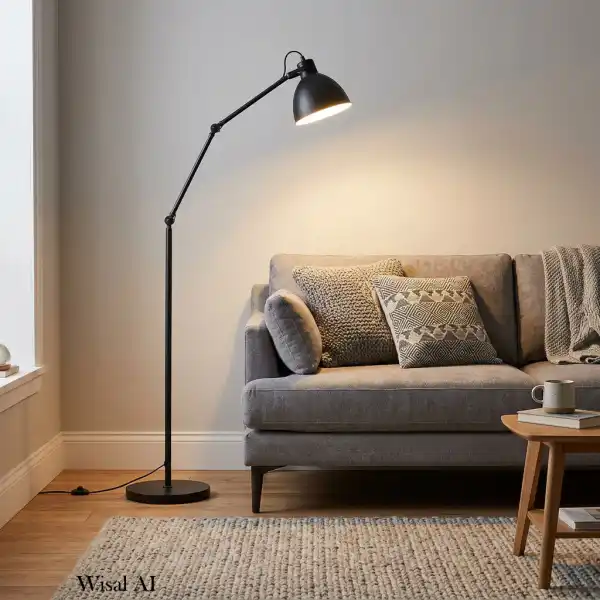
Lighting can reinforce the soft language established by curved furniture. An elegant arc floor lamp placed beside a curved sofa creates both functional illumination and sculptural beauty. Its sweeping silhouette visually connects different areas of the room while adding height without introducing harsh vertical lines. Professional designers often choose lamps with linen shades, brushed brass finishes, matte black frames, or marble bases to complement modern interiors. Layering curved lighting with rounded furniture creates a cohesive design that feels intentional from every angle. Even a single floor lamp can dramatically improve the room's overall character.
8. Use Oval or Organic-Shaped Rugs
A rug doesn't have to be rectangular. Oval rugs or organically shaped rugs inspired by natural forms help soften the layout while reinforcing the room's flowing aesthetic. Their rounded edges reduce the visual heaviness often created by straight furniture arrangements. Professional designers frequently use textured wool rugs in warm neutral colours because they introduce comfort without distracting from the furniture. An organic rug also helps define conversation areas in open-plan living spaces while maintaining excellent visual flow. This subtle detail quietly enhances the entire composition.
9. Mix Curves with Natural Materials
One reason curved interiors feel so luxurious is their strong connection to nature. Combine curved furniture with natural oak, walnut, travertine, marble, linen, leather, ceramic, rattan, woven baskets, and stone surfaces to create warmth and authenticity. Professional designers rely on natural materials because they age beautifully and introduce texture that artificial finishes cannot replicate. The contrast between smooth curves and organic materials creates interiors that feel both contemporary and timeless. Natural finishes also prevent sculptural furniture from feeling overly formal.
10. Balance Curves with Straight Lines
Although curved furniture is beautiful, balance remains essential. Professional designers rarely fill an entire room with rounded pieces. Instead, they combine soft curves with clean architectural lines to create contrast and visual structure. A curved sofa might sit alongside a rectangular fireplace, linear shelving, or simple wall paneling. This balance allows every curved element to stand out without making the room appear overly decorative. The relationship between straight and curved forms creates harmony rather than competition. This careful balance is one of the defining characteristics of luxury interior design.
11. Create a Comfortable Conversation Layout
Curved seating naturally encourages interaction. Instead of arranging furniture directly against walls, position curved sofas and rounded chairs to face one another. This creates intimate conversation areas that feel welcoming and comfortable. Professional designers often leave generous walking space around furniture so movement throughout the room remains effortless. Coffee tables placed centrally within curved seating arrangements become natural gathering points without interrupting circulation. Thoughtful furniture placement makes the living room feel both elegant and highly functional.
12. Decorate with Sculptural Accessories
Accessories should complement the furniture's soft forms. Choose rounded ceramic vases, spherical candles, sculptural bowls, curved mirrors, organic artwork, and handcrafted decorative objects rather than angular accessories. Professional designers often repeat circular or oval shapes throughout the room to reinforce the design language established by the furniture. Instead of displaying many small decorative pieces, select fewer, higher-quality objects that contribute to the overall composition. The result feels calm, sophisticated, and carefully curated.
13. Layer Warm Lighting Throughout the Space
Lighting dramatically influences how curved furniture is experienced. Instead of relying on one overhead fixture, combine pendant lights, wall sconces, table lamps, floor lamps, and subtle accent lighting throughout the room. Warm white bulbs between 2700K and 3000K enhance soft fabrics, natural wood, marble, and curved upholstery while creating an inviting evening atmosphere. Professional designers frequently use dimmers to adjust lighting for entertaining, reading, or relaxing. Layered lighting highlights every graceful curve while making the room feel intimate after sunset.
14. Choose Oversized Artwork with Organic Forms
Large artwork reinforces the room's sculptural aesthetic. Abstract paintings, textured canvases, flowing landscapes, and minimalist artwork featuring soft curves or earthy colours work beautifully alongside rounded furniture. Professional designers often hang one oversized statement piece above the sofa rather than creating busy gallery walls. This approach establishes a strong focal point while maintaining visual simplicity. Artwork inspired by natural movement helps unify every curved element within the living room.
15. Prioritise Comfort Without Sacrificing Elegance
The greatest luxury is a room that feels as comfortable as it looks. Curved furniture naturally supports relaxation because its soft forms feel inviting and less rigid than traditional designs. Deep seating, plush upholstery, layered cushions, comfortable circulation, and thoughtful layouts encourage people to spend more time together. Professional designers always balance aesthetics with everyday practicality. Beautiful furniture should support daily life rather than simply impress visitors. When graceful curves are combined with quality materials, warm lighting, and timeless styling, the result is a living room that feels elegant, welcoming, and genuinely enjoyable for years to come.
Conclusion
Curved furniture has transformed modern interior design by replacing rigid lines with soft, flowing forms that create warmth and elegance. From sculptural sofas and rounded accent chairs to organic coffee tables and arched shelving, curved pieces introduce movement that makes a living room feel calmer, more inviting, and professionally designed. Their timeless appeal allows them to complement everything from Scandinavian and Japandi interiors to contemporary and classic homes. The true beauty of curved furniture lies in balance. Pairing gentle silhouettes with natural wood, marble, linen, bouclé, warm lighting, and thoughtfully chosen accessories creates a living room that feels luxurious without becoming overly decorative. Combining curves with straight architectural lines ensures the space remains visually structured while allowing each sculptural element to stand out. Ultimately, great interior design is about creating spaces that are both beautiful and comfortable. Curved furniture achieves this effortlessly by encouraging conversation, improving visual flow, and adding an unmistakable sense of sophistication. By incorporating these 15 designer-inspired ideas, you can create a living room that feels timeless, welcoming, and instantly luxurious.
FAQs
1. Is curved furniture still in style?
Yes. Curved furniture remains one of the strongest trends in interior design because it adds softness, elegance, and timeless appeal to modern living spaces.
2. Does curved furniture work in small living rooms?
Absolutely. Rounded edges improve visual flow and can make smaller rooms feel more open and less crowded than bulky rectangular furniture.
3. What decorating styles suit curved furniture?
Curved furniture works beautifully in Scandinavian, Japandi, contemporary, Art Deco, minimalist, transitional, and modern luxury interiors.
4. Which materials pair best with curved furniture?
Natural oak, walnut, marble, travertine, linen, bouclé, velvet, leather, ceramic, woven fibres, and brushed brass all complement curved furniture beautifully.
5. Should all furniture in a room be curved?
No. The best interiors balance curved pieces with straight architectural lines to create visual contrast and harmony.
6. What's the easiest way to introduce curved furniture into a living room?
Start with a curved sofa, a rounded accent chair, or an organic-shaped coffee table, then reinforce the look with curved lighting, mirrors, and decorative accessories while keeping the rest of the palette simple and cohesive.