Butter yellow has become one of the most talked-about colors in modern interior design, bringing warmth, optimism, and effortless elegance into the home. Softer than bold sunshine yellow and more refined than golden tones, butter yellow introduces just the right amount of color while maintaining a calm and sophisticated atmosphere. It reflects natural light beautifully, making living rooms feel brighter, larger, and more welcoming throughout the day. Interior designers have embraced butter yellow as part of the growing shift toward warm, comforting color palettes inspired by nature. As homeowners move away from cool gray interiors, shades like butter yellow offer a fresh alternative that creates an inviting environment without overwhelming the space. The color feels cheerful yet subtle, making it suitable for both minimalist homes and richly layered interiors. One of butter yellow's greatest strengths is its versatility. It pairs beautifully with warm white, cream, beige, natural oak, walnut, marble, brushed brass, soft gray, olive green, terracotta, and woven natural materials. Whether your home reflects Scandinavian simplicity, Japandi serenity, modern elegance, coastal charm, or traditional warmth, butter yellow blends seamlessly into the design while adding a gentle glow. Unlike brighter yellows that can feel energetic or overpowering, butter yellow creates a softer emotional experience. It encourages relaxation while still making the room feel lively and full of natural light. This balance explains why the color has become increasingly popular in designer homes, boutique hotels, and luxury residential interiors. Professional designers rarely use butter yellow alone. Instead, they combine it with layered textures, organic materials, thoughtful lighting, and carefully selected decorative accessories to create spaces that feel balanced and timeless. Even small touches—such as throw pillows, accent chairs, or artwork—can introduce this beautiful shade without requiring a complete room makeover. In this guide, you'll discover 15 butter yellow living room ideas that brighten every space. These designer-inspired ideas will show you how to use this cheerful yet elegant color to create a living room that feels warm, modern, welcoming, and effortlessly stylish.
1. Choose a Butter Yellow Sofa as the Focal Point
A butter yellow sofa immediately brightens the living room while becoming a cheerful focal point that feels elegant rather than overwhelming. Unlike brighter yellow shades, butter yellow has a soft creamy quality that blends naturally with neutral interiors. It adds personality without dominating the room, making it an excellent choice for homeowners who want to introduce color in a sophisticated way. Pair the sofa with cream walls, light oak furniture, linen curtains, and a textured area rug to create a balanced and inviting atmosphere. Layer neutral throw pillows in ivory, beige, or soft gray to add depth while maintaining harmony. Professional designers often keep surrounding furniture simple so the sofa remains the room's visual centerpiece. A butter yellow sofa creates a fresh, timeless appearance that feels beautiful throughout every season.
2. Pair Butter Yellow with Warm White Walls
Warm white walls provide the perfect backdrop for butter yellow décor. Unlike cool white paint, warm whites enhance the creamy undertones of butter yellow, creating a softer and more welcoming atmosphere. This combination reflects natural light exceptionally well, making even smaller living rooms feel open and airy. Professional designers often choose matte paint finishes because they diffuse light gently while creating a sophisticated appearance. The contrast between warm white walls and butter yellow furnishings feels fresh without becoming overly bright. Together, these colors establish a timeless foundation suitable for nearly every decorating style.
3. Add Natural Oak Furniture
Natural oak beautifully complements butter yellow by reinforcing its warm, organic character. Choose light oak coffee tables, media consoles, shelving, or side tables to create a relaxed, nature-inspired atmosphere. The soft wood grain adds texture while maintaining the room's bright appearance. Professional designers frequently repeat oak finishes throughout the room to establish visual consistency and balance. Oak also prevents yellow interiors from feeling overly decorative by introducing grounded natural materials. This pairing works particularly well in Scandinavian, Japandi, coastal, and modern interiors.
4. Layer Soft Neutral Textiles
Butter yellow feels even more inviting when surrounded by comfortable natural fabrics. Introduce cream linen curtains, woven rugs, cotton cushions, wool throws, and bouclé accent chairs to create warmth and texture without relying on bold patterns. Professional designers often layer several neutral materials together instead of introducing numerous accent colors. The contrast between soft textiles and butter yellow furniture creates a living room that feels comfortable, elegant, and effortlessly welcoming. Texture gives minimalist spaces richness while preserving visual simplicity.
5. Add Brushed Brass Accents
Brushed brass enhances the warmth of butter yellow while introducing subtle luxury. Lighting fixtures, mirrors, coffee table frames, cabinet hardware, curtain rods, and decorative accessories finished in brushed brass create beautiful harmony with the room's sunny palette. Professional designers usually repeat brass finishes consistently throughout the space instead of mixing multiple metals. The warm metallic glow reflects beautifully against butter yellow surfaces while enhancing natural daylight. Even small brass details make the room feel more refined and professionally designed.
6. Fill the Room with Natural Light
Butter yellow becomes even more beautiful when surrounded by abundant natural light. Because it reflects sunlight exceptionally well, this soft shade creates a bright, uplifting atmosphere that makes the entire living room feel more spacious and inviting. Large windows, sliding glass doors, and sheer linen curtains allow daylight to flood the room while maintaining privacy. Instead of heavy drapes that block sunlight, professional designers often choose lightweight fabrics that gently diffuse the light and enhance the creamy undertones of butter yellow. Mirrors placed opposite windows further amplify natural brightness by reflecting light deeper into the room. The result is a living space that feels cheerful from morning until evening without appearing overly vibrant.
7. Incorporate White Marble Surfaces
Marble introduces timeless elegance while balancing the warmth of butter yellow. A white marble coffee table, fireplace surround, side table, or decorative tray adds brightness and sophistication while creating subtle visual contrast. The gentle gray veining in natural marble pairs beautifully with butter yellow without disrupting the room's calming atmosphere. Professional designers frequently combine marble with oak furniture and brushed brass details to create interiors that feel luxurious yet approachable. Marble also reflects light beautifully, helping maintain the airy feeling that makes butter yellow so appealing. This combination creates a living room that feels refined, fresh, and effortlessly elegant.
8. Decorate with Indoor Plants
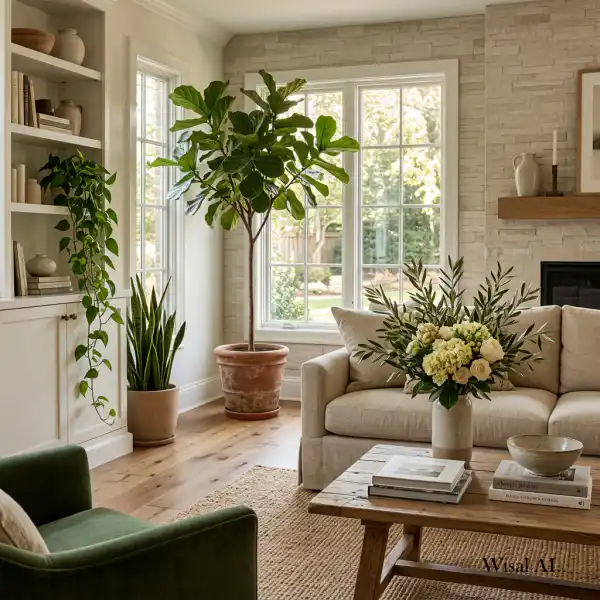
Greenery naturally complements butter yellow by introducing freshness and organic texture. Large olive trees, fiddle-leaf figs, rubber plants, monstera, or smaller potted plants create gentle contrast while reinforcing the room's connection to nature. Their rich green leaves stand out beautifully against soft yellow walls or furniture. Professional designers often place taller plants beside windows or empty corners to soften architectural lines, while smaller plants work well on shelves, side tables, or coffee tables. Living plants also add movement and depth, making the room feel more vibrant without relying on additional decorative colors. The combination of butter yellow and natural greenery creates a calm environment inspired by the outdoors.
9. Layer Warm Ambient Lighting
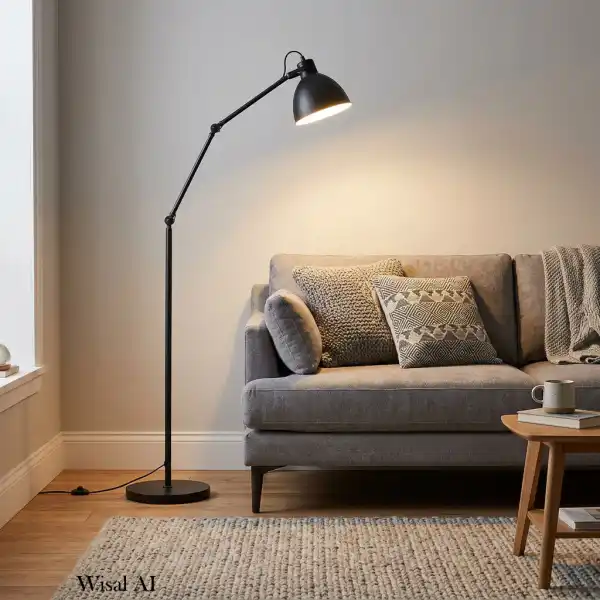
Lighting plays a crucial role in showcasing butter yellow during the evening. Instead of depending on a single ceiling light, combine table lamps, floor lamps, wall sconces, and accent lighting to create multiple layers of illumination throughout the room. Warm white bulbs between 2700K and 3000K enhance the creamy warmth of butter yellow while producing a cozy atmosphere perfect for relaxing or entertaining. Professional designers often use dimmers to adjust brightness according to different moods and activities. Layered lighting also highlights furniture, artwork, and textures, making the room feel more luxurious after sunset.
10. Keep the Color Palette Soft and Balanced
Butter yellow works best within a restrained palette of warm neutral colors. Pair it with cream, ivory, warm white, beige, natural oak, walnut, brushed brass, and soft gray rather than introducing numerous bold colors. Professional designers often repeat these shades throughout rugs, cushions, curtains, artwork, and accessories to create visual harmony. This thoughtful approach allows butter yellow to remain the highlight while preventing the room from feeling busy. Simple color palettes almost always appear more timeless than highly contrasting ones.
11. Add Black Details for Modern Contrast
A few black accents help define the room while balancing butter yellow's softness. Matte black floor lamps, picture frames, shelving brackets, furniture legs, curtain rods, or decorative accessories introduce subtle structure without overpowering the overall design. Professional designers frequently use black sparingly, treating it as a visual outline that makes lighter colors appear even brighter. When paired with butter yellow, oak, marble, and brass, black creates a sophisticated modern palette that feels fresh and elegant. These small details add depth while preserving the room's welcoming atmosphere.
12. Style Shelves with Thoughtful Accessories
Beautiful shelving is about careful editing rather than filling every available space. Choose ceramic vases, candles, coffee table books, handmade bowls, woven baskets, framed artwork, and small sculptures that complement the room's warm palette. Professional designers intentionally leave empty space between decorative objects to create balance and allow each piece to stand out. This approach keeps the living room feeling clean, organized, and professionally styled. Thoughtfully arranged accessories reinforce the overall color palette without creating unnecessary visual clutter.
13. Mix Natural Materials and Soft Fabrics
The most memorable interiors rely on texture as much as color. Combine butter yellow upholstery with linen curtains, wool throws, boucle accent chairs, woven rugs, cotton cushions, ceramic décor, and natural wood furniture to create a layered environment full of warmth and depth. Professional designers often avoid excessive patterns, allowing different materials to provide visual interest instead. The contrast between smooth fabrics, woven fibers, stone, and wood creates a living room that feels comfortable, elegant, and inviting. Layered textures help butter yellow appear richer and more sophisticated.
14. Display Oversized Artwork in Earthy Tones
Large artwork provides a strong focal point while reinforcing the room's soft palette. Choose abstract paintings, botanical prints, textured canvases, or landscape artwork featuring cream, beige, soft green, terracotta, warm brown, or muted yellow tones. Professional designers typically prefer one oversized artwork above the sofa instead of multiple smaller frames because it creates a cleaner, more luxurious appearance. The right artwork ties together the room's furniture, colors, and textures while adding personality. Oversized pieces also make the living room feel thoughtfully curated rather than overly decorated.
15. Design Around Comfort and Everyday Living
The most beautiful living rooms are those that feel as good as they look. Comfortable seating, practical furniture layouts, generous walking space, layered lighting, organized storage, and soft textiles all contribute to an environment where people naturally want to gather. Professional designers understand that true luxury is measured by everyday comfort rather than expensive decoration alone. Butter yellow supports this philosophy by creating a positive, welcoming atmosphere that encourages relaxation without sacrificing elegance. A thoughtfully designed living room becomes a place where family and guests enjoy spending time throughout every season.
Conclusion
Butter yellow is one of the most uplifting colors you can introduce into a living room. Its gentle warmth brightens interiors without feeling overpowering, making it a wonderful alternative to plain neutrals while remaining timeless and sophisticated. Whether incorporated through a sofa, painted walls, textiles, or decorative accessories, butter yellow creates an inviting atmosphere that feels cheerful, elegant, and comfortable every day. Its greatest strength lies in its versatility. Butter yellow pairs beautifully with warm white, cream, natural oak, walnut, marble, brushed brass, indoor greenery, and layered natural textures. These combinations allow the color to adapt effortlessly to Scandinavian, Japandi, modern, coastal, transitional, and classic interiors while maintaining a calm and refined appearance. Ultimately, successful interior design is about balancing beauty with comfort. By combining butter yellow with natural materials, thoughtful lighting, and a carefully edited color palette, you can create a living room that feels bright, welcoming, and timeless. These 15 designer-inspired ideas provide the perfect starting point for transforming your space into one that feels warm, stylish, and full of everyday joy.
FAQs
1. Is butter yellow a good color for a living room?
Yes. Butter yellow creates a bright, welcoming atmosphere while remaining softer and more timeless than bold yellow shades.
2. What colors pair well with butter yellow?
Warm white, cream, beige, natural oak, walnut, marble white, brushed brass, soft gray, olive green, and terracotta all complement butter yellow beautifully.
3. Does butter yellow work in small living rooms?
Absolutely. Because it reflects natural light so well, butter yellow can make smaller living rooms feel brighter, larger, and more open.
4. Which decorating styles suit butter yellow?
Butter yellow works beautifully in Scandinavian, Japandi, modern, coastal, transitional, farmhouse, and contemporary interiors.
5. What materials look best with butter yellow?
Natural oak, walnut, marble, linen, wool, bouclé, ceramic, woven fibers, brushed brass, and natural stone all pair wonderfully with butter yellow.
6. What's the easiest way to introduce butter yellow into a living room?
Start with butter yellow throw pillows, an accent chair, curtains, artwork, or a sofa, then combine them with warm neutrals and natural materials for a balanced, designer-inspired look.