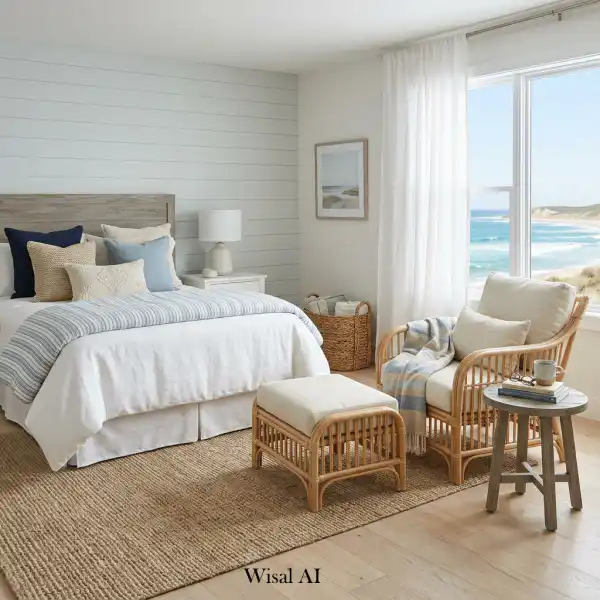
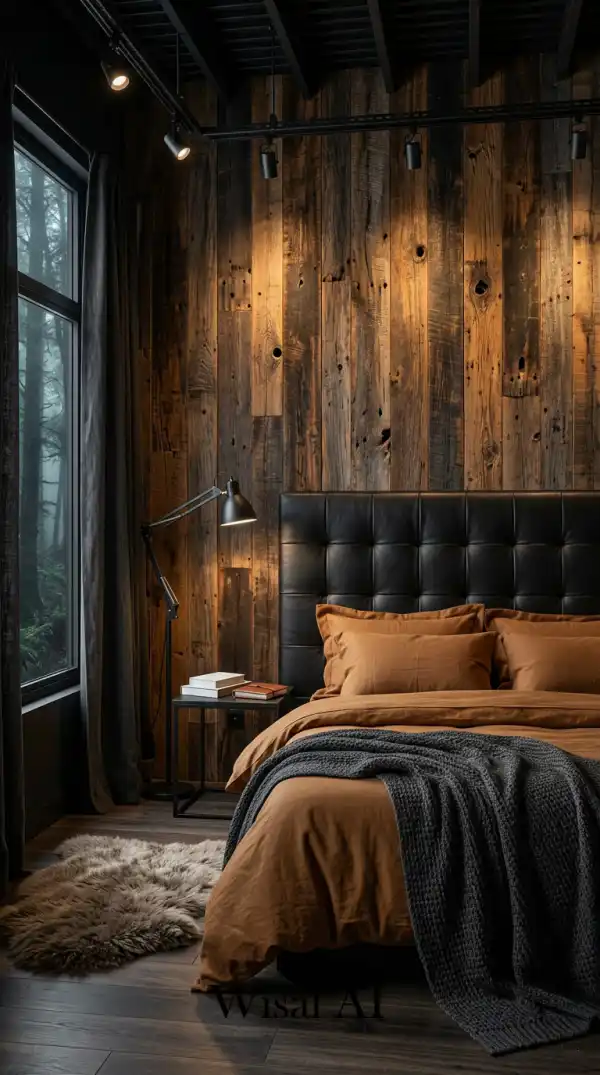
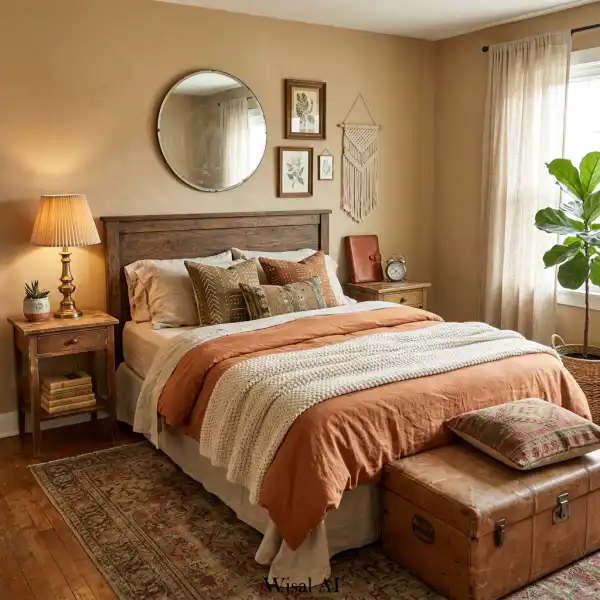
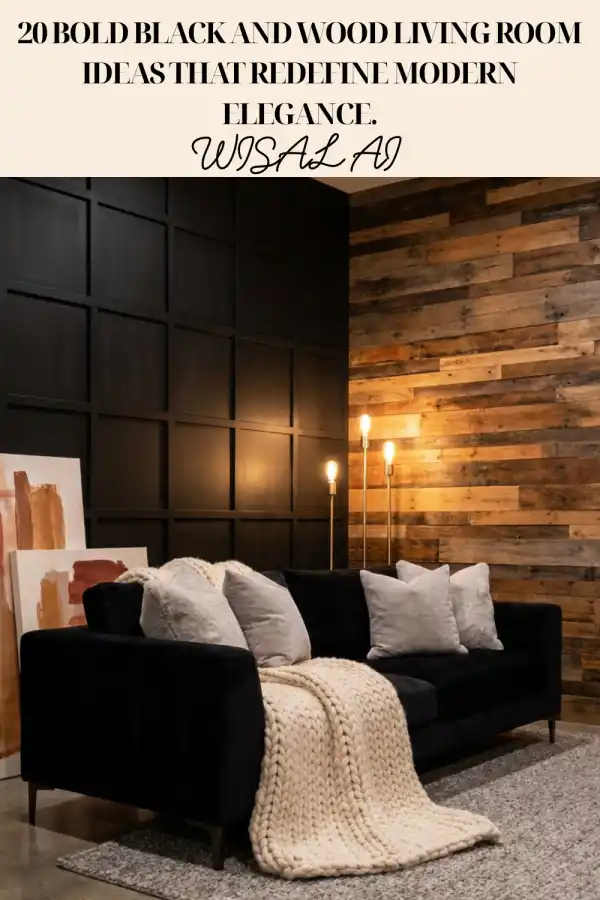
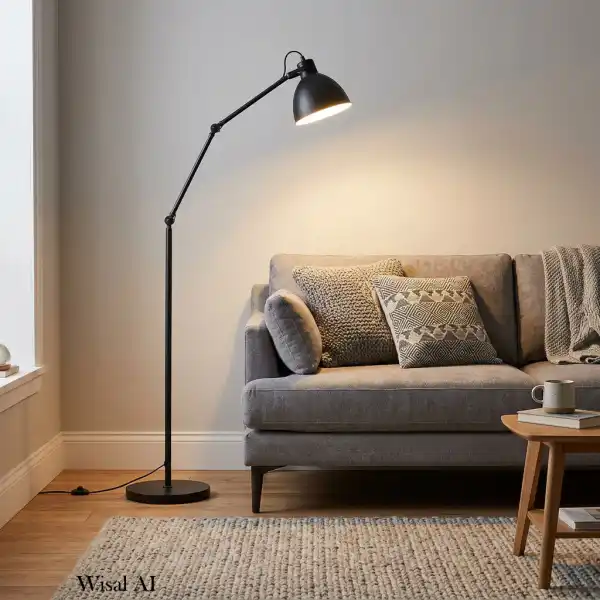
A designer living room doesn't have to come with a custom-built budget. In fact, many of the most beautiful interiors achieve their luxurious appearance through thoughtful planning, carefully selected materials, and attention to detail rather than extravagant spending. The secret lies in creating a space where every element feels intentional, balanced, and perfectly suited to the architecture of the home. Professional interior designers approach living rooms differently from the average homeowner. Instead of purchasing furniture one piece at a time, they begin with a complete vision that considers layout, scale, lighting, colour, texture, and functionality together. This holistic approach creates rooms that feel cohesive and effortlessly elegant rather than randomly decorated. One of the defining characteristics of a custom-designed living room is its sense of harmony. Furniture appears perfectly proportioned, materials complement one another, and decorative accessories are carefully curated instead of overcrowding every surface. Built-in features, layered lighting, oversized artwork, natural stone, rich wood finishes, and high-quality textiles all contribute to an elevated appearance that feels timeless rather than trend-driven. Texture also plays a crucial role in creating a bespoke look. Linen, bouclé, wool, leather, marble, travertine, oak, walnut, and handcrafted ceramics introduce depth without relying on bold colours or excessive decoration. Combined with a restrained neutral palette and carefully planned lighting, these materials create an atmosphere that feels warm, sophisticated, and welcoming. Another hallmark of designer interiors is practicality. Beautiful living rooms are designed for everyday life, with furniture arranged to encourage conversation, storage integrated seamlessly into the design, and lighting adapted to different activities throughout the day. Every decision serves both aesthetic and functional purposes. In this guide, you'll discover 15 designer living room ideas that look custom made. These expert-inspired ideas will help you transform your living room into a refined, personalised space that feels professionally designed while remaining comfortable enough for everyday living.
1. Design Around a Cohesive Colour Palette
Every designer living room begins with a carefully planned colour palette. Rather than introducing numerous competing colours, professional designers select a small collection of complementary shades and repeat them consistently throughout the space. Warm whites, soft greige, taupe, cream, stone, walnut brown, charcoal, and muted earth tones create a timeless foundation that allows furniture and textures to stand out. Layering several shades within the same colour family adds depth while maintaining harmony. Cushions, rugs, curtains, artwork, and decorative accessories should all reinforce the chosen palette rather than introducing unnecessary visual distractions. A cohesive colour scheme immediately gives the impression of a professionally designed interior and creates a calm atmosphere that remains elegant for years.
2. Invest in Furniture That Fits the Room Perfectly
One of the biggest differences between an ordinary living room and one that feels custom designed is scale. Professional designers never choose furniture simply because it looks beautiful in a showroom. Instead, they carefully consider the room's dimensions, ceiling height, window placement, and circulation before selecting each piece. A sofa that is too large overwhelms the room, while furniture that is too small can make the space feel unfinished. Choose a sofa that comfortably anchors the seating area, pair it with proportionate armchairs, and leave enough walking space between furniture pieces. Coffee tables should sit at a comfortable distance from the seating, while side tables should be easily accessible without interrupting movement. Balanced proportions create an effortless sense of harmony that immediately makes the room feel more refined.
3. Add Built-In Storage That Blends Seamlessly
Built-in cabinetry is one of the strongest indicators of a professionally designed living room. Instead of relying on freestanding storage units, integrate shelving, media cabinets, and display niches into the architecture of the room. Custom-looking built-ins maximise storage while creating a clean, uninterrupted appearance. Professional designers often combine open shelving with closed cabinets. Open sections display carefully curated books, ceramics, artwork, and decorative objects, while concealed storage keeps everyday clutter hidden. Matching the cabinetry colour to the walls further enhances the seamless look. Built-ins make a living room feel permanent, sophisticated, and thoughtfully planned.
4. Layer High-Quality Natural Materials
Luxury interiors rely on materials rather than decoration. Combine natural oak, walnut, marble, travertine, linen, bouclé, leather, wool, brushed brass, and handcrafted ceramics to create visual richness through texture instead of bold colours. Professional designers repeat these materials throughout the room to create consistency. For example, walnut furniture might be paired with oak shelving, marble accessories, linen curtains, and woven baskets. Each material contributes warmth and authenticity while ageing beautifully over time. Layering natural materials creates a space that feels timeless rather than trend-driven.
5. Create Multiple Lighting Layers
Lighting is one of the most overlooked aspects of interior design, yet it has the greatest impact on how a room feels. Rather than depending on a single ceiling fixture, combine pendant lights, recessed lighting, table lamps, floor lamps, wall sconces, and discreet accent lighting. Warm white lighting between 2700K and 3000K enhances natural wood, soft textiles, and neutral colour palettes while creating a welcoming evening atmosphere. Professional designers also use dimmers to adjust brightness according to different activities and moods. Layered lighting adds depth while highlighting architectural features and beautiful materials.
6. Introduce Oversized Artwork
Large-scale artwork instantly gives a living room a bespoke appearance. Instead of filling walls with numerous small frames, choose one or two oversized pieces that establish a clear focal point. Abstract paintings, textured canvases, minimalist photography, or soft landscape artwork complement designer interiors beautifully. Neutral colours and organic forms help maintain a calm atmosphere while reinforcing the overall colour palette. Professional designers often hang artwork slightly lower than expected so it feels connected to the furniture beneath it. Oversized artwork creates drama through simplicity rather than excess.
7. Style with Carefully Curated Accessories
Accessories should enhance the room rather than compete for attention. Select handmade ceramics, sculptural objects, candles, coffee table books, woven baskets, and natural stone décor that complement the room's materials and colours. Professional designers avoid filling every shelf or surface. Instead, they leave generous negative space so each decorative object can be appreciated individually. A smaller collection of meaningful accessories often feels far more luxurious than dozens of decorative items. Thoughtful styling gives the room personality while maintaining elegance.
8. Add Floor-to-Ceiling Curtains
Curtains that extend from ceiling to floor instantly elevate any living room. This simple technique draws the eye upward, making ceilings appear higher and windows feel larger. Choose linen or linen-blend fabrics in warm white, ivory, beige, or soft taupe to complement a neutral interior. Professional designers mount curtain rods close to the ceiling rather than directly above the window frame. The result is a softer, more architectural appearance that feels custom designed.
9. Incorporate Statement Stone Pieces
Natural stone introduces quiet luxury through timeless beauty. A marble coffee table, travertine side table, limestone pedestal, or stone fireplace surround becomes a sophisticated focal point without overwhelming the room. Professional designers often allow the natural veining and texture of the stone to remain the centre of attention, avoiding excessive decorative accessories. Stone also pairs effortlessly with wood, linen, leather, and brushed brass. Its enduring beauty ensures the room remains elegant for years.
10. Mix Straight Lines with Soft Curves
Designer interiors achieve balance through contrast. Pair straight architectural lines with curved sofas, rounded chairs, oval mirrors, or sculptural lighting to soften the overall composition. Professional designers intentionally mix geometric and organic forms to create movement while preventing the room from feeling too rigid or overly decorative. The combination of curves and clean lines creates visual interest that feels both modern and timeless. Balanced forms make the room feel carefully composed.
11. Hide Technology Wherever Possible
A custom-designed living room feels calm because visual distractions are minimised. Conceal cables inside walls or cabinetry, integrate televisions into built-in units, and organise electronic devices behind closed storage. Professional designers frequently use hidden cable management and minimalist media units to keep attention focused on furniture, artwork, and architectural details. Reducing visible technology creates a cleaner, more sophisticated environment. The room feels intentional rather than dominated by electronics.
12. Repeat Design Elements Throughout the Room
Consistency creates a bespoke appearance. Repeat materials, colours, finishes, and shapes across furniture, lighting, artwork, and accessories to establish visual rhythm. For example, brushed brass hardware might also appear in lighting fixtures, while walnut furniture complements wooden picture frames and shelving. Professional designers intentionally repeat these details to make the entire room feel connected. This subtle repetition gives the impression that every element was selected as part of one complete design.
13. Bring Nature Indoors
Natural elements add warmth and life to every living room. Large indoor trees, olive branches, fresh flowers, or simple greenery soften the room while introducing colour and texture. Professional designers often use plants to frame seating areas, soften empty corners, or add height beside built-in shelving. Organic elements also balance stone, wood, and neutral fabrics beautifully. Nature brings freshness without disrupting the room's refined aesthetic.
14. Prioritise Comfort Alongside Style
Beautiful interiors should support everyday living. Deep seating, supportive cushions, generous walking space, soft rugs, layered lighting, and practical furniture arrangements encourage people to relax while maintaining an elegant appearance. Professional designers carefully consider how families actually use a room before making decorative decisions. Comfort is never sacrificed for aesthetics. A living room that feels inviting every day will always feel more luxurious than one designed only for display.
15. Edit Every Detail Before Calling It Finished
Perhaps the greatest secret of professional interior designers is knowing when to stop. Once the furniture, lighting, artwork, and accessories are in place, step back and evaluate the room objectively. Remove anything that feels unnecessary or repetitive. Luxury interiors often appear effortless because they have been carefully edited rather than continuously decorated. Every object should have a purpose, whether functional or decorative. Thoughtful editing transforms a well-furnished living room into one that truly looks custom made.
Conclusion
A designer living room is not defined by expensive furniture alone. It is the result of thoughtful planning, balanced proportions, carefully layered materials, and attention to every detail. From a cohesive colour palette and custom-looking built-ins to natural stone, oversized artwork, layered lighting, and timeless furniture, every decision contributes to a space that feels elegant, welcoming, and intentionally designed. Professional interiors also prioritise comfort just as much as beauty. Practical layouts, concealed storage, soft textiles, natural light, and carefully edited accessories create rooms that support everyday living while maintaining a luxurious appearance. Rather than following short-lived trends, these principles focus on quality, craftsmanship, and timeless design that continues to look beautiful year after year. By applying these 15 designer-inspired ideas, you can create a living room that feels custom made without requiring a complete renovation. The true secret lies in choosing fewer, better pieces, repeating materials consistently, embracing natural textures, and refining every detail until the entire room feels harmonious, personal, and effortlessly sophisticated.
FAQs
1. What makes a living room look custom designed?
A cohesive colour palette, properly scaled furniture, built-in storage, layered lighting, premium natural materials, and carefully curated accessories all contribute to a custom-designed appearance.
2. Do I need custom furniture to achieve this look?
No. Well-chosen furniture with the right proportions, combined with thoughtful styling and consistent materials, can create a bespoke feel without custom-made pieces.
3. Which materials create the most luxurious living room?
Natural oak, walnut, marble, travertine, linen, bouclé, wool, leather, ceramic, brushed brass, and natural stone are timeless choices that add warmth and sophistication.
4. How important is lighting in designer interiors?
Lighting is essential. Layering ambient, task, and accent lighting creates depth, highlights architectural features, and makes the room feel warm and inviting.
5. How can I make my living room look more expensive on a budget?
Focus on decluttering, using a consistent colour palette, investing in a few quality pieces, adding floor-to-ceiling curtains, incorporating natural textures, and styling with restraint.
6. Why do designer living rooms always feel balanced?
Professional designers carefully coordinate scale, proportion, colour, texture, lighting, and spacing so every element works together to create a harmonious and timeless space.