Quiet luxury has become one of the most influential interior design trends in recent years, redefining what it means to create a truly elegant home. Rather than relying on bold colours, oversized décor, or expensive-looking statement pieces, quiet luxury focuses on exceptional materials, timeless craftsmanship, balanced proportions, and understated sophistication. The result is a living room that feels refined, comfortable, and effortlessly beautiful without trying to attract attention. Unlike fast-changing design trends, quiet luxury is built around longevity. Every furniture choice, fabric, finish, and decorative detail is carefully selected to create harmony rather than excess. Instead of filling a room with decorative objects, designers prioritise quality over quantity, allowing beautiful materials like natural oak, walnut, marble, linen, bouclé, leather, and brushed brass to become the true focal points. One of the reasons quiet luxury has gained worldwide popularity is its ability to make everyday living feel more comfortable. Soft neutral colour palettes, layered lighting, carefully chosen artwork, and thoughtfully arranged furniture create spaces that encourage relaxation while maintaining an unmistakable sense of elegance. The atmosphere feels warm, calm, and welcoming rather than formal or intimidating. Quiet luxury also embraces timeless design principles instead of seasonal trends. Neutral tones, natural textures, sculptural furniture, and balanced layouts ensure that a living room continues to feel stylish for many years without requiring constant updates. This approach not only creates a more sophisticated interior but also represents a smarter long-term investment. Professional designers understand that luxury is rarely created through one expensive item. Instead, it comes from the careful relationship between architecture, lighting, materials, scale, texture, and negative space. Every detail works together to create an environment where nothing feels excessive, yet everything feels intentional. In this guide, you'll discover 15 quiet luxury living room ideas that never go out of style. These designer-inspired ideas will help you create a living room that feels elegant, timeless, welcoming, and beautifully understated for years to come.
1. Build the Room Around a Neutral Colour Palette
A quiet luxury living room begins with a calm and timeless foundation. Instead of bold colours or dramatic contrasts, choose warm whites, ivory, cream, beige, taupe, soft greige, stone, and gentle earth tones. These colours create a peaceful backdrop that allows beautiful furniture, textures, and architectural details to become the focus. Professional designers often layer several shades within the same colour family rather than relying on a single neutral. This subtle variation introduces depth while maintaining visual harmony. Natural light reflects beautifully across soft neutrals, making the room appear brighter, larger, and more welcoming throughout the day. A restrained palette provides the timeless elegance that defines quiet luxury.
2. Invest in Timeless, High-Quality Furniture
Luxury interiors are built around furniture that prioritises craftsmanship over trends. Choose well-proportioned sofas, elegant lounge chairs, solid wood coffee tables, and beautifully upholstered seating that will remain stylish for many years. Clean lines, refined silhouettes, and premium materials create a sophisticated appearance without unnecessary ornamentation. Professional designers often prefer fewer, higher-quality pieces instead of filling the room with excessive furniture. Natural linen, leather, bouclé, walnut, oak, and marble age beautifully, giving the room even more character over time. Timeless furniture creates lasting elegance that never feels outdated.
3. Layer Natural Textures Instead of Bold Patterns
Quiet luxury relies on texture to create richness. Combine linen curtains, wool rugs, bouclé chairs, cotton cushions, leather accents, woven baskets, ceramic décor, and natural wood furniture to build visual depth without introducing loud prints. Professional designers frequently avoid overly decorative patterns because texture alone provides enough interest while preserving the room's calming atmosphere. The contrast between smooth stone, soft fabrics, warm wood, and handcrafted ceramics creates a sophisticated environment that feels both luxurious and inviting. Texture adds warmth while allowing the room to remain beautifully understated.
4. Maximise Natural Light
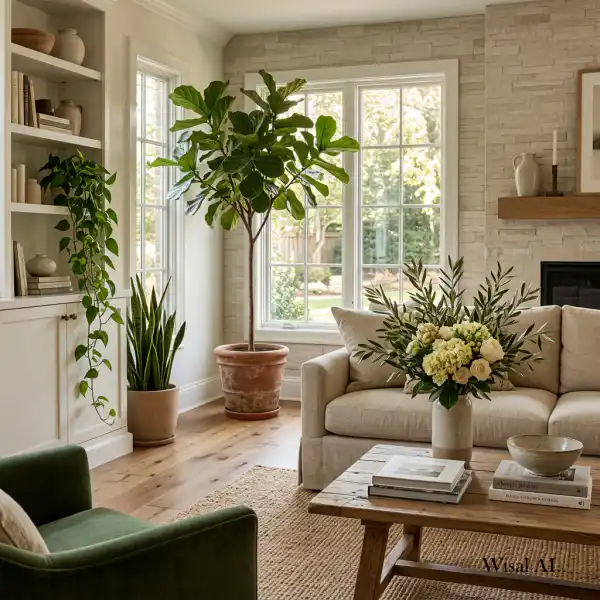
Natural light is one of the most valuable design elements in a quiet luxury home. Large windows, floor-to-ceiling curtains, sheer linen fabrics, and carefully positioned mirrors allow sunlight to fill the room while highlighting natural materials and soft colour palettes. Professional designers often keep window treatments simple so they frame outdoor views instead of competing with them. As daylight changes throughout the day, the subtle textures and neutral colours become even more dynamic. Bright, naturally lit interiors always feel more refined than heavily decorated spaces.
5. Choose Sculptural Furniture with Soft Curves
Quiet luxury embraces furniture that feels elegant through its form rather than excessive decoration. Curved sofas, rounded armchairs, organic coffee tables, and sculptural side tables introduce softness while improving the room's visual flow. Professional designers often mix these gentle curves with clean architectural lines to achieve perfect balance. The result is a living room that feels modern yet timeless, sophisticated yet comfortable. Well-designed furniture quietly becomes artwork in its own right without demanding attention.
6. Incorporate Natural Stone Finishes
Natural stone is one of the defining materials of quiet luxury because it combines beauty, durability, and timeless appeal. Travertine, white marble, limestone, quartzite, and soft-toned granite all introduce subtle texture while maintaining an understated appearance. Unlike glossy synthetic materials, natural stone develops character over time, making the living room feel more authentic and refined. A travertine coffee table, marble fireplace surround, stone side table, or sculptural pedestal instantly elevates the space without appearing extravagant. Professional designers often allow the natural veining and texture of stone to become a decorative feature rather than covering it with unnecessary accessories. The combination of stone, wood, and soft textiles creates an interior that feels luxurious through simplicity.
7. Add Warm Wood Throughout the Room
Natural wood introduces warmth that balances the softness of neutral colour palettes. Oak, walnut, ash, and white oak furniture create a sense of craftsmanship while making the room feel welcoming and timeless. Coffee tables, media units, shelving, side tables, ceiling beams, and decorative trays all contribute to a cohesive design. Professional designers usually repeat the same wood tone throughout the room instead of mixing several unrelated finishes. Visible wood grain adds depth and personality that painted furniture often lacks. Quality wood furniture ages beautifully, making it one of the best long-term investments for a quiet luxury home.
8. Keep Decorative Accessories Minimal
One of the biggest differences between luxury interiors and cluttered spaces is careful editing. Instead of filling every shelf, table, and corner, choose a small collection of meaningful decorative objects. Handmade ceramic vases, sculptural bowls, candles, coffee table books, natural stone accessories, and framed artwork create interest without overwhelming the room. Professional designers intentionally leave generous empty space around decorative pieces. This negative space allows every object to receive attention while giving the room a calm, organised atmosphere. Luxury often comes from what you choose not to display.
9. Layer Warm Ambient Lighting
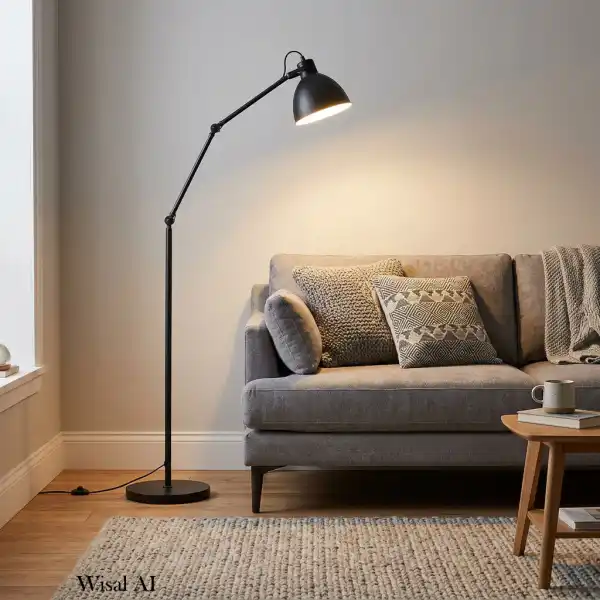
Lighting transforms an ordinary room into an elegant retreat. Rather than relying on one ceiling light, combine pendant lighting, recessed lighting, wall sconces, table lamps, floor lamps, and subtle accent lighting to create multiple layers of illumination. Warm white bulbs between 2700K and 3000K produce a relaxing glow that enhances wood, linen, marble, and natural fabrics. Professional designers often install dimmers so lighting can be adjusted throughout the day depending on the mood or activity. Soft layered lighting creates depth while making every material appear richer and more luxurious.
10. Display Oversized Artwork
Quiet luxury favours fewer, larger statement pieces instead of crowded gallery walls. Choose one oversized abstract painting, textured canvas, landscape photograph, or minimalist artwork above the sofa or fireplace. Artwork featuring warm neutrals, earthy tones, soft black, muted greens, or subtle texture complements the restrained colour palette perfectly. Professional designers frequently use oversized art to establish a sophisticated focal point without introducing unnecessary visual noise. Large artwork immediately makes the living room feel more curated and professionally designed.
11. Prioritise Comfort in Every Seating Area
True luxury is measured by comfort just as much as appearance. Deep sofas, generously proportioned armchairs, supportive cushions, soft throws, and practical furniture layouts encourage people to relax and spend time together. Professional designers carefully consider viewing angles, walking paths, conversation distances, and furniture proportions before selecting decorative accessories. Comfort should never be sacrificed for aesthetics. A room that feels welcoming every day will always feel more luxurious than one designed only for photographs.
12. Hide Everyday Clutter
Quiet luxury is impossible without organisation. Built-in cabinetry, concealed storage, media units with hidden compartments, woven baskets, and elegant cabinets help keep everyday items out of sight while preserving a calm environment. Professional designers understand that visual simplicity creates a greater sense of luxury than expensive decoration alone. Keeping surfaces clear allows beautiful furniture, artwork, and natural materials to become the room's primary focus. An organised living room instantly feels larger, brighter, and more relaxing.
13. Introduce Soft Organic Shapes
Gentle curves soften modern architecture while making the room feel more welcoming. Curved sofas, rounded coffee tables, oval mirrors, sculptural lighting, and organically shaped decorative objects create natural movement throughout the space. Professional designers often balance these flowing forms with straight walls, rectangular shelving, and clean architectural details. This contrast creates harmony while preventing the room from feeling overly rigid. Soft shapes reinforce the calm atmosphere that defines quiet luxury.
14. Invest in Custom-Looking Details
Luxury often comes from thoughtful finishing touches rather than expensive furniture alone. Floor-to-ceiling curtains, bespoke shelving, custom wall panelling, carefully fitted rugs, oversized mirrors, hidden cable management, and elegant hardware all contribute to a polished appearance. Professional designers pay close attention to alignment, spacing, proportions, and finishing details because these subtle improvements dramatically influence how a room feels. Small refinements often create a much greater impression than large decorative purchases. Custom-looking details make the living room feel unique and carefully considered.
15. Design for Timeless Living
The ultimate goal of quiet luxury is creating a home that remains beautiful for decades rather than seasons. Instead of chasing trends, focus on quality materials, timeless furniture, balanced layouts, neutral colours, natural textures, and thoughtful craftsmanship. Professional designers always ask whether a room will still feel elegant ten years from now. By choosing classic pieces and avoiding short-lived trends, homeowners create interiors that continue ageing gracefully while requiring very few updates. Timeless design is not about simplicity alone—it is about making thoughtful decisions that continue adding value, comfort, and beauty every single day.
Conclusion
Quiet luxury is not defined by expensive decoration or dramatic design statements. Instead, it is built on timeless principles that celebrate craftsmanship, natural materials, thoughtful layouts, and exceptional attention to detail. Every element works together to create a living room that feels calm, elegant, and welcoming without appearing excessive. This understated approach allows beauty to emerge through proportion, texture, light, and quality rather than through unnecessary ornamentation. The most successful quiet luxury interiors combine warm neutral colours with natural oak, walnut, marble, linen, bouclé, leather, stone, and carefully layered lighting. Spacious layouts, curated accessories, hidden storage, oversized artwork, and comfortable furniture further reinforce the sense of effortless sophistication. Rather than following short-term trends, these design choices continue looking beautiful year after year, making them a smart investment for any home. Ultimately, quiet luxury is about creating a living room that supports everyday life while maintaining timeless elegance. It is a style that values comfort as highly as beauty and believes that the finest interiors are those that feel peaceful, authentic, and carefully considered. By applying these 15 designer-inspired ideas, you can transform your living room into a sophisticated retreat that never goes out of style.
FAQs
1. What is quiet luxury in interior design?
Quiet luxury is a design style that focuses on timeless furniture, premium materials, neutral colours, natural textures, and understated elegance rather than bold trends or excessive decoration.
2. Which colours work best for a quiet luxury living room?
Warm white, ivory, cream, beige, taupe, greige, soft stone, and earthy neutrals create the calm foundation associated with quiet luxury interiors.
3. What materials define quiet luxury?
Natural oak, walnut, marble, travertine, limestone, linen, bouclé, leather, wool, brushed brass, ceramic, and natural stone are among the most commonly used materials.
4. Is quiet luxury suitable for small living rooms?
Yes. Keeping the colour palette light, reducing clutter, maximising natural light, and choosing well-proportioned furniture can make even compact living rooms feel elegant and spacious.
5. How can I make my living room look luxurious on a budget?
Focus on decluttering, layering warm lighting, using quality-looking natural materials, choosing timeless neutral colours, adding oversized artwork, and investing in a few well-made furniture pieces rather than many inexpensive accessories.
6. Will quiet luxury go out of style?
No. Because it is based on classic design principles instead of temporary trends, quiet luxury remains one of the most timeless and enduring approaches to interior design.