Mixing different wood tones is one of the easiest ways to make an interior feel layered, sophisticated, and naturally designed. Yet it is also one of the areas that causes the most uncertainty for homeowners. Should the dining table match the kitchen cabinets? Can walnut work with oak? Is it okay to have both dark and light wood in the same room? What happens when the flooring is already a different colour? The good news is that wood tones do not have to match perfectly. In fact, a room where every wooden surface is exactly the same colour can sometimes feel overly coordinated or flat. Professional interiors often combine several wood finishes to create contrast, depth, and visual interest. The secret is not matching every piece. It's creating a relationship between them. Different wood species naturally have different undertones, grain patterns, textures, and levels of darkness. When those characteristics are considered carefully, combinations that initially seem unrelated can work beautifully together. A warm oak floor can complement deep walnut furniture. Light ash can work alongside medium-toned teak. Dark wood can create contrast against pale cabinetry. Even several different wood finishes can coexist successfully when the overall composition has balance. However, mixing wood tones randomly can create the opposite effect. Too many unrelated finishes may make a room feel chaotic, while similar but slightly different woods can sometimes clash more than dramatically different ones. This is why understanding undertones, contrast, repetition, proportion, and visual weight is so important. Whether you're furnishing a new home, renovating a kitchen, choosing bedroom furniture, or simply trying to make an existing interior feel more cohesive, this guide will help you understand exactly how to mix wood tones with confidence.
1. Understand the Difference Between Wood Species and Wood Tones
Before mixing wood, it's important to understand what you're actually comparing. A wood species refers to the type of tree the material comes from, such as oak, walnut, ash, maple, teak, or mahogany. A wood tone refers more broadly to its visual appearance. Two pieces made from different species can look surprisingly similar after staining, while the same species can look completely different depending on the finish. Wood tones are often broadly classified as: Light: ash, pale oak, maple, birch Medium: natural oak, teak, honey-toned woods Dark: walnut, dark-stained oak, mahogany Warm: golden, honey, reddish, caramel tones Cool: greyish, muted, or slightly ashy tones Understanding these differences makes it much easier to decide which combinations will work.
2. Identify the Undertone Before Choosing a Combination
One of the most important rules for mixing wood tones is understanding undertones. Wood can have warm, cool, or neutral undertones. Warm woods tend to have golden, honey, orange, or reddish characteristics. Cooler woods may appear grey, muted, or slightly ashy. For example, a warm honey-oak floor paired with a strongly grey-toned cabinet can sometimes feel disconnected. That doesn't mean warm and cool woods can never work together. It simply means the contrast needs to be intentional. If your flooring has a strong warm undertone, you can either choose furniture with a related undertone or introduce a deliberate contrast through a darker or significantly lighter wood. The important thing is to avoid combinations that look accidentally mismatched.
3. Choose One Dominant Wood Tone
One of the easiest ways to create harmony is to choose a dominant wood tone for the room. The dominant wood is usually the largest wooden surface or the material that appears most frequently. In a living room, this might be the flooring. In a kitchen, it could be the cabinetry. Once you identify the dominant wood, other wooden elements can be selected to complement or contrast with it. For example, if your floor is a medium natural oak, you might introduce walnut through the coffee table, sideboard, or accent chairs. The oak remains the foundation while the walnut provides contrast. This creates a hierarchy instead of making every wood tone compete equally.
4. Use Contrast Intentionally
Contrasting wood tones can create some of the most beautiful interiors. Light and dark woods often work particularly well together because the difference is obvious and deliberate. Imagine a room with pale oak flooring, a walnut dining table, cream upholstery, and black metal lighting. The wood tones don't match, but they create a clear visual hierarchy. The contrast makes each material easier to see. The same principle can work in bedrooms, kitchens, offices, and bathrooms. The key is to make the contrast feel purposeful rather than accidental.
5. Repeat Each Wood Tone More Than Once
One of the best tricks for making mixed wood tones feel intentional is repetition. If you introduce a particular wood tone in only one small piece of furniture, it can feel disconnected. Instead, repeat it somewhere else. For example, if you have a walnut coffee table, consider repeating walnut through a side table, picture frame, shelving detail, or decorative object. You don't need large amounts of the same wood. Even subtle repetition helps establish visual rhythm. This is one reason professional interiors often feel cohesive even when several materials are being used.
6. Use a Bridge Between Different Woods
Sometimes two wood tones don't naturally relate to each other. This is where a bridging material can help. A rug, upholstered chair, artwork, wall colour, stone surface, or metal finish can visually connect different woods. For example, a rug containing both warm oak and walnut tones can help those materials feel related. A neutral sofa can also act as a transition between a light wood floor and dark wood furniture. This technique is particularly useful when you're working with existing flooring that cannot be changed.
7. Don't Try to Match the Flooring Exactly
One of the most common mistakes homeowners make is trying to match every piece of furniture to the floor. This can actually make a room feel flat. Instead of searching endlessly for furniture that looks identical to the flooring, choose pieces that either complement the undertone or provide intentional contrast. A walnut dining table can look beautiful on an oak floor. A black-stained wood console can work with medium-toned flooring. A pale ash coffee table can create contrast against darker floors. The goal is coordination, not duplication.
8. Consider the Grain Pattern
Colour isn't the only factor. Wood grain can have a significant effect on how different finishes interact. Oak often has a more visible grain pattern, while some walnut finishes appear smoother and more understated. Combining woods with very different grain patterns can create additional texture and visual interest. However, if a room already contains many strong patterns, choose simpler wood grains to prevent visual overload. Look at the grain direction and scale as well. A large dining table with a dramatic grain pattern can become a focal point, while smaller pieces should generally remain more subtle.
9. Balance Light and Dark Wood
A room dominated entirely by dark wood can sometimes feel heavy. On the other hand, a room containing only very pale woods may feel visually flat. Combining light and dark finishes creates balance. For example: Light oak flooring Medium-toned wooden chairs Dark walnut dining table Cream upholstery Warm white walls This creates several levels of visual weight. The darker wood becomes an anchor while the lighter materials keep the room feeling open. This principle works particularly well in contemporary interiors.
10. Use Rugs to Separate Wood Surfaces
Rugs aren't only useful for comfort. They can also create visual transitions between different wood tones. Imagine a living room with warm oak flooring and a dark walnut coffee table. A large neutral rug underneath the furniture creates a buffer between the two woods. The rug gives the furniture group its own visual identity while preventing the wood finishes from competing directly. This is particularly effective in open-plan homes where multiple wood tones may appear across connected spaces.
11. Consider the Size of Each Wood Element
Not all wood tones have equal visual weight. A large wooden floor influences the room much more than a small side table. A kitchen with extensive oak cabinetry will have a much stronger wood presence than a living room with a small walnut coffee table. This means you should consider quantity as well as colour. If one wood tone already dominates the room, you can introduce another in smaller quantities. Alternatively, if you want a contrasting wood to become a feature, use it in a larger, intentional piece. Scale matters.
12. Use Non-Wood Materials to Create Breathing Room
A room doesn't need to contain wood everywhere. Stone, marble, metal, glass, fabric, plaster, and painted surfaces can create visual pauses between different wood tones. This is especially important in kitchens. For example, warm wood cabinetry can be combined with a stone countertop, metal hardware, upholstered stools, and a neutral backsplash. The non-wood materials prevent the room from becoming visually dominated by timber. They also make each wood tone more noticeable.
13. Keep the Number of Wood Tones Under Control
Although mixing wood tones can create beautiful interiors, more isn't always better. Most rooms work best with approximately two to three clearly intentional wood tones. You can have more, particularly in eclectic interiors, but additional finishes require stronger control over colour, scale, and repetition. If every piece of furniture is a different wood tone, the room may start to feel fragmented. Choose a dominant wood, a secondary wood, and perhaps one accent finish. This creates enough variety without creating chaos.
14. Repeat Wood Tones Across Open-Plan Spaces
Open-plan homes require extra attention because several areas are visible at once. A kitchen, dining room, and living room may all contain different furniture and finishes. Repeating wood tones across these zones creates continuity. For example, natural oak cabinetry can be echoed through an oak coffee table, while walnut dining chairs can connect with a walnut sideboard. The individual zones can still have different personalities. The repeated materials simply make them feel like parts of one home.
15. Don't Forget the Overall Interior Style
The best wood combinations also reflect the style of the home. A Scandinavian interior may favour pale oak, ash, and other light woods. A contemporary luxury interior might combine walnut, dark oak, stone, and brass. A rustic home can embrace reclaimed wood, oak, and distressed finishes. A mid-century-inspired interior might use walnut, teak, and warm-toned wood. There isn't one universally correct combination. The best choice depends on the architecture, colour palette, furniture style, and atmosphere you want to create.
How to Mix Wood Tones in Different Rooms
Understanding general principles is useful, but wood behaves differently depending on the room. Here are practical ways to apply the concept throughout your home.
Mixing Wood Tones in the Living Room
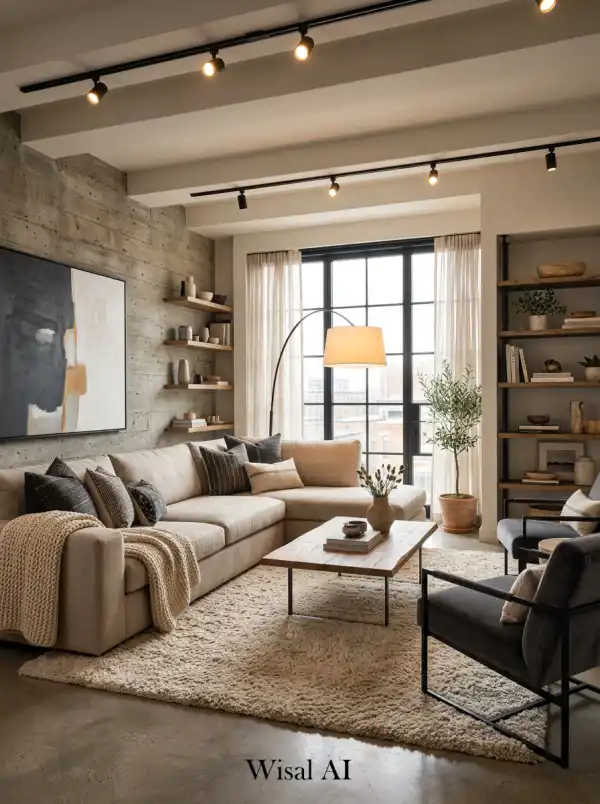
Living rooms often contain several wooden elements: flooring, coffee tables, side tables, media units, shelving, and furniture frames. Start with the floor as your dominant wood tone. If you have medium oak flooring, introduce contrast through a walnut coffee table or darker sideboard. Use upholstery and rugs to create transitions. For a more relaxed look, combine natural woods with linen, wool, and woven textures. For a luxurious appearance, pair walnut with stone, brass, and sophisticated neutral upholstery.
Mixing Wood Tones in the Kitchen
Kitchen cabinetry often dominates the visual field, so it should be treated as the primary wood tone. If you have oak cabinets, consider using darker wood for stools, dining furniture, or shelving. If your cabinets are walnut, lighter oak flooring or pale wood accessories can prevent the space from becoming too dark. Stone countertops and backsplashes can act as visual bridges between the materials. Hardware should also complement the overall composition. Brushed brass works beautifully with many warm woods, while black and stainless steel can create stronger contemporary contrast.
Mixing Wood Tones in the Bedroom
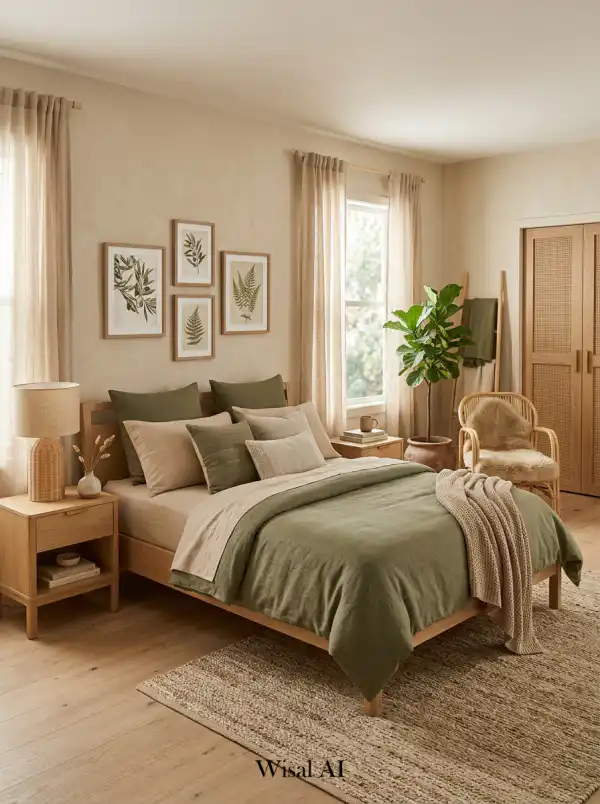
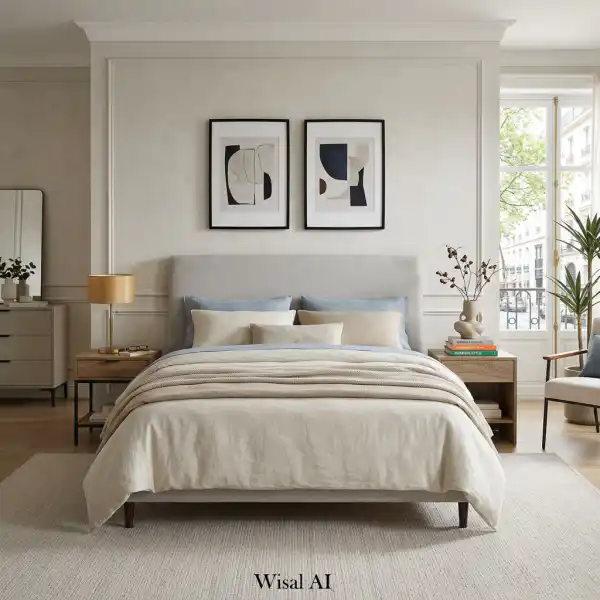
Bedrooms benefit from softer combinations. A light oak bed can work with a walnut bedside table, especially when surrounded by cream or beige textiles. Alternatively, dark wood furniture can be balanced with light flooring, pale walls, and soft bedding. Avoid introducing too many contrasting wood tones in a bedroom. The goal is to create a peaceful atmosphere rather than a highly dynamic composition.
Mixing Wood Tones in the Dining Room
The dining table will usually become the dominant wooden feature. If the table is dark walnut, chairs don't necessarily need to match. Upholstered chairs with wooden legs can introduce another finish without overwhelming the room. A wooden sideboard can repeat the table's tone and create continuity. Use a rug underneath the dining set if you want to visually separate the furniture from the flooring.
Common Mistakes to Avoid
Using Too Many Similar Wood Tones
Interestingly, several woods that are almost but not exactly the same can clash more than dramatically different tones. If you can't match a wood exactly, consider using intentional contrast instead.
Ignoring Undertones
A warm orange-toned wood combined with several cool grey woods can sometimes create visual tension. Always examine the undertones before committing to a combination.
Matching Everything
Perfectly matching the floor, dining table, coffee table, cabinets, and shelving can make the interior feel like a furniture showroom. Variation creates character.
Introducing a Wood Tone Only Once
A single unrelated wooden object can look accidental. Repeat the tone or use another material to connect it visually to the rest of the room.
Forgetting About Lighting
Wood can look dramatically different under warm artificial lighting compared with natural daylight. Always examine samples under the actual lighting conditions of your home before making major decisions.
Conclusion
Mixing wood tones doesn't need to be complicated. The goal isn't to make every wooden surface match perfectly but to create a balanced relationship between different finishes. Start by identifying the dominant wood tone in the room, usually the flooring or cabinetry. Then introduce one or two complementary or contrasting woods through furniture and architectural details. Pay attention to undertones, grain patterns, scale, and visual weight. Repeat important wood tones throughout the room or connected areas so they feel intentional. Most importantly, give the woods room to breathe. Use rugs, upholstery, stone, metal, glass, and painted surfaces to create transitions between different finishes. These materials prevent the room from becoming overwhelmed by timber while allowing each wood tone to stand out. A beautifully designed interior doesn't look as though every piece was purchased from the same collection. It feels collected, layered, and naturally evolved. That's what makes mixed wood interiors so timeless. When different woods are connected through colour, proportion, repetition, texture, and thoughtful placement, the result can feel warm, sophisticated, and remarkably expensive without requiring every piece to match.
FAQs
Do all wood tones need to match?
No. In fact, mixing wood tones often creates more depth and personality. The key is making sure the different finishes relate through undertone, contrast, repetition, or other materials.
How many wood tones should I use in one room?
Two to three wood tones are generally a comfortable starting point. More can work in eclectic interiors, but additional finishes require careful control.
Can walnut and oak be used together?
Absolutely. Walnut and oak are a popular combination because their contrast can create a strong visual hierarchy. The lighter oak can keep a room feeling open while walnut adds depth.
Should wood floors match wood furniture?
No. Furniture doesn't need to match the flooring. Choose pieces that complement the floor's undertone or create deliberate contrast.
What wood tones work well together?
Light oak with walnut, ash with darker woods, natural oak with teak, and warm medium woods with deeper walnut tones can all work beautifully when balanced with the rest of the room.
What should I do if my existing wood floors don't match my furniture?
Don't try to force an exact match. Use rugs, upholstery, artwork, and other materials to create a visual bridge, then repeat selected wood tones elsewhere in the room.
Can different wood tones work in an open-plan home?
Yes. Repeating selected finishes across the kitchen, dining area, and living room can create continuity while still allowing each zone to have its own character.