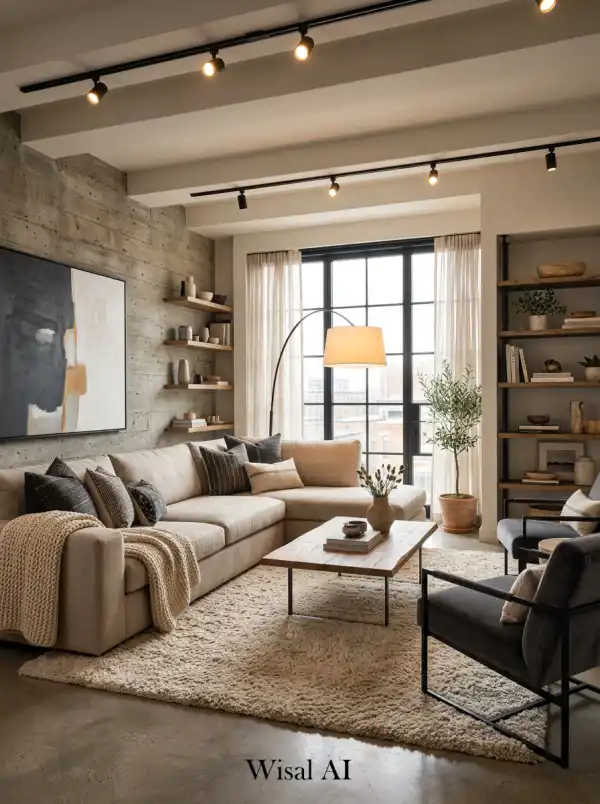
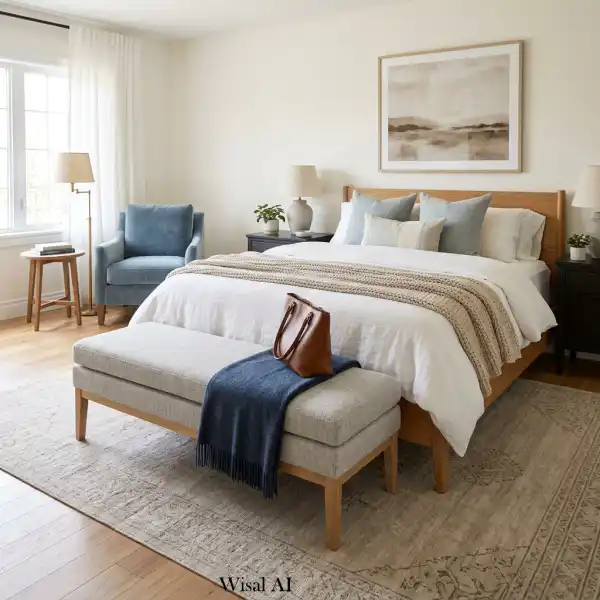
Contemporary European bedroom design represents a shift away from over-decorated spaces toward something far more intentional, calm, and emotionally grounding. It is a style built on restraint where every material, texture, and color is chosen with purpose. Instead of trying to impress through excess, the focus is on creating a feeling of comfort, silence, and effortless luxury. In this approach, the bedroom becomes more than just a place to sleep. It transforms into a personal retreat that reflects balance, clarity, and a slower lifestyle. Soft natural light, muted colors, and carefully selected furniture all work together to create an atmosphere that feels both modern and timeless. In the following ideas, you’ll explore how to build a European-inspired bedroom that captures this quiet luxury philosophy in a practical and realistic way.
1. Soft Neutral European Bedroom Foundation
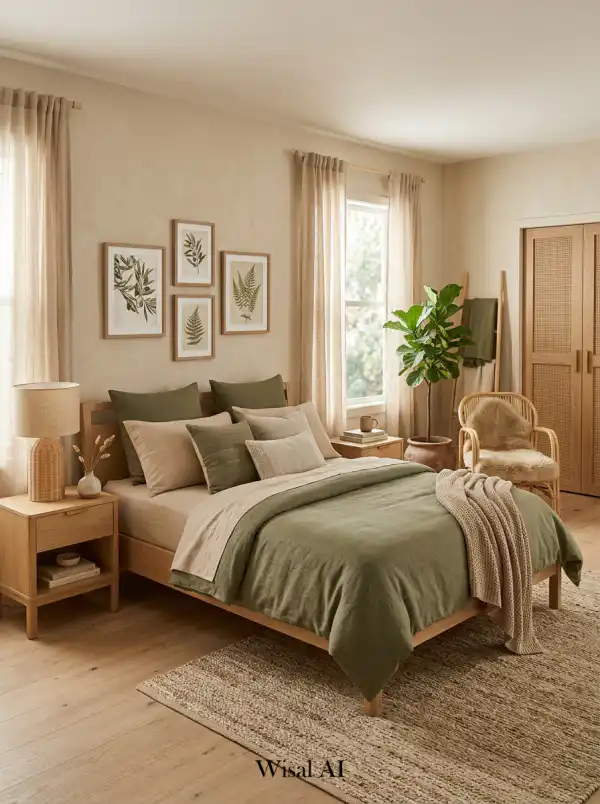
A strong European bedroom always starts with its color foundation, and in this case, neutrality is the key. Soft whites, warm beiges, light greys, and muted earthy tones create the base layer of the entire design. The reason this works so well is because neutral colors naturally calm the mind and allow the room to feel more open and breathable. Instead of competing colors or strong visual noise, everything blends smoothly into a unified atmosphere. What makes this approach truly European is the restraint behind it. The walls are never loud, the furniture doesn’t dominate the space, and even the textiles stay within the same tonal family. This creates a feeling of harmony where nothing feels out of place. Over time, this kind of bedroom doesn’t feel boring it feels timeless, because it doesn’t follow trends but instead focuses on emotional comfort and long-term visual balance.
2. Low Profile European Bedroom Bed Design
One of the most defining features of a contemporary European bedroom is the low-profile bed design. Instead of tall, heavy frames, the bed sits closer to the ground, creating a grounded and stable visual effect. This design choice immediately makes the room feel more modern and spacious because it reduces vertical clutter and keeps the eye flowing naturally across the space. Beyond aesthetics, low beds also contribute to a psychological sense of relaxation. When you enter a bedroom with this type of setup, the atmosphere feels more grounded and less formal, almost like a quiet retreat. It also aligns with minimalist European principles where furniture is not meant to dominate the room but rather support the experience of living within it. To complete this look, the bedding is usually layered but not overdone soft linens, neutral tones, and slightly imperfect textures that make the space feel lived-in rather than staged. The result is a bedroom that feels both luxurious and deeply calm at the same time.
3. Natural Oak European Bedroom Furniture Warmth
Natural oak furniture is one of the most important elements in European bedroom design because it introduces warmth without overwhelming the space. Unlike dark or highly polished woods, oak in its natural or lightly finished state keeps the room feeling light, organic, and breathable. It connects the interior to nature in a subtle but powerful way. In a contemporary bedroom setting, oak is often used for bed frames, bedside tables, wardrobes, or even flooring. What makes it so effective is its ability to age beautifully while maintaining a soft visual presence. It doesn’t demand attention, but instead quietly enhances everything around it. When combined with neutral walls and soft lighting, natural oak creates a balanced contrast that feels both modern and timeless. It also adds texture without visual noise, which is essential in achieving quiet luxury. This material choice reflects a European design mindset where authenticity matters more than decoration, and simplicity is seen as the highest form of elegance.
4. Layered Linen European Bedroom Bedding Style
Layered linen bedding is a signature element in European bedroom aesthetics because it perfectly blends comfort with effortless style. Instead of perfectly pressed, rigid bedding, the focus here is on softness, texture, and natural movement. Linen, in particular, is favored because it has a slightly wrinkled, organic look that makes the bedroom feel more relaxed and human. The layering process usually includes a fitted sheet, a lightweight duvet, and an additional throw or blanket placed casually at the foot of the bed. The goal is not perfection but rather a sense of depth and warmth. Each layer adds a different tactile experience, making the bed visually inviting without appearing overly styled. What makes this approach so powerful is its emotional effect. A layered linen bed immediately signals comfort and calmness, encouraging rest and slowing down the pace of the room. It reflects the European idea that luxury is not about shine or stiffness, but about how a space makes you feel when you enter it at the end of a long day.
5. Soft Ambient Lighting European Bedroom Atmosphere
Lighting plays a critical role in defining the mood of a contemporary European bedroom, and soft ambient lighting is at the core of this philosophy. Instead of relying on a single bright ceiling light, the space is illuminated through multiple gentle layers of light that create depth and warmth. This usually includes bedside lamps, hidden LED strips behind headboards, wall sconces, or indirect ceiling lighting. The key idea is diffusion light should never feel harsh or direct. Instead, it should gently wash over surfaces, highlighting textures and creating a calm visual rhythm in the room. The emotional impact of this lighting approach is significant. It transforms the bedroom into a sanctuary during the evening hours, helping the mind disconnect from external stress. Shadows become softer, colors appear warmer, and the entire space feels more intimate. In European design thinking, lighting is not just functional it is atmospheric architecture. It shapes how the room feels at different times of the day, making it one of the most important elements in achieving quiet luxury.
6. Minimal European Bedroom Furniture Layout Flow
In contemporary European bedroom design, furniture layout is not about filling space but about creating visual breathing room. Every piece of furniture must have a clear purpose and a balanced relationship with the surrounding space. Instead of overcrowding the room with multiple items, the focus is on intentional placement that supports calmness and clarity. Typically, the bed becomes the central focal point, and everything else is arranged around it in a very restrained way. You might find a single nightstand instead of two, or a built-in wardrobe that blends seamlessly into the wall instead of separate bulky storage units. This approach makes the bedroom feel significantly more spacious, even when the actual square footage is limited. The goal is not emptiness, but harmony. When you enter the room, there should be no visual pressure or clutter competing for attention. Everything feels placed exactly where it belongs. This is what defines European quiet luxury a space that feels organized, intentional, and emotionally calming without trying too hard.
7. Sculptural European Bedroom Nightstand Design
In modern European bedrooms, nightstands are no longer just functional storage pieces they have become sculptural design elements that contribute to the identity of the space. Instead of traditional boxy shapes, designers now prefer softer, artistic forms that feel more like small pieces of interior art. You’ll often see nightstands made from natural materials such as oak, stone, or textured wood, with rounded edges or asymmetrical silhouettes. Even when the design is minimal, there is always a sense of creativity in the shape or material choice, which adds subtle visual interest without overwhelming the room. This reflects a key European design principle: everyday objects should be both functional and beautiful. A well-designed nightstand can elevate the entire bedroom atmosphere without adding any visual noise or clutter. At the same time, these designs encourage minimal surface styling. Instead of filling the top with multiple items, only a few intentional objects are placed like a lamp, a book, or a small decorative piece. This keeps the visual language clean, calm, and aligned with quiet luxury living.
8. Textured European Bedroom Wall Finishes
Wall finishes play a major role in contemporary European bedroom design, where flat, perfect surfaces are often replaced with subtle textured materials. Instead of standard painted walls, designers frequently use limewash, plaster, or mineral-based finishes that create depth and natural movement. These textures are not meant to be bold or distracting. Instead, they gently interact with light throughout the day, creating soft variations in tone and shadow. This gives the bedroom a more organic and lived-in feeling, as opposed to a flat and artificial look. One of the biggest advantages of textured walls is that they reduce the need for excessive decoration. The surface itself becomes a visual feature, meaning fewer wall accessories are required to make the space feel complete. This approach aligns perfectly with the European philosophy of “imperfect beauty.” Slight irregularities in tone or texture are not seen as flaws, but as part of the room’s natural character. The result is a bedroom that feels warm, sophisticated, and effortlessly refined.
9. Floor-to-Ceiling European Bedroom Curtains
Floor-to-ceiling curtains are a defining feature of European bedroom aesthetics because they instantly elevate the sense of scale and elegance in the room. Unlike short curtains that visually cut the wall, full-height drapes create a continuous vertical flow that makes the ceiling feel higher and the space more expansive. Typically, these curtains are made from soft, natural fabrics such as linen or heavy cotton blends. The goal is not heaviness, but controlled softness allowing light to filter through gently while still maintaining privacy and comfort. Beyond function, curtains also play a major role in softening architectural lines. They break the rigidity of straight walls and sharp corners, adding a sense of movement and fluidity to the space. When they shift slightly with air or movement, they bring a quiet life into the room without disrupting its calm atmosphere. Color choice is usually subtle and aligned with the overall palette of the bedroom. This ensures that the curtains blend seamlessly into the design rather than standing out as a separate visual element, reinforcing the idea of harmony and quiet luxury.
10. Minimal European Bedroom Decorative Styling
In contemporary European bedrooms, decorative styling follows a strict “less but better” philosophy. Instead of filling the space with multiple small accessories, the focus is on carefully selected pieces that carry visual weight and meaning. A single ceramic vase, a sculptural object, or a curated stack of books is often enough to complete the look. Each item is chosen intentionally, not just for decoration but for the feeling it adds to the room. This prevents visual overload and keeps the space calm and cohesive. Color and material consistency also play a key role. Decorative items usually stay within the same natural and muted palette, ensuring they blend into the environment rather than disrupt it. This creates a seamless visual experience where nothing feels random or out of place. This approach reflects a deeper European design mindset: true luxury is not about abundance, but about clarity and restraint. The room feels complete not because it is full, but because nothing unnecessary is added.
11. Integrated Storage European Bedroom Design
In contemporary European bedroom design, storage is never treated as a separate visual element. Instead, it is fully integrated into the architecture of the room to maintain a clean and uninterrupted aesthetic. Built-in wardrobes that blend seamlessly with the walls are a common feature, often designed in the same color palette as the surrounding surfaces. This approach removes visual clutter and allows the bedroom to feel more spacious and calm. When storage is hidden behind smooth, handle-less panels, the eye doesn’t get distracted by unnecessary details, which enhances the feeling of order and simplicity. Inside, however, these systems are highly functional, with carefully planned compartments for clothing, accessories, and daily essentials. The contrast between hidden functionality and visible simplicity is what makes this approach so powerful. This design philosophy reflects a core European idea: luxury should never feel forced or visible at first glance. Instead, it should be experienced through comfort, organization, and the effortless feeling of a well-structured space.
12. Soft Bouclé European Bedroom Textures
Texture plays a crucial role in creating warmth within a contemporary European bedroom, and bouclé fabric has become one of the most popular choices in recent design trends. Its soft, looped surface adds a tactile richness that instantly makes the room feel more inviting and comfortable. Bouclé is often used in accent chairs, headboards, cushions, or even throws placed at the end of the bed. What makes it so effective is its ability to introduce visual softness without adding color complexity. Even in neutral tones, the texture itself becomes a design feature. In a European context, this material is not used excessively but rather as a controlled accent. A single bouclé chair or a few carefully placed cushions are enough to elevate the atmosphere without overwhelming the space. This approach reinforces the idea of “quiet luxury,” where comfort and elegance are expressed through touch and subtle detail rather than bold decoration. The result is a bedroom that feels warm, lived-in, and effortlessly refined.
13. Floor Mirror European Bedroom Expansion Effect
Floor mirrors are a key element in European bedroom design, not only for their functional purpose but also for their ability to transform spatial perception. A large mirror placed strategically within the room can instantly make the space feel brighter, larger, and more open. By reflecting natural light and surrounding materials, the mirror enhances the overall atmosphere of the bedroom without adding any physical clutter. It becomes a silent design tool that improves proportion and depth. In many European interiors, mirrors are designed with minimal or invisible frames, allowing them to blend seamlessly into the environment. This ensures that the focus remains on the reflection and the spatial effect rather than the object itself. The placement is also very intentional. Instead of random positioning, mirrors are often placed opposite windows or light sources to maximize brightness. This creates a soft, continuous flow of light throughout the room. Ultimately, the mirror becomes more than just a functional object it becomes part of the architectural experience of the bedroom.
14. Curved European Bedroom Furniture Aesthetic
Curved furniture has become a defining feature of modern European bedroom aesthetics because it introduces softness into otherwise structured environments. Unlike sharp edges and rigid lines, curved forms create a more natural and calming visual flow. You’ll often find curved headboards, rounded nightstands, and softly shaped seating elements that feel almost sculptural in nature. These shapes subtly guide the eye through the space without creating tension or harsh visual breaks. This design direction is deeply connected to the idea of emotional comfort. Curves are psychologically associated with relaxation and safety, which makes them perfect for bedroom environments where rest is the primary goal. In addition to their emotional impact, curved furniture pieces also enhance the sense of luxury. They feel custom, artistic, and intentional as if every piece was designed specifically for the space rather than mass-produced. The result is a bedroom that feels fluid, modern, and quietly sophisticated.
15. Natural Light European Bedroom Maximization
Natural light is one of the most important foundations of contemporary European bedroom design. Instead of relying heavily on artificial lighting during the day, these spaces are designed to maximize daylight as much as possible. Large windows, minimal window coverings, and light-reflective surfaces all work together to create a bright and airy environment. This not only improves the visual appeal of the room but also enhances the overall mood and sense of well-being. In many European interiors, furniture placement is carefully planned so that it does not block light paths. Even materials and colors are selected to reflect and diffuse natural light rather than absorb it. Soft, neutral tones amplify this effect, making the room feel more open and breathable. As the sunlight changes throughout the day, the atmosphere of the bedroom shifts naturally, creating a dynamic but calm living experience. This connection to natural light is what gives European bedrooms their signature feeling simple, balanced, and deeply connected to time and environment.
16. Earth-Toned European Bedroom Accents
Earth-toned accents are a subtle but powerful way to bring warmth into a contemporary European bedroom without breaking its calm and minimal aesthetic. Instead of using bright or saturated colors, designers often rely on muted shades inspired by nature such as clay, sand, olive green, soft brown, and dusty terracotta. These tones are usually introduced in very controlled amounts, often through cushions, throws, artwork, or small décor pieces. The key is not to dominate the space, but to gently warm it up and prevent the neutral palette from feeling too cold or sterile. What makes this approach so effective is its emotional impact. Earth tones naturally feel grounding and comforting, which aligns perfectly with the idea of a quiet luxury bedroom. They create a subtle connection to nature, even within a modern interior setting. When combined with soft lighting and natural materials like wood or linen, earth-toned accents help the bedroom feel balanced, warm, and deeply human without losing its minimalist European identity.
17. Minimal European Bedroom Art Selection
Art in a contemporary European bedroom is never random or excessive. Instead, it is carefully selected to support the mood of the space rather than overpower it. The most common approach is to use a single large artwork or a very small curated selection of pieces that share the same visual language. Abstract art is often preferred because it doesn’t demand too much interpretation and blends smoothly with minimalist interiors. Soft brush strokes, neutral colors, and simple compositions help maintain the calm atmosphere of the bedroom. Placement is also very intentional. Art is usually centered above the bed or placed on a clean wall where it can breathe without competing with other elements. This gives it presence without creating visual noise. The goal here is emotional harmony rather than decoration. A well-chosen piece of art should enhance the feeling of the room adding depth, personality, and sophistication while still respecting the quiet nature of the overall design.
18. Warm Oak European Bedroom Flooring
Flooring is one of the most important foundations in European bedroom design, and warm oak remains one of the most timeless choices. Its natural grain and soft golden tones bring a sense of warmth and authenticity that perfectly complements minimalist interiors. Unlike glossy or heavily treated floors, European-style oak flooring is often matte or lightly finished, allowing the natural texture of the wood to remain visible. This creates a more organic and grounded feeling in the space. One of the strongest advantages of oak flooring is its versatility. It works seamlessly with neutral palettes, soft textiles, and modern furniture without overpowering any design element. Instead, it quietly supports the entire composition of the room. In many cases, herringbone or wide-plank patterns are used to add subtle visual interest without introducing complexity. This keeps the design elegant but still visually rich. Overall, oak flooring contributes to a sense of permanence and calm reinforcing the idea that a bedroom should feel stable, natural, and effortlessly refined.
19. Symmetrical European Bedroom Balance Design
Symmetry plays a subtle but important role in contemporary European bedroom design. It creates a sense of order and calmness that the human eye naturally finds comforting. However, unlike traditional formal symmetry, modern European interiors use a softer and more flexible version of balance. For example, instead of perfectly identical nightstands and lamps, designers might balance the space through visual weight rather than exact duplication. A lamp on one side might be balanced by a sculptural object or a stack of books on the other. This creates harmony without making the space feel rigid or overly staged. The bedroom still feels natural and lived-in, but with an underlying structure that keeps everything visually stable. Symmetry also enhances the perception of luxury because it signals intentional design. Even when subtle, it gives the impression that every element has been thoughtfully placed. The result is a bedroom that feels peaceful, organized, and visually satisfying without appearing forced or overly formal.
20. Hotel-Inspired European Bedroom Quiet Luxury Finish
The final layer of contemporary European bedroom design is often inspired by high-end boutique hotels. This approach focuses on creating a space that feels polished, comfortable, and effortlessly luxurious without becoming decorative or excessive. Hotel-inspired bedrooms are characterized by perfectly layered bedding, soft lighting, clean surfaces, and carefully controlled details. Everything feels intentional, from the way pillows are arranged to how textures are combined. However, the key difference in European interpretation is subtlety. Instead of being overly styled, the room maintains a relaxed and natural feel, as if it has been designed for real living rather than display. Materials are high-quality but understated, and colors remain soft and neutral. The result is a space that feels both refined and welcoming at the same time. This final idea ties all previous concepts together minimalism, comfort, texture, and balance — into a complete vision of quiet luxury living. It is not about perfection, but about creating a bedroom that feels calm, elevated, and timeless.
Conclusion
Contemporary European bedroom design is not about creating the most decorated or visually loud space, but about building an environment that feels calm, intentional, and emotionally balanced. Through the use of natural materials, soft neutral palettes, layered textures, and minimal but meaningful design choices, the bedroom becomes more than just a functional room it becomes a personal retreat. The essence of quiet luxury lies in restraint. Every element in the space, from lighting to furniture placement, works together to support comfort and clarity rather than distraction. When designed correctly, a European-inspired bedroom doesn’t just look beautiful it feels peaceful, timeless, and deeply connected to everyday living.
FAQ
1.What defines a contemporary European bedroom style?
A contemporary European bedroom focuses on minimalism, natural materials, soft neutral colors, and a calm, uncluttered atmosphere that emphasizes comfort and quiet luxury.
2.How can I achieve a quiet luxury bedroom look?
Use high-quality natural materials like wood and linen, stick to neutral color palettes, reduce unnecessary décor, and layer soft lighting for a warm and balanced atmosphere.
3.What colors work best for European bedroom design?
Warm whites, beige, taupe, soft greys, and muted earth tones work best because they create a soothing and timeless visual experience.
4.Is this style suitable for small bedrooms?
Yes, it is especially effective in small spaces because minimal furniture, light colors, and clean layouts make the room feel larger and more open.