Boutique hotels are known for creating unforgettable interiors that balance comfort, sophistication, and personality. Unlike large commercial hotels that often prioritize uniformity, boutique hotels focus on curated experiences, thoughtful details, and distinctive design elements that make every space feel special. It's no surprise that homeowners are increasingly looking to these stylish destinations for inspiration when designing their own living rooms. A luxury living room inspired by boutique hotels goes beyond expensive furniture and decorative accessories. It is about creating an atmosphere that feels welcoming, refined, and effortlessly elegant. Rich textures, layered lighting, custom furnishings, statement artwork, and carefully selected materials all contribute to the elevated aesthetic that defines the world's most beautiful boutique properties. Whether your style leans toward quiet luxury, modern European elegance, organic contemporary design, or timeless sophistication, boutique hotel interiors offer countless ideas for transforming an ordinary living room into a luxurious retreat. These inspiring concepts showcase how thoughtful design choices can create spaces that feel both visually stunning and exceptionally comfortable.
1. Grand Statement Sofa Living Room
One of the defining characteristics of luxury boutique hotel lounges is the presence of a stunning statement sofa that immediately anchors the space. Rather than filling the room with multiple competing furniture pieces, designers often focus on a single beautifully crafted sofa that establishes the tone for the entire interior. Large-scale sofas upholstered in premium fabrics such as linen, velvet, boucle, or textured woven materials create a sense of comfort and sophistication. Curved silhouettes are particularly popular because they soften the room and encourage conversation. Neutral colors such as cream, taupe, warm gray, and soft beige help create a timeless appearance while allowing architectural details and decorative accents to shine. Layering decorative pillows and luxurious throws adds depth and warmth without making the arrangement feel cluttered. The sofa is often paired with sculptural coffee tables and carefully selected lighting to complete the composition. The result is a living room that feels effortlessly elegant and inviting. A grand statement sofa provides the foundation for a boutique hotel-inspired space where comfort and luxury coexist beautifully.
2. Boutique Hotel Living Room with Marble Accents
Marble is one of the most frequently used materials in luxury hospitality design because it instantly communicates sophistication and timeless beauty. Incorporating marble accents into a living room can recreate the refined atmosphere found in many high-end boutique hotels. Coffee tables, side tables, fireplace surrounds, and feature walls are all excellent opportunities to introduce marble into the design. The natural veining adds movement and visual interest while maintaining a clean and elegant appearance. Popular marble varieties such as Calacatta, Statuario, and Travertine-inspired surfaces pair beautifully with contemporary furnishings. To prevent the space from feeling overly formal, designers often balance marble with softer materials such as wood, linen, boucle, and natural textiles. This combination creates warmth while preserving the luxurious quality of the interior. The result is a sophisticated living room that feels polished yet comfortable. Marble accents bring a sense of permanence and refinement that perfectly reflects the boutique hotel aesthetic.
3. Layered Lighting Luxury Living Room
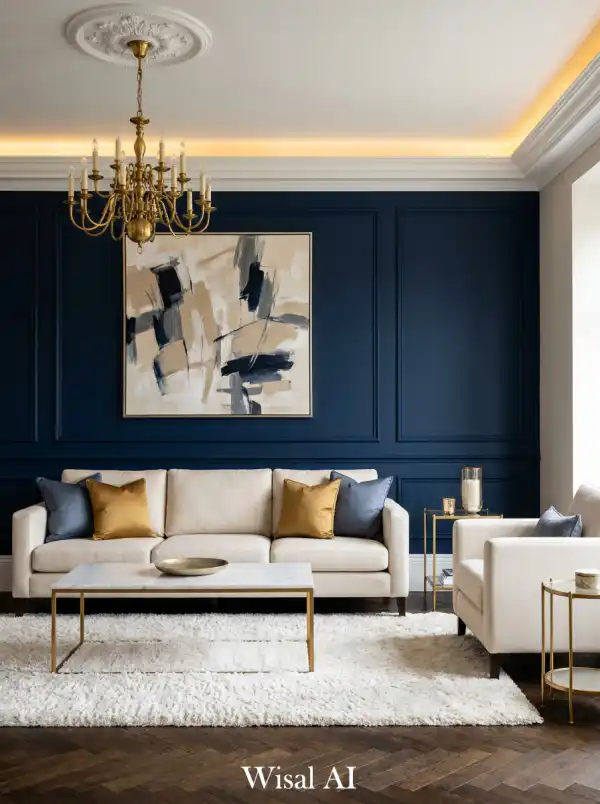
Lighting is one of the most important elements in boutique hotel design because it directly influences mood and atmosphere. Rather than relying on a single overhead fixture, luxury interiors use multiple layers of lighting to create depth, warmth, and visual interest. A successful layered lighting scheme often includes ambient lighting, accent lighting, and decorative fixtures working together. Table lamps, floor lamps, wall sconces, and concealed LED lighting contribute to a soft and welcoming environment. This approach allows different areas of the room to feel intimate while highlighting architectural features and decorative details. Materials such as brass, bronze, glass, and natural stone enhance the luxurious appearance of the fixtures themselves. Warm lighting temperatures are typically preferred because they create a cozy atmosphere reminiscent of boutique hotel lounges. The result is a living room that feels sophisticated throughout the day and exceptionally inviting during the evening. Thoughtful lighting design can transform even the simplest interior into a luxury experience.
4. Curved Furniture Boutique Hotel Living Room
Curved furniture has become a signature feature of many modern boutique hotels because it introduces softness, elegance, and a sense of movement into interior spaces. Unlike traditional furniture with rigid lines, curved forms create a more relaxed and welcoming atmosphere. A curved sofa often serves as the focal point of the room, complemented by rounded coffee tables, sculptural accent chairs, and soft organic shapes throughout the design. These forms help improve circulation and encourage conversation while creating a visually harmonious composition. Neutral upholstery and premium fabrics allow the furniture's silhouette to remain the primary focus. Textured rugs, layered fabrics, and carefully selected accessories further reinforce the luxurious atmosphere. Large-scale artwork and statement lighting often complete the look. The result is a living room that feels sophisticated yet approachable. Curved furniture brings a sense of modern elegance that aligns perfectly with contemporary boutique hotel design.
5. Floor-to-Ceiling Drapery Living Room
Few design elements communicate luxury as effectively as floor-to-ceiling drapery. Boutique hotels frequently use full-height curtains to add drama, softness, and architectural elegance to their interiors. This simple design choice can dramatically transform the appearance of a living room. Long drapery panels draw the eye upward, making ceilings appear higher and spaces feel larger. Premium fabrics such as linen blends, velvet, and textured woven materials create rich visual texture while helping control light and privacy. Neutral tones are often preferred because they complement a wide range of interior styles and maintain a timeless appearance. When paired with large windows, floor-to-ceiling drapery enhances natural light while framing outdoor views beautifully. The fabric also contributes to acoustic comfort by softening sound within the room. The result is a living space that feels refined, elegant, and distinctly hotel-inspired. Floor-to-ceiling drapery remains one of the most effective ways to introduce luxury into a modern living room.
6. Boutique Hotel Living Room with Oversized Artwork
Oversized artwork is a signature feature in many luxury boutique hotels because it creates an immediate focal point while adding personality and sophistication to the space. Rather than filling walls with multiple smaller pieces, designers often choose one large statement artwork that anchors the room and establishes its visual identity. Abstract paintings, textured canvases, black-and-white photography, and contemporary mixed-media pieces are particularly popular in luxury interiors. The scale of the artwork helps make the room feel more curated and intentional, while also contributing to the overall sense of grandeur. Large pieces work especially well above sofas, fireplaces, and console tables. The surrounding furniture and décor should complement rather than compete with the artwork. Neutral furnishings allow the piece to stand out while maintaining a balanced composition. Accent lighting can further enhance the display and create a gallery-like atmosphere. The result is a living room that feels artistic, sophisticated, and uniquely personal. Oversized artwork introduces the type of visual drama often found in the world's most memorable boutique hotels.
7. Warm Wood and Stone Living Room
Luxury boutique hotels frequently combine natural materials to create interiors that feel both refined and welcoming. One of the most successful combinations is warm wood paired with natural stone, as these materials bring texture, depth, and timeless appeal to a living room. Wood elements such as wall paneling, custom cabinetry, ceiling details, and furniture introduce warmth and comfort. Stone surfaces, including fireplace surrounds, coffee tables, and feature walls, provide contrast while adding a sense of permanence and luxury. Together, these materials create a balanced environment that feels grounded and sophisticated. Neutral color palettes help highlight the natural beauty of the materials. Soft lighting and layered textures further enhance the cozy atmosphere while maintaining an upscale aesthetic. Decorative accessories are often kept minimal to allow the materials themselves to become the focal point. The result is a living room that feels elegant, comfortable, and deeply connected to nature. This timeless combination continues to define many high-end hospitality interiors around the world.
8. Boutique Hotel Living Room with a Statement Coffee Table
A statement coffee table can function as the centerpiece of a luxury living room, much like it does in boutique hotel lounges. Rather than serving purely as a practical surface, the coffee table becomes an important design element that contributes to the overall character of the space. Materials such as marble, travertine, glass, sculpted wood, and metal are commonly used to create visually striking pieces. Unique shapes, curved forms, and architectural silhouettes help transform the table into a functional work of art. The coffee table often serves as a foundation for carefully curated decorative objects, books, candles, and floral arrangements. The surrounding seating should complement the table's design without overwhelming it. A balanced furniture layout allows the coffee table to remain a focal point while contributing to the room's overall harmony. The result is a sophisticated living room that feels curated and luxurious. A statement coffee table demonstrates how even practical furniture can elevate the design of an entire space.
9. Quiet Luxury Boutique Hotel Living Room
Quiet luxury has become one of the defining design movements in recent years, and many boutique hotels have embraced this philosophy to create spaces that feel elegant without appearing overly extravagant. The focus is on quality, craftsmanship, and timeless beauty rather than bold decorative statements. A quiet luxury living room often features neutral color palettes, natural materials, and exceptionally well-crafted furnishings. Linen sofas, stone tables, custom millwork, and warm wood accents contribute to an atmosphere of understated sophistication. Every element feels intentional and carefully selected. Texture plays a significant role in creating visual interest. Wool rugs, woven fabrics, textured plaster walls, and handcrafted accessories add depth while maintaining the restrained aesthetic. Lighting is soft and layered, helping to create a warm and welcoming environment. The result is a living room that feels calm, refined, and effortlessly luxurious. Quiet luxury demonstrates that true sophistication comes from thoughtful design and exceptional materials rather than excess.
10. Living Room with Boutique Hotel Lounge Seating
One of the most appealing aspects of boutique hotel design is the way seating arrangements encourage relaxation and conversation. Unlike traditional living rooms that focus solely on television viewing, boutique hotel-inspired spaces often prioritize social interaction and comfort. A lounge-style layout typically includes a combination of sofas, accent chairs, ottomans, and occasional seating arranged around a central focal point. The furniture is positioned to encourage face-to-face conversation while maintaining a sense of openness and flow throughout the room. Layered textures, luxurious fabrics, and carefully selected tables help reinforce the hospitality-inspired atmosphere. Decorative lighting and thoughtful styling further contribute to the welcoming environment. The arrangement feels comfortable enough for everyday living while remaining elegant enough for entertaining guests. The result is a living room that captures the relaxed sophistication of a boutique hotel lounge. By prioritizing comfort and interaction, this design approach creates a space that feels inviting, functional, and effortlessly luxurious.
11. Boutique Hotel Living Room with a Fireplace Feature Wall
A fireplace feature wall is one of the most effective ways to introduce the warmth and sophistication associated with luxury boutique hotels. Rather than treating the fireplace as a secondary element, designers often transform it into the architectural centerpiece of the room. The combination of natural materials, elegant detailing, and ambient lighting creates a space that feels welcoming and refined. Large-scale materials such as marble slabs, limestone, textured plaster, and porcelain panels help elevate the fireplace wall while maintaining a clean contemporary aesthetic. Built-in shelving and concealed lighting can further enhance the design by adding depth and visual interest. During the evening, the glow of the fire contributes to the intimate atmosphere that boutique hotels are known for. Furniture is typically arranged to emphasize the fireplace as the focal point, encouraging relaxation and conversation. Plush seating, layered textiles, and carefully selected accessories complete the look. The result is a luxurious living room that feels cozy, timeless, and effortlessly elegant. A fireplace feature wall instantly brings a sense of boutique hotel sophistication into the home.
12. Textured Wall Luxury Living Room
Boutique hotels often use texture as a design tool to create visual richness without relying on excessive decoration. A textured wall can add depth, character, and sophistication to a living room while maintaining a calm and cohesive appearance. Materials such as limewash, Venetian plaster, textured wallpaper, wood paneling, and decorative wall treatments help create subtle movement across large surfaces. These finishes interact beautifully with natural and artificial light, producing shadows and highlights that change throughout the day. Neutral color palettes are commonly used because they allow the texture itself to become the primary source of visual interest. Minimal furnishings and carefully curated décor help ensure the wall remains a key feature of the room. The result is a space that feels layered, luxurious, and highly curated. Textured walls demonstrate how simple material choices can dramatically elevate the atmosphere of a boutique hotel-inspired interior.
13. Boutique Hotel Living Room with Custom Millwork
Custom millwork is a hallmark of luxury hospitality design because it introduces craftsmanship, functionality, and architectural beauty into a space. Boutique hotels frequently use bespoke cabinetry, wall paneling, shelving, and integrated furniture to create interiors that feel unique and highly refined. In a living room, custom millwork can frame a fireplace, conceal storage, display decorative objects, or provide a sophisticated backdrop for artwork. The tailored nature of the design allows every detail to feel intentional and perfectly proportioned to the room. Wood finishes, painted cabinetry, and integrated lighting help enhance the overall effect while contributing warmth and character. The clean lines and precision associated with custom millwork align perfectly with contemporary luxury interiors. The result is a living room that feels polished, functional, and architecturally impressive. Custom millwork brings a level of detail and craftsmanship often associated with the finest boutique hotels.
14. Boutique Hotel Living Room with Sculptural Lighting
Lighting in luxury boutique hotels often serves as both a practical necessity and a design statement. Sculptural lighting fixtures introduce personality and artistic expression while contributing to the overall ambiance of the room. Oversized pendant lights, dramatic chandeliers, artistic floor lamps, and custom-designed sconces can all act as focal points within the space. These fixtures help define the character of the interior while providing soft illumination that enhances comfort and atmosphere. Materials such as brass, glass, stone, and hand-finished metals contribute to the luxurious appearance of the lighting. The fixtures often become conversation pieces that add a sense of individuality and sophistication to the room. The result is a living room that feels dynamic, memorable, and distinctly high-end. Sculptural lighting demonstrates how functional elements can become works of art within a carefully designed interior.
15. Organic Luxury Boutique Hotel Living Room
Organic luxury combines the elegance of high-end design with the warmth and authenticity of natural materials. Many of today's most desirable boutique hotels embrace this approach because it creates spaces that feel both sophisticated and deeply comfortable. Natural stone, warm wood, linen upholstery, wool rugs, and handcrafted accessories form the foundation of the design. The color palette typically consists of soft neutrals and earth tones that create a calming and welcoming environment. Rather than focusing on ornate details, the emphasis is placed on material quality and thoughtful craftsmanship. Furniture often features soft curves and relaxed silhouettes that encourage comfort without sacrificing style. Large windows, layered lighting, and carefully selected decorative objects further enhance the organic atmosphere. The result is a living room that feels luxurious, timeless, and connected to nature. Organic luxury proves that elegance can be achieved through simplicity, quality materials, and thoughtful design choices.
16. Boutique Hotel Living Room with Floor-to-Ceiling Windows
Floor-to-ceiling windows are a signature feature in many luxury boutique hotels because they create a strong connection between the interior and the surrounding landscape. These expansive glass walls flood the living room with natural light, making the space feel larger, brighter, and more inviting throughout the day. The design often focuses on maximizing views while maintaining a sophisticated interior aesthetic. Neutral furnishings, soft textures, and carefully selected materials help ensure that the outdoor scenery remains part of the overall composition. Floor-to-ceiling drapery can add elegance while providing privacy and light control when needed. Natural light enhances every element of the room, from rich wood finishes and textured fabrics to statement artwork and sculptural furniture. During the evening, layered lighting helps maintain the same welcoming atmosphere after sunset. The result is a living room that feels open, luxurious, and connected to nature. Floor-to-ceiling windows are one of the most effective ways to recreate the airy sophistication found in boutique hotel interiors.
17. Travertine-Inspired Luxury Living Room
Travertine has become one of the most sought-after materials in contemporary luxury design, appearing frequently throughout boutique hotels around the world. Its warm tones, subtle texture, and timeless appeal make it an excellent choice for creating a refined and welcoming living room. Travertine can be incorporated through coffee tables, side tables, fireplace surrounds, wall cladding, and decorative accessories. The natural stone introduces visual texture while maintaining the soft, understated elegance associated with modern luxury. Its neutral color palette pairs beautifully with wood, linen, boucle, and other natural materials. Designers often use travertine alongside warm earth tones to create interiors that feel calm and cohesive. Minimalist styling allows the beauty of the stone to remain the focal point without overwhelming the room. The result is a living space that feels sophisticated, timeless, and effortlessly luxurious. Travertine-inspired design continues to define some of the most desirable boutique hotel interiors today.
18. Boutique Hotel Living Room with Curated Accessories
One of the details that separates luxury boutique hotels from ordinary interiors is the thoughtful use of accessories. Every decorative object feels carefully selected, contributing to the overall story and atmosphere of the space. A curated living room may feature sculptural ceramics, art books, handcrafted bowls, decorative trays, natural branches, and unique collectible pieces. Rather than filling every surface, designers focus on quality over quantity. Each item serves a purpose, whether adding texture, color, or personality. Grouping accessories in intentional arrangements creates visual balance while preventing clutter. The styling often feels effortless, but every detail has been carefully considered. Neutral backgrounds allow decorative objects to stand out while maintaining a cohesive aesthetic. The result is a living room that feels personal, sophisticated, and professionally designed. Curated accessories add the finishing layer that transforms a beautiful room into a memorable one.
19. Dark and Moody Boutique Hotel Living Room
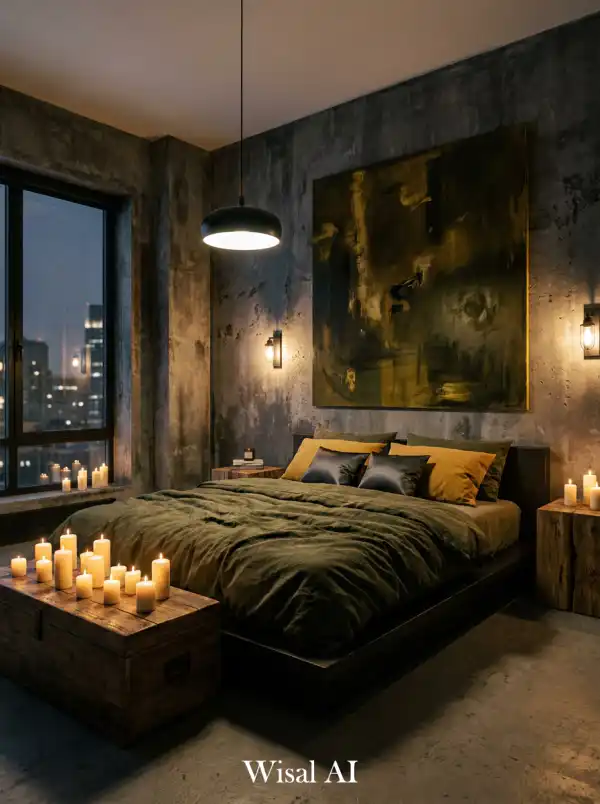
Many luxury boutique hotels embrace dark and moody interiors because they create an intimate, dramatic, and highly sophisticated atmosphere. Deep colors, rich materials, and layered lighting work together to establish a sense of exclusivity and comfort. Charcoal gray, deep brown, black, forest green, and dark taupe are commonly used to create depth and visual richness. These colors are often paired with warm lighting, brass accents, and luxurious fabrics such as velvet, leather, and textured wool. The contrast between dark surfaces and soft illumination creates a striking visual effect. Large artwork, sculptural furniture, and statement lighting further enhance the room's personality. Despite the darker palette, careful material selection prevents the space from feeling heavy or overwhelming. The result is a living room that feels luxurious, atmospheric, and distinctly boutique hotel-inspired. Dark and moody interiors offer a bold alternative to lighter contemporary designs while maintaining timeless elegance.
20. Boutique Hotel Living Room with Designer Bookshelves
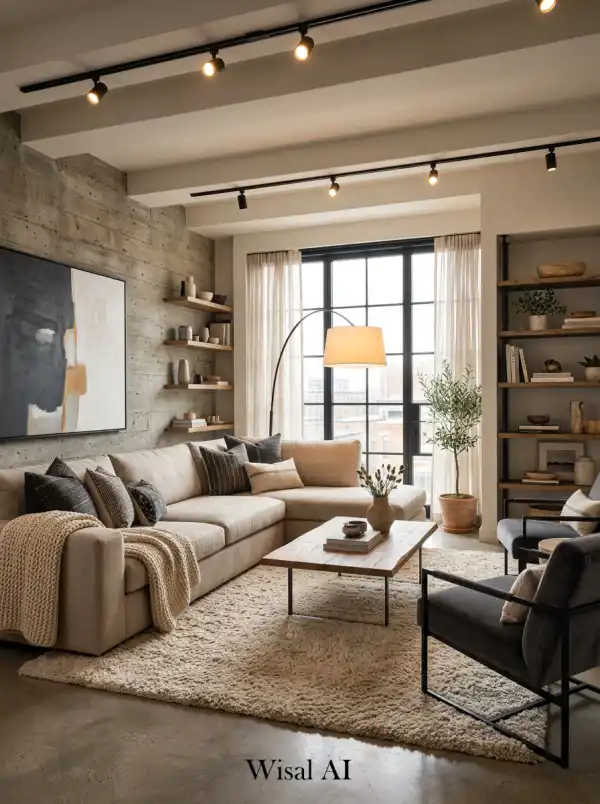
Designer bookshelves can transform an ordinary wall into a sophisticated focal point while adding warmth and personality to a living room. Luxury boutique hotels often use custom shelving systems to display books, artwork, decorative objects, and curated collections in a visually engaging way. Built-in shelving creates a seamless architectural appearance that feels intentional and refined. Integrated lighting can highlight displayed objects while adding depth and ambiance to the room. The shelves themselves often become part of the overall design composition rather than serving solely as storage. The most successful bookshelf arrangements balance open space with carefully selected items. Books are mixed with sculptural objects, framed artwork, ceramics, and natural materials to create a layered yet organized display. The result is a living room that feels intelligent, welcoming, and highly personalized. Designer bookshelves introduce both functionality and visual interest while capturing the sophisticated charm found in boutique hotel lounges.
21. Boutique Hotel Living Room with a Statement Rug
A statement rug is often the foundation of a luxury boutique hotel living room, helping define the seating area while adding texture, warmth, and visual interest. Rather than treating the rug as a background element, designers frequently use it as a key component of the room's overall design story. Large-scale rugs with subtle patterns, organic textures, or tonal variations work particularly well in sophisticated interiors. Materials such as wool, silk blends, and handwoven natural fibers contribute to the luxurious feel while providing durability and comfort underfoot. The rug helps anchor furniture arrangements and creates a sense of cohesion throughout the space. Neutral palettes remain popular because they complement a wide range of materials and furnishings, but soft geometric patterns and textured finishes can add depth without overwhelming the room. Layering the rug with rich upholstery and natural materials further enhances the boutique hotel aesthetic. The result is a living room that feels polished, comfortable, and visually balanced. A statement rug brings warmth and refinement while helping unify every design element within the space.
22. Boutique Hotel Living Room with Mixed Materials
One of the defining characteristics of luxury boutique hotel interiors is the thoughtful combination of multiple materials. Rather than relying on a single finish, designers create rich and layered environments by mixing stone, wood, metal, glass, and fabric throughout the room. Natural wood introduces warmth, while stone adds permanence and sophistication. Metal accents in brass, bronze, or black finishes provide contrast and elegance. Glass elements contribute lightness, and luxurious textiles soften the overall composition. The interaction between these materials creates visual depth and a highly curated appearance. The key is maintaining balance. A restrained color palette allows the textures and finishes to become the primary source of interest without making the room feel busy. This layered approach helps create a living room that feels sophisticated and thoughtfully designed. The result is an interior that captures the richness and complexity often found in high-end hospitality spaces. Mixed materials create a sense of luxury that feels both timeless and contemporary.
23. Boutique Hotel Living Room with a Piano Corner
Many luxury boutique hotels incorporate musical elements into their lounges to create a refined and welcoming atmosphere. A piano corner can bring that same sense of sophistication into a residential living room while serving as both a functional feature and a decorative focal point. A grand piano or an elegant upright model can instantly elevate the room's character. Positioned near a window, fireplace, or seating area, the piano becomes part of the overall design composition rather than simply an instrument. Soft lighting and carefully selected furnishings help create a comfortable environment for both performance and relaxation. Materials such as wood, marble, and rich upholstery complement the piano beautifully and reinforce the luxurious aesthetic. Even for homeowners who do not play regularly, a piano introduces a timeless sense of culture and elegance. The result is a living room that feels distinctive, sophisticated, and highly personalized. A piano corner captures the charm and exclusivity often associated with boutique hotel lounges.
24. Boutique Hotel Living Room with an Indoor Tree
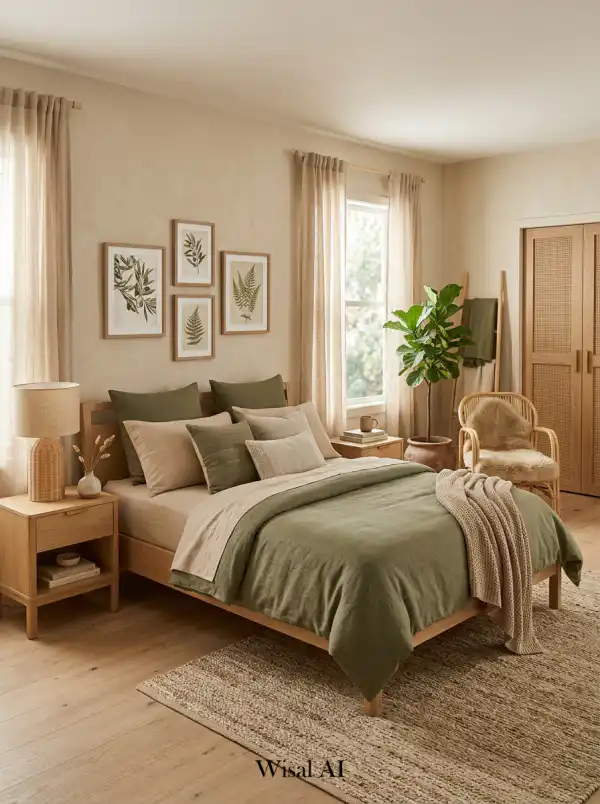
Indoor trees are frequently used in boutique hotel interiors because they bring life, texture, and natural beauty into a space. A carefully positioned tree can soften architectural lines, improve visual balance, and create a stronger connection to nature. Popular choices include olive trees, fiddle-leaf figs, and other sculptural varieties that complement contemporary interiors. Placed in a beautiful planter, the tree becomes a living design element that contributes height and visual interest. The organic form contrasts beautifully with structured furniture and architectural features. Natural materials such as wood, stone, and linen help reinforce the connection between the interior and the natural world. Large windows and abundant natural light further enhance the effect, allowing the greenery to thrive while brightening the room. The result is a living room that feels fresh, welcoming, and effortlessly elegant. An indoor tree introduces a boutique hotel-inspired sense of tranquility and natural luxury.
25. Hotel Suite-Inspired Living Room
Luxury hotel suites are designed to provide an exceptional level of comfort while maintaining a polished and sophisticated appearance. Bringing this concept into a living room involves creating a space that feels elegant, functional, and effortlessly relaxing. Comfortable seating, premium materials, layered lighting, and carefully curated accessories form the foundation of the design. Furniture is arranged to encourage conversation and relaxation, while decorative elements are selected with restraint to maintain a refined atmosphere. Soft textiles, warm neutrals, and subtle architectural details contribute to the luxurious feel. Attention to comfort is just as important as aesthetics. Plush upholstery, oversized cushions, and inviting textures help create a space that feels welcoming throughout the day. Every design decision supports both beauty and functionality. The result is a living room that captures the sophistication of a five-star hotel suite while remaining perfectly suited to everyday living. This approach delivers timeless luxury, comfort, and elegance in equal measure.
26. Boutique Hotel Living Room with a Feature Ceiling
While many homeowners focus on walls and furniture, luxury boutique hotels often treat the ceiling as an important design element. A feature ceiling can add architectural interest, create visual depth, and elevate the entire living room experience. Wood paneling, decorative beams, recessed lighting details, coffered ceilings, and subtle textured finishes are all popular choices. These elements draw the eye upward and help the room feel more custom and sophisticated. In larger spaces, a statement ceiling can also help define the living area while adding warmth and character. Lighting plays a particularly important role in highlighting ceiling details. Concealed LED strips and carefully placed fixtures can emphasize architectural features without overwhelming the space. The result is a living room that feels thoughtfully designed from every angle. A feature ceiling introduces the kind of bespoke luxury commonly found in high-end boutique hotels.
27. Boutique Hotel Living Room with a Sculptural Coffee Table
Luxury boutique hotels often use sculptural furniture pieces to create memorable interiors, and a sculptural coffee table is one of the most effective ways to achieve this look. Rather than simply serving a functional purpose, the table becomes a centerpiece that contributes to the artistic identity of the room. Organic shapes, carved stone forms, curved wood bases, and contemporary geometric designs are especially popular. Materials such as travertine, marble, glass, and natural wood help create a sophisticated and timeless appearance. The table can be styled with carefully selected books, candles, and decorative objects to enhance its visual impact. The surrounding furniture should support the table without competing with it. Soft upholstery and neutral tones help maintain balance while allowing the statement piece to stand out. The result is a living room that feels curated, elegant, and distinctly designer-inspired. A sculptural coffee table adds personality and boutique hotel charm to the space.
28. Neutral Luxury Living Room with Layered Textures
One of the most recognizable characteristics of boutique hotel interiors is their ability to create visual richness without relying on bold colors. Instead, designers often use a neutral palette enhanced by multiple layers of texture. Soft linen sofas, boucle chairs, wool rugs, textured plaster walls, natural wood accents, and handcrafted accessories work together to create depth and warmth. Each material contributes a unique tactile quality that makes the room feel more inviting and sophisticated. The neutral palette also allows natural light to play an important role in the design. As lighting conditions change throughout the day, the textures become more noticeable, creating a dynamic and engaging environment. The result is a living room that feels calm, elegant, and timeless. Layered textures prove that luxury can be achieved through subtlety rather than excess.
29. Boutique Hotel Living Room with a Luxury Bar Cabinet
A luxury bar cabinet is a feature commonly found in upscale hotel suites and boutique lounges. Incorporating one into a living room can instantly enhance the sense of sophistication while providing a functional area for entertaining guests. Custom cabinetry, glass shelving, stone surfaces, and integrated lighting help create a polished and luxurious appearance. Whether used for displaying glassware, storing beverages, or showcasing decorative objects, the bar cabinet becomes a focal point that contributes to the overall atmosphere of the room. Materials such as walnut, oak, marble, and brass are particularly effective because they convey quality and craftsmanship. Thoughtful styling ensures that the cabinet feels elegant rather than cluttered. The result is a living room that feels refined, social, and hospitality-inspired. A luxury bar cabinet adds both functionality and boutique hotel character to the home.
30. Timeless Boutique Hotel Living Room
The most successful boutique hotel interiors are not defined by passing trends but by timeless design principles. A timeless boutique hotel living room focuses on quality materials, balanced proportions, exceptional craftsmanship, and enduring comfort. Natural stone, warm wood, luxurious fabrics, and carefully selected furnishings create a foundation that remains relevant year after year. The color palette is typically neutral and versatile, allowing the room to evolve gracefully over time. Decorative elements are curated thoughtfully, ensuring the space feels elegant without becoming overly styled. Comfort is equally important. Plush seating, layered lighting, and functional layouts help create a living environment that supports both relaxation and entertaining. Every detail contributes to a sense of effortless sophistication. The result is a living room that feels luxurious today and will continue to feel beautiful for years to come. By drawing inspiration from the world's finest boutique hotels, homeowners can create interiors that perfectly balance elegance, comfort, and timeless appeal.
Conclusion
Creating a luxury living room inspired by boutique hotels is about much more than choosing expensive furniture or trendy décor. The most memorable boutique hotel interiors succeed because they combine comfort, craftsmanship, atmosphere, and thoughtful design into a seamless experience. Every detail, from the lighting and furniture arrangement to the materials and accessories, works together to create a space that feels both sophisticated and welcoming. Whether you are drawn to the warmth of natural wood and stone, the elegance of marble accents, the softness of curved furniture, or the tranquility of a neutral palette, boutique hotel design offers endless inspiration for transforming your living room. These spaces prioritize quality over quantity, focusing on timeless materials, layered textures, and carefully curated details that never feel excessive. The beauty of boutique hotel-inspired design lies in its ability to balance luxury and livability. A well-designed living room should feel just as comfortable for a quiet evening at home as it does for entertaining guests. By incorporating elements such as statement lighting, custom millwork, oversized artwork, designer bookshelves, and plush seating, you can create a space that feels elevated while remaining deeply personal. Ultimately, the most successful luxury living rooms are those that tell a story. They reflect the homeowner's personality while embracing the refined atmosphere found in the world's most beautiful boutique hotels. With thoughtful planning and attention to detail, your living room can become a timeless retreat that delivers comfort, elegance, and style every day.
FAQs
1.What is a boutique hotel-inspired living room?
A boutique hotel-inspired living room combines luxury materials, comfortable furnishings, layered lighting, and carefully curated décor to create a sophisticated and welcoming atmosphere.
2.How do I make my living room feel like a luxury hotel?
Focus on high-quality furniture, layered lighting, elegant textiles, statement artwork, and a cohesive color palette. Thoughtful styling and premium materials also play a major role.
3.What colors are best for a luxury living room?
Neutral shades such as beige, cream, taupe, warm gray, ivory, and soft brown are popular because they create a timeless and sophisticated appearance.
4.What furniture works best in a boutique hotel living room?
Curved sofas, oversized sectionals, sculptural coffee tables, lounge chairs, and custom-built furniture are commonly used in boutique hotel interiors.
5.Are boutique hotel living rooms always modern?
No. Boutique hotel design can be modern, contemporary, traditional, transitional, organic modern, or even vintage-inspired depending on the overall concept.
6.How important is lighting in luxury living room design?
Lighting is essential. Layered lighting creates ambiance, highlights architectural features, and helps establish the warm atmosphere associated with luxury hotels.
7.What materials create a boutique hotel look?
Marble, travertine, limestone, wood, linen, velvet, boucle, brass, and textured plaster are among the most popular materials.
8.How can I add luxury without renovating?
Upgrade lighting fixtures, add oversized artwork, invest in quality textiles, incorporate decorative accessories, and focus on furniture arrangement.
9.What is quiet luxury interior design?
Quiet luxury emphasizes timeless elegance, premium materials, subtle details, and exceptional craftsmanship instead of flashy or overly decorative elements.
10.Are curved sofas still popular in 2026?
Yes. Curved furniture remains one of the strongest luxury interior trends because it softens spaces and creates a more inviting atmosphere.