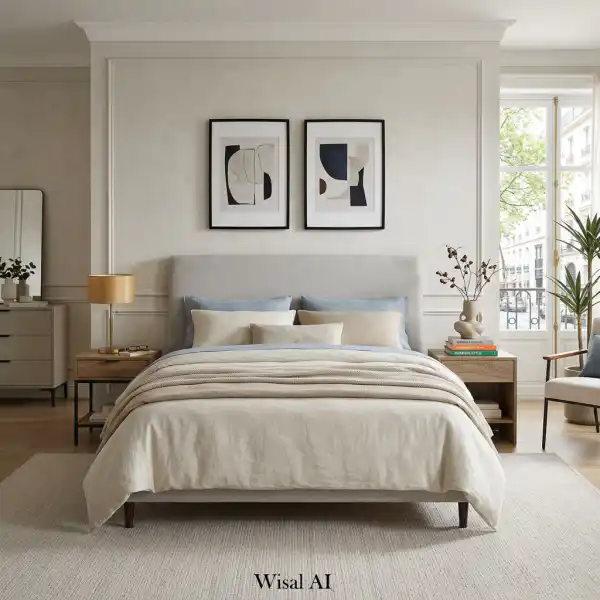
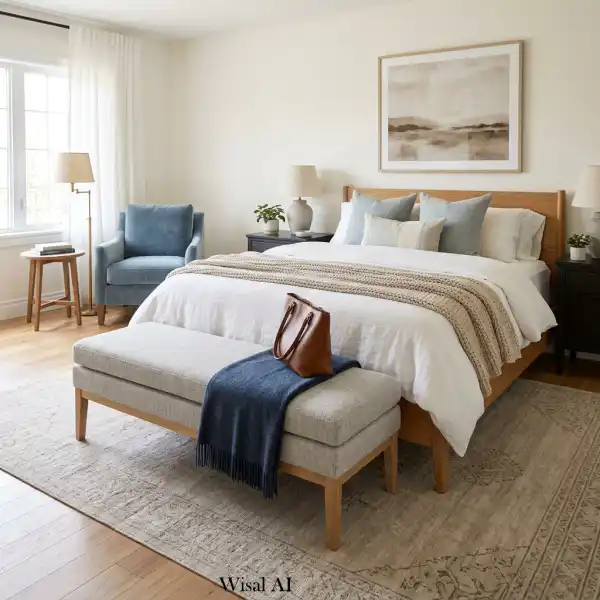
Color is the silent architect of every bedroom. Before furniture, before lighting, before décor—color is what defines how a space feels the moment you walk in. In modern interior design, especially in 2026, bedroom color mixing has evolved into a precise design language rather than a simple aesthetic choice. A modern luxury bedroom is no longer about using expensive materials or bold statements. It’s about balance—how tones interact with each other, how light changes those tones throughout the day, and how textures soften or sharpen the overall mood. The right combination of colors can transform even the simplest room into a calm, high-end retreat. But mixing colors successfully is where most people struggle. Too many contrasts create chaos. Too many neutrals create emptiness. The real art lies in finding harmony between warmth and coolness, depth and softness, contrast and continuity. That’s exactly what this guide explores. In the following sections, we will break down 20 powerful bedroom color mixing ideas designed specifically for a modern luxury look. Each idea is crafted to help you understand not just what colors work together, but why they work together—so you can apply the principles to any space. From warm earthy palettes like beige and walnut, to sophisticated contrasts like black and cream, and calming natural blends like sage green and stone gray, these combinations are selected to reflect the most current interior design direction of 2026. By the end, you won’t just have inspiration—you’ll understand how to think like a designer and build a bedroom that feels intentional, balanced, and deeply luxurious.
1. Warm Beige & Walnut Balance Bedroom Palette
A warm beige and walnut color palette is one of the most timeless and emotionally balanced approaches in bedroom interior design. It combines soft neutrality with natural richness, creating a space that feels both calm and grounded. Beige acts as the base layer, providing visual softness and light reflection, while walnut wood introduces depth, texture, and natural warmth. This combination works especially well in modern bedrooms because it avoids harsh contrast while still maintaining structure and elegance. Beige walls or bedding help open up the space visually, making the room feel larger and more breathable. Walnut furniture—such as bed frames, nightstands, or wardrobes—adds a sense of luxury without overwhelming the design. To enhance this palette, layering is essential. Linen bedding, wool throws, and soft textured rugs help bring depth and prevent the room from feeling flat. Lighting also plays a critical role; warm ambient lighting enhances the richness of walnut tones and complements beige beautifully. Tips: Use beige as the dominant wall and bedding color Introduce walnut wood in furniture and flooring Add soft layered textiles for depth Use warm lighting (2700K–3000K) Keep decor minimal and natural This palette creates a calm, hotel-like bedroom that feels timeless and elegant.
2. Soft Gray Monochrome Bedroom Palette
A soft gray monochrome palette focuses on creating depth through shades of a single color family. Instead of mixing multiple colors, this approach relies on light gray, medium gray, and charcoal tones to build a visually layered and sophisticated bedroom. This design style is perfect for modern minimal interiors where simplicity and order are key. Light gray walls act as a neutral canvas, while darker gray furniture or accents provide contrast and structure. The result is a cohesive, balanced environment that feels clean and intentional. However, the success of a monochrome gray bedroom depends heavily on texture. Without texture variation, the space can feel flat or cold. Therefore, combining materials like linen, velvet, matte paint, and soft wood is essential. Lighting also plays a key role. Warm lighting prevents gray tones from feeling too industrial or harsh, adding emotional warmth to the space. Tips: Use multiple gray tones (light, medium, dark) Add texture variation through fabrics and finishes Introduce subtle black accents for definition Use warm lighting to soften the palette Add wood elements for warmth This palette creates a modern, structured bedroom with a calm and sophisticated identity.
3. Terracotta & Cream Earthy Bedroom Palette
Terracotta and cream form a warm, earthy bedroom combination inspired by natural clay tones and soft neutral foundations. Terracotta introduces richness and organic warmth, while cream balances it with softness and brightness. This palette is ideal for boho-modern and Mediterranean-inspired interiors. Cream should act as the dominant base color for walls and bedding, while terracotta is used strategically in accents like pillows, rugs, or feature walls. The key to using terracotta effectively is moderation. Too much can overwhelm the space, but when used correctly, it adds emotional depth and personality. Natural materials like wood, rattan, and linen enhance this palette beautifully. Lighting should be soft and warm, enhancing the earthy tones without making them too intense. Tips: Use cream as the base color Add terracotta in accents and decor Combine with natural wood and linen Keep lighting warm and soft Avoid oversaturation of warm tones This palette creates a cozy, grounded bedroom with natural elegance.
4. Black, White & Wood Modern Contrast Palette
This classic combination uses contrast and natural warmth to create a modern, balanced bedroom design. White acts as the base for brightness and openness, black adds structure and definition, and wood introduces warmth and softness. The key to this palette is proportion control. White should dominate the space to maintain openness, while black is used sparingly in furniture or architectural details. Wood plays a crucial role in softening contrast and making the space feel livable. This combination is widely used in Scandinavian and modern luxury interiors because it feels clean yet warm. Lighting is essential to avoid harsh contrast. Soft warm lighting helps unify all three elements. Tips: Use white as the dominant color Add black in accents and frames Introduce natural wood for warmth Keep layout minimal and structured Use layered lighting This palette creates a timeless modern bedroom with strong visual identity.
5. Sage Green & Beige Natural Calm Palette
Sage green and beige create a calming, nature-inspired bedroom environment. Sage green brings a sense of freshness and organic balance, while beige provides warmth and neutrality. This combination is widely used in wellness-inspired interiors because it promotes relaxation and emotional stability. Beige should dominate walls or bedding, while sage green is used in soft accents. Natural materials like wood, linen, and stone enhance this palette and reinforce its organic feel. Tips: Use beige as the base color Add sage green in textiles and decor Incorporate natural wood Keep textures soft and breathable Use natural light whenever possible This palette creates a peaceful, restorative bedroom environment.
6. Navy Blue & Beige Luxury Contrast
Navy blue and beige create a sophisticated and elegant contrast often used in luxury interiors. Navy adds depth and richness, while beige softens the intensity and maintains warmth. This palette is ideal for creating a refined bedroom with subtle drama. Beige should dominate, while navy is used in accents like headboards, cushions, or feature walls. Gold or brass lighting elements enhance the luxurious feel. Tips: Use beige as the primary color Add navy as a controlled accent Include metallic details like gold Keep bedding soft and neutral Use warm lighting This palette creates a refined and elegant bedroom atmosphere.
7. Mocha & Cream Cozy Luxury Palette
Mocha and cream create a warm, comforting bedroom palette that feels both luxurious and natural. Mocha adds depth and richness, while cream provides balance and softness. This combination is ideal for creating hotel-inspired interiors that feel warm and inviting. Cream should dominate, while mocha is used in furniture or accent elements. Tips: Use cream for walls and bedding Add mocha in furniture Layer soft fabrics Use warm lighting Keep design simple This palette feels cozy, elegant, and timeless.
8. Olive Green & Natural Wood Palette
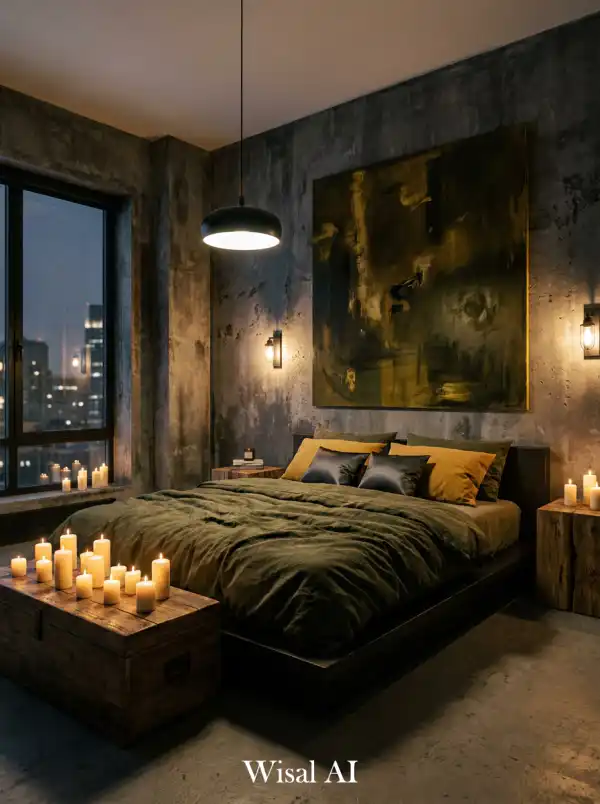
Olive green and natural wood create a deeply organic bedroom environment. Olive green is muted and earthy, while wood adds warmth and structure. This palette is strongly inspired by nature and works well in biophilic interiors. Tips: Use olive green in accents Pair with light wood furniture Add linen textiles Keep lighting warm Avoid oversaturation This creates a natural, grounded bedroom.
9. Charcoal & Warm White Contrast Palette
Charcoal and warm white create a modern and structured bedroom design. Charcoal adds depth and drama, while warm white ensures brightness and balance. Tips: Use warm white as base Add charcoal accents Introduce wood for warmth Use soft lighting Keep contrast controlled This palette feels modern and sophisticated.
10. Soft Pink & Beige Elegant Palette
Soft pink and beige create a gentle, elegant bedroom atmosphere. This palette is soft, romantic, and modern when used in muted tones. Tips: Use beige as base Add blush pink accents Combine with gold details Use soft fabrics Avoid bright pink tones This palette feels calm and elegant.
11. Sand Beige & Stone Gray Balanced Neutral Palette
The sand beige and stone gray color palette is one of the most refined neutral combinations in modern bedroom interior design. It focuses on achieving balance through soft, earthy neutrals that feel both grounded and airy at the same time. Sand beige brings warmth and natural softness, while stone gray adds subtle structure and visual depth. This combination works especially well in contemporary minimalist bedrooms where calmness and simplicity are the primary goals. Instead of relying on strong contrasts, this palette creates harmony through tonal similarity and texture layering. Beige acts as the emotional base of the room, making it feel warm and inviting, while gray provides a grounding counterbalance that keeps the design structured and modern. To make this palette effective, texture becomes essential. Linen bedding, soft wool rugs, matte wall finishes, and natural wood accents help bring dimension to the space. Without texture variation, this palette can feel too flat or monotone. Lighting also plays a major role. Warm ambient lighting enhances beige tones and softens gray, creating a cohesive and soothing environment ideal for rest. Tips: Use sand beige for walls or bedding Introduce stone gray in furniture or rugs Add natural wood for warmth Focus heavily on texture layering Use warm soft lighting This palette creates a calm, balanced bedroom that feels timeless and naturally elegant.
12. Black & Cream Modern Minimal Contrast Palette
The black and cream color palette is a bold yet balanced approach to modern bedroom design. It combines the softness of cream with the sharp definition of black, resulting in a visually striking but still livable space. Cream acts as the dominant base, ensuring brightness and openness, while black introduces structure and architectural clarity. This combination is often used in modern luxury interiors because it creates instant visual sophistication. However, the key is moderation. Black should never overpower the space; instead, it should be used strategically in frames, lighting fixtures, furniture outlines, or small accent elements. Cream softens the overall composition and prevents the design from feeling too harsh or industrial. When paired correctly, these two tones create a dynamic balance between softness and strength. Natural materials like wood or stone can be added to soften contrast even further and make the space feel more organic. Lighting is essential in this palette. Warm lighting helps reduce the intensity of black elements and enhances the cream tones beautifully. Tips: Use cream as the dominant color Add black in controlled accents Introduce natural wood for balance Keep furniture minimal and clean Use warm lighting for softness This palette creates a modern, elegant bedroom with strong architectural presence.
13. Olive Green & Warm Beige Organic Palette
Olive green and warm beige create a deeply natural and calming bedroom environment inspired by organic landscapes. Olive green brings a muted earthy richness that feels grounded and restorative, while warm beige provides softness and light balance. This palette is perfect for biophilic and nature-inspired interiors because it connects the bedroom directly with natural elements. Beige should act as the primary foundation, while olive green is used in accents such as bedding, curtains, or decorative pieces. The success of this palette lies in its subtlety. Olive green should be soft and desaturated rather than overly saturated or bright. This ensures the space remains calm and visually cohesive. Natural materials like wood, rattan, and linen enhance this palette significantly. They reinforce the organic feeling and add tactile depth to the space. Lighting should be warm and diffused to maintain a relaxed and grounded atmosphere. Tips: Use warm beige as the base color Add olive green in accents Incorporate natural wood furniture Focus on soft, organic textures Use warm ambient lighting This palette creates a peaceful, nature-connected bedroom.
14. Cool Gray & Soft Blue Serenity Palette
The cool gray and soft blue palette creates a calm and refreshing bedroom environment inspired by sky and water tones. Gray acts as a neutral foundation that provides structure and stability, while soft blue introduces a sense of tranquility and emotional clarity. This combination is widely used in modern interiors designed for relaxation and mental reset. It works especially well in bedrooms where the goal is to create a stress-free and calming atmosphere. However, balance is key. Gray should dominate the space, while blue is used in smaller doses such as bedding, cushions, or artwork. Too much blue can make the room feel cold, so it must be carefully controlled. To prevent the palette from feeling too cool or sterile, warm lighting should always be introduced. This softens the gray tones and makes the space more inviting. Tips: Use gray as the primary base Add soft blue in accents Introduce warm lighting for balance Keep furniture minimal Add soft textures like linen This palette creates a peaceful, airy bedroom ideal for relaxation.
15. Beige & Soft Gold Elegant Luxury Palette
Beige and soft gold create a luxurious and elegant bedroom palette that feels warm, refined, and timeless. Beige provides a soft neutral foundation, while gold introduces subtle richness and sophistication without overwhelming the space. This combination is often used in high-end hotel-style interiors because it creates a sense of understated luxury. Unlike bold gold-heavy designs, this palette focuses on subtle metallic accents rather than dominant shine. Gold is best used in small details such as lighting fixtures, mirror frames, or decorative elements. Beige should remain the dominant tone across walls, bedding, and large furniture pieces. To elevate this palette, textures like velvet, silk, or soft linen can be added. These materials reflect light differently and enhance the luxurious feel of the room. Lighting is especially important here. Warm golden lighting enhances both beige and metallic tones, creating a cohesive and elegant atmosphere. Tips: Use beige as the base color Add gold in small accent details Use soft luxury textures Keep design minimal but refined Use warm lighting for richness This palette creates a soft luxury bedroom with timeless elegance.
16. Charcoal & Walnut Architectural Palette
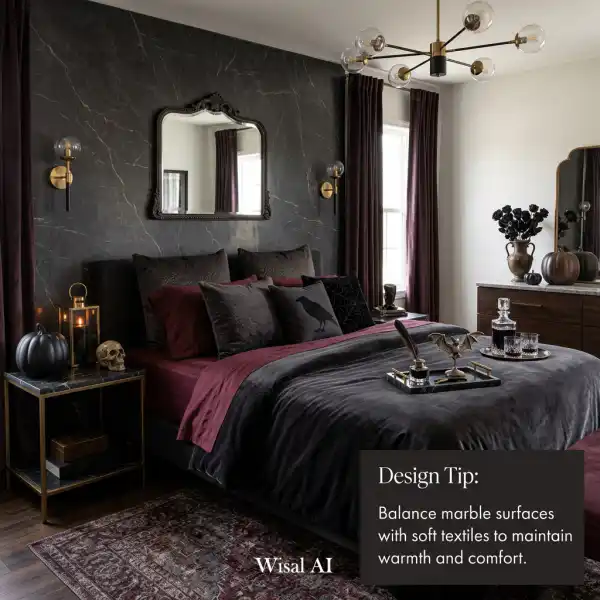
The charcoal and walnut palette is a powerful combination that blends architectural depth with natural warmth. Charcoal adds boldness, structure, and modern sophistication, while walnut wood softens the intensity with organic texture and warmth. This palette is widely used in contemporary luxury interiors because it creates strong visual identity without sacrificing comfort. Charcoal should be used strategically in walls, furniture, or framing elements, while walnut dominates in flooring or key furniture pieces. The success of this palette depends heavily on balance. Too much charcoal can make the room feel heavy, while too little walnut can reduce warmth. Lighting plays a critical role in ensuring harmony. Warm indirect lighting softens charcoal tones and enhances the richness of walnut wood. Tips: Use charcoal for structural elements Add walnut wood for warmth Keep bedding neutral Use layered lighting Maintain balance in proportions This palette creates a bold yet livable modern bedroom.
17. Soft Taupe & Cream Warm Minimal Palette
Soft taupe and cream create a warm, minimal bedroom palette that feels elegant, soft, and highly balanced. Taupe introduces gentle depth and earthy undertones, while cream provides brightness and softness. This combination is perfect for creating calm, hotel-inspired interiors that focus on emotional comfort. Cream should dominate the space, while taupe is used in furniture, bedding layers, or subtle accents. Unlike high-contrast palettes, this combination relies on tonal harmony. Everything blends smoothly, creating a seamless visual experience. Texture is essential here. Linen, cotton, and wool help add dimension and prevent the space from feeling flat. Lighting should be warm and diffused to maintain softness and enhance both tones. Tips: Use cream as the primary base Add taupe in secondary elements Focus on soft textures Keep decor minimal Use warm lighting This palette creates a calm, elegant, and cozy bedroom.
18. White & Natural Wood Scandinavian Palette
White and natural wood form one of the most iconic Scandinavian bedroom palettes. White creates openness, brightness, and simplicity, while wood adds warmth and natural grounding. This combination is widely used in minimalist interiors because it feels clean yet emotionally warm. White should dominate walls and ceilings, while wood appears in flooring, furniture, and structural elements. The key to this palette is avoiding sterility. Without wood or texture, white can feel too cold. Therefore, natural materials and soft textiles are essential. Lighting should be natural or warm to maintain softness and avoid clinical brightness. Tips: Use white as dominant color Add natural wood for warmth Keep design minimal Use soft textiles for comfort Maximize natural light This palette creates a bright, calm, and timeless bedroom.
19. Deep Navy & Soft Beige Luxury Palette
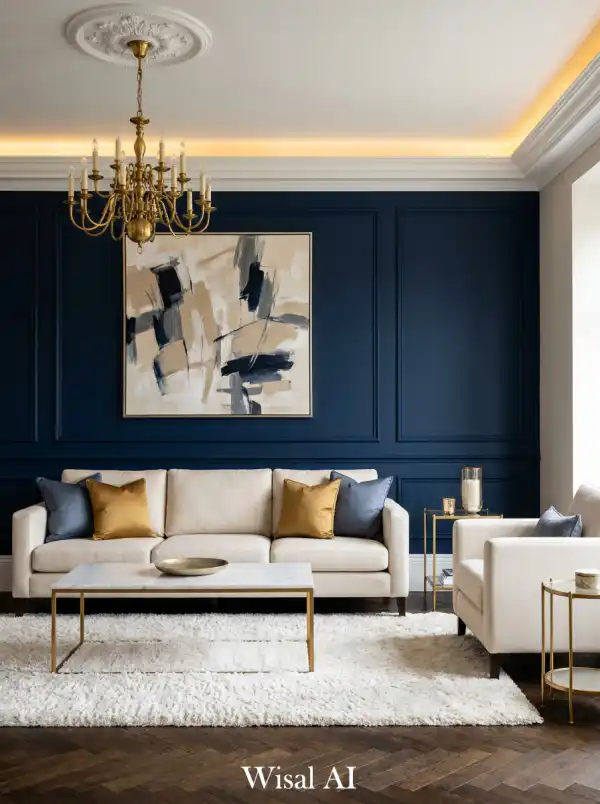
Deep navy and soft beige create a sophisticated and elegant bedroom palette that blends depth with softness. Navy brings richness and visual weight, while beige balances it with warmth and lightness. This combination is often used in luxury hotel-style interiors because it creates a refined and slightly dramatic atmosphere without feeling overwhelming. Beige should remain the dominant base, while navy is used in controlled accents such as headboards, cushions, or feature walls. Gold or brass accents can further enhance the luxury feel of this palette. Lighting is essential to ensure navy does not overpower the room. Warm lighting softens contrast and enhances beige tones. Tips: Use beige as the base color Add navy as accent color Introduce metallic details Keep layout clean Use warm lighting This palette creates a refined luxury bedroom with strong visual identity.
20. Mocha & Cream Organic Luxury Palette
Mocha and cream create a warm, organic luxury bedroom palette that feels both grounded and elegant. Mocha introduces richness, depth, and emotional warmth, while cream softens the composition and keeps the space bright. This combination is perfect for modern bedrooms that aim to feel cozy yet luxurious. Cream should dominate walls and bedding, while mocha is used in furniture, accents, or feature elements. Natural materials such as wood, linen, and stone enhance this palette significantly and reinforce its organic character. Lighting should always be warm and soft, as it enhances mocha tones and creates a cohesive atmosphere. Tips: Use cream as dominant tone Add mocha in accents Incorporate natural textures Keep lighting warm Maintain simplicity in design This palette creates a deeply comforting and luxurious bedroom environment.
Conclusion
Mixing colors in bedroom interior design is not about following strict rules or copying trends—it is about understanding balance, emotion, and atmosphere. The most successful modern luxury bedrooms in 2026 are not defined by how many colors they use, but by how intelligently those colors interact with each other. Whether you choose warm earthy tones like beige and walnut, calming natural combinations like sage green and stone gray, or bold contrasts like black and cream, the goal remains the same: to create a space that feels intentional, comfortable, and visually harmonious. A well-designed bedroom should never feel overwhelming. Instead, it should feel effortless—where every color has a purpose, every texture adds depth, and every lighting choice enhances the mood. Luxury today is subtle. It is found in the quiet harmony between tones, not in excess or complexity. When you master color mixing, you are not just decorating a room—you are shaping how you feel every time you enter it. And that is the true essence of modern interior design.
FAQ
1. What is the best color combination for a modern luxury bedroom?
The best combinations are neutral-based palettes like beige and walnut, cream and gold, or gray and wood. These create balance, warmth, and timeless elegance without overwhelming the space.
2. How many colors should I use in a bedroom design?
Ideally, you should stick to 2–4 main colors. One dominant base color, one secondary tone, and one or two accent colors are enough to maintain harmony and avoid visual clutter.
3. Are dark colors good for bedroom interiors?
Yes, dark colors like charcoal, navy, or black can create a luxurious and intimate atmosphere. However, they should always be balanced with lighter tones and warm lighting to prevent the room from feeling heavy.
4. What colors make a bedroom look bigger?
Light and neutral colors such as white, soft beige, light gray, and warm cream make a bedroom feel more spacious and airy by reflecting natural light.
5. How do I mix warm and cool colors in a bedroom?
The key is balance. Choose one temperature as the dominant tone (warm or cool) and use the opposite in small accents. For example, warm beige with cool gray or soft blue.
6. What is the most timeless bedroom color palette?
Beige, white, and natural wood remain the most timeless combination because they work across all design styles and never go out of trend.