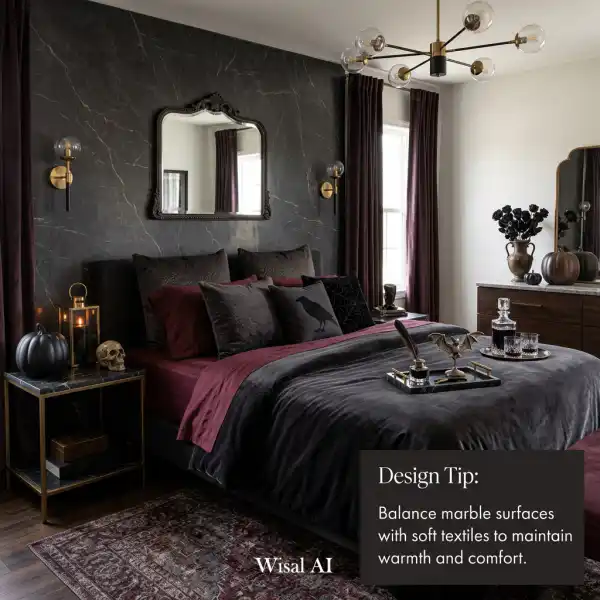
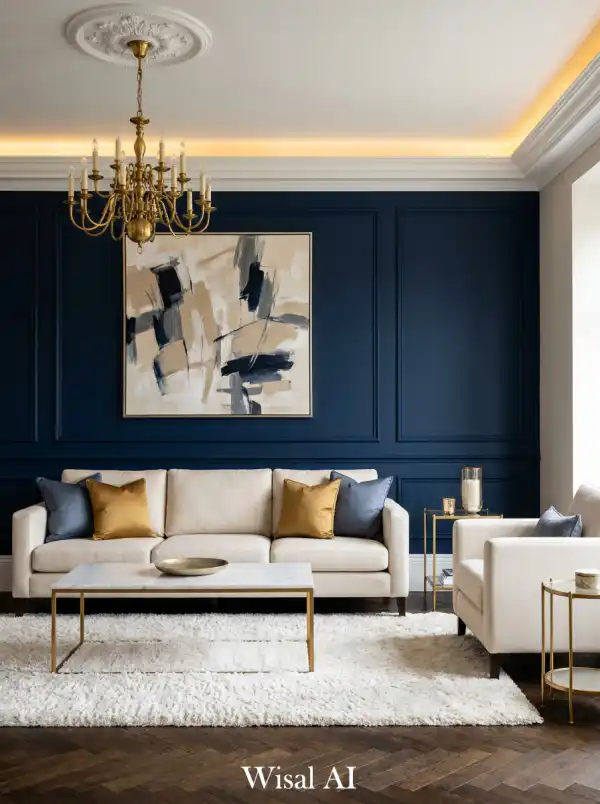
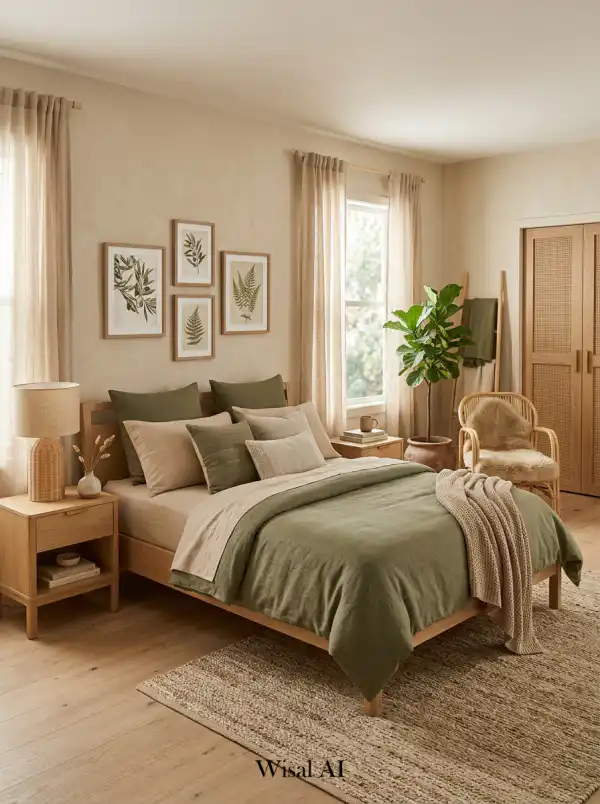
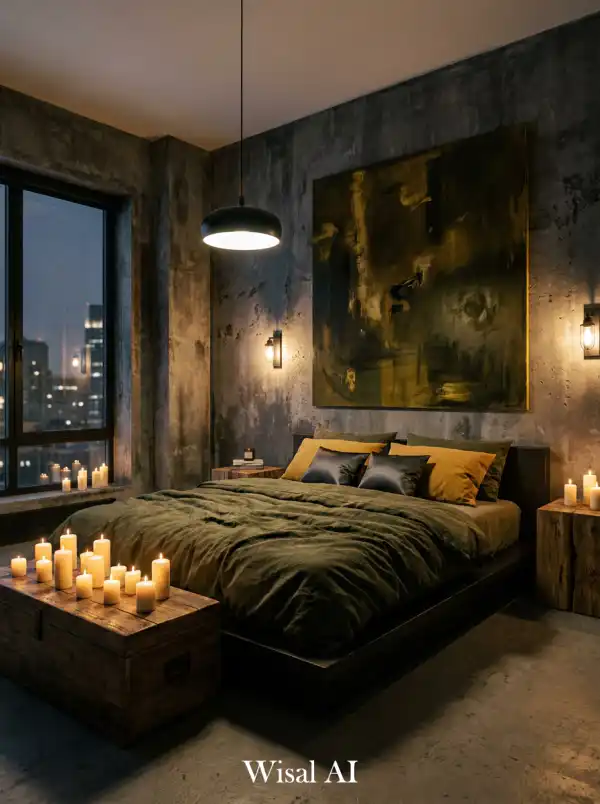
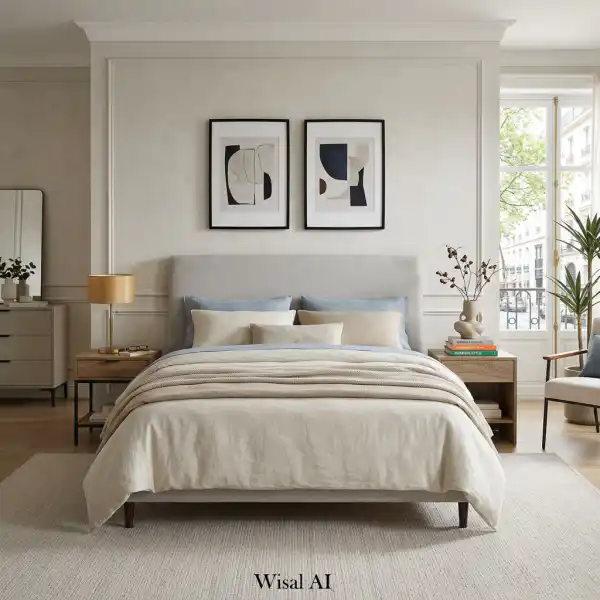
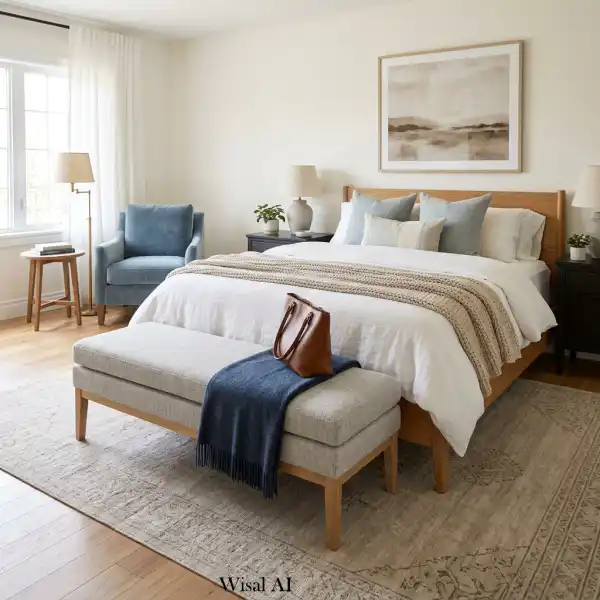
In modern interior design, color is no longer just a decorative choice—it has become the foundation of atmosphere, emotion, and lifestyle. Among all contemporary palettes emerging in 2026, the combination of charcoal and beige stands out as one of the most sophisticated and timeless expressions of modern luxury. This pairing represents a perfect visual and emotional balance. Charcoal brings depth, structure, and architectural strength, while beige introduces warmth, softness, and natural calmness. When combined correctly, they create living spaces that feel grounded yet elegant, bold yet inviting, and modern yet timeless. Unlike trend-based color schemes that fade quickly, charcoal and beige remain relevant because they are rooted in natural contrast—light and shadow, warmth and coolness, softness and strength. This makes them ideal for living rooms that aim to achieve “quiet luxury,” a design philosophy focused on subtle elegance rather than visual excess. In 2026, homeowners and designers are shifting toward interiors that feel emotionally comforting rather than visually loud. The living room, in particular, has become a space of retreat, reflection, and social calmness. This is where the charcoal and beige palette thrives—it creates depth without heaviness and softness without dullness. In this guide, we will explore 18 detailed Charcoal and Beige Living Room Ideas, each designed to help you understand how to use this palette effectively. These ideas go beyond simple decoration—they focus on architecture, lighting, materials, texture layering, and emotional design principles.
1. Charcoal Feature Wall with Soft Beige Foundation
A charcoal feature wall is one of the most powerful ways to introduce depth into a beige-based living room. Instead of overwhelming the entire space with dark tones, a single accent wall creates a strong focal point while keeping the environment warm and balanced. Beige acts as the foundation of the room—covering the majority of walls, furniture, and textiles—while charcoal defines one key architectural surface. This contrast creates visual structure and helps guide the eye naturally through the space. The success of this design depends on lighting and proportion. Warm lighting softens the intensity of charcoal and ensures it does not overpower the room. Beige furniture such as sofas or rugs helps maintain harmony. Texture also plays a role here. A matte charcoal wall works better than glossy finishes because it absorbs light softly, enhancing the luxurious and modern feel. Design Tips Use charcoal on a single accent wall only Keep surrounding tones beige or cream Add warm ambient lighting Balance with soft textiles
2. Beige Linen Sofa with Charcoal Contrast Styling
A beige linen sofa introduces softness and organic comfort to the living room, making it the central relaxing element of the space. Linen fabric enhances the natural aesthetic, adding subtle texture and warmth. To introduce contrast, charcoal elements are layered through cushions, rugs, artwork, or side tables. This keeps the palette visually dynamic without disrupting its calmness. This idea works especially well in minimalist interiors where furniture is kept simple but expressive through texture and color balance. The softness of beige prevents the room from feeling too dark or rigid. Design Tips Choose high-quality textured linen Add charcoal pillows for contrast Keep furniture shapes simple Use wood accents for warmth
3. Charcoal Built-In Shelving with Beige Styling Elements
Built-in shelving in charcoal creates a strong architectural identity within the living room. It frames the space and adds depth without requiring additional decoration. To prevent heaviness, beige décor items such as ceramics, books, and soft lighting are used within the shelving units. This creates a curated balance between structure and softness. Lighting inside the shelves can dramatically enhance this design by highlighting textures and objects, giving the room a boutique gallery feel. Design Tips Keep shelves organized and minimal Mix beige and neutral décor pieces Add soft LED lighting inside shelves Avoid overcrowding objects
4. Beige Walls with Charcoal Modular Sofa Design
This idea flips the contrast dynamic by making beige the dominant background and using a charcoal modular sofa as the main visual anchor. The sofa becomes the centerpiece of the living room, adding strong structure and grounding the space. Beige walls maintain openness and brightness, preventing the room from feeling heavy. This setup works particularly well in modern apartments where flexibility and comfort are important. Design Tips Use oversized modular seating Keep walls smooth and neutral Add soft rugs for comfort Maintain open layout flow
5. Layered Textures in Charcoal and Beige Harmony
Instead of focusing only on color, this idea emphasizes texture layering. Different materials in charcoal and beige tones are combined to create visual depth and tactile richness. Examples include wool rugs, stone tables, linen upholstery, and matte wall finishes. This approach ensures the space feels dynamic without relying on additional colors. Texture becomes the main design language, making the room feel more luxurious and refined. Design Tips Mix soft and rough textures Avoid glossy finishes Keep palette limited Focus on material quality
6. Charcoal Ceiling with Beige Spatial Balance
A charcoal ceiling introduces a bold architectural statement while beige walls and furniture maintain openness and lightness. This technique is often used in luxury interiors to create intimacy and depth without reducing comfort. It visually lowers the ceiling slightly, making large spaces feel more cozy and grounded. Proper lighting is essential to avoid heaviness. Indirect lighting helps soften the charcoal tone. Design Tips Use soft matte charcoal paint Keep walls beige or off-white Add layered lighting systems Avoid dark flooring
7. Beige Marble Coffee Table with Charcoal Living Room Accents
A beige marble coffee table becomes a sophisticated centerpiece in a modern living room, introducing natural elegance, softness, and subtle luxury into the space. Its organic veining adds visual movement, making the room feel more dynamic and less static. In contrast, charcoal accents throughout the living room—such as wall panels, sofas, shelving units, or décor pieces—provide structure and depth. This balance ensures that the marble table stands out as a refined focal point without overpowering the overall calm aesthetic of the room. This design works especially well in luxury modern living rooms where furniture is treated as sculptural elements rather than purely functional pieces. The marble surface reflects natural light beautifully, while charcoal tones ground the composition and add architectural weight. Together, they create a living room that feels curated, balanced, and timelessly elegant. Design Tips Use a beige marble coffee table as the focal point Add charcoal accents through furniture or walls Keep surrounding décor minimal and refined Use warm lighting to enhance marble texture Balance stone with soft fabrics like linen or wool
8. Charcoal Fireplace with Beige Comfort Surroundings
A charcoal fireplace becomes a dramatic focal point in the living room, while beige seating and walls soften the overall atmosphere. This contrast creates a cozy yet luxurious environment, especially in colder seasons. The fireplace becomes both a functional and emotional centerpiece. Design Tips Use stone or matte finishes Keep décor minimal Add soft textiles Balance warmth with neutral tones
9. Charcoal and Beige Open-Concept Zoning for Living Spaces
One of the most sophisticated applications of the charcoal and beige palette in modern living room design is using color as a zoning tool rather than just decoration. In open-plan homes, especially those connected to dining or kitchen areas, it becomes essential to define visual boundaries without building physical walls. This is where charcoal and beige work at an architectural level. Beige is typically used as the dominant spatial base because it creates continuity, openness, and visual flow. It allows light to travel freely across the space, making the living area feel larger and more breathable. On the other hand, charcoal is introduced strategically to define specific functional zones such as the seating area, reading corner, or media wall. For example, a charcoal-painted niche behind the sofa can subtly anchor the living zone without breaking the openness of the layout. Similarly, a charcoal rug under the seating arrangement can visually “ground” the furniture, separating it from adjacent spaces while maintaining harmony. The real strength of this approach lies in psychological perception. Even without physical barriers, the human eye naturally interprets color shifts as spatial transitions. This creates a sense of order, clarity, and intentional design flow. Lighting also plays a critical role here. Each zone should have its own lighting identity—soft ambient lighting in beige areas and more focused, directional lighting in charcoal zones. Design Principles Use beige as the continuous background layer Apply charcoal to define functional zones Maintain visual flow between areas Use lighting to reinforce zoning separation Avoid excessive contrast breaks This technique transforms a simple open space into a highly structured and architecturally intelligent environment.
10. Charcoal Coffee Table as a Central Sculptural Element
In many modern luxury living rooms, the coffee table is no longer just a functional piece—it has become a sculptural anchor that defines the entire seating composition. When executed in charcoal tones, the coffee table introduces a strong visual weight that balances the softness of beige surroundings. A charcoal coffee table works particularly well in beige-based living rooms because it creates contrast at the lowest visual plane, grounding the entire seating arrangement. Unlike lighter tables that visually disappear into neutral spaces, charcoal adds depth and presence. Material selection is extremely important. Matte stone, dark wood, or textured concrete finishes work best because they enhance the natural, architectural quality of the palette. Glossy surfaces should generally be avoided as they can disrupt the calm, spa-like atmosphere of the room. To maintain balance, the surrounding elements must remain soft and minimal. Beige sofas, cream rugs, and warm lighting ensure that the coffee table feels integrated rather than isolated. Decor on the table should be carefully curated. A few sculptural objects, books, or natural elements such as stone or ceramic pieces are enough to complete the composition. Design Principles Choose matte charcoal finishes for softness Keep table design sculptural and simple Surround with beige soft furnishings Avoid over-decorating the surface Use it as a grounding visual anchor This idea transforms the coffee table from a utility object into a central design statement.
11. Beige Curtains with Charcoal Architectural Framing
Window design plays a major role in defining the emotional tone of a living room. In this concept, beige curtains are used to soften natural light, while charcoal architectural framing defines structure and depth around the window area. Beige curtains allow sunlight to filter gently into the room, creating a warm and diffused glow that enhances the softness of the interior. This prevents harsh light contrast and maintains a calm, inviting atmosphere throughout the day. Charcoal framing, whether in the form of window trims, surrounding wall panels, or structural outlines, introduces a strong architectural identity. It draws attention to vertical and horizontal lines, giving the space a more designed and intentional feel. The combination of soft fabric movement and strong architectural edges creates a perfect balance between fluidity and structure. This idea is especially powerful in living rooms with large windows, where natural light becomes part of the interior design language. Design Principles Use lightweight beige fabrics for softness Keep charcoal framing minimal but defined Allow natural light diffusion Avoid heavy patterned curtains Maintain clean architectural lines This design creates a living room that feels both elegant and naturally balanced.
12. Beige Dominant Space with Charcoal Art Focus Points
Art plays a powerful role in elevating neutral interiors, and in this concept, charcoal is introduced primarily through artwork rather than architectural elements. The living room remains mostly beige, creating a calm and minimal base, while charcoal-toned art pieces become focal points that add emotional depth. This approach is ideal for those who prefer minimal architecture but still want strong visual interest. Abstract charcoal artwork, monochrome photography, or textured dark canvases work particularly well. The beige background allows the artwork to stand out without overwhelming the space. It creates a gallery-like atmosphere where each piece feels intentional and curated. Furniture should remain soft and understated, ensuring that attention stays on the art. Lighting can be used strategically to highlight each piece, creating subtle focal points across the room. Design Principles Keep walls predominantly beige Use charcoal art as focal points Maintain minimal furniture styling Use gallery-style lighting accents Avoid visual clutter This idea transforms the living room into a refined, gallery-inspired space.
13. Charcoal and Beige Industrial Soft Luxury Blend
This concept merges industrial design elements with soft luxury aesthetics, creating a balanced and modern interpretation of charcoal and beige. It combines raw architectural materials with warm, inviting textures. Charcoal is often introduced through concrete finishes, metal frames, or structural elements, while beige softens the overall atmosphere through upholstery, rugs, and wall treatments. The key challenge in this design is preventing the space from feeling too cold or industrial. This is achieved by layering warmth through textiles, wood accents, and soft lighting. The result is a living room that feels grounded and urban, yet still comfortable and emotionally warm. Design Principles Balance raw and soft materials Introduce wood for warmth Use beige as the emotional layer Keep industrial elements subtle Prioritize warm lighting This creates a modern luxury space with strong architectural character.
14. Beige Modular Seating with Charcoal Spatial Depth
In this concept, modular beige seating forms the flexible core of the living room, while charcoal elements are used to add spatial depth and definition. Beige modular sofas are ideal for modern homes because they allow adaptability and openness. They create a soft, inviting base that can be rearranged based on lifestyle needs. Charcoal is introduced through background walls, rugs, or shelving units to provide contrast and structure. This ensures the seating area does not feel visually flat. The balance between softness and depth creates a highly livable yet sophisticated environment. Design Principles Use modular beige seating systems Add charcoal background contrast Maintain flexible layout design Keep surrounding décor minimal Focus on comfort and flow This concept prioritizes livability without sacrificing elegance.
15. Charcoal Wall Panels with Beige Soft Furnishings
Charcoal wall panels are one of the most architectural ways to introduce depth into a living room without overwhelming the space. Instead of using plain painted walls, textured or slatted panels in charcoal create rhythm, shadow play, and visual structure that instantly elevate the interior into a modern luxury category. What makes this idea especially powerful is the contrast it creates with soft beige furnishings. A beige sofa, cream armchairs, or light-toned rugs immediately soften the intensity of the charcoal wall, producing a balanced composition that feels both grounded and inviting. The vertical or geometric structure of wall panels adds a sense of height and sophistication. It guides the eye upward and enhances the perception of space, especially in rooms with lower ceilings. At the same time, beige textiles introduce emotional warmth, preventing the space from feeling too architectural or rigid. Lighting plays a defining role here. When indirect warm lighting is applied to charcoal panels, shadows naturally form between grooves or textures, giving the wall a dynamic, living quality. Design Principles Use matte charcoal textured panels Balance with soft beige upholstery Add indirect warm lighting Keep furniture shapes simple Avoid overly glossy finishes This design creates a luxury living room that feels structured, warm, and visually layered.
16. Beige Open Flow with Charcoal Structural Anchors
This idea focuses on spatial psychology—how color can shape the way we perceive movement within a living room. Beige is used as the dominant flow color, creating a sense of openness, continuity, and calm expansion. It acts as the visual “air” of the space. Charcoal, on the other hand, is used as a structural anchor. Instead of covering large surfaces, it appears in key architectural points such as columns, niches, TV walls, or furniture bases. These charcoal elements act like visual stopping points that organize the space and give it rhythm. The result is a living room that feels open yet controlled. There is freedom in movement, but also clarity in structure. This balance is particularly effective in modern apartments where space needs to feel both spacious and well-defined. The emotional effect of this palette is subtle sophistication. It does not rely on strong contrast but on intelligent placement. Design Principles Keep beige as the dominant flow color Use charcoal only in structural points Maintain visual continuity Avoid overcrowding focal areas Use lighting to unify both tones This concept creates a refined and intelligently structured modern living space.
17. Charcoal and Beige Luxury Hotel-Inspired Living Room
This idea is heavily inspired by high-end boutique hotels where every detail is designed to feel curated, calm, and emotionally elevated. The combination of charcoal and beige in this context becomes less about color and more about atmosphere. Charcoal is used in controlled, elegant applications such as accent walls, stone fireplaces, or custom furniture pieces. Beige dominates soft surfaces like sofas, curtains, and rugs, creating a welcoming and restful base. The key to achieving a hotel-like feeling is consistency. Every element must feel intentional and minimal, without unnecessary visual noise. Textures play a huge role here—linen, velvet, brushed stone, and matte wood finishes all contribute to a layered but calm environment. Lighting is also critical. Hotels rarely use harsh lighting; instead, they rely on layered ambient lighting that creates warmth and depth in the evening hours. Design Principles Maintain consistent neutral harmony Use charcoal as accent luxury element Focus on soft beige base layers Prioritize layered lighting systems Avoid clutter or excess decoration This concept creates a living room that feels like a permanent luxury retreat.
18. Perfect Balance Charcoal and Beige Timeless Composition
The final idea represents the ultimate expression of balance between charcoal and beige. Instead of assigning dominance to either color, both are used equally across the space in a carefully composed visual rhythm. In this approach, charcoal and beige interact continuously throughout the room—on walls, furniture, textiles, and architectural elements. The goal is not contrast but harmony through repetition and balance. This design works like a visual dialogue. Dark elements ground the space while lighter tones lift it. Neither dominates; instead, they coexist in a stable equilibrium. This idea requires careful attention to proportion. Too much charcoal can overpower, while too much beige can flatten the design. The success lies in precise distribution. Lighting again becomes the unifying force, blending both tones into a cohesive atmosphere. Design Principles Balance both colors equally Distribute tones across all surfaces Maintain visual rhythm Avoid dominant color imbalance Use lighting as unifying element This concept represents the most refined interpretation of modern elegance.
🖤🤍 Conclusion
Charcoal and beige together create one of the most powerful and timeless palettes in modern interior design. Their strength lies not in visual intensity, but in emotional balance. Charcoal brings structure, depth, and architectural sophistication, while beige introduces warmth, calmness, and human comfort. When these two tones are combined thoughtfully, they create living spaces that feel both luxurious and livable. They are not just visually appealing—they are emotionally grounding. This is why this palette continues to dominate modern luxury interiors in 2026 and beyond. A well-designed charcoal and beige living room is never loud. It does not rely on excessive decoration or trends. Instead, it communicates elegance through proportion, texture, and light. It is a design language of restraint, confidence, and timeless sophistication. Ultimately, this palette proves that true modern luxury is not about more—it is about balance.
FAQ
1. Is charcoal and beige a good combination for small living rooms?
Yes. Beige opens the space visually, while charcoal adds controlled depth without making the room feel smaller when used correctly.
2. What style works best with charcoal and beige?
Modern, minimalist, Japandi, and luxury contemporary styles all work extremely well with this palette.
3. How do I avoid making a charcoal and beige room look too dark?
Use beige as the dominant base color and introduce charcoal only as accents or architectural highlights.
4. What materials work best with this color palette?
Natural wood, linen, stone, matte ceramics, and textured fabrics work best.
5. What lighting is best for charcoal and beige interiors?
Warm layered lighting with indirect sources is ideal to soften contrast and enhance warmth.