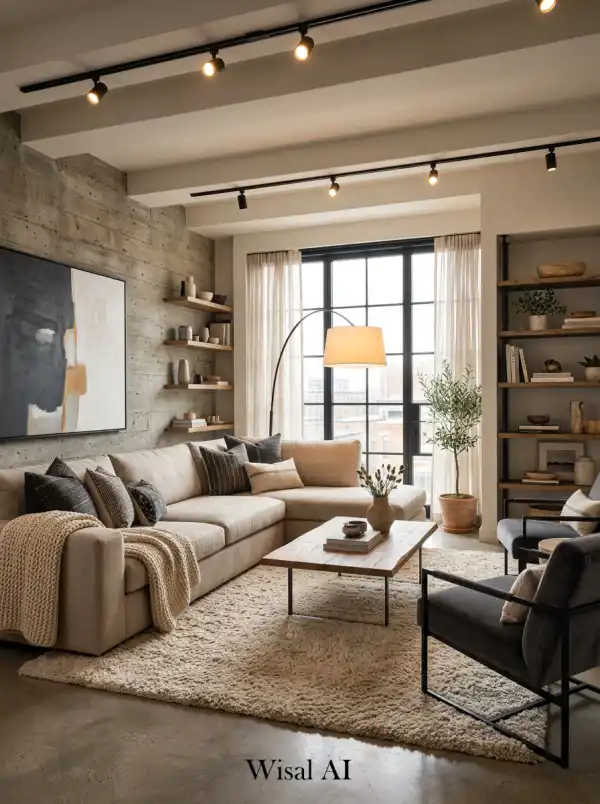
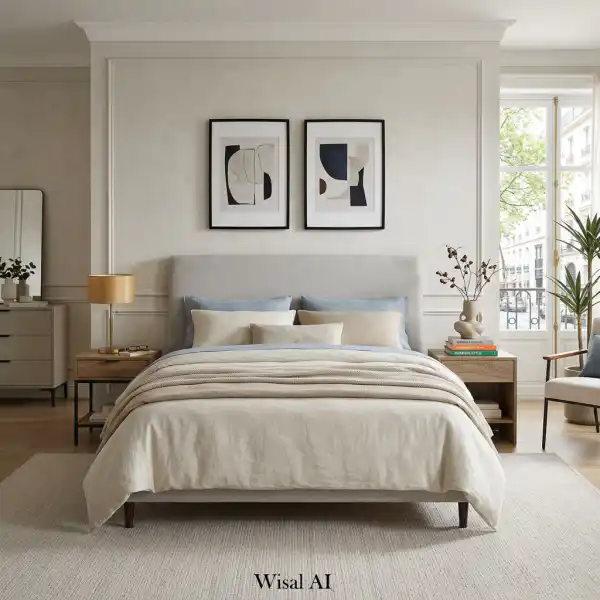
Interior design trends come and go, but certain principles remain beautiful regardless of the year, the latest colour of the season, or what's currently popular on social media. These timeless design rules are the foundation behind interiors that continue to look sophisticated, comfortable, and relevant for decades. A timeless home isn't necessarily traditional or old-fashioned. It can be modern, minimalist, contemporary, classic, or even eclectic. What makes it timeless is the way its elements work together. Furniture is properly scaled, colours are thoughtfully selected, lighting is layered, materials have depth, and every room feels connected without becoming repetitive. One of the biggest advantages of following timeless design principles is that you don't have to constantly redecorate. Instead of replacing major furniture every few years, you can build a strong foundation with quality pieces and introduce current trends through smaller, easier-to-change details. Timeless interiors also tend to feel more personal. Rather than copying a showroom or recreating a social-media trend exactly, you can use classic principles as a framework and then introduce artwork, furniture, colours, and objects that reflect your personality. Another important characteristic is balance. A timeless room doesn't necessarily have perfectly matching furniture or symmetrical decoration everywhere. Instead, it creates visual equilibrium through scale, colour, texture, lighting, and negative space. Whether you're furnishing a new home, renovating an existing space, or simply trying to make your interiors feel more sophisticated, understanding these principles can help you make better decisions and avoid expensive mistakes. Below are 15 interior design rules that never go out of style, along with practical ways to use them in your own home.
1. Prioritise Proportion and Scale
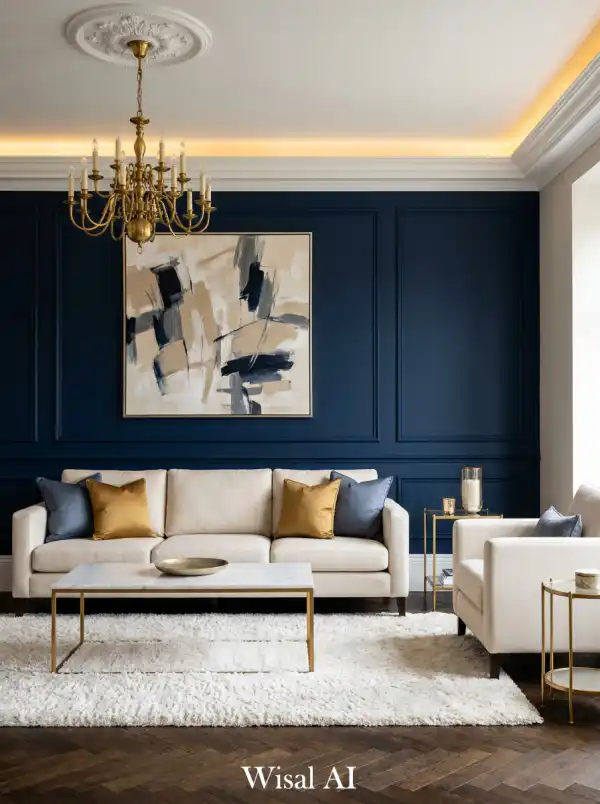
One of the most important rules in interior design is choosing furniture and décor that are appropriately scaled to the room. A beautiful sofa can look completely wrong if it's too large for the space, while a small coffee table may disappear in front of an oversized sectional. The same principle applies to artwork, rugs, lighting fixtures, curtains, and accessories. Professional designers consider the dimensions of the room before selecting major furniture pieces. They also look at how individual items relate to one another. For example, a large sofa may require a substantial coffee table and appropriately sized artwork to create balance. In a smaller room, lighter furniture with slimmer proportions can preserve visual space. Good proportions make a room feel naturally comfortable. You may not consciously notice why the space works, but the balance is immediately apparent. Before buying furniture, measure the room and create a simple floor plan. Even basic measurements can prevent expensive mistakes.
2. Choose Quality Over Quantity
A timeless interior doesn't need to contain dozens of decorative objects. Instead, focus on purchasing fewer pieces that are well made, comfortable, and visually appropriate for your home. Quality furniture and materials generally age better and can remain attractive through changing trends. Natural wood, stone, linen, wool, leather, and well-crafted ceramics are particularly effective because they develop character over time. This doesn't mean every item needs to be expensive. A thoughtfully chosen affordable piece can work beautifully when combined with higher-quality materials and good styling. The goal is to avoid filling your home simply because you have empty space. A carefully edited room almost always looks more sophisticated than an overcrowded one.
3. Use a Cohesive Colour Palette
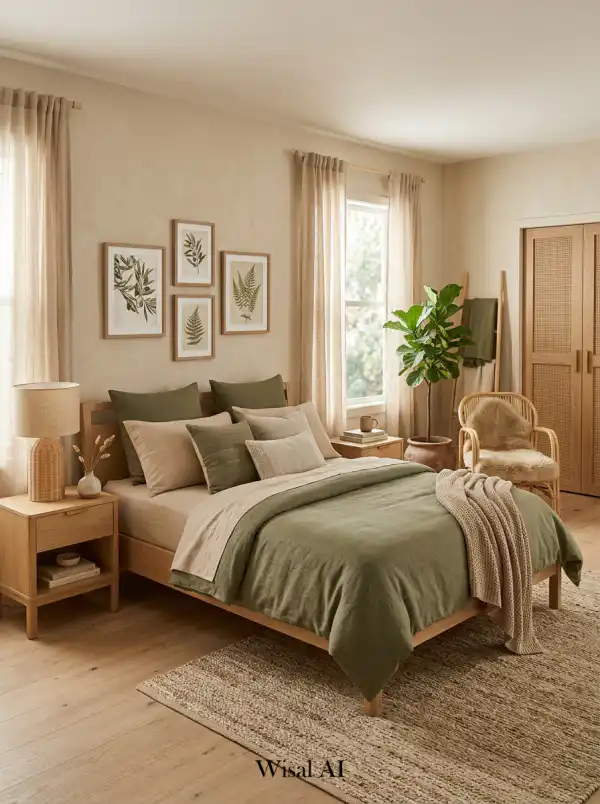
Colour is one of the strongest tools for creating harmony throughout a home. A timeless palette doesn't have to mean beige or white. Soft greens, muted blues, warm terracotta, charcoal, earthy browns, and other restrained colours can all create beautiful long-lasting interiors. The key is consistency. Choose a primary colour family and several complementary shades, then repeat them through furniture, artwork, curtains, rugs, and accessories. You don't need every room to have exactly the same colours. Instead, allow certain tones to appear throughout the home so the spaces feel connected. A cohesive colour palette creates visual flow and makes even different design styles feel intentional.
4. Mix Textures, Not Just Colours
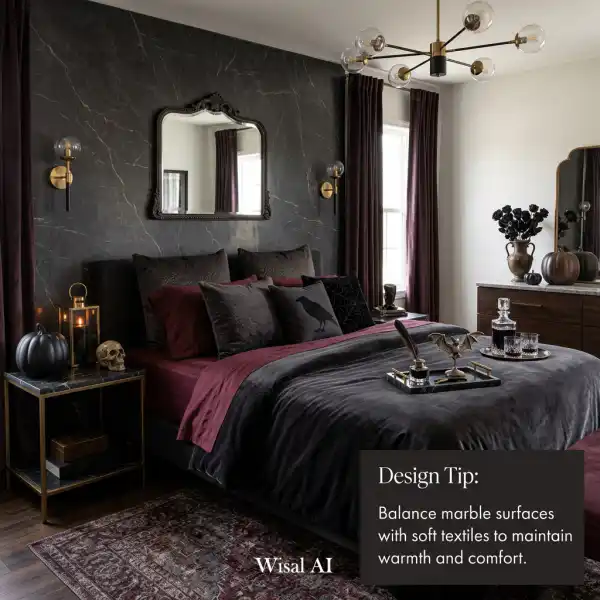
A room can use a very simple colour palette and still feel incredibly rich. The secret is texture. Combine smooth marble with rough stone, soft linen with polished wood, woven fabrics with leather, or plush upholstery with metal accents. These contrasts create depth without requiring dramatic colours. Professional designers often use texture to prevent neutral rooms from becoming boring. For example, a cream bedroom can combine linen bedding, a wool rug, boucle seating, oak furniture, and ceramic accessories. The colours remain quiet while the textures create visual interest. This principle works across almost every interior style and never becomes outdated.
5. Layer Your Lighting
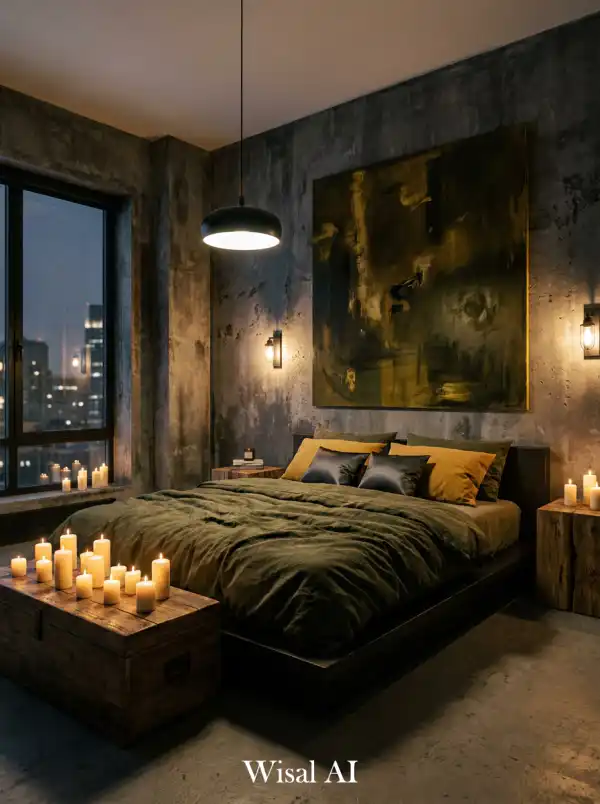
Good lighting can transform an average room into an elegant one. Instead of depending on one central ceiling fixture, combine several types of lighting. Ambient lighting provides general illumination. Task lighting supports activities such as reading or working. Accent lighting highlights artwork, architectural features, shelving, or decorative objects. Use ceiling fixtures, floor lamps, table lamps, wall sconces, pendant lights, and indirect lighting where appropriate. Warm lighting around 2700K–3000K is generally effective for living spaces and bedrooms because it creates a comfortable atmosphere. Layered lighting also allows you to change the mood of a room throughout the day. This is a design principle that remains valuable regardless of changing styles.
6. Let Natural Light Lead the Design
Natural light should always be considered when planning a room. Instead of blocking windows with large furniture or heavy curtains, arrange the space to maximise daylight and views. Light-coloured walls can help distribute daylight, while mirrors positioned strategically can reflect it deeper into darker areas. Window treatments should complement the architecture rather than compete with it. Floor-to-ceiling curtains can also make windows appear larger and ceilings feel taller. Natural light changes throughout the day, so observe how sunlight moves through the room before deciding where to place furniture or artwork. A home designed around its natural light will almost always feel more inviting.
7. Create a Clear Focal Point
Every room benefits from having something that naturally attracts attention. The focal point could be a fireplace, architectural feature, large artwork, statement headboard, beautiful window, sculptural light fixture, or feature wall. Without a clear focal point, the eye tends to move randomly around the room, which can make the design feel unfinished. Once you've identified the focal point, arrange furniture and accessories to support it. A strong focal point doesn't need to be dramatic. Sometimes a beautifully framed piece of artwork or a fireplace with simple surrounding décor is enough. The goal is to create visual hierarchy.
8. Leave Room for Negative Space
Empty space is an important part of good interior design. Many people assume that an empty wall, shelf, or corner means something is missing. In reality, negative space allows important furniture and decorative pieces to stand out. Professional designers intentionally leave areas of a room quiet. Avoid placing furniture in every corner or filling every shelf with accessories. Allow the architecture and materials to breathe. Negative space also improves movement and makes rooms feel more spacious. The result is a calmer, more sophisticated interior.
9. Invest in Timeless Furniture
Furniture should form the foundation of your interior, so choose pieces that can survive changing trends. Classic sofas, simple dining tables, elegant armchairs, quality beds, and versatile storage pieces can work with many different decorating styles. Rather than selecting furniture solely because it is currently fashionable, ask whether you would still enjoy looking at it five or ten years from now. Neutral upholstery and classic silhouettes provide flexibility, allowing you to update the room with accessories instead of replacing major furniture. Timeless furniture gives you a foundation that can evolve as your taste changes.
10. Mix Old and New
A home can feel sterile when everything looks brand new. Mixing contemporary furniture with vintage pieces, antique accessories, inherited objects, or handcrafted items creates personality and depth. An old wooden chest can look beautiful beside a modern sofa. A vintage mirror can add character to a minimalist hallway. Handmade ceramics can soften a contemporary kitchen. The contrast between old and new makes interiors feel collected rather than purchased all at once. This approach also allows meaningful objects to become part of the design. A timeless home should tell a story.
11. Repeat Materials and Finishes
Repetition creates visual rhythm. If you use walnut furniture in one room, consider introducing walnut or another related wood tone elsewhere. If brushed brass appears in your lighting, subtle brass details can be repeated through hardware or accessories. This doesn't mean everything needs to match. Instead, repeat selected finishes enough times that they feel intentional. Professional designers often use repetition to connect separate rooms and create a cohesive home. It is one of the simplest ways to make an interior feel professionally planned.
12. Design for Comfort First
A beautiful home should still be comfortable. A sofa that looks impressive but is uncomfortable to sit on isn't a successful design choice. The same applies to dining chairs, beds, lighting, rugs, and room temperature. Choose furniture based on how you actually use your home. If your family watches television together every evening, create a comfortable seating arrangement. If you enjoy reading, provide appropriate task lighting and a comfortable chair. Timeless design is ultimately about creating spaces that people want to use. Comfort never becomes outdated.
13. Make Storage Part of the Design
Storage shouldn't be treated as an afterthought. Clutter can quickly undermine an otherwise beautiful interior, so incorporate storage into the original design whenever possible. Built-in wardrobes, closed cabinetry, storage benches, media units, floating cabinets, and multifunctional furniture help keep everyday objects organised. Professional designers often combine open and closed storage. Decorative objects can be displayed on open shelving while less attractive essentials remain hidden. A well-organised home feels calmer and more spacious.
14. Avoid Designing Every Room in Isolation
A home should feel like one complete environment. This doesn't mean every room needs identical furniture or colours. Instead, use connecting elements such as similar flooring, recurring wood tones, complementary colours, or consistent metal finishes. For example, a warm neutral palette can transition from the living room to the dining area and bedroom while each space develops its own personality. Visual continuity makes a home feel larger and more sophisticated. Think about how one room leads into another rather than designing each space independently.
15. Edit Your Design Before You Finish
The final timeless design rule is perhaps the simplest: know when to stop. After arranging furniture and accessories, step back and evaluate the room. Is anything unnecessary? Are there too many colours? Is one area visually heavier than another? Are the walkways comfortable? Does every decorative object contribute something? Professional designers often remove items rather than continuously adding them. Editing creates clarity and allows the strongest elements to shine. A timeless interior doesn't try to impress through excess. It feels confident because every detail has been carefully considered.
Conclusion
Timeless interior design isn't about avoiding modern ideas or creating a home that looks traditional. It's about understanding the principles that continue to work regardless of changing trends. Proportion, scale, colour harmony, natural materials, layered lighting, texture, comfort, and thoughtful editing form the foundation of interiors that remain beautiful for years. The strongest homes also reflect the people who live in them. Mixing old and new pieces, displaying meaningful objects, and adapting layouts to everyday routines creates an environment that feels personal rather than copied from a showroom. You don't need to follow every design trend to have a stylish home. In fact, the most sophisticated interiors often use a simple foundation and introduce current trends through smaller, easily replaceable details. When you prioritise quality, comfort, balance, and consistency, your home becomes easier to update and more enjoyable to live in. These principles can be applied to a small apartment, a large family home, a modern villa, or a traditional property. Ultimately, timeless design is about making choices that still feel right years after you make them. Build the foundation carefully, decorate with intention, and allow your home to evolve naturally over time.
FAQs
What makes an interior design timeless?
Timeless interiors rely on good proportions, balanced layouts, cohesive colours, quality materials, comfortable furniture, and classic design principles rather than short-lived trends.
Does timeless design mean using neutral colours?
No. Neutral colours are popular because they are versatile, but muted greens, blues, terracotta, browns, and other sophisticated colours can also create timeless interiors.
Should all furniture match?
No. Matching everything can make a room feel predictable. Mixing furniture styles, materials, and finishes creates personality as long as the overall palette and proportions remain balanced.
How can I make a modern home feel timeless?
Choose simple furniture silhouettes, natural materials, quality lighting, restrained colours, and meaningful accessories. Avoid making the entire design dependent on one temporary trend.
How often should I change my interior design?
There is no fixed schedule. A well-designed home can remain attractive for many years. Instead of replacing major furniture frequently, update smaller elements such as cushions, artwork, accessories, and lighting when your preferences change.
What is the most important interior design rule?
There isn't one rule that works alone, but proportion and scale are among the most important. Even beautiful colours and expensive furniture won't look right if the pieces are poorly sized for the room.