Your bedroom should be the most peaceful room in your home. It's the place where you begin each morning and end every evening, making its design more important than many people realize. A thoughtfully designed bedroom doesn't just look beautiful—it supports better sleep, encourages relaxation, reduces daily stress, and creates an environment where both your body and mind can truly unwind. Unfortunately, many bedrooms unintentionally contribute to stress instead of relieving it. Cluttered surfaces, harsh lighting, poor furniture layouts, overwhelming colors, and excessive decorations can create visual noise that makes it difficult to relax. Even if you don't consciously notice these design issues, they can subtly affect your mood and make the room feel less comfortable than it should. Professional interior designers understand that creating a calming bedroom is about much more than choosing attractive furniture. Every design decision—from the color palette and lighting to the placement of the bed and the textures you introduce—plays a role in shaping the emotional atmosphere of the space. Soft materials, balanced layouts, natural elements, and carefully selected accessories work together to create a bedroom that feels peaceful every single day. The good news is that designing a stress-free bedroom doesn't require an expensive renovation. Small, intentional changes often have the greatest impact. Reorganizing furniture, introducing layered lighting, selecting calming colors, or reducing unnecessary clutter can completely transform how your bedroom feels without changing its size or structure. In this guide, you'll discover how to design a bedroom that reduces stress every day through practical, designer-approved ideas. These tips will help you create a relaxing retreat that promotes better sleep, improves comfort, and brings a lasting sense of calm to your daily routine.
1. Start with a Calm, Neutral Color Palette
Color is one of the first things your brain notices when you enter a room, which is why it has such a strong influence on mood. If your goal is to create a bedroom that reduces stress every day, begin with a soothing color palette that encourages relaxation instead of overstimulation. Professional interior designers often choose warm white, soft beige, greige, light taupe, muted sage green, dusty blue, or gentle earth tones for calming bedrooms. These colors reflect light softly, create visual harmony, and provide a timeless backdrop that won't feel overwhelming over time. Rather than introducing many bold colors, keep the palette limited to two or three complementary shades. Repeating those colors throughout the bedding, curtains, rugs, and accessories creates continuity that makes the room feel balanced and organized. Texture becomes especially important when working with neutral colors. Layering linen bedding, woven baskets, wool rugs, boucle cushions, and natural wood furniture adds richness without introducing visual clutter. A calm color palette immediately changes the atmosphere of the room, making it feel lighter, quieter, and far more relaxing.
2. Make the Bed the Clear Focal Point
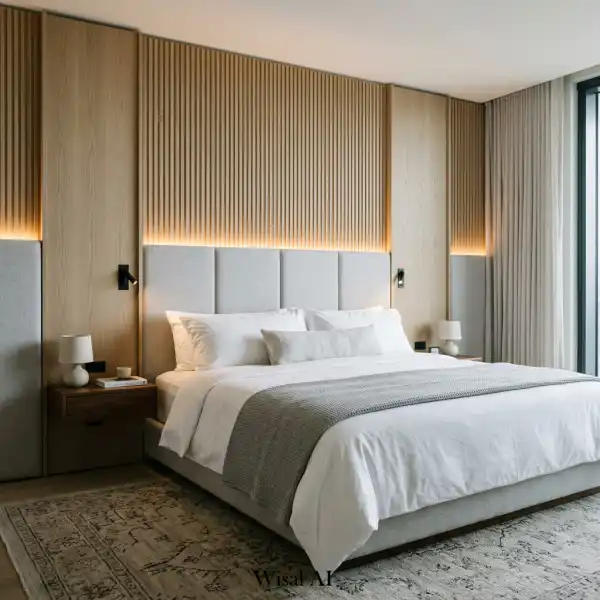
Every peaceful bedroom begins with a well-designed bed. The bed should naturally become the center of attention, helping the room feel organized and visually balanced from the moment you walk in. Position the bed where it feels anchored within the space, ideally allowing comfortable access from both sides whenever possible. Matching nightstands and bedside lamps create symmetry, which the human brain naturally associates with order and calmness. Upgrade your bedding by layering crisp sheets, a comfortable duvet, supportive pillows, and a textured throw blanket. High-quality fabrics such as cotton and linen not only improve comfort but also make the room feel more luxurious. A neatly made bed has a surprisingly positive psychological effect. It instantly communicates cleanliness, structure, and relaxation, setting the tone for the entire bedroom. When the bed feels inviting, the entire room becomes a place you genuinely look forward to spending time in.
3. Reduce Visual Clutter
One of the fastest ways to lower stress levels in any bedroom is by removing unnecessary visual distractions. Crowded nightstands, overflowing dressers, piles of clothing, tangled charging cables, and excessive decorative accessories create constant visual stimulation that can make the mind feel restless, even if you don't consciously notice it. Professional interior designers often embrace the philosophy that "less is more." Rather than filling every surface, they intentionally leave breathing room around decorative objects. A simple lamp, a small vase with fresh flowers, a favorite book, or a scented candle often creates more impact than a collection of unrelated items. Hidden storage is equally important. Use drawers, baskets, under-bed storage, or decorative boxes to keep everyday essentials organized but out of sight. Decluttering doesn't make a bedroom feel empty—it makes it feel intentional. A clean, organized environment encourages mental clarity, making it easier to relax at the end of a busy day.
4. Layer Your Lighting
Lighting plays a major role in how your bedroom feels throughout the day. Instead of relying on one bright ceiling fixture, create several layers of light that can be adjusted to suit different activities and moods. A combination of ceiling lighting, bedside lamps, wall sconces, and soft accent lighting creates a more comfortable atmosphere. Warm white bulbs between 2700K and 3000K are ideal because they produce a gentle glow that supports relaxation. Adding dimmer switches gives you even greater control, allowing bright lighting for getting dressed in the morning and softer lighting during the evening as your body prepares for sleep. Indirect lighting, such as LED strips behind a headboard or beneath floating furniture, adds depth without creating harsh shadows. Well-designed lighting transforms the bedroom into a peaceful retreat at any hour.
5. Introduce Natural Materials
Nature has a calming effect, and bringing natural materials into your bedroom is one of the easiest ways to create a more relaxing environment. Choose furniture made from natural wood whenever possible, and complement it with linen bedding, cotton throws, wool rugs, woven baskets, and ceramic accessories. These materials add warmth, softness, and authenticity that synthetic finishes often lack. Natural textures also create visual interest without relying on bright colors or busy patterns. Instead of overwhelming the senses, they encourage a quiet, grounded atmosphere. Even small details—such as a wooden tray, a handcrafted vase, or a woven storage basket—help connect the bedroom to nature. Rooms that incorporate organic materials often feel warmer, calmer, and more inviting, making them ideal spaces for rest and recovery.
6. Maximize Natural Light During the Day
Natural light has a powerful influence on both mood and overall well-being. A bedroom filled with daylight feels healthier, more open, and naturally uplifting, making it easier to maintain a positive daily routine. Professional interior designers often begin every bedroom project by finding ways to maximize available sunlight before introducing artificial lighting. Avoid placing tall wardrobes or bulky furniture directly in front of windows, as they block valuable daylight and make the room feel enclosed. Instead, keep window areas as open as possible so sunlight can travel freely throughout the space. Choose lightweight linen or sheer curtains that soften bright sunlight without completely blocking it. If privacy is important, layer sheer curtains with blackout drapes so you can enjoy daylight during the day while maintaining darkness for restful sleep at night. Mirrors can also help amplify natural light. Position a large mirror where it reflects a window rather than another wall, allowing sunlight to bounce deeper into the room and making the entire space appear brighter and more spacious. A bedroom that welcomes natural light during the day naturally feels more energetic in the morning and more peaceful in the evening.
7. Keep Furniture Layout Open and Balanced
The way furniture is arranged directly affects how comfortable a bedroom feels. Even expensive furniture can make a room feel stressful if the layout interrupts movement or creates unnecessary visual congestion. Start by positioning the bed in a location that feels stable and central. Leave enough walking space around both sides whenever possible, allowing the room to feel accessible and balanced. Avoid squeezing large furniture into small corners simply to maximize storage, as this often creates a cramped atmosphere. Choose furniture that fits the scale of the room instead of selecting oversized pieces that dominate the space. Slim-profile nightstands, floating shelves, and dressers with clean lines often work better than bulky traditional furniture in smaller bedrooms. Creating clear pathways encourages effortless movement throughout the room. When you can walk comfortably without navigating around obstacles, the bedroom automatically feels calmer and more organized. A balanced furniture arrangement also improves visual harmony, making the room appear thoughtfully designed rather than overcrowded.
8. Introduce Soft Layers and Comfortable Textures
Luxury and relaxation often come from texture rather than decoration. Professional designers create inviting bedrooms by layering different tactile materials that appeal to both sight and touch. A combination of crisp cotton sheets, linen duvet covers, chunky knit throws, velvet accent cushions, boucle benches, and soft wool rugs creates a rich sensory experience without relying on bold colors. The contrast between smooth and textured materials prevents neutral bedrooms from feeling flat. Instead of adding unnecessary decorative objects, layering fabrics creates warmth in a subtle and sophisticated way. Area rugs also contribute significantly to comfort by softening hard flooring and reducing noise throughout the room. Walking onto a plush rug first thing in the morning instantly makes the space feel more welcoming. Texture encourages relaxation because it creates visual richness while maintaining a calm color palette, allowing the bedroom to feel luxurious without becoming visually busy.
9. Reduce Technology Around the Bed
Modern bedrooms often contain televisions, laptops, tablets, charging stations, and countless electronic devices. While convenient, these items can quietly interfere with the peaceful atmosphere your bedroom is meant to provide. Professional interior designers increasingly recommend treating the bedroom as a place for rest rather than constant digital stimulation. If possible, remove televisions from the room entirely or position them inside cabinets where they remain hidden when not in use. Keep charging cables organized and out of sight using cable management systems or drawer organizers. Avoid placing work-related equipment beside the bed whenever possible. Creating a visual separation between work and relaxation helps your brain associate the bedroom with rest instead of productivity. Reducing visible technology doesn't mean giving up convenience—it simply helps preserve the calm atmosphere that supports better sleep and lower stress levels.
10. Add Plants for a Sense of Calm
Indoor plants bring life into a bedroom in a way few decorative accessories can. Their soft organic shapes contrast beautifully with the straight lines of furniture, helping the room feel more balanced and welcoming. Whether placed beside a window, on a dresser, or in an empty corner, greenery introduces freshness that immediately softens the overall design. Low-maintenance plants such as snake plants, pothos, ZZ plants, peace lilies, or rubber plants work particularly well in bedrooms because they require relatively little attention. Choose simple planters in ceramic, stone, or natural woven baskets that coordinate with your overall design style. Even one carefully selected plant can become a calming focal point while adding texture and natural color to the room. Nature has a remarkable ability to make interior spaces feel more peaceful, making plants one of the easiest upgrades for reducing everyday stress.
11. Keep Decorative Accessories Meaningful
Many homeowners believe adding more decorations automatically creates a more beautiful bedroom. In reality, excessive accessories often produce the opposite effect. Professional designers carefully edit every room until only the most meaningful objects remain visible. Instead of displaying dozens of decorative items, choose a few pieces that truly contribute to the atmosphere. A handcrafted ceramic vase, a favorite framed photograph, a scented candle, or a stack of beautiful books often creates greater impact than multiple unrelated ornaments. Spacing is equally important. Leaving empty areas around decorative objects gives the eye a place to rest while allowing each piece to stand out. Thoughtfully selected accessories add personality without overwhelming the room, helping maintain the peaceful feeling that defines luxury interiors.
12. Improve Bedroom Storage
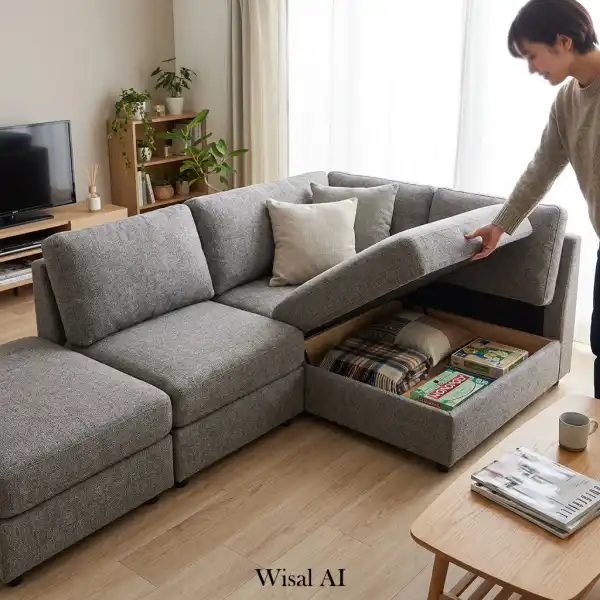
A calm bedroom is usually an organized bedroom. Visible clutter often begins with inadequate storage, making it difficult to keep everyday belongings neatly arranged. Invest in furniture that offers hidden storage whenever possible. Beds with storage drawers, nightstands with cabinets, storage benches, and well-organized wardrobes help reduce visual noise while improving daily functionality. Use drawer dividers, woven baskets, and decorative boxes to organize smaller items inside furniture rather than leaving them on display. When every object has a designated place, maintaining a tidy bedroom becomes much easier. Good storage isn't just practical—it directly contributes to a more relaxing and stress-free environment.
13. Choose Calming Artwork
Artwork influences the emotional atmosphere of a bedroom more than many people realize. Choose pieces that encourage relaxation rather than visual excitement. Soft landscapes, abstract paintings with muted colors, botanical illustrations, minimalist photography, or gentle nature scenes often complement peaceful bedroom interiors beautifully. Avoid artwork featuring intense color contrasts or chaotic compositions if your primary goal is creating a calming retreat. One large statement piece above the headboard usually creates a stronger and more elegant focal point than several small unrelated frames. Well-chosen artwork reinforces the overall mood of the room while expressing your personal style in a refined way.
14. Introduce Gentle Fragrance
A calming bedroom appeals to more than just the eyes. Subtle fragrance can enhance the feeling of comfort and relaxation, helping transform everyday routines into restorative experiences. Scented candles, essential oil diffusers, linen sprays, or dried lavender arrangements introduce pleasant aromas without overwhelming the senses. Popular relaxing fragrances include lavender, chamomile, sandalwood, cedarwood, vanilla, eucalyptus, and bergamot. The key is moderation. A light, natural fragrance supports the peaceful atmosphere, while overly strong scents may become distracting. Combining beautiful design with pleasant fragrance creates a bedroom that feels welcoming from the moment you enter.
15. Design for Simplicity Instead of Perfection
Perhaps the most important lesson professional interior designers understand is that a peaceful bedroom doesn't have to be perfect. Rather than chasing every new decorating trend, focus on creating a room that genuinely supports your everyday life. Choose timeless furniture instead of trendy pieces that quickly feel outdated. Invest in quality bedding you'll enjoy every night rather than buying unnecessary decorative accessories. Leave open space around furniture, embrace natural materials, and avoid filling every wall or shelf simply because you feel obligated to decorate it. Simplicity allows every carefully chosen element to breathe. It creates a sense of order that encourages both physical comfort and mental relaxation. Ultimately, the most calming bedrooms are not those filled with expensive furniture—they're the ones designed intentionally around comfort, balance, and daily well-being.
Conclusion
Designing a bedroom that reduces stress every day is about creating an environment that supports both your physical comfort and your mental well-being. While beautiful furniture and stylish décor certainly contribute to the room's appearance, it's the thoughtful combination of calming colors, natural light, balanced layouts, layered textures, and organized storage that truly transforms a bedroom into a peaceful retreat. Every design decision, no matter how small, influences how the room feels. Allowing more daylight to enter, reducing visual clutter, introducing natural materials, choosing meaningful artwork, and limiting technology all help create a quieter, more restorative atmosphere. These improvements don't require expensive renovations—they simply require intentional choices that prioritize comfort over excess. A bedroom should be more than just a place to sleep. It should become a space where you can disconnect from daily pressures, recharge your energy, and begin each new day feeling refreshed. By embracing simplicity, timeless design, and carefully selected details, you can create a bedroom that not only looks beautiful but also supports a calmer, healthier lifestyle every single day.
FAQs
1. What colors help create a stress-free bedroom?
Soft neutral shades such as warm white, beige, taupe, muted sage green, and dusty blue are known for creating a calming atmosphere.
2. Does natural light reduce stress in a bedroom?
Yes. Maximizing natural daylight helps make the room feel brighter, healthier, and more uplifting during the day.
3. How can I make my bedroom feel more relaxing without remodeling?
Declutter visible surfaces, improve lighting, add layered bedding, introduce natural materials, and simplify the furniture layout.
4. Are plants good for bedroom design?
Absolutely. Indoor plants soften the space, introduce natural beauty, and help create a peaceful, welcoming environment.
5. Should a bedroom have a television?
If possible, limiting visible technology including televisions can help preserve a calm atmosphere and encourage better relaxation.
6. What is the biggest mistake when designing a peaceful bedroom?
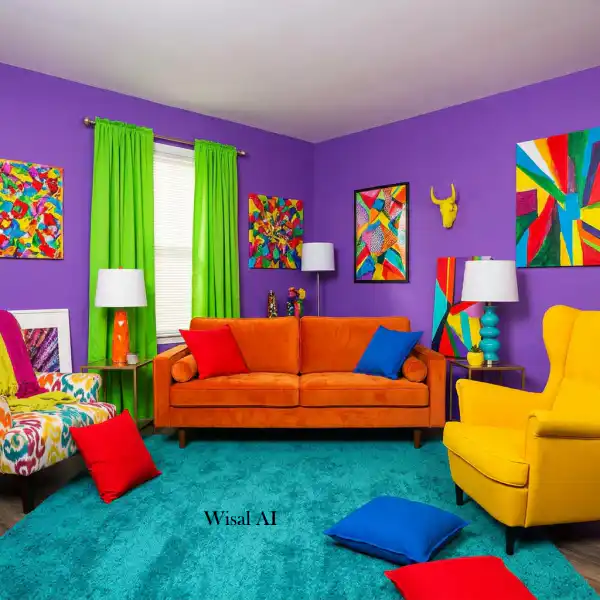
Overcrowding the room with furniture, decorations, bold colors, and visible clutter often creates unnecessary visual stress and reduces the sense of calm.