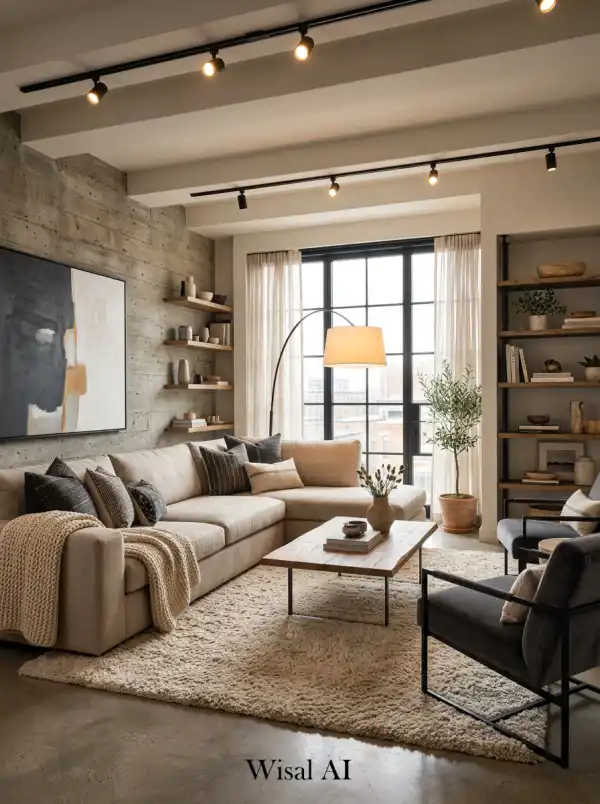
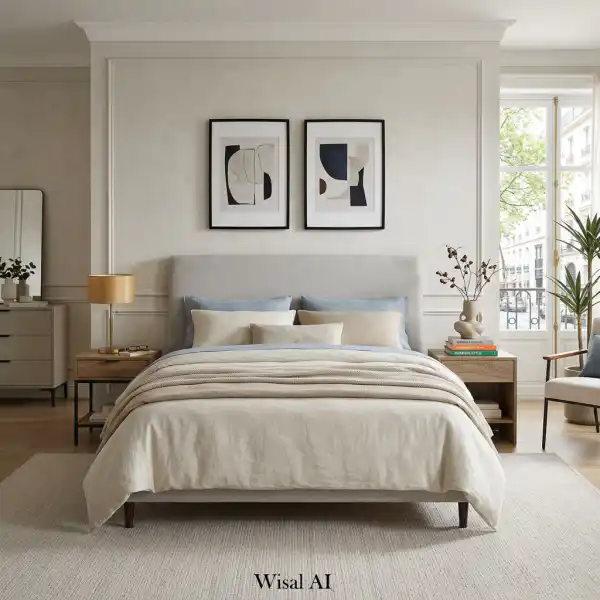
Your home should be more than just a place to live—it should be a space that helps you relax, recharge, and enjoy everyday life. While luxurious interiors often seem expensive or difficult to achieve, the truth is that a calm, bright, and elegant home is usually the result of thoughtful design rather than a large budget. Professional interior designers focus on balance, functionality, natural light, and carefully selected materials to create homes that feel welcoming from the moment you walk through the door. Many homeowners believe they need custom furniture, expensive renovations, or designer décor to achieve a high-end look. In reality, small design decisions often have the greatest impact. Choosing a cohesive color palette, improving lighting, reducing clutter, and arranging furniture with intention can completely transform the atmosphere of a home without requiring major structural changes. A well-designed home also supports the way you live. Every room should feel connected while serving its own purpose. Comfortable furniture, practical storage, layered textures, and thoughtful decorative details all contribute to an environment that feels peaceful rather than overwhelming. The result is a home that not only looks beautiful but also feels comfortable every single day. In this guide, you'll discover how to create a home that feels calm, bright, and luxurious using professional interior design principles that work in homes of every size. Whether you're decorating one room or refreshing your entire home, these ideas will help you build an interior that's timeless, functional, and effortlessly elegant.
1. Start with a Soft, Cohesive Color Palette
Color is the foundation of every successful interior. Before buying furniture or decorative accessories, establish a palette that flows naturally throughout your home. Professional designers often choose soft neutral shades such as warm white, ivory, beige, greige, taupe, or light gray because these colors reflect natural light and create an immediate sense of openness. They also provide a timeless backdrop that works with almost any decorating style. Using the same family of colors across multiple rooms creates continuity, making the entire home feel larger and more harmonious. Instead of treating every room as a completely separate project, think about how one space connects visually to the next. Accent colors should be introduced carefully through artwork, pillows, rugs, or decorative objects rather than large furniture pieces. This allows you to refresh your home easily without replacing expensive items. A calm color palette is one of the simplest ways to make any home feel brighter, more spacious, and significantly more luxurious.
2. Let Natural Light Become the Main Design Feature
Natural light instantly transforms the mood of any room. Instead of blocking windows with oversized furniture, heavy curtains, or dark decorative elements, allow daylight to flow freely throughout your home. Choose lightweight linen curtains or sheer panels that soften sunlight without preventing it from entering. If privacy is needed, layer blackout curtains behind the sheers so you can enjoy flexibility throughout the day. Mirrors positioned opposite windows help reflect daylight into darker areas, while glossy surfaces, glass furniture, and light-colored walls further increase brightness. Homes filled with natural light always feel cleaner, fresher, and more welcoming. Interior designers often begin every project by maximizing available daylight before selecting furniture or décor because lighting influences every other design decision.
3. Declutter Every Room Before Decorating
Luxury interiors rarely contain unnecessary items. Before introducing new furniture or accessories, remove anything that no longer serves a practical or decorative purpose. Clear countertops, organize shelves, simplify coffee tables, and hide everyday items inside attractive storage solutions. When surfaces remain uncluttered, the room immediately feels calmer and more spacious. Instead of displaying dozens of decorative objects, choose a few meaningful pieces with greater visual impact. Empty space is just as important as furniture because it allows each design element to stand out. Professional designers often spend as much time editing a room as they do decorating it. A clutter-free environment creates a peaceful atmosphere that enhances both comfort and beauty.
4. Invest in Quality Over Quantity
One carefully chosen piece of furniture often has greater impact than several inexpensive alternatives. Rather than filling your home with numerous decorative items, focus on purchasing well-made essentials that will remain beautiful for years. A comfortable sofa, solid wood dining table, upholstered bed, or timeless accent chair provides lasting value while creating a sophisticated foundation for your interior. Quality materials such as natural wood, linen, wool, marble, ceramic, and metal finishes also elevate the appearance of a room without requiring excessive decoration. Luxury isn't measured by how much you own. It's reflected in choosing fewer items that are functional, durable, and beautifully designed.
5. Layer Different Types of Lighting
Lighting dramatically influences how a home feels throughout the day and evening. Instead of relying solely on ceiling fixtures, combine several types of lighting to create warmth and depth. Table lamps, floor lamps, wall sconces, pendant lights, under-cabinet lighting, and subtle LED accent lighting all contribute to a layered environment. Warm white bulbs between 2700K and 3000K produce the most relaxing atmosphere for living spaces and bedrooms. Different lighting levels allow you to adjust the mood depending on the time of day or activity. Professionally designed homes almost always feature layered lighting because it adds dimension while making every room feel inviting.
6. Use Natural Materials to Add Warmth
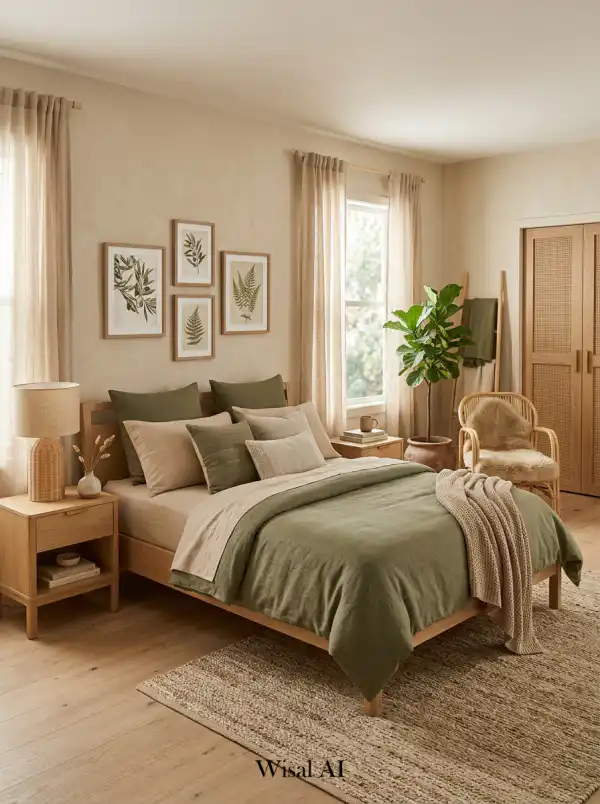
One of the defining characteristics of luxurious interiors is the thoughtful use of natural materials. Rather than filling a home with glossy synthetic finishes or overly decorative furniture, professional designers often rely on wood, stone, linen, cotton, wool, leather, ceramic, and woven textures to create warmth and authenticity. Natural oak or walnut furniture instantly makes a room feel more welcoming than heavily manufactured finishes. Linen curtains soften incoming daylight while adding movement and texture. Marble countertops, ceramic vases, travertine accessories, and handcrafted pottery introduce subtle elegance without feeling overly formal. The beauty of natural materials is that they age gracefully. Wood develops character over time, linen gains softness with use, and stone retains its timeless appeal for decades. These materials never feel trendy because they have been used in beautiful homes for generations. Even adding small natural details a wooden tray on a coffee table, a woven basket beside the sofa, or a stone bowl on a dining table can make your home feel calmer and more refined. The goal isn't to fill every room with expensive finishes but to create a balanced mix of textures that feels warm, comfortable, and connected to nature.
7. Arrange Furniture to Encourage Conversation
A beautiful room should also be enjoyable to live in. One mistake many homeowners make is arranging furniture around the television instead of around the people who use the space. While entertainment is important, a home should also encourage conversation, relaxation, and everyday interaction. Instead of pushing every piece of furniture against the walls, create seating groups where sofas and chairs naturally face one another. Leave comfortable walking paths between furniture while maintaining enough closeness for easy conversation. Coffee tables, side tables, and area rugs should visually connect the seating arrangement rather than simply filling empty space. In larger rooms, create multiple functional zones. For example, one area might be designed for entertaining guests while another becomes a quiet reading corner. Balanced furniture layouts improve both the appearance and functionality of a home, making each room feel more welcoming and thoughtfully designed.
8. Add Texture Instead of Too Much Color
Many people assume colorful interiors automatically feel more interesting. In reality, professional designers often rely more on texture than color to create depth. Imagine a living room filled with soft linen curtains, a boucle accent chair, a chunky knit throw, velvet cushions, natural wood furniture, woven baskets, and a plush wool rug. Even if every element shares a neutral palette, the room feels rich, layered, and visually engaging. Texture creates contrast without introducing visual chaos. Mix smooth materials with rough surfaces, soft fabrics with natural woods, matte ceramics with polished stone, and woven fibers with upholstered furniture. This layered approach creates interiors that feel luxurious because every surface offers a different visual and tactile experience. Rather than overwhelming a room with bright colors, allow texture to become the star of the design.
9. Decorate with Meaningful Pieces Instead of Filling Every Surface
One of the easiest ways to make a home feel luxurious is by resisting the temptation to decorate every available surface. Professional interiors rarely feature crowded shelves or tables covered with random decorative objects. Instead, every accessory is chosen intentionally. Display artwork that you genuinely enjoy, books you'll actually read, travel souvenirs with personal meaning, or handcrafted ceramics that add beauty to everyday life. Leave enough empty space between decorative objects so each item can be appreciated individually. This editing process allows your home to feel calm rather than overwhelming. Luxury design is not about owning more things—it is about choosing better things. Every object should either serve a practical purpose or contribute meaningfully to the atmosphere of the room.
10. Bring Nature Indoors
Nothing transforms a home quite like plants. Greenery introduces freshness, improves visual balance, and softens the clean architectural lines found in many modern interiors. Large indoor trees such as olive trees, fiddle leaf figs, or rubber plants create dramatic focal points in living rooms, while smaller plants work beautifully on shelves, coffee tables, and kitchen countertops. Fresh flowers also add elegance without requiring permanent decoration. Choose planters made from ceramic, terracotta, stone, or woven natural fibers to complement the rest of your interior. Besides their decorative value, plants create a stronger connection between indoor and outdoor spaces, making your home feel healthier and more peaceful. Even one thoughtfully placed plant can completely change the atmosphere of a room.
11. Keep Storage Hidden but Easily Accessible
Organization plays a major role in creating a calm home. Even beautifully designed rooms lose their elegance when everyday items remain visible. Instead of leaving chargers, paperwork, blankets, children's toys, and household essentials scattered throughout the house, integrate smart storage solutions into every room. Choose furniture with built-in storage, decorative baskets, closed cabinets, floating media units, and storage benches. Keeping everyday belongings out of sight immediately reduces visual stress while allowing decorative elements to become the focus. The best interiors always appear effortless because practical storage has been carefully planned behind the scenes. Hidden organization creates visible luxury.
12. Maintain Consistency from Room to Room
A luxurious home feels connected rather than fragmented. Instead of decorating each room with completely different colors, materials, and furniture styles, create continuity throughout the house. Repeat similar wood finishes, metal accents, textiles, and color palettes across multiple rooms. For example, the oak wood used in your dining table can appear again in bedroom furniture, shelving, or decorative accessories. Likewise, repeating warm neutral colors throughout the home creates a seamless transition from one space to another. Consistency doesn't mean every room must look identical. It simply means every room should feel like part of the same thoughtfully designed home. This subtle harmony makes even modest homes feel professionally planned.
13. Choose Timeless Design Over Temporary Trends
Trends can provide inspiration, but building an entire home around them often leads to expensive redesigns only a few years later. Professional designers usually invest in timeless foundations—neutral walls, quality furniture, natural materials, and classic architectural details. Current trends are then introduced through smaller decorative elements such as cushions, artwork, throws, or seasonal accessories that can easily be updated. This strategy keeps your home feeling current without requiring constant renovations. Timeless interiors remain beautiful year after year because they focus on lasting quality instead of short-term fashion. Elegance is never rushed. It develops through careful choices that continue to look beautiful regardless of changing trends.
14. Design Every Room for Everyday Comfort
Some homes look beautiful in photographs but feel uncomfortable in daily life. True luxury combines appearance with functionality. Choose sofas that encourage relaxation, dining chairs that remain comfortable during long meals, bedrooms that promote restful sleep, and workspaces that improve productivity. Consider how each room is actually used before making decorating decisions. Practical layouts, supportive seating, sufficient lighting, and thoughtful storage all contribute to a home that's enjoyable every single day. When comfort becomes part of the design process, beauty naturally follows. Your home should support your lifestyle instead of forcing you to adapt to the furniture.
15. Slow Down and Edit Your Home Over Time
Perhaps the most important lesson professional designers understand is that beautiful homes are rarely completed in a single weekend. Instead of rushing to fill every empty wall or purchasing furniture simply to complete a room, allow your home to evolve gradually. Live in each space, observe how you use it, and make thoughtful improvements over time. Replace lower-quality items as your budget allows, invest in timeless pieces you'll enjoy for years, and remove anything that no longer contributes to the atmosphere you want to create. Editing is just as important as decorating. Often, removing one unnecessary object improves a room more than adding another decorative accessory. The most luxurious homes feel collected rather than purchased all at once. Patience, thoughtful decision-making, and attention to detail are what ultimately transform a house into a calm, bright, and welcoming home.
Conclusion
Creating a home that feels calm, bright, and luxurious doesn't depend on the size of your house or the amount of money you spend. It begins with thoughtful decisions that prioritize balance, comfort, and simplicity. Soft neutral colors, abundant natural light, layered lighting, quality materials, organized storage, and meaningful décor all work together to create an environment that feels peaceful and inviting. The most memorable interiors aren't filled with expensive furniture or excessive decoration. Instead, they rely on timeless design principles that allow every room to breathe. Natural textures, carefully arranged furniture, cohesive color palettes, and uncluttered spaces help your home feel larger, brighter, and more connected. Remember that luxury is not about perfection. It's about creating spaces that support your daily life while bringing a sense of comfort and beauty to every moment. By decorating with intention, investing in quality, and allowing your home to evolve over time, you can create an interior that remains elegant, functional, and welcoming for many years to come.
FAQs
1. How can I make my home feel more luxurious on a budget?
Focus on decluttering, improving lighting, using neutral colors, adding natural textures, and investing in a few high-quality statement pieces.
2. What colors create a calm and relaxing home?
Warm white, ivory, beige, greige, taupe, soft gray, and muted earth tones create a peaceful atmosphere while reflecting natural light.
3. Why do natural materials make a home feel more luxurious?
Materials like wood, stone, linen, wool, and ceramic add warmth, texture, durability, and timeless character that synthetic materials often cannot match.
4. How do interior designers make homes feel brighter?
They maximize natural light, use mirrors strategically, choose light color palettes, layer lighting, and minimize visual clutter.
5. Should every room in my home have the same style?
Not exactly, but maintaining similar colors, materials, and design elements creates a cohesive and harmonious flow throughout the home.
6. What's the biggest mistake when decorating a home?
Filling every space with unnecessary furniture and décor instead of focusing on balance, comfort, functionality, and thoughtful design.