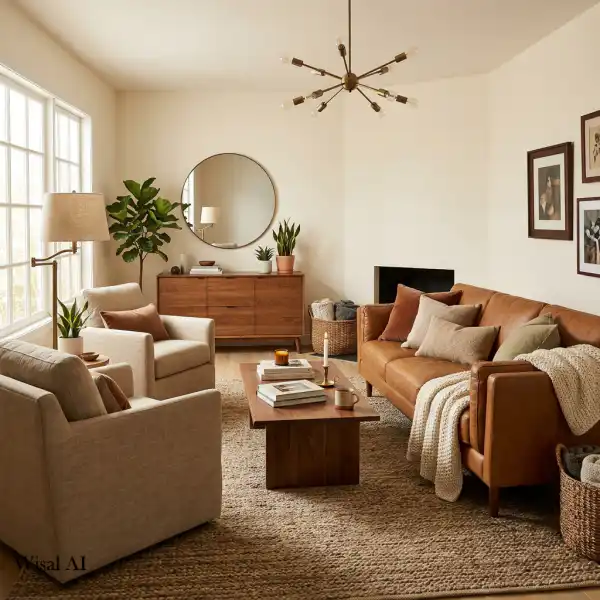
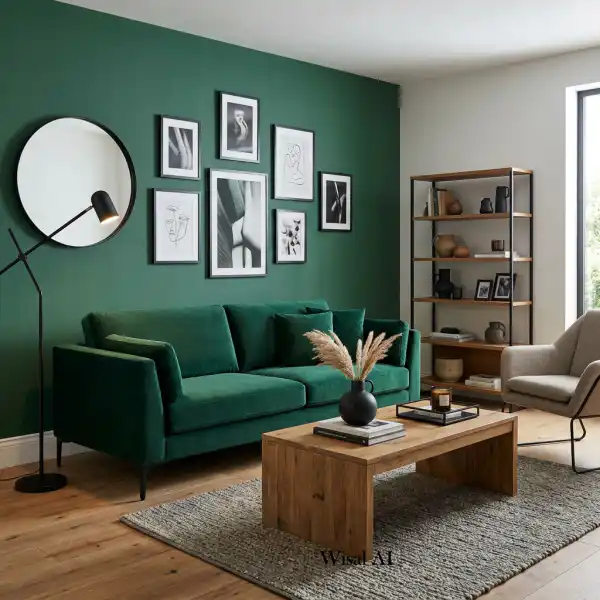
True luxury is no longer defined by excess it is defined by how a space makes you feel. In modern interior design, the most powerful rooms are not the most decorated, but the most thoughtfully balanced. This is exactly where the Luxury Farmhouse style stands out. There is something deeply comforting about this aesthetic. It takes the raw honesty of rustic materials and elevates them with a refined, modern sensibility. One of its most striking features is the architectural presence of a coffered wood ceiling. It doesn’t just decorate the room it shapes it, adding rhythm, depth, and a quiet sense of grandeur that immediately draws the eye upward. But what makes this style truly special is contrast. The softness of linen fabrics against the strength of reclaimed wood. The warmth of natural stone paired with clean, tailored furniture. The balance between old-world texture and modern simplicity creates a space that feels both elevated and deeply lived-in. In this collection of 30 Luxury Farmhouse Living Room Ideas, we explore how rustic character and modern elegance come together to form interiors that feel warm, timeless, and architecturally rich. From bold structural ceilings to subtle layered textures, each idea reveals how comfort and sophistication can exist in perfect harmony. This is not just farmhouse design it is a redefinition of modern rustic luxury.
Design Tip: When working with dark walls and heavy wood ceilings, utilize Warm Dim LED technology. This allows the light to shift from 3000. K to a warmer 1800. K as it dims, mimicking the natural amber hue of candlelight and fire.
.Design Tip: For high-ceiling spaces, choose a low-profile sofa to emphasize the verticality of the room. This makes the wood-coffered ceiling feel more like a floating canopy rather than a heavy lid
Design Tip: Use Up-lighting on the walls or top of bookshelves to bounce light into the wood coffers. This prevents the ceiling from looking flat or dark during the evening.
Design Tip: For this dark, dramatic palette, use layered lighting (ambient, task, accent) and a variety of textures (leather, stone, wood, velvet) to prevent the space from feeling too heavy. Opt for rich, deep colors with warm undertones.
Design Tip: For a bright, airy space, pair light wood or white coffered ceilings with light-colored walls (creams, light greys). Use metallic accents (silver, polished concrete, glass) to add glamour and reflect light, balancing the rustic elements.
Design Tip: Achieve a modern look by simplifying the lines of the coffered ceiling and combining sleek, modern furniture (like a white slipcovered sofa) with natural, raw textures (rough wood, sandstone, jute). Stick to a limited color palette of earth tones.
Design Tip: When dealing with high ceilings, use larger-scale lighting fixtures (like the lantern chandelier) and tall architectural elements (like the fireplace and arched doorways) to fill the vertical space. Replicate wood tones from the ceiling in other furniture.
Design Tip: For a classic high-contrast look, pair dark wood ceiling beams with white ceiling panels and walls. Replicate the white with crisp, clean furniture (like white leather or velvet) for a modern, sophisticated edge.
Design Tip: If using a deep, dark color for built-ins or a ceiling, balance it with warm, inviting earth tones (like forest green, tobacco, jewel tones). Use extensive task and accent lighting to showcase the built-in and prevent the room from feeling dark.
Design Tip: For a relaxed, natural feel, stick to light-colored woods (like weathered pine, white oak) and a soft, natural color palette (cream, sage green, natural jute). Use large, comfortable, overstuffed furniture and lots of natural light.
Design Tip: Achieve a transitional look by pairing traditional architecture (like a dark, detailed coffered ceiling) with sleek, modern furniture (like a concrete table, charcoal wool sofa). Keep the color palette neutral but introduce depth with rich colors in small doses (rug, drapes).
Design Tip: In a bright, modern room, use metallic accents (like brass) to add luxury. Contrast light wood elements (ceiling, floor, coffee table) with dark accents (bookshelves, window frames, leather chairs) for a dynamic, high-design feel. Layer with various textures.
Professional Advice: When using dark cabinetry and heavy ceilings, balance the visual weight by using a light-reflecting floor or a neutral, high-pile rug. Ensure your recessed lighting is dimmable to shift the mood from functional daytime to an intimate evening glow.
Professional Advice: When combining stone and wood, ensure one material leads. If the stone wall is busy, keep the furniture fabrics simple and monochromatic to avoid a cluttered visual environment.
Professional Advice: Use matte finishes for white-washed wood to keep it looking authentic. A glossy finish on a farmhouse ceiling can look artificial and cheap. Contrast the white wood with black metal hardware for a modern edge.
Professional Advice: Industrial styles can feel cold. Soften the space with organic elements like large indoor trees (Fiddle Leaf Fig or Olive) and textured rugs to bridge the gap between factory and farmhouse.
.Professional Advice: Transitional design is about balance. Since the ceiling is traditional, keep the furniture silhouettes modern and clean. Use metallic accents (brass or gold) in the lighting to add a Luxury feel to the rustic wood.
Design Insight: When working with dark coffered ceilings and stone, balance the weight by using floor-level lighting or low-sitting furniture. This prevents the ceiling from feeling oppressive and creates a grounded, intimate sanctuary.
Design Insight: To make leather furniture feel luxurious rather than heavy, incorporate greenery like a fiddle-leaf fig or potted ferns. The organic green breaks the monochromatic brown tones and adds life to the architectural rigidity.
Design Insight: In double-height spaces, the coffered ceiling acts as a lid that prevents the room from feeling cold. Use a rug that is slightly larger than the seating area to zone the living room within the larger open floor plan.
Design Insight: Dark walls require reflective layers to avoid looking flat. Use metallic accents (gold, brass, or bronze) and glass candle holders to catch the light and create a sense of depth and luxury in the shadows.
Design Insight: When using bouclé or light fabrics, ensure your wood tones have enough red or yellow warmth to prevent the room from feeling sterile. The wood ceiling is the anchor that makes the white furniture feel intentional.
Design Insight: Symmetry is key in Japandi design. Align your light fixtures with the center of the coffered grid to create a sense of balance and zen-like order within the architectural shell.
Design Insight: Mixing stone and wood can feel busy. To simplify, keep your color palette to three main tones: Grey (Stone), Brown (Wood), and Cream (Fabric). This ensures the room feels cohesive rather than cluttered.
In the pursuit of the perfect home, the Luxury Farmhouse living room stands as a testament to the idea that grandeur and comfort are not mutually exclusive. By anchoring your space with the rhythmic, architectural power of a wood coffered ceiling, you create more than just a beautiful room—you establish a legacy of timeless design. It is in the deliberate contrast between the rugged, hand-hewn textures of the earth and the refined elegance of modern luxury where a house truly begins to feel like a sanctuary. As you curate your own space, remember that every choice—from the weight of a bouclé fabric to the grain of a walnut beam—contributes to a larger narrative of sophisticated warmth. Let these 30 masterfully designed spaces serve as your blueprint for a home that doesn’t just follow a trend, but sets a standard. Embrace the raw, celebrate the refined, and transform your living area into an enduring masterpiece of rustic opulence. Your journey to a home that balances soul and style starts with the very first beam.
27. Oversized Linen Sofas for Soft Rustic Luxury
In a luxury farmhouse living room, comfort is just as important as aesthetics. Oversized linen sofas bring a sense of effortless softness that balances the stronger architectural elements of the space. Their relaxed silhouette, natural texture, and neutral tones create a grounded atmosphere that feels both welcoming and refined. This type of seating encourages relaxation while maintaining a high-end, curated look. Design Tip: Stick to warm neutrals like ivory, sand, or soft beige to keep the palette cohesive and timeless.
28. Reclaimed Wood Coffee Tables as a Statement Centerpiece
A reclaimed wood coffee table adds authenticity and character to a farmhouse living room. Each piece carries natural imperfections, grain variations, and history that make it visually rich and unique. When placed in a refined interior, it becomes a grounding focal point that contrasts beautifully with softer upholstery and modern lighting elements. It bridges rustic tradition with contemporary luxury. Design Tip: Pair with minimal décor on top to let the natural beauty of the wood stand out.
29. Layered Natural Textures for Depth and Warmth
Luxury farmhouse design thrives on texture rather than excess decoration. Layering materials like linen, wool, stone, jute, and raw wood creates visual depth and tactile richness. These textures interact with natural light throughout the day, giving the space a constantly evolving sense of warmth and softness. The result is a living room that feels alive, grounded, and emotionally comforting. Design Tip: Combine no more than 3–4 dominant textures to maintain visual harmony.
30. Warm Ambient Lighting with Artisan Fixtures
Lighting plays a defining role in luxury farmhouse interiors. Instead of harsh overhead lights, warm ambient lighting from artisan fixtures creates mood, intimacy, and softness. Handcrafted chandeliers, iron sconces, and warm-toned pendant lights enhance the rustic elegance of the space while adding a layer of sophistication. Lighting becomes part of the architecture rather than just a functional element. Design Tip: Use multiple light sources at different heights to create depth and a cozy evening atmosphere.
Conclusion
A Luxury Farmhouse living room is more than a design style it’s a feeling of warmth, balance, and timeless beauty. It’s where rustic textures meet modern elegance, and every detail quietly tells a story of comfort and sophistication. From coffered wood ceilings to soft linen sofas and warm ambient lighting, each element works together to create a space that feels both grounded and elevated. At the end of the day, true luxury isn’t about how a room looks it’s about how it makes you feel the moment you walk in. Let these 30 Luxury Farmhouse living room ideas inspire you to create a home that feels cozy, elegant, and unforgettable.
FAQ
1. What defines a Luxury Farmhouse living room?
A Luxury Farmhouse living room blends rustic natural materials like wood and stone with modern elegant finishes to create a warm yet sophisticated space.
2. How do I make a farmhouse living room look more luxurious?
Use high-quality natural materials, layered textures, warm ambient lighting, and statement architectural elements like coffered ceilings or large wood beams.
3. What colors work best for Luxury Farmhouse interiors?
Neutral tones such as warm white, beige, ivory, taupe, and soft greys paired with natural wood finishes work best for this style.
4. Can Luxury Farmhouse work in modern homes?
Yes. It blends perfectly with modern architecture by softening clean lines with warm textures and organic materials.
5. What furniture suits a Luxury Farmhouse living room?
Oversized linen sofas, reclaimed wood coffee tables, leather armchairs, and rustic yet refined statement pieces work best.
6. Is lighting important in farmhouse luxury design?
Absolutely. Warm layered lighting from chandeliers, sconces, and floor lamps is essential to create depth and atmosphere.
7. How do I avoid making farmhouse design look outdated?
Keep the design minimal, use clean lines, and mix rustic elements with modern luxury finishes.
8. What is the key element of Luxury Farmhouse style?
Balance—between rustic texture and modern elegance, between warmth and architectural structure.