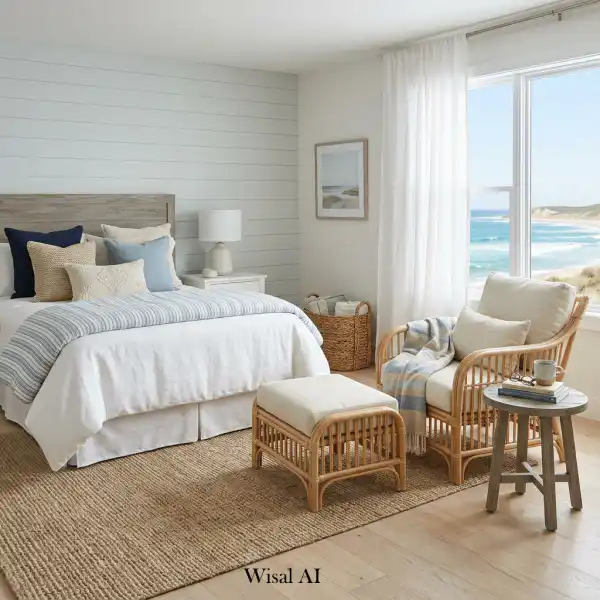
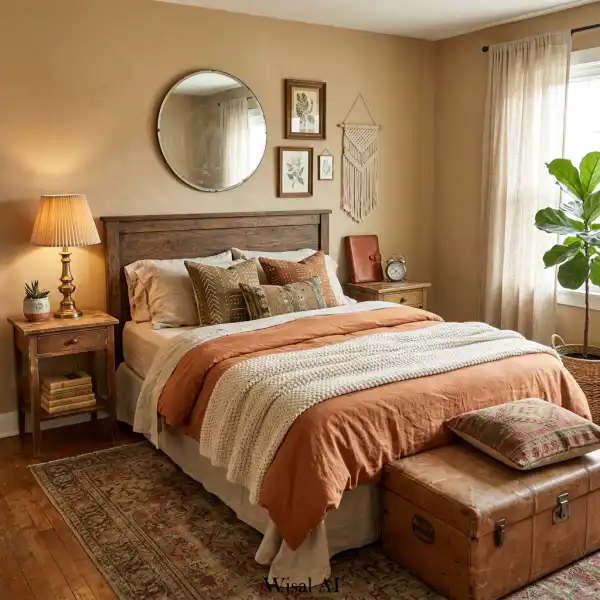
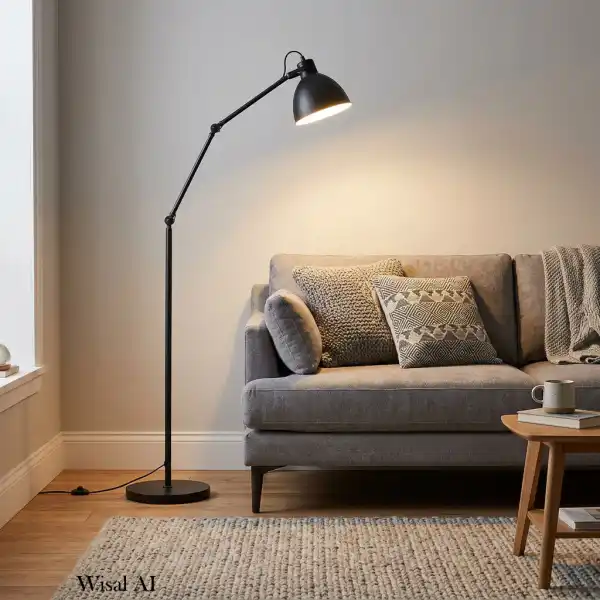
A moody living room is more than just a dark color palette or dramatic lighting. It’s a carefully designed atmosphere where every detail works together to create emotion, depth, and comfort. Unlike traditional bright interiors, moody design focuses on feeling over visibility. It’s about how a space makes you feel when you walk into it—calm, grounded, and slightly cinematic.
In modern interior design, this style has become extremely popular because it transforms the living room from a simple functional space into a personal retreat.
The secret to achieving this look like a professional interior designer is not just using dark colors, but mastering three key elements:
Controlled contrast Warm layered lighting Rich material texture
In this guide, we will break down exactly how to design a moody living room step by step, using real design principles that professionals rely on.
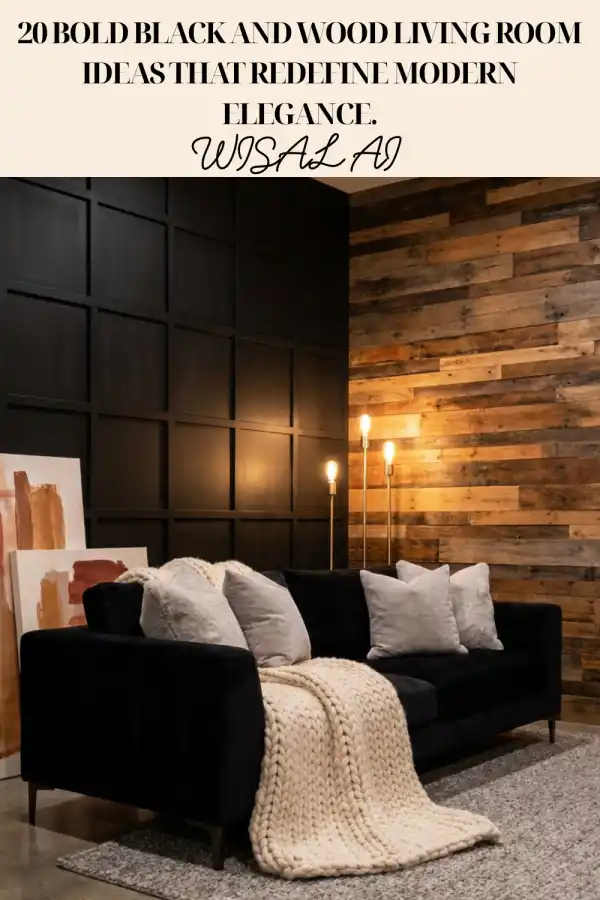
1. Moody Living Room with Dramatic Contrast Lighting
Moody interiors start with contrast. Without contrast, dark spaces feel flat and lifeless. The combination of deep walls and warm lighting creates a visual tension that feels luxurious and intentional.
Tip: Always pair dark surfaces with warm light sources to avoid a heavy or flat atmosphere.
2. Modern Minimal Moody Living Room
Minimalism plays a huge role in moody design. When done correctly, it enhances emotional impact instead of removing it. Simple furniture and clean layouts allow lighting and shadows to become the main design elements.
Tip: Less visual clutter always increases emotional depth.
3. Luxury Moody Living Room with Fireplace Glow
Fireplaces are one of the strongest emotional tools in interior design. The natural flickering light adds warmth, movement, and life. They instantly turn a room into a cozy, cinematic environment.
Tip: Use the fireplace as the central focal point of the room.
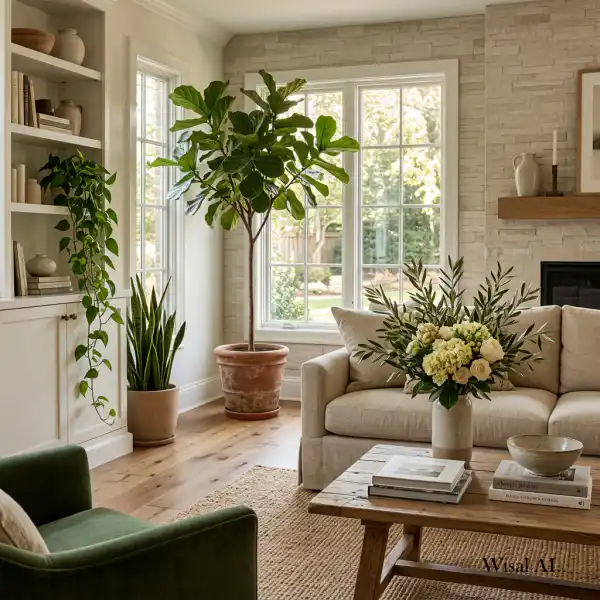
4. Moody Living Room with Indoor Plants Contrast
Plants introduce life into dark interiors. The contrast between green tones and deep backgrounds creates balance and freshness.
Tip: Use plants to soften heavy or dark compositions.
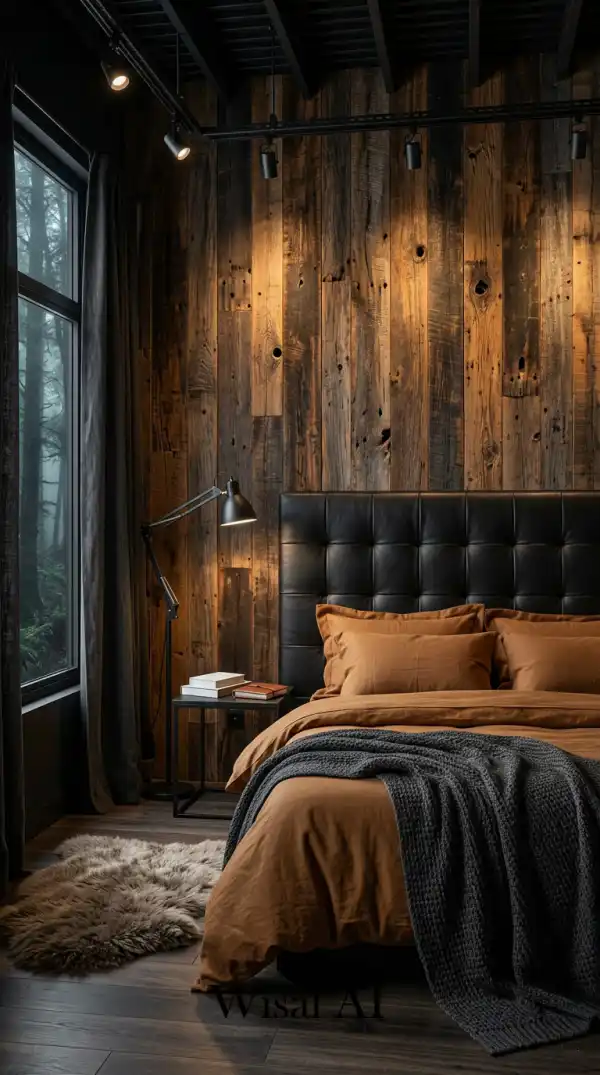
5. Rustic Moody Living Room with Wood Texture
Wood is essential in moody interiors because it brings natural warmth and reduces the cold feeling of dark palettes. It also adds authenticity and depth.
Tip: Natural imperfections in wood make the design feel more real.
6. Ultra Dark Modern Moody Interior
Some moody designs go extremely dark, relying heavily on lighting control instead of color variation. Here, lighting becomes the main “material” of design.
Tip: Use highlights carefully to define space and avoid visual loss.
7. Warm Lighting Focus Moody Room
Lighting is the emotional core of moody interiors. Without it, even a well-designed room feels empty. Warm tones create comfort instead of brightness.
Tip: Stick to warm color temperature between 2700K–3000K.
8. Moody Living Room with Large Windows Shadows
Natural light plays a surprising role in moody interiors. When controlled properly, it creates soft, moving shadows that enhance depth.
Tip: Use curtains to diffuse light instead of blocking it.
9. Dark Elegance Velvet Interior
Velvet adds softness and luxury to dark spaces. It reflects light subtly and enhances richness.
Tip: Combine velvet with metallic accents for premium contrast.
10. Soft Neutral Moody Living Room
Not all moody spaces are dark. Neutral tones can also create emotional depth when layered correctly.
Tip: Use multiple shades of the same color for richness.
11. Industrial Moody Living Room
Industrial materials like concrete and metal add structure and bold character to moody spaces.
Tip: Always balance hard materials with warm lighting.
12. Reflective Luxury Moody Space
Reflective surfaces like marble or glossy finishes increase visual depth and make the space feel more dynamic.
Tip: Avoid overusing reflections to keep balance.
13. Cinematic Night Mood Living Room
At night, moody living rooms become highly cinematic. Lighting and shadows define the entire atmosphere.
Tip: Combine indoor warm light with outdoor night light for depth.
14. Cozy Reading Corner Moody Style
Small corners inside a living room add emotional intimacy and comfort. These areas make the space feel more personal and human.
Tip: Focus lighting on a single activity zone.
15. Artistic Moody Living Room Concept
Art gives identity to moody interiors. One strong piece can define the entire space.
Tip: Choose one bold artwork instead of many small decorations.
Conclusion
Designing a moody living room is not about following strict rules—it’s about understanding atmosphere. When you balance contrast, lighting, texture, and space correctly, the result is a living room that feels emotional, cinematic, and deeply personal.
This is exactly how luxury interior designers create spaces that feel timeless rather than trendy.
FAQ
What is a moody living room?
A moody living room is an interior design style that focuses on creating atmosphere through deep colors, layered lighting, texture contrast, and emotional depth rather than brightness or decoration.
Is moody interior design suitable for small living rooms?
Yes, but it must be done carefully. Small spaces can look moody and cozy if you use controlled lighting, lighter accent tones, and avoid overwhelming dark walls without contrast.
What colors work best for a moody living room?
The best colors are muted and deep tones such as charcoal gray, olive green, warm brown, navy blue, and soft beige. These colors absorb light and create depth.