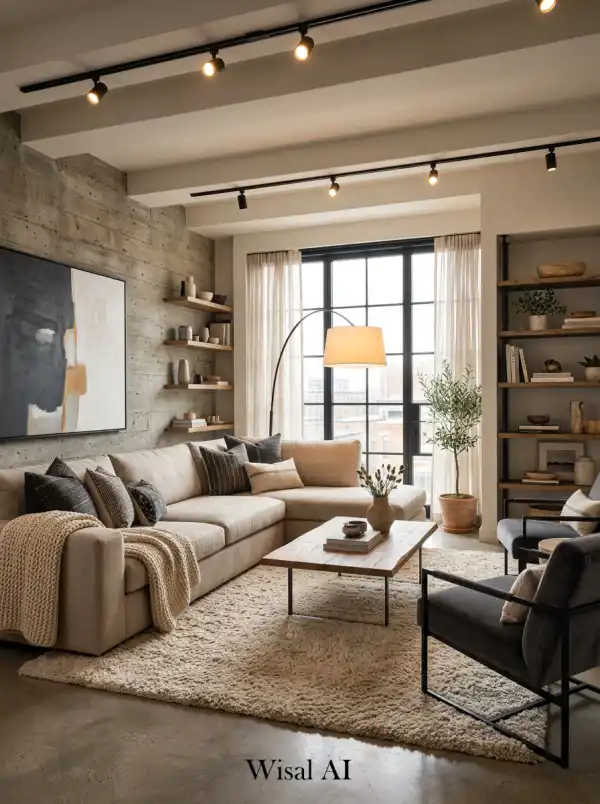
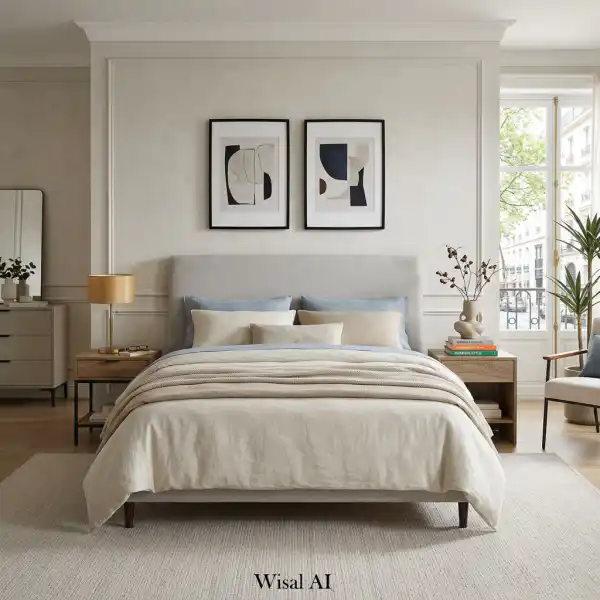
Spring has a way of changing how a living room feels. After months of heavier textures and darker tones, the season naturally invites more light, softness, and openness into the home. It is a time when spaces begin to breathe again when sunlight feels warmer, colors feel lighter, and interiors start to reflect a sense of renewal. Unlike winter interiors that focus on depth and coziness, spring living rooms are defined by freshness and effortless elegance. The goal is not to completely redesign the space, but to gently shift its atmosphere. Lighter fabrics replace heavy layers, natural light becomes a key design element, and soft neutral palettes are enhanced with subtle hints of nature. What makes spring design so powerful is its simplicity. A well-placed linen sofa, a sheer curtain moving with the breeze, or a fresh arrangement of natural greenery can completely transform the feeling of a room without overwhelming it. In many ways, spring interiors represent a return to balance spaces that feel calm, airy, and connected to the outdoors while still maintaining a quiet sense of luxury. These 25 Spring Living Room Ideas explore how light, texture, color, and natural materials can work together to create a fresh and airy luxury atmosphere that feels both modern and timeless.
1. Spring Living Room with Floor-to-Ceiling Natural Light
Nothing defines spring interiors more than natural light. Large windows that allow sunlight to flood the space instantly create a sense of openness and freshness. The brightness softens edges, enhances colors, and makes even minimal interiors feel alive. In luxury spring design, light is treated as a material itself one that shapes mood and space throughout the day. Design Tip: Keep window areas uncluttered to maximize daylight and maintain a clean visual flow.
2. Airy Spring Living Room with Soft Linen Textures
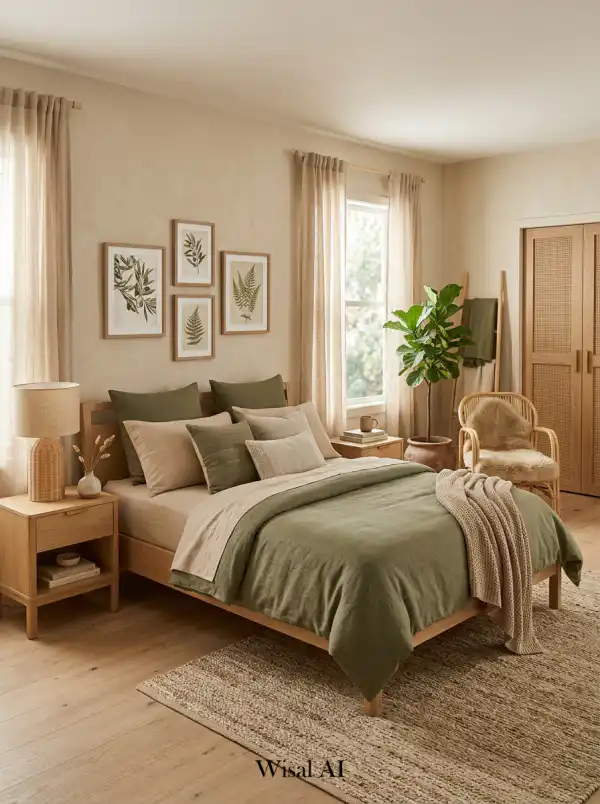
Linen is one of the most essential materials in spring interior design. Its lightweight texture introduces softness without visual heaviness, making it perfect for sofas, cushions, and curtains. As natural light interacts with linen, it creates a subtle movement that enhances the airy atmosphere of the room. This fabric helps shift the living room away from winter heaviness toward a lighter seasonal mood. Design Tip: Stick to neutral tones like ivory, sand, and warm beige for a timeless spring look.
3. Fresh Spring Living Room with Neutral Color Harmony
A spring-inspired palette is all about balance and subtle variation. Instead of bold contrasts, soft whites, warm creams, light taupes, and muted earthy tones create a calm and harmonious environment. These shades reflect light beautifully and give the room a clean, refreshing feel. When layered correctly, neutrals feel anything but plain they feel sophisticated and intentional. Design Tip: Use at least three complementary neutral shades to build depth.
4. Luxury Spring Living Room with Natural Green Accents
Greenery is one of the simplest ways to introduce spring energy into a living room. Indoor plants, olive branches, or fresh floral arrangements instantly bring life into the space. The organic shapes soften architectural lines and create a stronger connection to nature. This subtle use of color keeps the design fresh without disrupting its elegance. Design Tip: Choose natural, understated arrangements rather than overly decorative floral displays.
5. Spring Living Room with Sheer Curtains and Soft Movement
Sheer curtains are a defining feature of airy spring interiors. They allow sunlight to filter gently into the room while adding softness and motion to the space. As they move with natural airflow, they create a calming rhythm that enhances the relaxed atmosphere. This detail helps make the living room feel light, fluid, and emotionally comfortable. Design Tip: Opt for white or warm ivory sheers to maintain brightness and elegance.
6. Spring Living Room with Lightweight Layered Textiles
Spring interiors are all about reducing visual weight while still maintaining comfort and depth. Instead of heavy winter blankets and dense fabrics, the focus shifts to lightweight layering. Thin throws, breathable cotton cushions, and soft textured fabrics create a sense of comfort without overwhelming the space. The key is to let the room feel dressed, but never heavy. This layering approach adds subtle richness to the living room while still keeping it fresh and airy. As light moves across different fabrics throughout the day, the space feels dynamic, soft, and naturally elegant. Design Tip: Mix different lightweight fabrics in similar tones to maintain harmony without visual clutter.
7. Airy Spring Living Room with Open Layout and Flowing Space
One of the most important elements of spring design is spatial freedom. An open layout allows light, air, and movement to travel easily through the room, creating a feeling of expansion and calm. Instead of filling every corner with furniture, the design embraces negative space as an active part of the composition. This sense of openness is what makes spring living rooms feel so refreshing compared to heavier seasonal interiors. Furniture placement becomes more intentional, allowing each piece to “breathe” within the space. Design Tip: Avoid overcrowding the room leave clear visual pathways between furniture pieces.
8. Fresh Spring Living Room with Soft Pastel Accents
While neutral tones remain the foundation of spring interiors, soft pastel accents can introduce a subtle sense of freshness and personality. Muted shades like dusty blush, pale sage, soft lavender, or light sky blue add gentle contrast without overpowering the calm atmosphere. These colors should feel like a natural extension of the palette rather than a bold statement. When used correctly, pastels enhance the airy quality of the room and bring a quiet seasonal identity to the space. The result is a living room that feels refreshed, balanced, and emotionally uplifting. Design Tip: Use pastel tones sparingly through cushions, artwork, or small decorative objects.
9. Luxury Spring Living Room with Natural Wood and Light Finishes
Natural wood plays a crucial role in grounding the lightness of spring interiors. Light finishes such as white oak, ash, or bleached wood introduce warmth without heaviness. These materials add structure and texture while maintaining the airy feeling that defines the season. The combination of natural wood and soft spring light creates a timeless balance between comfort and elegance. It brings a sense of authenticity to the space, making it feel both designed and naturally effortless. Design Tip: Choose matte or raw wood finishes to preserve a soft, organic aesthetic.
10. Spring Living Room with Botanical-Inspired Styling
Spring design is deeply connected to nature, and botanical-inspired styling helps reinforce that connection in a refined way. Instead of overly decorative arrangements, the focus is on simple, organic elements—fresh branches, minimal floral compositions, and natural greenery placed intentionally throughout the room. These elements should feel like they belong to the space rather than being added as decoration. This approach introduces life, movement, and subtle color variation while maintaining elegance. It transforms the living room into a calm, nature-inspired environment that feels alive but never busy. Design Tip: Stick to natural shapes and avoid overly structured floral arrangements for a more authentic look.
11. Spring Living Room with Soft Sculptural Furniture Forms
Spring interiors feel more refined when the furniture itself reflects softness in shape rather than heaviness in material. Curved sofas, rounded armchairs, and organically shaped coffee tables introduce a gentle visual flow that mirrors the lightness of the season. These sculptural forms help break the rigidity of straight lines and create a more relaxed spatial rhythm. Instead of dominating the room, the furniture becomes part of a calm composition that feels natural and effortless. This approach adds a subtle luxury layer without relying on decoration or color. Design Tip: Choose furniture with rounded edges and soft silhouettes to enhance visual comfort.
12. Airy Spring Living Room with Minimal Decorative Styling
Spring is the perfect season to embrace intentional simplicity in styling. Rather than filling surfaces with objects, the focus shifts to carefully curated décor that leaves space for visual breathing. A few well-placed pieces such as a ceramic vase, a sculptural object, or a stack of books can define the entire mood of the room. This minimal approach enhances the feeling of clarity and freshness, making the space feel more organized and emotionally calming. Luxury in this context is expressed through restraint rather than abundance. Design Tip: Follow the “less but better” principle and avoid overcrowding surfaces.
13. Spring Living Room with Light Reflective Surfaces
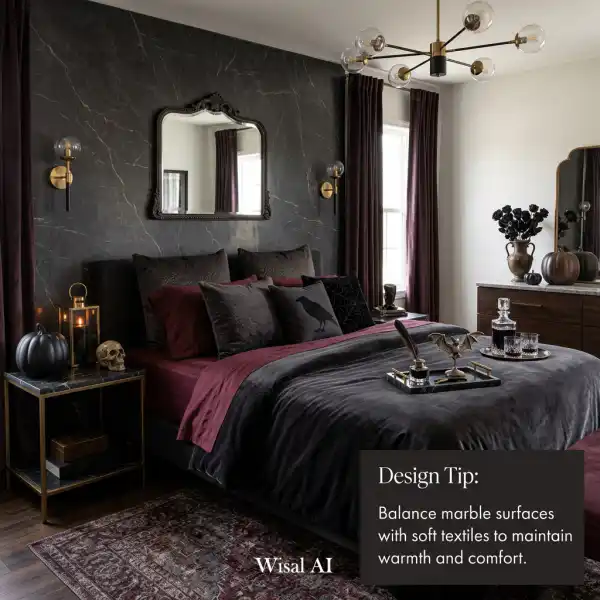
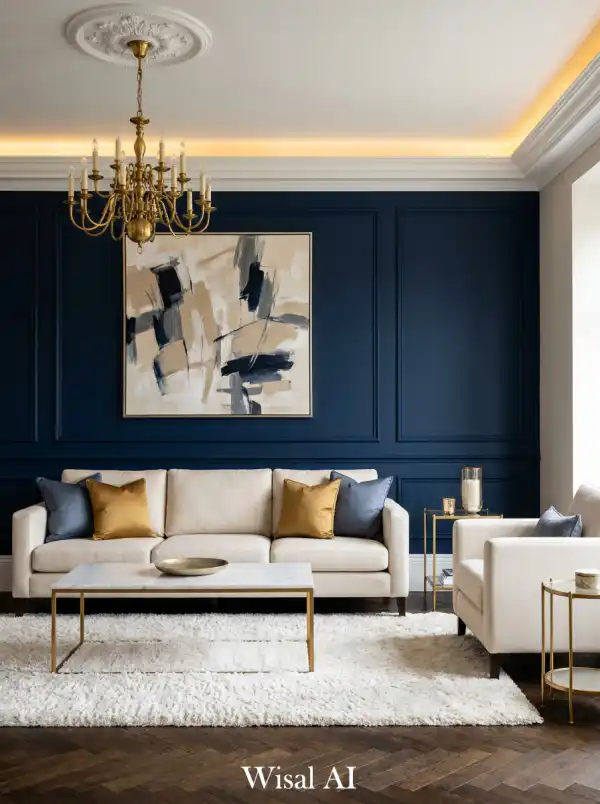
Reflective surfaces play an important role in amplifying natural light during spring. Materials such as glass, polished stone, light marble, or subtly glossy finishes help distribute sunlight across the room, increasing the sense of brightness and openness. These reflections also create gentle visual movement throughout the day. When used thoughtfully, reflective elements enhance the airy character of the space without making it feel cold or artificial. They contribute to a modern yet timeless luxury atmosphere. Design Tip: Balance reflective surfaces with soft textures to maintain warmth and comfort.
14. Luxury Spring Living Room with Linen and Cotton Harmony
Natural fabrics like linen and cotton define the tactile identity of spring interiors. Their breathable textures and soft finishes create a relaxed atmosphere that feels both elegant and comfortable. When layered together, they bring depth without heaviness, allowing the room to feel fresh and effortless. This combination is especially effective in upholstery, cushions, and window treatments. The result is a living space that feels naturally lived-in yet beautifully refined. Design Tip: Stick to neutral tones to allow texture not color to become the main visual focus.
15. Spring Living Room with Indoor-Outdoor Visual Connection
One of the strongest elements of spring design is the connection between indoor living spaces and the natural environment outside. Large openings, glass doors, or even strategically placed furniture near windows help blur the boundary between interior and exterior. This visual continuity makes the room feel larger, brighter, and more alive. Even in apartments without outdoor access, this effect can be achieved by maximizing views, using natural materials, and maintaining a light color palette. The goal is to make the living room feel like a natural extension of the outside world. Design Tip: Position seating areas toward windows or natural light sources to strengthen the connection with nature.
16. Spring Living Room with Soft Ambient Lighting Balance
Even though spring is known for natural daylight, artificial lighting still plays a key role in shaping the evening atmosphere. Soft ambient lighting helps maintain the same airy feeling after sunset without disrupting the calm mood. Instead of strong overhead lighting, the focus is on diffused sources such as table lamps, wall sconces, and indirect lighting hidden behind furniture or architectural elements. This layered approach ensures the living room remains warm, gentle, and visually comfortable at all hours of the day. The result is a space that transitions smoothly from bright daytime freshness to soft evening calm. Design Tip: Use warm white bulbs and avoid harsh, cool lighting to preserve the spring atmosphere.
17. Luxury Spring Living Room with Statement Natural Materials
Spring luxury design often relies on the beauty of materials rather than excessive decoration. Stone, wood, rattan, linen, and clay-based finishes become the focal point of the space. Each material contributes its own texture and personality, creating a layered yet cohesive environment. The emphasis is on authenticity and natural imperfection. This approach allows the living room to feel rich and sophisticated while still maintaining a relaxed, seasonal lightness. Instead of competing elements, everything works together in harmony. Design Tip: Let natural materials remain visible and avoid overly processed finishes.
18. Spring Living Room with Soft Art and Wall Composition
Wall design becomes an important storytelling element in spring interiors. Rather than heavy or dramatic artwork, the focus shifts to soft, minimal compositions that reflect calmness and clarity. Abstract pieces, nature-inspired prints, or neutral-toned art can subtly enhance the mood without overwhelming the space. Gallery walls can also work when kept light, balanced, and well-spaced. The goal is to maintain visual interest while preserving openness. Design Tip: Choose artwork with soft color transitions instead of high-contrast visuals.
19. Airy Spring Living Room with Natural Fiber Rugs
Rugs in spring interiors are not just decorative they define texture and grounding. Natural fiber rugs like jute, sisal, or woven cotton introduce an earthy softness that balances the brightness of the season. Their subtle texture helps anchor furniture while keeping the overall look light and breathable. These rugs are especially effective in creating a layered yet uncluttered aesthetic. They add quiet depth without competing with other design elements. Design Tip: Use large rugs to unify the seating area and create a cohesive visual zone.
20. Fresh Spring Living Room with Subtle Color Transitions
Spring design is often most powerful when colors shift gently rather than contrast sharply. Instead of bold statements, the focus is on soft transitions between warm whites, sandy neutrals, pale greens, and muted earth tones. These gradual changes create a calming visual flow that feels natural and effortless. This technique allows the room to feel cohesive while still maintaining depth and variation. It reflects the softness and gradual renewal of the spring season itself. Design Tip: Avoid sharp color contrasts and instead build palettes with closely related tones.
21. Spring Living Room with Oversized Light-Filtered Windows
Oversized windows are one of the most powerful design elements in spring interiors. They allow natural light to dominate the space while creating a constant visual connection with the outside environment. When sunlight enters freely, it enhances every texture, softens every surface, and brings a natural sense of movement into the room. In luxury spring living rooms, windows are not just architectural features they are part of the experience. The result is a space that feels open, alive, and constantly refreshed throughout the day. Design Tip: Avoid heavy window treatments and opt for sheer or minimal coverings.
22. Spring Living Room with Soft Curated Neutral Layers
Layering neutrals in spring design is about subtle sophistication rather than visual heaviness. By combining shades of ivory, cream, sand, and light taupe, the living room gains depth without losing its airy quality. Each layer adds softness, while still allowing the overall palette to remain calm and cohesive. This approach creates a refined, hotel-like elegance that feels effortless and timeless. It’s a perfect balance between minimalism and warmth. Design Tip: Vary textures within the same color family to avoid a flat or one-dimensional look.
23. Luxury Spring Living Room with Organic Accent Pieces
Accent pieces in spring interiors should feel natural, handmade, and intentional. Ceramic vases, woven baskets, carved wooden objects, and stone décor bring personality into the space without disrupting its calm energy. These elements introduce imperfection in a beautiful way, which enhances authenticity. Rather than filling the room, each object is placed with purpose, contributing to the overall composition. This creates a quiet sense of luxury rooted in simplicity. Design Tip: Limit accent pieces and choose items with natural shapes and materials.
24. Airy Spring Living Room with Floating Furniture Layout
Furniture arrangement plays a crucial role in creating a sense of openness. A floating layout where furniture is slightly pulled away from walls helps the room feel more spacious and breathable. It also allows air and light to circulate visually, making the space feel less rigid and more dynamic. This technique is especially effective in modern spring interiors where flow and movement are essential. The result is a living room that feels balanced, intentional, and effortlessly open. Design Tip: Create clear pathways between furniture groupings to enhance spatial flow.
25. Ultimate Spring Living Room Retreat with Effortless Natural Luxury
The final idea brings together all the essential elements of spring interior design. Natural light, soft textures, neutral color palettes, organic materials, and minimal yet intentional styling all work together to create a space that feels calm, refreshing, and deeply connected to nature. Nothing is overdesigned, and nothing feels forced. Instead, the living room becomes a reflection of seasonal renewal light, balanced, and emotionally uplifting. This is what defines true spring luxury: not excess, but harmony. A space that feels as good as it looks, and quietly supports a more peaceful way of living.
Conclusion
Spring living rooms are not about dramatic transformation they are about gentle renewal. It is the season where design becomes lighter, softer, and more connected to nature. Instead of focusing on bold statements or heavy styling, spring interiors thrive on balance, natural light, and subtle details that bring calmness into everyday life. When textures feel breathable, colors remain soft and neutral, and natural light is allowed to move freely through the space, the living room naturally begins to feel more open and uplifting. Ultimately, a successful spring living room is not defined by trends, but by atmosphere. It is a space that feels refreshed without being overdesigned, elegant without being formal, and comfortable without losing its sense of luxury. It is the feeling of stepping into a room that quietly restores your energy every time you enter.
FAQs
1. What defines a spring living room style?
A spring living room focuses on lightness, natural light, soft textures, and neutral or pastel color palettes to create a fresh and airy atmosphere.
2. What colors are best for spring interior design?
Soft whites, cream, beige, sand, muted greens, pale blues, and light pastel tones work best for a calm and refreshing spring look.
3. How can I make my living room feel lighter for spring?
Remove heavy fabrics, maximize natural light, use lighter textiles, and simplify décor to create a more open and airy environment.
4. What materials are commonly used in spring living rooms?
Linen, cotton, light wood, rattan, glass, stone, and natural fibers are commonly used to achieve a fresh and organic feel.
5. How do I add luxury to a spring living room without making it heavy?
Focus on texture layering, high-quality natural materials, minimal styling, and soft lighting instead of adding excessive décor.
6. Are plants important in spring living room design?
Yes, greenery enhances freshness, improves visual connection with nature, and adds a natural seasonal touch without overwhelming the design.
7. What is the biggest mistake in spring interior design?
Overdecorating or using too many contrasting colors, which can break the calm and airy atmosphere that defines spring interiors.