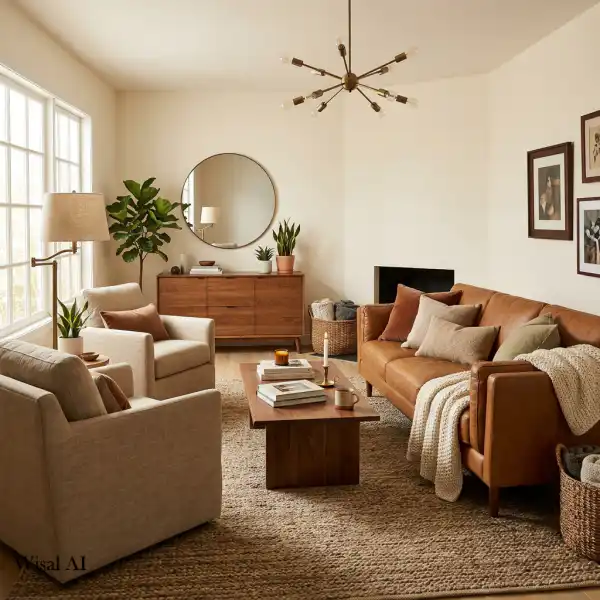
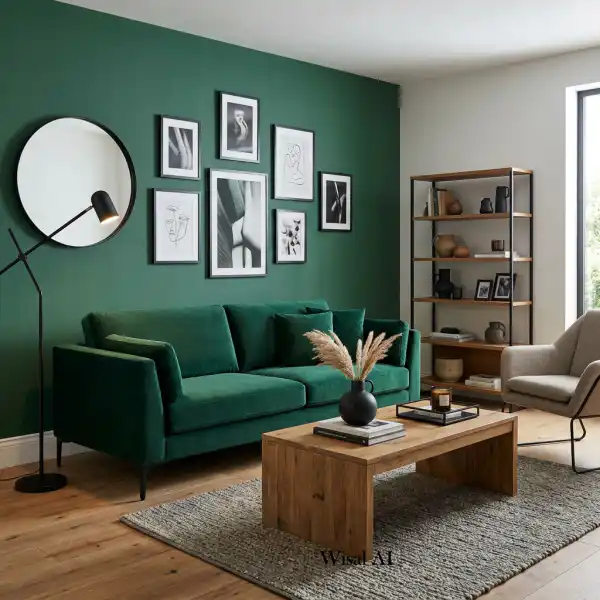
For years, interior design was dominated by the safety of all-white minimalism bright, clean, and predictable. But in recent years, a more refined and expressive direction has started to take over. Homeowners and designers are now embracing the moody aesthetic not as something dark or heavy, but as a sophisticated way to bring depth, intimacy, and modern luxury into living spaces. A well-designed moody living room is never about removing light it is about controlling it. The beauty of these spaces comes from balance, where deep tones are softened by natural materials, layered textures, and carefully placed light sources. Instead of feeling closed or overwhelming, the result is a space that feels atmospheric, warm, and emotionally engaging. In this collection, we explore 35 Moody Living Room Ideas that highlight the power of contrast in modern interiors. From charcoal-stained wood and matte black walls to soft ivory ceilings and warm neutral textiles, each idea demonstrates how darkness and light can work together to create a more dynamic and visually rich environment. Whether through sculptural furniture, natural stone surfaces, soft linen upholstery, or bright architectural accents like fireplaces and large windows, these design choices introduce a sense of visual rhythm and balance. The result is a modern interpretation of chiaroscuro where shadow and light coexist to shape mood and atmosphere. This guide will show you how moody interiors can feel bold yet inviting, dramatic yet comfortable, and ultimately transform the living room into a space that feels deeply personal, timeless, and full of character.
Architectural interior photography of a bright, vertical transitional living room with a focus on symmetry and classic architectural details. The primary walls are painted in a crisp, satin off-white, featuring elegant neoclassical picture-frame wainscoting and wall molding. Professional Architectural Tip for this Space: To create a high-end transitional aesthetic, balance warm, traditional materials (like aged chestnut leather and antique-style rugs) with crisp, modern architectural elements (like white paneled walls and black minimalist metal coffee tables). When choosing lighting, use warm-temperature bulbs (2700. K) for wall sconces to create a welcoming, soft glow that contrasts beautifully with natural, cool-toned daylight.
High-resolution architectural interior photography of a bright, airy, modern farmhouse living room. The room is characterized by crisp off-white plaster walls and a high ceiling accented by a heavy, natural timber exposed wooden beam. Massive French doors and grid-style windows with black metal frames dominate the background, letting in flooding, diffused natural daylight that creates a clean, high-contrast aesthetic.
High-resolution architectural interior visualization of a vertical, cozy, moody living room with a rustic Wabi-Sabi aesthetic. The primary wall is finished in a smooth, matte charcoal-black plaster, while an adjacent feature partition wall is clad in vertical, rough-sawn reclaimed wooden planks with aged patina. Professional Architectural Tip for this Space: When designing with dark, matte walls, you must integrate warm, organic materials (such as raw wood, rattan, woven jute, and thick linens) to prevent the room from feeling cold or flat. For lighting, avoid uniform overhead floodlights; instead, utilize localized warm-temperature lighting (2400. K to 2700. K) from table lamps and low-hanging pendants to cast soft, directional glows. This creates a cozy hygge atmosphere, emphasizing natural textures and creating a soothing visual sanctuary.
Architectural interior photography of a vertical, moody Japandi-inspired living room corner. The background is dominated by a wall-to-ceiling custom built-in bookshelf made of matte black shiplap vertical wood planks. The shelves are meticulously styled with curated rustic artifacts, including hand-carved unpolished travertine bowls, large dark terracotta vases, a vintage cast-iron kettle, and heavy ceramic pots in off-white and charcoal. Natural, soft daylight enters from a large side window on the left, casting a gentle side-light gradient across the scene.
Architectural interior photography of a vertical, double-height modern farmhouse living room seamlessly integrating a wet bar. The room features a soaring vaulted ceiling lined with light natural oak timber planks and supported by structural wooden beams, with a minimalist black wooden ceiling fan at the apex. Professional Architectural Tip for this Space: To design a successful high-contrast interior without it feeling sterile, frame the black-and-white architectural base with warm organic materials at the top (timber vaulted ceiling) and the bottom (leather, jute, and vintage wool rugs). Utilize natural high-key daylight as the primary source, and supplement it with localized, warm accent lighting (2700. K to 3000. K) from hidden LED strips or wall sconces to highlight texture and cast soft shadows.
High-resolution architectural interior photography of a vertical, cozy, modern rustic open-plan living and dining room. The ceiling is defined by heavy, aged natural timber planks and structural wooden support beams. Suspended above the seating area are two massive, matte black dome pendant lights with warm gold-leaf interiors. Behind them, three smaller trapezoidal linen-shaded pendant lights hang in a row over a long, massive natural wood dining table flanked by minimalist black leather dining chairs.
Architectural interior photography of a vertical, cinematic, open-plan moody living room. The room features a seamless flow with the ceiling, structural beams, and walls finished in a uniform, matte midnight black. Large panoramic glass windows reveal a dark exterior, dressed in heavy floor-to-ceiling charcoal velvet curtains that absorb ambient reflections.
Architectural interior visualization of a symmetrical, high-contrast, moody living room with a strong focus on texture and form. The walls are meticulously clad in deep charcoal charcoal paneling (wainscoting and wall molding) that runs floor-to-ceiling. Four massive black-framed casement windows, arranged symmetrically (two on the back wall, two on the side wall), flank a central dark charcoal grey fireplace (not pictured) and frame views of a cool, wintry, leafless forest under a diffused, cold overcast sky. Professional Architectural Tip for this Space: When designing with intense charcoal walls, the key to avoiding a flat or overwhelming feeling is symmetry and contrast. Use bright, crisp whites for major furniture pieces to provide a visual anchor. Integrate rich, varied textures (wood grain, metal patina, deep pile rug, velvet) and use large-scale natural elements (the forest view and the wild greenery) to introduce an organic softness that balances the room's formality.
A stunning, symmetrical great room that balances dark, sophisticated millwork with organic warmth. The focal point is a massive floor-to-ceiling fireplace breast finished in matte charcoal-stained wood planks, accented by a chunky, raw-edge reclaimed wood mantel
A high-contrast, moody living room featuring a focal accent wall in matte obsidian-black wood paneling with subtle recessed grid detailing. The wall serves as a dramatic backdrop for a large-scale, square abstract painting with heavy white impasto textures and a central black gestural stroke. In front of the wall, a plush, low-profile sofa in a light silver-gray linen provides a soft visual break, topped with charcoal velvet pillows
A majestic, moody high-ceilinged great room defined by towering accent walls featuring deep charcoal-black vertical wood paneling in a structured grid pattern. The matte finish of the walls absorbs light, creating a velvet-like depth. Centered in the room is a majestic concrete fireplace surround in a light gray honed finish, which serves as a stark sculptural contrast against the dark background. It is flanked by built-in, dark-painted cabinetry and floating oak shelves that hold curated ceramics and books.
A high-contrast, moody living room featuring a focal white-brick fireplace centered against an expansive matte-black accent wall. The ceiling is painted a deep, flat obsidian, creating an intimate cocoon effect, punctuated by massive, rough-sawn natural oak beams. Two vintage-inspired sofas in rich, tufted cognac leather face each other, introducing organic warmth and a luxurious sheen to the space.
A moody living room that masterfully balances dark architectural elements with light furniture. The walls are a deep charcoal gray with traditional picture frame molding (wainscoting). The fireplace is white marble, providing a sharp architectural contrast. moldings.Design Advice: If you are nervous about going Full Dark, try the 60-30-10 Rule for moody spaces: 60% dark (walls and ceiling), 30% medium/neutral (floors and rugs), and 10% high-contrast light (sofa and fireplace). This creates a safe but stunning moody balance.
High-resolution architectural interior photography of a vertical, moody transitional living room. The space features deep charcoal-painted walls with modern wainscoting and wall paneling. Professional Architectural Tip for this Space: To prevent a dark-walled space from feeling cold or enclosed, introduce warm, organic materials. Cognac leather, woven bamboo, and aged wood add immediate warmth. Use high-contrast seating (like off-white linen) to bounce natural light around the room, and rely on warm-temperature localized brass lighting (2700. K to 3000. K) to create an inviting, intimate evening atmosphere.
Architectural interior photography of a vertical, moody living room combining dark matte walls with warm organic textures. The walls, ceiling trim, and built-in alcove shelving are finished in a seamless, deep matte charcoal black. Professional Architectural Tip for this Space: To prevent a pitch-black room from feeling cold or intimidating, you must balance the dark values with warm, earthy mid-tones. Use natural materials like cognac leather, unpolished oak, and woven jute to reflect light softly and add visual warmth. For lighting, avoid bright white overhead fixtures; instead, utilize warm-toned (2400. K–2700. K) architectural wall sconces and accent lights to create soft, inviting shadows and highlight the rich textures of the natural materials
High-resolution architectural interior visualization of a vertical, modern rustic living room characterized by warm neutrals and industrial lighting. The ceiling features heavy, dark espresso exposed timber beams juxtaposed against warm off-white plaster walls. Professional Architectural Tip for this Space: When using warm off-white walls as a base, you can achieve a moody atmosphere by utilizing dark, heavy materials for architectural anchors (like ceiling beams, window frames, and linear lighting tracks) rather than painting the walls dark. Use localized, warm-temperature lighting (2200. K–2700. K) such as track pendants and wall sconces to cast localized washes of light over textures, creating deep, dramatic shadows and intimate seating zones without making the room feel enclosed
A majestic, high-ceilinged great room defined by towering accent walls featuring charcoal-black wood paneling in a bold grid pattern. The room is anchored by a massive, minimalist concrete fireplace surround in a light gray honed finish, which serves as a stark sculptural contrast against the dark background.
An expansive, symmetrical living room designed with a Dark Luxe aesthetic, featuring vertical shiplap walls finished in a matte soot-black. The ceiling is the architectural highlight, boasting massive, exposed rough-hewn oak beams in a natural honey finish that contrast sharply against the black ceiling paint. A classic white-painted fireplace mantel serves as the central anchor, topped with a large-scale minimalist abstract line drawing in a thin gold frame. Two identical sofas in a pale oatmeal linen face each other, creating a formal conversation zone.
A sophisticated living room defined by expansive floor-to-ceiling accent walls featuring deep charcoal-black wood paneling in a structured grid (wainscoting) pattern. The matte finish of the walls absorbs light, creating a velvet-like depth. Centered in the room is a plush, multi-cushion sectional sofa in an off-white linen fabric, accented with oversized matte black velvet pillows.
Architectural interior photography of a vertical cinematic moody living room. The walls are finished in a deep matte charcoal grey with neoclassical wainscoting and ornate wall paneling. Professional Architectural Tip for this Space: When designing a monochromatic dark interior, contrast is achieved through texture rather than color. Combine matte wall finishes with absorbing fabrics like velvet or wool, and break the density with natural wood tones (like walnut or oak) to ensure the space feels sophisticated and tactile, not flat or cave-like.
High-resolution architectural interior visualization of a deeply atmospheric, ultra-rustic moody living room. The room is structured with heavy, hand-hewn, distressed dark wood beams that form an exposed timber ceiling and structural posts. The primary wall color is a matte, dark charcoal black. Professional Architectural Tip for this Space: When designing with dark, matte surfaces (walls, ceiling), you must lean heavily into rich, tactile textures (heavy timbers, leather, fur, wool) to introduce depth and break the visual flat surface. Natural, cool window light should be contrasted with incredibly warm, localized ambient lighting (e.g., specific Edison bulb temperatures) to create hygge and intimate zones, rather than general illumination, preventing the dark colors from overwhelming the space.
Architectural interior visualization of a vertical, double-height modern mountain lodge living room. The space is defined by its soaring vaulted ceiling lined with warm, natural timber planks and supported by structural black steel I-beams
A sophisticated, high-contrast living room centered around a double-height focal wall featuring deep charcoal-black wood paneling in a precise, large-scale grid pattern. The room is anchored by a massive, sculptural fireplace surround made of smooth, light-gray honed concrete that provides a stark architectural contrast against the dark background. Design Advice: In a room dominated by dark vertical surfaces, use High-Contrast Anchors to define the living space. The white sofa and light concrete fireplace act as visual islands of light that prevent the dark walls from feeling oppressive. To bridge the gap between the furniture and the high ceiling, introduce a Mid-Air Element like the large wooden pendant light; this draws the eye upward and makes the grand scale feel intimate and intentional.
High-resolution architectural interior photography of a vertical, double-height modern rustic lodge living room. The soaring vaulted ceiling is lined with heavy, aged natural timber wood planks and structural support beams. Suspended from the apex is a cluster of six industrial-style pendant lights featuring clear glass cloche bell shades with black metal frames and warm Edison bulbs (2200. K) Professional Architectural Tip for this Space: To design a successful modern rustic interior without it feeling cluttered, balance the heavy natural textures (exposed wood, wicker, and jute) with a crisp, neutral white background. Use localized, warm-temperature lighting (2200. K to 2700. K) from hanging pendants and floor lanterns rather than overhead floodlights. This creates a hygge ambiance, casting soft, dramatic shadows that emphasize the architectural volume and the raw honesty of the materials.
25.Gilded and Grand: The Architectural Power of a Coffered Ceiling
There's something inherently luxurious about a rich, dark ceiling. This space centers on a masterful black coffered ceiling that adds immediate depth and texture.
Design Tip: To balance the dark walls and ceiling, focus on layered lighting. Integrate both a central, decorative light fixture and integrated, warm-toned shelf lighting to eliminate shadows and highlight your favorite pieces, making the space feel curated and curated.
26.Textural Tones: Limewash Walls and A Symmetrical Salon
Sometimes, elegance is achieved through a perfect, symmetrical design. This living space features deep, charcoal-painted walls with a rich, limewash texture, providing a painterly backdrop for a massive, organic-abstract art piece.
Design Tip: When working with symmetry, ensure each piece is high-quality and has a distinct texture. For colors, use a rich, unexpected hue like rust or ochre in your accent chairs to prevent the symmetrical layout from feeling too formal or static.
27.Matte and Moody: The Art of A Monochromatic Sanctuary
This space is a study in how a few powerful choices can make a massive statement. The entire room—walls, moldings, and ceiling—is cloaked in a deep, matte black, creating a seamless, monochromatic envelope
Design Tip: To pull off an all-black room, texture is non-negotiable. Vary your materials: a matte painted wall, a velvet sofa, and a woven rug. For colors, use varying shades of warm neutrals like cream, beige, and copper to ensure the space feels inviting, not cold.
28.Character and Coziness: The Warmth of Dark Paneling and Plaid
This living room effortlessly combines traditional character with modern comfort. The stunning, floor-to-ceiling raised panel molding is painted a deep, dark gray, adding instant architectural interest and historical depth
Design Tip: To keep a paneled room from feeling heavy, lean into light, neutral fabrics for your largest furniture pieces. A light beige or cream sofa with contrasting, textured accent pillows will instantly brighten the dark, detailed walls.
29.Curated Charm: A Living Room with a Private Gallery and Gilded Mirror
This living room feels like a private, modern art gallery. The deep, dark-paneled walls provide a powerful background for a carefully curated gallery of framed art in matching brass frames. A large, dramatic brass arch-top mirror serves as a second focal point, reflecting a golden, classical statue and adding an unexpected touch of historical grandeur.
Design Tip: When using a gallery wall, choose a unifying element, like matching frames or a specific color palette, to keep it from feeling cluttered. Then, introduce an unexpected piece—like this large mirror—to break up the visual pattern and add unique character to the space
30. Dark Velvet Moody Living Room Idea
A dark velvet moody living room focuses on creating a rich, luxurious atmosphere through deep colors and soft tactile materials. Velvet is the key element here because it absorbs light beautifully and adds emotional depth to the space. Combine deep tones like charcoal, dark green, or navy with soft ambient lighting to avoid a heavy or closed-in feeling. Balance is very important in this design. If the sofa is dark velvet, pair it with lighter walls or warm wooden floors to maintain visual harmony. Metallic accents like brass or gold can also elevate the space and add subtle elegance without breaking the moody aesthetic. Lighting should be layered and warm, using floor lamps, hidden LEDs, and soft wall sconces to create a cinematic atmosphere. The goal is to make the space feel intimate, cozy, and dramatically elegant.
31. Moody Living Room Idea with Warm Ambient Lighting
This moody living room idea is centered around warm ambient lighting as the main design feature. Instead of relying on color alone, the atmosphere is built through light layering, shadow depth, and tonal warmth. Use warm color temperatures across all lighting sources to create a soft, glowing environment. Combine table lamps, hidden LED strips, and indirect ceiling lighting to achieve depth and visual comfort. Furniture should remain simple and modern, with soft fabrics like linen or boucle in neutral or earthy tones. Dark accents can be added through furniture frames, decor, or wall details, but lighting remains the dominant mood creator. The goal is to create a cozy, cinematic living room that feels relaxing at night and inviting during the day.
32.Earth Tone Moody Living Room Idea
An earth tone moody living room combines deep, grounded colors with soft natural textures to create a warm and emotionally stable environment. Shades like terracotta, olive green, chocolate brown, and muted beige work together to build depth without harsh contrast. The key to this style is layering natural materials such as wood, stone, linen, and wool. These textures soften the moody palette and make the space feel more organic and livable. Lighting should be warm and subtle to enhance earthy tones. Avoid harsh white lighting as it can flatten the mood and remove warmth from the design. This style works especially well for people who want a cozy yet sophisticated living space that feels connected to nature.
33. Dark Built-In Shelving with Warm Accent Lighting
Built-in shelving painted in deep tones like charcoal, black, or dark walnut creates a strong architectural presence in a moody living room. Instead of feeling heavy, the design becomes visually rich when paired with warm hidden lighting. Soft LED strips inside the shelves highlight books, ceramics, and decorative objects, turning everyday items into part of the design. The contrast between shadowed niches and glowing highlights adds depth and makes the entire wall feel dynamic. This approach is perfect for adding both storage and atmosphere without breaking the visual flow of the room. Design Tip: Mix open and closed shelving sections to avoid visual overload and maintain balance.
34. Monochrome Layers with Textural Contrast
A monochrome color palette doesn’t have to feel flat or boring. In fact, in moody interiors, it becomes one of the most powerful tools for creating depth and sophistication. By layering different shades of the same color—such as charcoal, slate gray, and soft black—you can build a visually cohesive space that still feels rich and multidimensional. The key is to rely on texture rather than color variation. Velvet sofas, matte walls, stone surfaces, and linen curtains all interact differently with light, creating subtle shifts in tone throughout the room. Design Tip: Avoid using identical finishes everywhere—contrast matte, soft, and rough textures within the same color family.
35. Oversized Art Pieces as a Statement Anchor
In moody living rooms, one large-scale artwork can be more powerful than multiple smaller decorative pieces. Oversized art introduces focus, emotion, and identity to the space. Abstract paintings, black-and-white photography, or minimalist dark-toned compositions work especially well. Placed above a sofa or fireplace, a single statement piece helps ground the entire room and creates a clear visual hierarchy. When combined with dark walls and soft lighting, the artwork becomes even more impactful, almost glowing against the surrounding depth. Design Tip: Choose artwork with subtle contrast or light elements to prevent it from disappearing into dark backgrounds.
Conclusion
Transforming your living room into a moody sanctuary goes far beyond choosing dark paint or bold colors it is really about learning how to work with light, shadow, and atmosphere in a more intentional way. It’s a shift in mindset as much as it is a design style. As explored through these 35 moody living room ideas, the most compelling interiors are the ones that understand balance. Deep tones like charcoal, black, and earthy browns don’t overwhelm the space when they are paired thoughtfully with natural wood, soft textiles, warm lighting, and subtle lighter accents. Instead, they create a layered environment that feels rich, grounded, and visually alive. What makes this style so powerful in real life is how it feels to experience it. A well-designed moody living room doesn’t just look good it changes the way the space behaves throughout the day. In the morning, it feels calm and grounded. In the evening, it becomes warm, cinematic, and almost emotional in its atmosphere. Whether your taste leans toward modern minimalism or more textured, organic interiors, the moody aesthetic proves that bold design choices can still feel balanced, livable, and deeply comforting. It’s not about darkness it’s about depth, contrast, and creating a space that feels personal every time you walk into it.
FAQ
1. What is a moody living room design?
A moody living room design uses deep, dark tones combined with layered lighting and contrasting textures to create a cozy, dramatic, and sophisticated atmosphere.
2. Is a moody living room suitable for small spaces?
Yes, when done correctly. Using good lighting, mirrors, and lighter accents helps prevent the space from feeling too closed or heavy.
3. What colors work best for a moody living room?
Popular colors include charcoal, deep gray, black, navy blue, forest green, and warm earthy tones balanced with whites or creams.
4. How do you balance a dark living room?
Balance dark tones with light ceilings, neutral furniture, natural wood, and soft textiles to maintain visual harmony and openness.
5. What type of lighting works best for moody interiors?
Warm ambient lighting is ideal. Use layered lighting such as floor lamps, wall sconces, table lamps, and hidden LED strips.
6. Does a moody living room look too dark?
Not if designed properly. The key is contrast mixing dark surfaces with lighter elements and reflective materials.
7. What materials enhance a moody aesthetic?
Materials like velvet, linen, natural wood, stone, matte finishes, and metal accents work best for depth and texture.
8. What makes a moody living room design successful?
A successful moody living room balances dark tones with light accents, natural textures, and layered lighting to create depth without feeling heavy.
9. Do moody interiors always require dark colors?
Not necessarily. While deep tones are common, moody design is more about atmosphere and contrast than just using dark colors.
10. How do I keep a moody living room from feeling too dark?
Use warm lighting, light-colored ceilings, natural wood, and soft textiles to balance the darker elements.