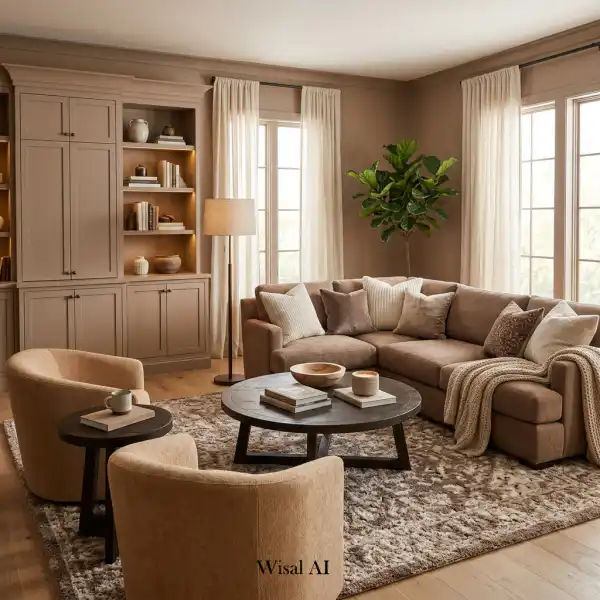
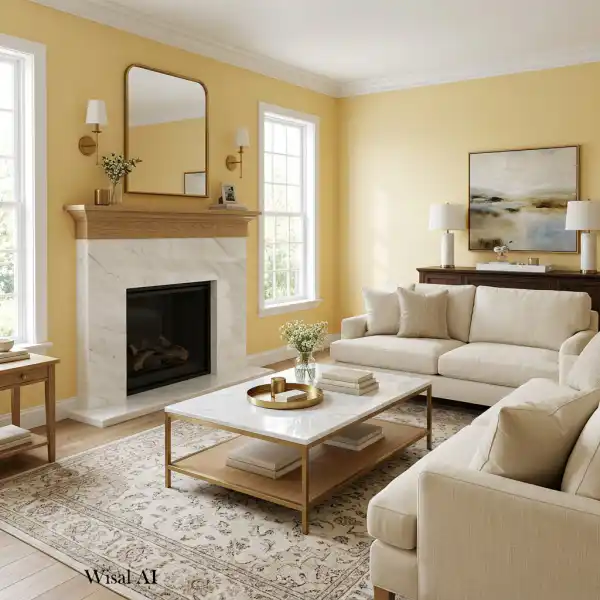
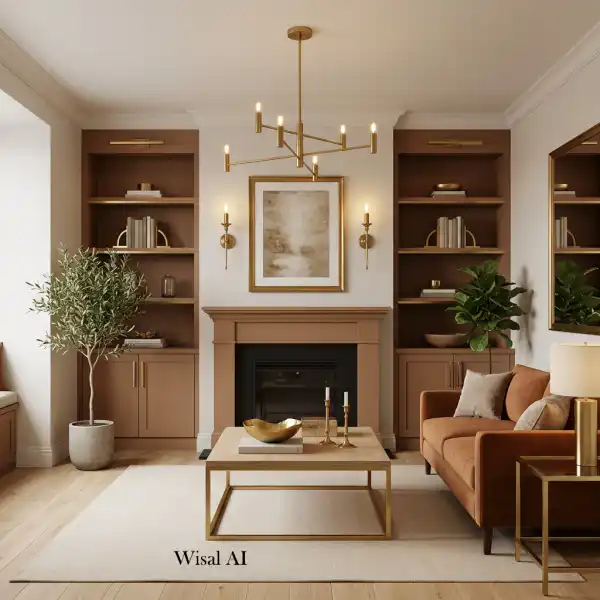
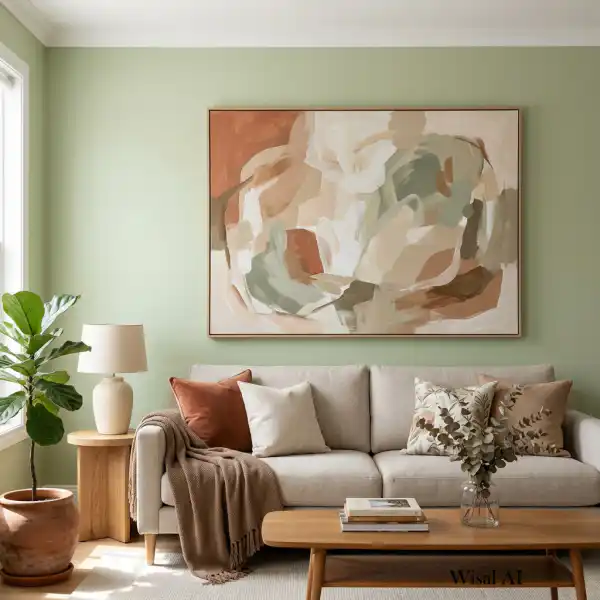
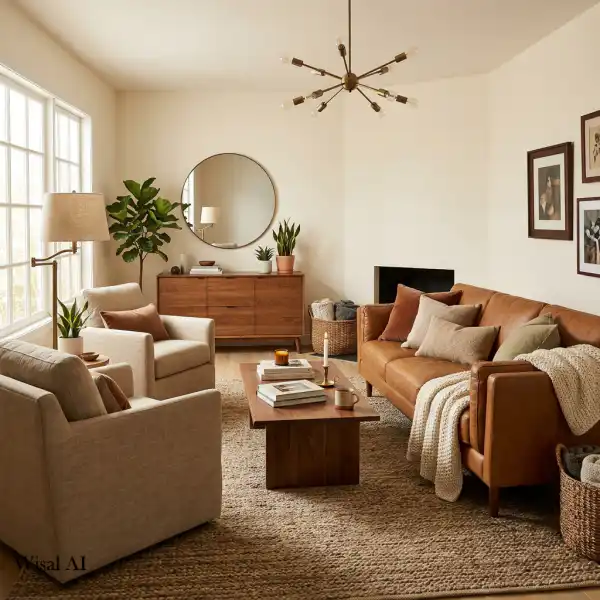
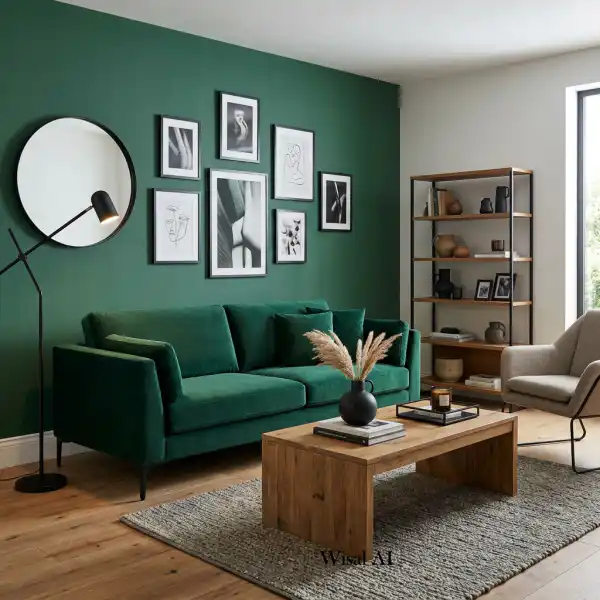
In 2026, our homes have become more than just living spaces they are emotional shelters from a world that feels increasingly fast, noisy, and overstimulated. This is exactly where Japandi design finds its power. Blending the quiet elegance of Japanese minimalism with the warmth and functionality of Scandinavian living, Japandi has evolved into one of the most meaningful interior styles of our time. It’s not just about how a room looks it’s about how it makes you feel the moment you step inside. At its core, Japandi is built on balance. The philosophy of Wabi-Sabi embraces imperfection and natural aging, while Hygge brings softness, warmth, and emotional comfort. Together, they create spaces that feel calm, grounded, and deeply intentional. Instead of visual clutter, Japandi focuses on silence, texture, and material honesty. Natural wood, muted tones, soft lighting, and carefully selected furniture pieces come together to form interiors that breathe rather than overwhelm. In this guide, we explore 25 Japandi Living Room Design Ideas that show how simplicity can become the ultimate form of luxury helping you transform your home into a serene sanctuary for modern life in 2026.
1. The Art of Zen: Balanced Japandi Living Room Design
This space emphasizes the Ma (negative space) philosophy, where the air between objects is as important as the objects themselves
Design Tip: When choosing lighting, opt for paper or fabric shades. They diffuse light evenly, eliminating harsh shadows and reinforcing the soft atmosphere essential to Japandi interiors.
2. Vertical Harmony: Texture-Rich Japandi Living Room Design
Incorporating verticality through wooden slats creates a sense of height and architectural rhythm.
Design Tip: Use vertical lines to make small rooms feel taller. Wooden slats or floor-to-ceiling sheer curtains draw the eye upward, creating a grander feel in a compact footprint.
3. Minimalist Curator: Artistic Japandi Living Room Design
Japandi isn't just about furniture; it's about the curation of art and nature.
Design Tip: When selecting art for a Japandi room, look for Negative Space art—pieces that use a lot of white or neutral background to keep the room feeling airy and uncluttered.
4. The Sun-Drenched Sanctuary: Japandi Living Room Design
Natural light is the primary material in this design. By using low furniture and light-reflective surfaces, the room feels like an extension of the outdoors.
Design Tip: To maximize natural light, use off-white rather than pure white for walls. Pure white can feel clinical, while a warm off-white reflects light while maintaining a cozy, lived-in feel.
5. Earthy Modernism: Japandi Living Room Design Ideas
This concept leans into the Scandi side of Japandi, utilizing heavier textures like bouclé and chunky knits to create a sense of Hygge or comfort.
Design Tip: Mix your neutrals. Don't just use one shade of beige; layer cream, sand, tan, and taupe to create depth and prevent the room from looking flat.
6. The Sculptural Lounge: Japandi Living Room Design
This design focuses on the silhouette of the furniture. Every piece is chosen for its unique shape, turning the living room into a functional art gallery.
Design Tip: Use Organic Geometry. Balance the sharp lines of a square rug or rectangular window with circular coffee tables or curved sofas to create a more natural, relaxing flow.
7. The Indoor-Outdoor Transition: Japandi Living Room Design
Japandi often bridges the gap between the home and the garden. This style uses large glass doors and natural greenery to erase the boundary between the interior and exterior.
Design Tip: If you don't have a garden view, use biophilic design by grouping several large plants together in a corner.
8. Moody Mocha: Sophisticated Japandi Living Room Design
For a more luxurious take, this design uses deeper wood tones like walnut and mocha while keeping the minimalist Japandi structure.
Design Tip: To pull off a moody Japandi look, ensure your furniture stays light in color if your walls are dark. This contrast keeps the room from feeling small or gloomy.
9. The Tactile Retreat: Japandi Living Room Design Ideas
Texture is the star here. From the grain of the wood to the weave of the rug, this room is designed to be felt as much as seen
Design Tip: Interaction with materials matters. Choose raw finishes—unpolished stone, unvarnished wood, and natural linens—to evoke a sense of calm and authenticity.
10. Minimalist Geometry: Structural Japandi Living Room Design
This space uses clean lines and geometric shapes to create an organized, clutter-free environment that promotes mental clarity.
Design Tip: Symmetry creates an instant feeling of order. If your living room feels chaotic, try arranging your main pieces (sofa, table, rug) in a symmetrical layout to instantly calm the space.
11. The Architectural Light-Well: Master the Art of Natural Textures
This space uses a dramatic floor-to-ceiling multi-paned window wall to establish an immediate connection with natural surroundings, making the interior feel expansive yet protected.
Design Tip The success of this look depends on the quality of natural light.
12. The Sun-Drenched Wabi-Sabi Nook: Embracing the Light
Core Aesthetics: A sophisticated, architectural interior photograph of a deeply textured Japandi sun-drenched nook.
Design Tip To achieve this dynamic light effect in 2026, avoid heavy window treatments.
13. The Sculptural Harmony Hub: Organic Geometry
The soul of this design is the balance of raw, wabi-sabi textures with sophisticated, clean-lined design elements.
Design Tip For the sculptural items like pots and lamps, select a variety of heights and widths but keep the materials and textures consistent
14. The Crafted Raw-Edge Oasis: Rustic Modernity
This idea embraces the raw in Japandi. It celebrates true wabi-sabi by featuring a stunning, custom-built coffee table made from a single, rough-sawn slab of ancient teak.
15. The Tactile Comfort Den: Layered Neutrals
When designing for 2026, focusing on tactile comfort is the ultimate luxury. This concept uses feel as a design language.
Design Tip To avoid sensory overload with too many textures, keep the color palette strictly constrained.
16. The Elemental Plinth: Monolithic Forms
A serene space defining Japandi minimalism with a massive, hard-stone plinth coffee table and soft, warm golden light.
Design Tip To make a large stone item work in 2026, balance its scale with other substantial but softer forms like the cloud sofa.
17. The Structured Slatted Core: Linear Balance
One of the most powerful and defining elements of Japanese architecture is the control of light and space through screens.
Design Tip For small spaces in 2026, a slatted screen is a better divider than a solid wall.
18. The Curated Collector's Gallery: Artisan Craft
This idea is for the collector. It treats the home as a gallery for meaningful, hand-crafted objects, curated with care to ensure the space remains serene and uncluttered.
19. The Woven Texture Wall: Material Relief
Creating impact in a minimalist space often comes down to a few very large, texture-rich pieces. This living room takes that concept and puts it right on the wall with a massive fiber tapestry.
20. The Ultimate Organic Enclave: Merging Living Green and Hand-Carved Form
The best Japandi living room design ideas are about creating immersive, tranquil environments. This design achieves this by bringing the outdoors inside in a grand way.
Design Tip: When using very large plants, select a species with a distinct, interesting trunk or branch structure, like a Fiddle Leaf Fig or a mature Olive tree.
21. Low Wooden Furniture for Grounded Minimalism
Japandi living rooms often rely on low-profile wooden furniture to create a grounded and calm atmosphere. This design choice visually lowers the space, making it feel more stable, intimate, and connected to nature. The simplicity of the furniture allows the surrounding materials walls, light, and textures to take center stage without distraction. Design Tip: Choose light oak or ash wood with natural matte finishes to maintain authenticity
22. Neutral Earth-Tone Color Palette
A true Japandi living room starts with a soft, muted color palette. Shades like beige, warm white, taupe, sand, and soft gray create a peaceful foundation that reflects natural light beautifully. This subtle palette helps eliminate visual noise and enhances the feeling of spaciousness. Design Tip: Stick to 2–3 main tones to keep the space visually cohesive.
23. Organic Textures for Emotional Warmth
Japandi design is not flat or cold it is deeply tactile. Layering materials like linen, wool, cotton, and natural stone adds emotional depth and warmth to the space. These textures make the room feel lived-in, soft, and human without breaking the minimalist aesthetic. Design Tip: Mix rough and soft textures for a balanced sensory experience.
24. Large Windows with Natural Light Focus
Natural light is a core element in Japandi interiors. Large windows or unobstructed light sources help connect the indoor space with the outside world, reinforcing the feeling of openness and calm. Light becomes part of the design itself, shaping mood throughout the day. Design Tip: Use sheer curtains to diffuse sunlight instead of blocking it.
5. Statement Nature Elements (Plants or Wood Accents)
Instead of filling the room with decor, Japandi spaces often rely on one or two strong natural elements. A sculptural indoor plant, a raw wooden piece, or a stone accent can act as a focal point. This minimal approach keeps the space calm while still feeling alive. Design Tip: Choose one statement natural piece rather than multiple small decorations.
Conclusion
Japandi design is more than just a visual style it is a way of living that prioritizes calm, clarity, and emotional balance in an increasingly overwhelming world. Across these ideas, one thing becomes clear: simplicity is not emptiness, it is intention. Every low wooden surface, every neutral tone, every ray of natural light is carefully chosen to create a space that feels grounded and meaningful rather than crowded or overstimulated. What makes Japandi so powerful in 2026 is its ability to slow everything down. It removes the unnecessary and highlights what truly matters comfort, silence, texture, and connection to nature. In doing so, it transforms the living room from a simple functional area into a personal sanctuary that supports mental clarity and everyday peace. In the end, Japandi is not about perfection. It is about presence. A home that feels calm the moment you enter it, and continues to bring you back to yourself every day.
FAQ
1. What is Japandi interior design?
Japandi is a hybrid design style that combines Japanese minimalism with Scandinavian warmth, focusing on simplicity, natural materials, and calm living.
2. Why is Japandi so popular in 2026?
Because it responds to modern stress and digital overload by creating peaceful, clutter-free environments that promote relaxation and balance.
3. What colors are used in Japandi living rooms?
Japandi uses neutral and earthy tones such as beige, off-white, soft gray, taupe, and warm wood shades.
4. How do you make a Japandi living room feel cozy?
By adding soft textures like linen, wool, and cotton, along with warm lighting and natural materials.
5. Can Japandi work in small living rooms?
Yes, Japandi is perfect for small spaces because it reduces clutter and uses light colors to make rooms feel larger and more open.