Designing a small living room can feel limiting at first, but Scandinavian interior design proves the opposite. The Scandinavian Living Room style is built on simplicity, functionality, and emotional comfort. It transforms even the smallest spaces into bright, airy, and cozy environments by focusing on natural light, neutral colors, and minimal yet meaningful furniture. What makes this design philosophy so powerful is its ability to balance aesthetics with practicality. Instead of overcrowding a space, it removes everything unnecessary and keeps only what truly adds value. The result is a calm, breathable living area that feels bigger than it actually is. In this article, you will explore 15 detailed Scandinavian Living Room ideas for small spaces, each one designed to help you create a warm, modern, and visually balanced home environment.
1. Neutral Harmony Scandinavian Living Room
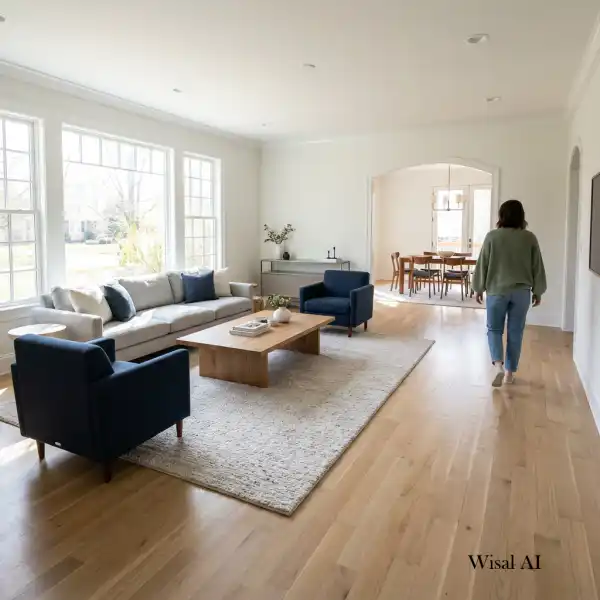
A neutral color palette is the foundation of every Scandinavian Living Room. Shades like white, beige, soft gray, and ivory create a calm and timeless atmosphere that visually expands small spaces. When these tones are used correctly, they reflect natural light beautifully, making the room feel brighter and more open. This is especially important for small apartments where space is limited and every visual trick matters. To achieve this look, focus on keeping walls clean and furniture simple. Avoid heavy colors or strong contrasts, as they can break the visual flow and make the space feel smaller. Tip: Stick to only 2–3 neutral tones across the entire room to maintain harmony and avoid visual clutter.
2. Natural Wood Scandinavian Living Room
Wood is one of the most essential elements in Scandinavian Living Room design. It brings warmth, texture, and a natural connection to nature, which balances the clean and minimal aesthetic. Light wood types like oak, ash, or pine work best for small spaces because they don’t feel heavy or dark. When combined with white walls and soft textiles, the result is a cozy yet modern environment. Furniture should remain simple and functional. A wooden coffee table, open shelving, or wooden flooring can completely transform the mood of the room. Tip: Try to keep all wood tones in the same family to maintain visual consistency and avoid fragmentation.
3. Minimal Furniture Scandinavian Living Room
Minimalism is at the core of Scandinavian design. In small spaces, less furniture always means more comfort and freedom of movement. A Scandinavian Living Room should only include essential pieces: a sofa, a coffee table, and possibly a storage solution. Anything beyond that should have a clear purpose. This approach not only improves visual clarity but also reduces stress, making the room feel more peaceful and organized. Multi-functional furniture is especially important here, such as sofas with hidden storage or foldable tables. Tip: If a piece of furniture doesn’t serve a function, it doesn’t belong in the room.
4. Cozy Textures Scandinavian Living Room
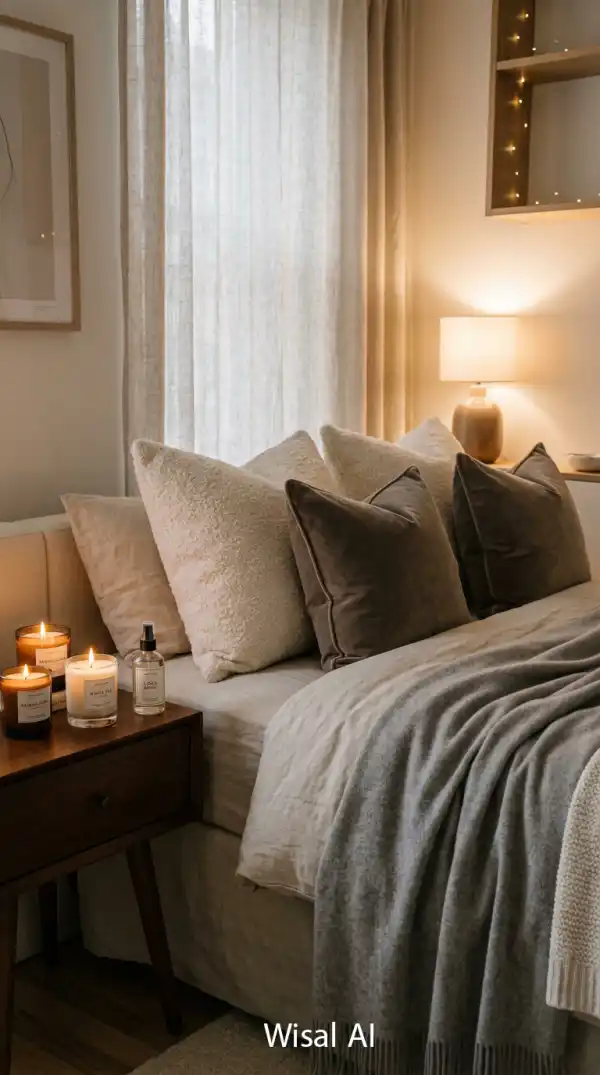
While Scandinavian design is minimal, it is never cold or empty. Texture is what brings warmth and emotional depth into the space. Layering materials like wool, linen, cotton, and knitted fabrics creates a cozy and inviting atmosphere. A soft rug, textured cushions, and warm blankets can completely change how the room feels. This is especially important in small living rooms where visual simplicity might otherwise feel too plain. Tip: Mix different textures instead of adding more colors to create depth without overwhelming the space.
5. Floating Shelves Scandinavian Living Room
Storage plays a huge role in small Scandinavian Living Rooms. Floating shelves are one of the best solutions because they save floor space while adding visual interest. They allow you to display only a few curated items such as books, plants, or ceramic pieces, keeping the space clean and organized. Unlike bulky cabinets, floating shelves maintain openness and contribute to a lighter visual structure. Tip: Keep shelf styling minimal—negative space is just as important as the objects themselves.
6. Soft Lighting Scandinavian Living Room
Lighting is one of the most powerful elements in Scandinavian design. It defines mood, warmth, and depth in the space. Instead of relying on a single ceiling light, Scandinavian Living Rooms use layered lighting. This includes floor lamps, table lamps, and warm ambient lighting. Soft warm light creates a cozy atmosphere, especially in the evening, making the room feel intimate and relaxing. Tip: Choose warm white bulbs instead of cool lighting to enhance comfort.
7. Green Plant Scandinavian Living Room
Plants are a key part of Scandinavian interiors because they bring life and freshness into minimalist spaces. Even in small rooms, a few carefully placed plants can completely transform the atmosphere. Large leafy plants like fiddle leaf figs or snake plants work especially well. They add contrast against neutral tones and create a natural, calming effect. Tip: Use fewer but larger plants instead of many small ones for a cleaner look.
8. Open Window Scandinavian Living Room
Natural light is the soul of Scandinavian Living Room design. Large windows instantly make small spaces feel bigger and more open. Sheer curtains are commonly used to allow light to pass through while maintaining privacy. This creates a soft, glowing effect inside the room. The furniture should be arranged to take advantage of natural light rather than blocking it. Tip: Never block windows with heavy furniture or dark curtains.
9. Compact Layout Scandinavian Living Room
Smart layout planning is essential in small spaces. Every piece of furniture should be placed strategically to maximize open floor area. Keeping furniture along the walls helps maintain a clear central space, making the room feel larger and more functional. This layout also improves movement flow and prevents the room from feeling cramped. Tip: Always prioritize walking space over extra furniture.
10. Monochrome Scandinavian Living Room
A monochrome palette creates a sense of visual unity and calm. Using different shades of the same color, especially gray, adds depth without clutter. This design style works especially well in modern Scandinavian Living Rooms because it maintains simplicity while still feeling sophisticated. Textures become extremely important here to prevent the space from feeling flat. Tip: Combine multiple textures within the same color family for visual richness.
11. Japandi Scandinavian Living Room
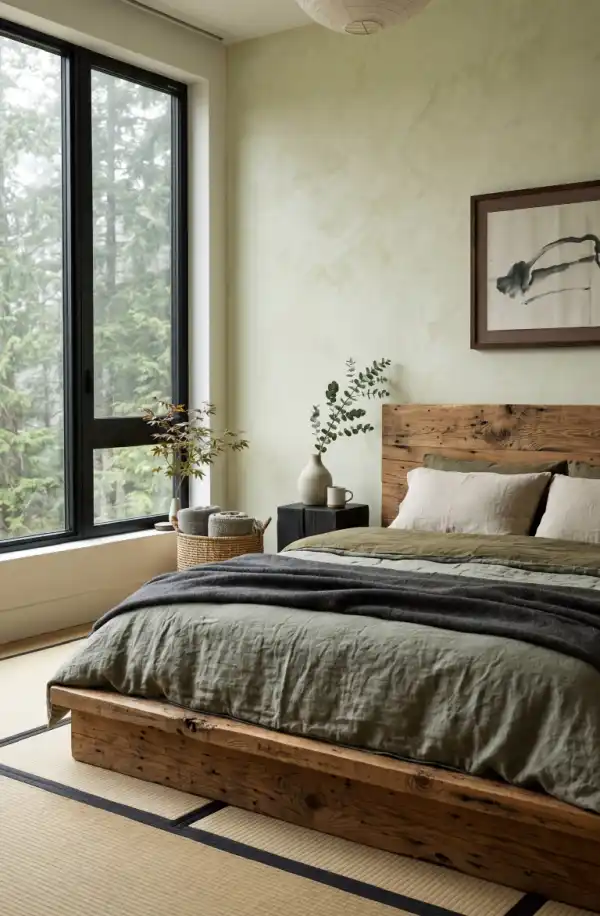
Japandi is a blend of Japanese minimalism and Scandinavian functionality. It creates a deeply calming and balanced environment. This style focuses on natural materials, low furniture, and intentional simplicity. The result is a peaceful living room that feels both modern and spiritual. Tip: Keep every object meaningful and avoid decorative clutter completely.
12. Rug Zoning Scandinavian Living Room
Rugs are a powerful tool for defining space in small rooms. They help create visual zones without using walls. A light-colored rug can separate the seating area from the rest of the room while maintaining openness. This technique adds structure and organization to compact interiors. Tip: Choose rugs with subtle patterns to avoid visual overload.
13. Built-in Storage Scandinavian Living Room
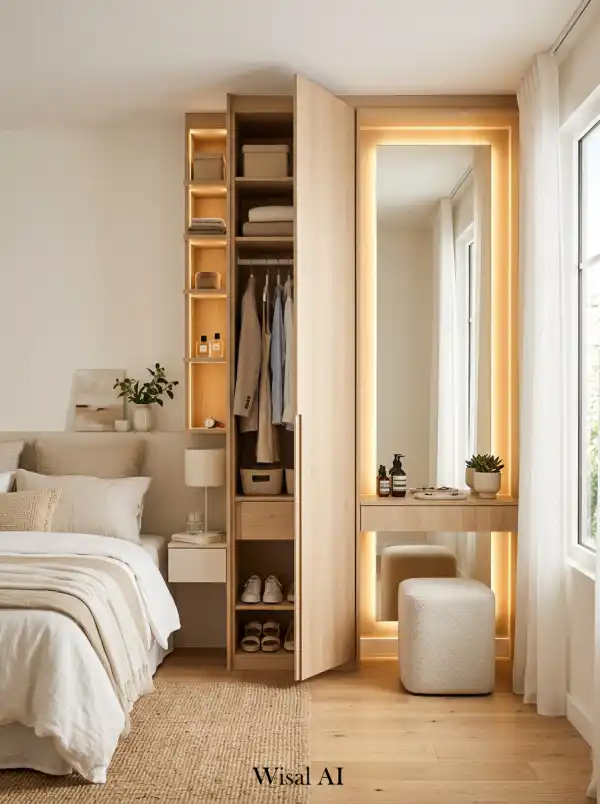
Built-in storage is one of the smartest solutions for small Scandinavian Living Rooms. It keeps everything hidden and maintains a clean visual appearance. When integrated into the walls, storage becomes part of the architecture rather than an additional object. This creates a seamless and clutter-free environment. Tip: Always hide clutter behind closed storage to preserve minimalism.
14. Soft Curves Scandinavian Living Room
Curved furniture softens the visual structure of a room and makes it feel more inviting. Rounded sofas, circular tables, and soft edges help break the rigidity of straight lines in small spaces. This creates a more organic and comfortable atmosphere. Tip: Balance curved furniture with simple straight elements for harmony.
15. Warm Evening Scandinavian Living Room
Evening lighting transforms the entire mood of a Scandinavian Living Room. Warm lights, candles, and soft shadows create a cozy atmosphere known as “hygge,” which is central to Scandinavian lifestyle design. This is the moment when the room feels most emotional and relaxing. Tip: Layer warm lighting sources to create depth and intimacy.
Conclusion
The Scandinavian Living Room style is more than just a design trend — it is a lifestyle focused on simplicity, comfort, and emotional well-being. Especially in small spaces, this approach helps create rooms that feel larger, brighter, and more peaceful. By using neutral colors, natural materials, smart layouts, and soft lighting, you can transform any compact space into a calm and functional sanctuary.
FAQ
What defines a Scandinavian Living Room?
A minimalist style focused on simplicity, light colors, and functionality.
Is Scandinavian design good for small apartments?
Yes, it makes small spaces feel larger and more organized.
What colors are best for Scandinavian interiors?
White, beige, gray, and natural earthy tones.
How do I make my living room cozy?
Use textures, warm lighting, and natural materials.