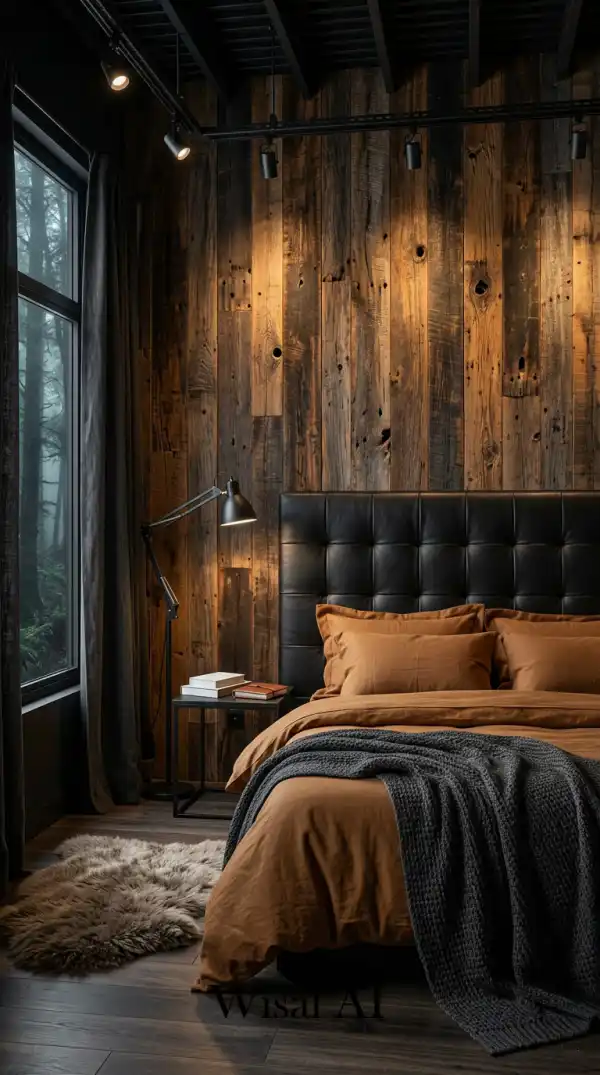
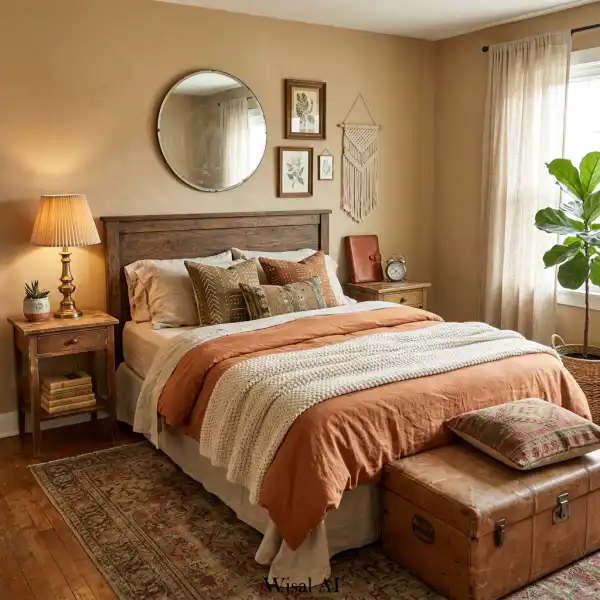
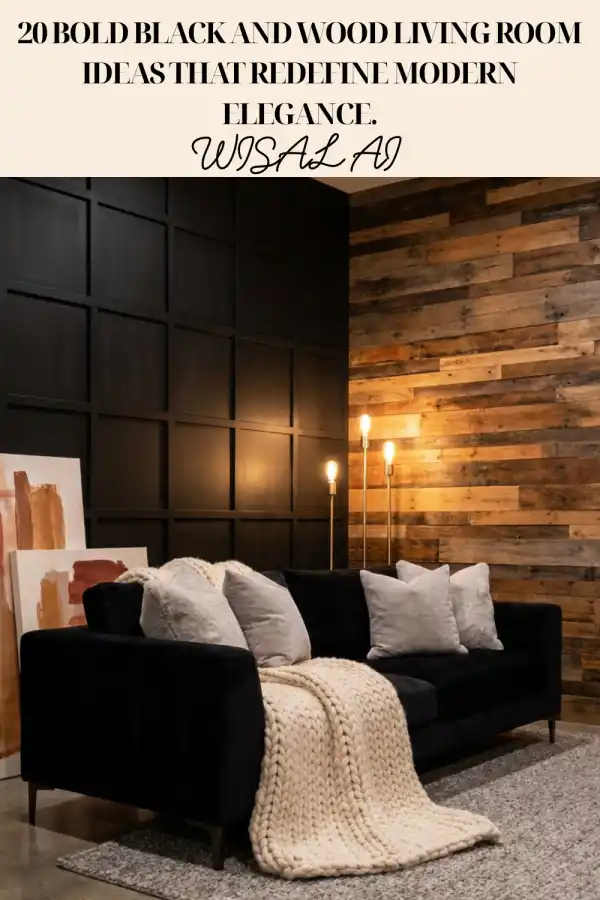
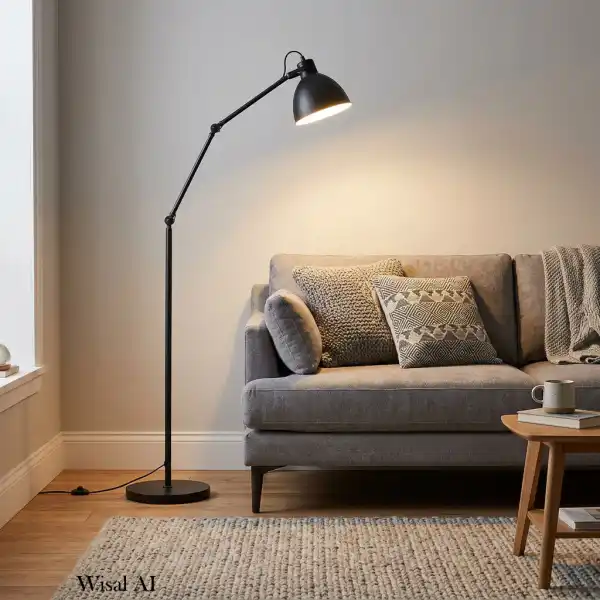
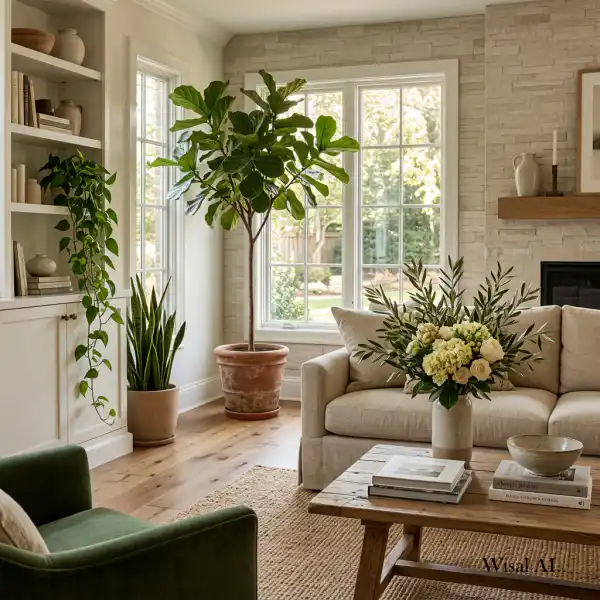
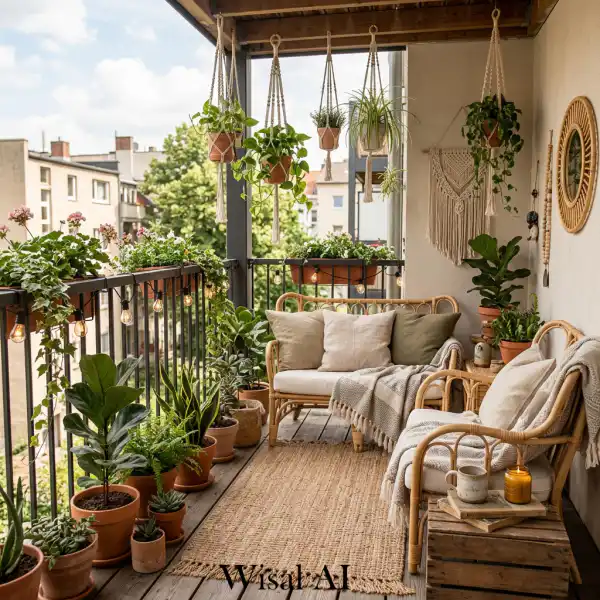
In today’s interior design world, there is a noticeable shift toward spaces that feel more natural, calm, and emotionally grounding. Instead of overly polished, artificial, and visually noisy interiors, many people are now searching for homes that feel connected to nature and support mental relaxation. The living room, being the central space in any home, plays a major role in shaping this emotional experience. It is where we relax, socialize, and spend most of our daily time. That is why designing it in a natural style—using wood, organic materials, soft textures, and earthy tones—can significantly improve both comfort and well-being. Natural living room design is not about decoration alone. It is about creating a sensory environment that feels warm, breathable, and emotionally safe. Every material used in the space should contribute to balance, simplicity, and harmony. In this article, we will explore 15 detailed Natural Living Room Ideas with Wood and Organic Elements that can help you transform your space into a timeless, calming, and nature-inspired environment.
1. Natural Wood Foundation Living Room Idea
A natural living room always begins with wood as its core foundation. Wood is one of the most emotionally powerful materials in interior design because it brings warmth, texture, and a direct connection to nature. Light oak, ash, and walnut tones are especially effective because they create a balanced contrast between brightness and depth. Wooden flooring with visible grain patterns sets the tone for the entire space and immediately creates a natural atmosphere. Furniture should reinforce this foundation. A linen sofa in neutral tones combined with wooden coffee tables and shelving units creates a cohesive design language. Avoid overly polished finishes. Instead, matte and natural textures should dominate the environment to maintain authenticity. The result is a living room that feels grounded, stable, and emotionally warm. Tip: Wood is the emotional backbone of natural interior design.
2. Organic Soft Texture Living Room Idea
Soft textures are essential in balancing the structural strength of wood. Without softness, a natural living room can feel too rigid or unfinished. Materials like linen, cotton, wool, and knitted fabrics bring warmth and emotional comfort into the space. A layered sofa design with multiple cushions and throws creates depth and tactile richness. A woven rug adds another layer of softness, grounding the furniture while improving comfort underfoot. The key is contrast—hard natural materials like wood should always be balanced with soft organic textiles. Lighting should be warm and diffused to enhance these textures rather than overpower them. Tip: Soft textures transform a space into an emotional experience.
3. Earth Tone Living Room Idea
Earth tones are the visual language of natural design. Colors like beige, sand, clay, olive, and warm gray create emotional stability and visual harmony. These tones reflect natural environments such as soil, stone, and landscapes, helping the mind feel more relaxed and balanced. Walls should remain soft and neutral, allowing furniture and textures to blend seamlessly into the space. Overly saturated or artificial colors should be avoided as they disrupt natural flow. The combination of earth tones creates a timeless aesthetic that never feels outdated. Tip: Earth tones reduce visual stress and increase emotional calmness.
4. Indoor Greenery Living Room Idea
Plants are one of the most important elements in natural living room design. They introduce life, movement, and freshness into the environment. Large indoor plants placed in corners create visual balance, while smaller plants on tables and shelves add layering and depth. However, balance is essential. Too many plants can create visual clutter instead of harmony. When integrated correctly, greenery becomes part of the interior structure rather than decoration. Tip: Plants are living design elements that improve emotional energy.
5. Stone and Wood Balance Living Room Idea
Combining wood with stone creates one of the most powerful natural contrasts in interior design. Wood brings warmth, while stone introduces rawness and stability. A stone coffee table or feature wall can serve as a focal point, while wooden flooring and furniture soften the overall composition. This combination creates a timeless and grounded aesthetic that feels both modern and natural. Tip: Natural contrast creates visual depth and emotional balance.
6. Soft Natural Lighting Living Room Idea
Lighting is one of the most important emotional tools in interior design. Soft, warm lighting enhances textures and creates a calming atmosphere. Natural daylight should be maximized through large windows and light curtains. In the evening, indirect lighting such as lamps and hidden light sources should be used. The goal is to create a seamless transition between day and night lighting. Tip: Lighting defines the emotional mood of a space.
7. Minimal Organic Layout Living Room Idea
A natural living room should never feel overcrowded. A minimal layout ensures that each element has space to breathe. Negative space is important because it creates visual calmness and improves mental clarity. Furniture should be arranged intentionally, with clear spacing and functional purpose. Tip: Simplicity creates emotional clarity.
8. Handmade Decor Living Room Idea
Handmade objects bring authenticity and personality into interior design. Items such as ceramic vases, woven baskets, and artisanal wood pieces add emotional depth. These elements reflect craftsmanship and human touch, making the space feel more personal and less industrial. Tip: Handmade objects give a home its emotional identity.
9. Linen and Cotton Living Room Idea
Natural fabrics like linen and cotton improve comfort and breathability. They make the space feel softer and more inviting. These materials also age beautifully, gaining character over time instead of wearing out visually. Tip: Natural fabrics increase long-term emotional comfort.
10. Balanced Contrast Living Room Idea
A successful natural living room often includes balanced contrast between light and dark materials. Light wood paired with darker stone or furniture creates depth without harshness. The key is maintaining harmony so the contrast feels natural, not aggressive. Tip: Contrast adds visual interest when used with balance.
11. Open Connection Living Room Idea
Connecting indoor spaces with outdoor environments creates a stronger sense of openness and freedom. Large windows, garden views, and natural light all contribute to this effect. This connection improves emotional well-being and reduces stress levels. Tip: Nature outside enhances calmness inside.
12. Organic Shapes Living Room Idea
Furniture with curved and organic shapes creates a softer and more natural visual flow. Rounded sofas and tables reduce visual rigidity and make the space feel more relaxed. Tip: Curves create emotional softness in design.
13. Warm Cozy Living Room Idea
Warm lighting, soft fabrics, and earthy tones create a cozy emotional environment. This type of design feels safe, inviting, and perfect for relaxation. Tip: Warmth is the foundation of comfort.
14. Symmetry Living Room Idea
Symmetry creates visual order and emotional stability. Balanced furniture placement helps the mind feel organized and calm. Tip: Symmetry builds subconscious peace.
15. Emotional Comfort Living Room Idea
The ultimate goal of natural design is emotional comfort. A living room should feel like a safe space where stress disappears. Every design choice—from materials to lighting—should support relaxation and mental peace. Tip: A home should feel emotionally safe, not just visually beautiful.
Conclusion
Natural living room design is more than a visual style—it is a return to emotional balance, simplicity, and connection with nature. By using wood, organic materials, soft textures, and earthy tones, you can create a space that feels timeless, warm, and deeply calming. Unlike artificial or overly modern interiors, natural design focuses on human experience rather than decoration. It transforms the living room into a space that supports relaxation, emotional stability, and daily comfort. Whether you apply a few ideas or redesign your entire space, the goal is always the same: create harmony between nature and home. A natural living room is not just a place to sit—it is a place to breathe, recover, and feel grounded.
FAQ
1. What defines a natural living room?
A natural living room uses wood, organic materials, and earthy tones to create a calm environment.
2. Why is wood so important in interior design?
Wood adds warmth, texture, and emotional grounding.
3. What colors are best for natural interiors?
Earth tones like beige, sand, and olive green are ideal.
4. Do plants really improve living rooms?
Yes, they enhance air quality and emotional well-being.
5. How can I make my living room feel more natural?
Use wood, soft fabrics, natural light, and minimal clutter.