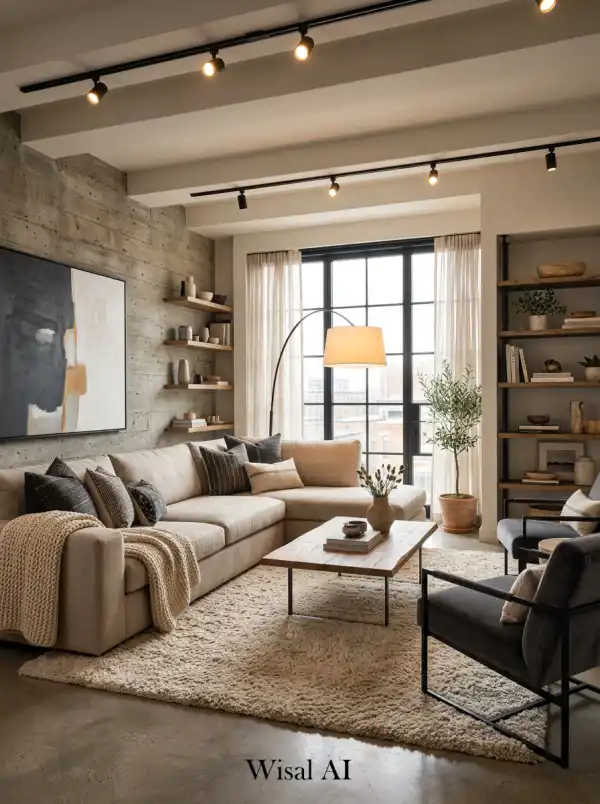
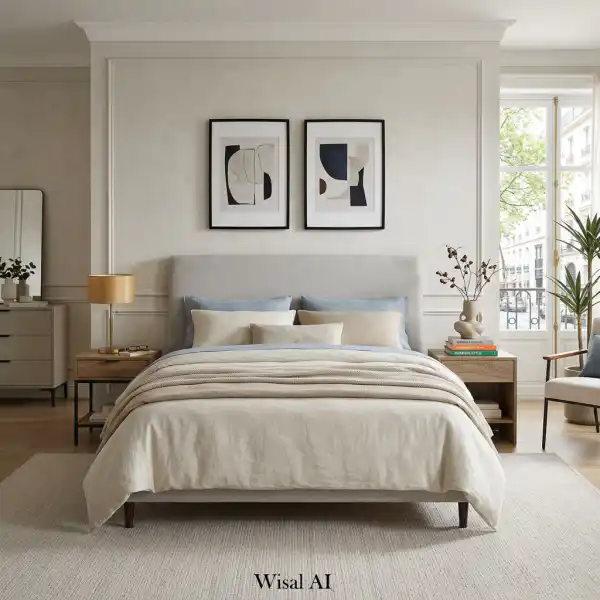
Contemporary living room design has evolved far beyond visual trends and decorative excess. Today, the focus is on creating spaces that feel calm, intentional, and emotionally balanced a concept often referred to as quiet luxury. This design philosophy is built on restraint, where every material, texture, and object has a clear purpose. Instead of loud colors or crowded layouts, contemporary luxury living rooms emphasize soft neutral palettes, natural materials, and carefully layered lighting. The goal is not to impress through complexity, but to create a space that feels effortless, timeless, and deeply comfortable. In this guide, you’ll explore 20 curated living room ideas that reflect this modern European-inspired approach to quiet luxury living.
1. Soft Neutral Contemporary Living Room Palette
A quiet luxury living room always starts with its color foundation, and soft neutral tones are the core of this aesthetic. Shades like warm white, beige, taupe, and light grey create a calming environment that feels both modern and timeless. These colors don’t compete for attention instead, they support every other design element in the space. What makes this approach so effective is its emotional impact. Neutral tones naturally reduce visual stress and make the room feel more open and breathable. They also provide flexibility, allowing furniture and textures to stand out without overwhelming the eye. In contemporary interiors, this palette is often layered rather than flat. Different shades of the same color are combined to create depth and subtle contrast. This gives the living room a refined and sophisticated look without relying on bold decoration or excessive styling.
2. Minimal Contemporary Living Room Furniture Layout
Furniture layout plays a major role in achieving quiet luxury in a living room. Instead of filling the space with multiple bulky pieces, contemporary design focuses on intentional placement and visual balance. Every item must have a purpose and enough space around it to “breathe.” Typically, the seating arrangement is centered around a focal point such as a low coffee table, a fireplace, or a simple media wall. Sofas are often clean-lined and positioned to encourage conversation without overcrowding the room. Negative space is just as important as the furniture itself. Empty areas are not seen as wasted space but as essential elements that enhance calmness and clarity. This creates a sense of openness that feels both modern and luxurious. The result is a living room that feels structured yet relaxed where nothing feels forced or unnecessary.
3. Natural Stone Contemporary Living Room Accents
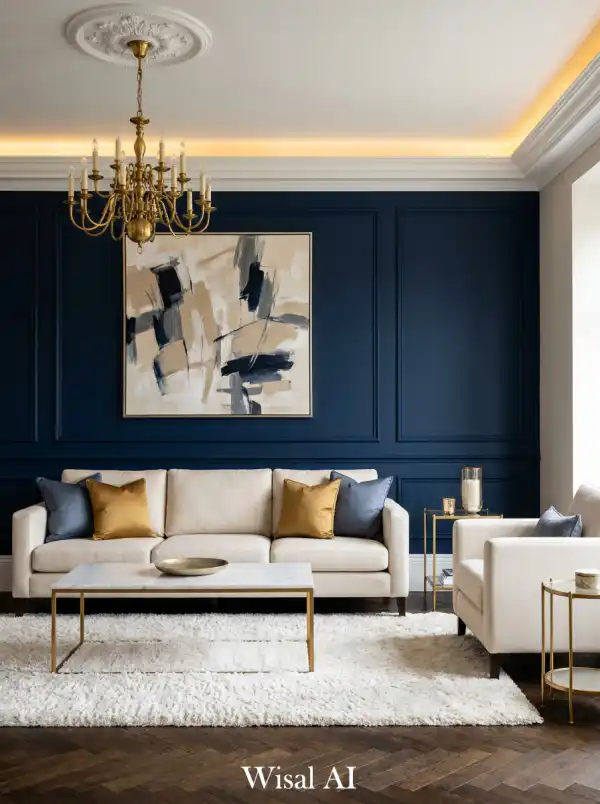
Natural stone is one of the most powerful materials used in contemporary quiet luxury interiors. Whether it appears in a coffee table, feature wall, or decorative surface, stone introduces a sense of permanence and authenticity. Marble, travertine, and limestone are especially popular because of their natural texture and subtle imperfections. These materials bring depth to the space without adding visual noise. Each piece of stone is unique, which adds character without breaking the minimalist aesthetic. In a modern living room, stone is usually balanced with softer materials like fabric, wood, and warm lighting. This contrast prevents the space from feeling too cold or rigid. The overall effect is a living room that feels grounded, elegant, and naturally luxurious without trying too hard.
4. Sculptural Contemporary Living Room Furniture
In contemporary design, furniture is no longer just functional it is also sculptural. Sofas, chairs, and tables often feature curved or artistic shapes that make them feel like design objects rather than simple utility pieces. These sculptural forms add personality to the living room while still maintaining a minimalist aesthetic. Instead of heavy decoration, the furniture itself becomes the focal point of the space. Curved silhouettes are especially important in quiet luxury interiors because they soften the overall visual experience. They make the room feel more fluid and organic, reducing harsh lines and creating a sense of movement. This approach transforms the living room into a curated space where every piece feels intentional, balanced, and visually meaningful.
5. Layered Lighting Contemporary Living Room Atmosphere
Lighting is one of the most important elements in creating a quiet luxury living room. Instead of relying on a single overhead light, contemporary design uses multiple layers of soft lighting to build atmosphere and depth. This often includes a combination of floor lamps, table lamps, wall sconces, and hidden LED strips. Each light source serves a different purpose, from functional brightness to soft ambient glow. The key is control lighting should never feel harsh or overwhelming. Instead, it should gently highlight textures, shapes, and architectural details within the room. As the lighting layers interact, the space becomes more dynamic and emotionally engaging. In the evening, the living room transforms into a warm, calm environment that feels both intimate and sophisticated.
6. Natural Wood Contemporary Living Room Warmth
Natural wood is a fundamental material in contemporary quiet luxury interiors because it introduces warmth and balance into minimalist spaces. Light oak, walnut, and ash are commonly used in flooring, furniture, or architectural details. Wood softens the clean lines of modern design and creates a stronger connection to nature. Its natural grain adds subtle texture without overwhelming the space, making it ideal for neutral and minimal interiors. In living rooms, wood is often paired with stone, linen, and soft lighting to create a layered and harmonious environment. This combination prevents the space from feeling cold or overly industrial. The result is a living room that feels grounded, warm, and timeless a perfect balance between modern sophistication and natural comfort.
7. Floor-to-Ceiling Curtains Contemporary Living Room Style
Floor-to-ceiling curtains are a defining feature of contemporary European-inspired living rooms. They enhance the vertical scale of the room, making ceilings appear higher and the space feel more elegant. Typically made from linen or soft cotton blends, these curtains are designed to filter natural light gently rather than block it completely. This creates a soft, diffused glow that enhances the overall atmosphere. Beyond function, curtains also help soften architectural edges and reduce visual rigidity in the room. Their movement adds a subtle sense of life and fluidity to an otherwise structured space. When chosen in neutral tones, they blend seamlessly into the overall design, reinforcing the feeling of calm continuity and quiet luxury.
8. Minimal Contemporary Living Room Decorative Styling
Decorative styling in a quiet luxury living room follows a strict “less is more” philosophy. Instead of filling surfaces with multiple accessories, the focus is on carefully selected, meaningful objects. A single sculpture, a ceramic vase, or a curated stack of books can be enough to complete the visual story of the room. Each piece is chosen for its material quality and emotional impact rather than quantity. This approach ensures that the space remains visually calm and free from clutter. It also allows the architecture and furniture to take center stage without distraction. The result is a living room that feels curated rather than decorated refined, intentional, and effortlessly elegant.
9. Textured Wall Finishes Contemporary Living Room Depth
Textured wall finishes add depth and character to contemporary living rooms without relying on decoration. Materials like limewash, plaster, or microcement create subtle variations that interact beautifully with light. These textures are not meant to stand out aggressively but to enhance the atmosphere of the room. As light changes throughout the day, the walls appear slightly different, giving the space a dynamic yet calm presence. This technique reduces the need for additional wall décor and helps maintain a clean, minimalist aesthetic. The wall itself becomes a design feature rather than just a background. It is a perfect example of how quiet luxury design uses subtle detail to create emotional richness.
10. Symmetrical Contemporary Living Room Balance
Symmetry plays a quiet but important role in creating a sense of harmony in contemporary living rooms. It doesn’t have to be strict or rigid, but rather balanced in a natural and visually pleasing way. This can be achieved through furniture placement, lighting, or visual weight distribution. For example, a sofa might be balanced by two chairs, or a large artwork might be centered above a focal point. Even when asymmetry is used, it is carefully controlled to maintain overall equilibrium in the space. This creates a feeling of stability and order without making the room feel formal or staged. The result is a living room that feels calm, intentional, and visually satisfying from every angle.
11. Integrated Storage Contemporary Living Room Design
Integrated storage is one of the most important foundations of a quiet luxury living room because it completely removes visual clutter from the space. Instead of relying on separate cabinets, shelves, and storage units that break the flow of the room, contemporary design prefers built-in systems that blend seamlessly into the architecture. These storage solutions are usually designed in the same material and color as the walls, which allows them to disappear visually when not in use. Handle-less doors, hidden compartments, and flush surfaces all contribute to a smooth and uninterrupted aesthetic. The real beauty of this approach is that it prioritizes both function and simplicity. Everything has a place, but nothing is displayed unnecessarily. This creates a living room that feels calm, organized, and highly intentional. In quiet luxury interiors, storage is never meant to be seen only experienced through the sense of order it creates. The result is a space that feels clean, balanced, and effortlessly sophisticated.
12. Bouclé Fabric Contemporary Living Room Texture
Bouclé fabric has become one of the signature materials in contemporary quiet luxury interiors because of its soft, tactile, and inviting texture. It adds warmth to minimal living rooms without introducing visual noise or heavy patterns. You’ll often see bouclé used in sofas, accent chairs, or decorative cushions. What makes it so effective is its ability to create comfort through texture rather than color. Even in neutral tones, the fabric has a rich surface quality that immediately elevates the feeling of the space. In modern European-inspired interiors, bouclé is used in moderation rather than excess. A single statement chair or a softly textured sofa is often enough to define the atmosphere of the room. This material reflects the idea that luxury is not always about appearance it is also about how something feels. Bouclé introduces a sense of softness and intimacy, making the living room feel more human, relaxed, and lived-in while still maintaining a refined aesthetic.
13. Floor Mirror Contemporary Living Room Expansion
Floor mirrors are a powerful design element in contemporary living rooms because they completely transform the perception of space. When placed correctly, a large mirror can visually double the size of a room and significantly increase the amount of natural light. Unlike decorative wall art, mirrors serve both a functional and atmospheric purpose. They reflect surrounding materials, furniture, and light sources, creating a layered visual effect that makes the room feel more dynamic and open. In quiet luxury design, mirrors are usually frameless or minimally framed to maintain a clean and unobtrusive look. The goal is not to highlight the mirror itself, but to let it blend into the environment and enhance the overall composition of the space. Placement is extremely important. Mirrors are often positioned opposite windows or light sources to maximize brightness and depth. This creates a soft, continuous flow of light that changes throughout the day. The result is a living room that feels brighter, larger, and more refined without adding any physical clutter.
14. Curved Contemporary Living Room Furniture Design
Curved furniture plays a central role in contemporary quiet luxury interiors because it introduces softness and flow into the space. Unlike sharp angles and rigid geometric forms, curved silhouettes create a more natural and calming visual experience. Sofas with rounded edges, circular coffee tables, and organically shaped chairs all contribute to a sense of movement within the room. These shapes guide the eye gently across the space, reducing visual tension and making the environment feel more relaxed. This design direction is also closely tied to comfort psychology. Curves are naturally associated with safety, ease, and relaxation, which makes them ideal for living spaces meant for unwinding and socializing. Beyond comfort, curved furniture also adds a sculptural quality to the room. Each piece feels intentional and artistic, almost like a design object rather than just functional furniture. The result is a living room that feels fluid, elegant, and emotionally balanced a key characteristic of modern European-inspired quiet luxury design.
15. Natural Light Contemporary Living Room Focus
Natural light is one of the most essential elements in contemporary living room design because it defines how every material, color, and texture is perceived. A well-designed quiet luxury space always prioritizes daylight as the primary source of illumination. Large windows, open layouts, and minimal window obstructions allow sunlight to move freely throughout the room. This creates a living environment that feels fresh, open, and constantly alive as the light changes during the day. Furniture and material choices are also influenced by natural light. Light-reflective surfaces, soft textiles, and neutral colors are used to enhance brightness rather than absorb it. The emotional impact of natural light is significant. It improves mood, creates a sense of openness, and strengthens the connection between indoor and outdoor environments. This is especially important in contemporary European design, where harmony with nature is a key principle. The result is a living room that feels airy, peaceful, and naturally luxurious without relying on artificial enhancement.
16. Earth Tone Contemporary Living Room Accents
Earth tones play a subtle but powerful role in contemporary living rooms by adding warmth and grounding the overall neutral palette. Shades like sand, clay, muted green, soft brown, and terracotta bring a natural depth that prevents minimalist spaces from feeling too cold or sterile. These tones are typically introduced in controlled accents rather than dominant surfaces. You might see them in cushions, rugs, artwork, or small decorative objects that gently enrich the visual composition of the room. The strength of earth tones lies in their emotional connection to nature. They create a sense of comfort and familiarity that balances the clean structure of modern interiors. When combined with natural materials like wood, linen, and stone, these colors help build a layered environment that feels both sophisticated and grounded. The result is a living room that feels warm, balanced, and deeply connected to natural elements while maintaining a refined contemporary aesthetic.
17. Minimal Contemporary Living Room Art Selection
Art in a quiet luxury living room is never about quantity it is about intentional impact. Instead of multiple small pieces, contemporary design often favors one large statement artwork or a very curated selection of minimal compositions. Abstract art is especially popular because it blends seamlessly with neutral interiors and does not overwhelm the visual balance of the space. Soft brushwork, muted tones, and simple forms allow the artwork to enhance the atmosphere without dominating it. Placement is carefully considered. Art is usually centered above a sofa or placed on a clean, uncluttered wall where it can breathe visually. This ensures it becomes part of the composition rather than a distraction. The goal is not decoration, but emotional expression. A well-chosen piece of art adds depth, personality, and sophistication while still respecting the calm identity of the room.
18. Warm Wood Contemporary Living Room Elements
Warm wood is a foundational material in contemporary living rooms because it introduces natural warmth and balances out the cooler tones of minimalist interiors. Light oak, walnut, and ash are commonly used across flooring, furniture, and architectural details. Wood brings an organic quality into the space that softens modern lines and creates a stronger connection to nature. Its natural grain patterns add subtle visual texture without overwhelming the simplicity of the design. In quiet luxury interiors, wood is often paired with stone, soft fabrics, and neutral colors to create a layered and harmonious environment. This combination ensures that the room feels both elegant and welcoming. The presence of wood also adds a sense of permanence and stability, making the living room feel grounded and timeless.
19. Balanced Symmetry Contemporary Living Room Layout
Balance is a subtle but essential principle in contemporary living room design. While strict symmetry is not always required, a visual sense of equilibrium is crucial for creating calm and order in the space. This balance can be achieved through furniture arrangement, lighting placement, or distribution of visual weight. For example, a sofa may be balanced by two chairs, or a large artwork may be supported by smaller decorative elements on the opposite side. Even when asymmetry is used, it is carefully controlled to ensure the room still feels stable and harmonious. This prevents the space from feeling chaotic or visually disjointed. The result is a living room that feels thoughtfully composed, where every element contributes to an overall sense of calm structure and quiet luxury.
20. Hotel Inspired Contemporary Living Room Finish
The final layer of contemporary quiet luxury living room design is often inspired by high-end boutique hotels. This approach focuses on refinement, comfort, and an effortless sense of elegance. Hotel-inspired interiors are characterized by perfectly arranged seating, soft layered lighting, clean surfaces, and carefully curated materials. Everything feels intentional, from the spacing of furniture to the choice of textures. However, in a residential context, the goal is not perfection but livability. The space should feel polished yet relaxed, sophisticated yet comfortable enough for everyday use. Materials remain high quality but understated, and colors stay within a soft neutral range to maintain continuity and calmness. This final approach ties all design elements together into one cohesive vision of quiet luxury a living room that feels timeless, elevated, and naturally inviting.
Conclusion
Contemporary living room design inspired by quiet luxury is not about creating a space that looks expensive in a loud or obvious way. Instead, it is about building a living environment that feels calm, intentional, and deeply considered in every detail. The real value of this design philosophy lies in restraint knowing what to include, but more importantly, knowing what to leave out. When natural materials, soft neutral colors, layered lighting, and minimal furniture come together in a balanced way, the living room transforms into something more than just a functional space. It becomes an emotional experience. A place where you can relax without distraction, think clearly, and feel completely at ease within your surroundings. What makes this style powerful is its timelessness. Unlike trend-driven interiors that quickly feel outdated, quiet luxury design remains relevant because it is based on simplicity, proportion, and natural harmony. It doesn’t depend on seasonal aesthetics or bold statements it depends on balance and intention. Ultimately, a well-designed contemporary living room should not just impress visually. It should support how you live, how you feel, and how you experience your daily life inside your home. That is the true essence of modern European-inspired quiet luxury living.
FAQ
1.What defines a contemporary quiet luxury living room?
A contemporary quiet luxury living room is defined by minimal design, neutral color palettes, natural materials, soft lighting, and a strong focus on comfort and visual balance rather than decoration or excess.
2.How do I make my living room look more luxurious without spending too much?
You can achieve a luxurious look by focusing on simplicity: declutter the space, use neutral tones, add layered lighting, and choose a few high-quality pieces instead of many cheap decorations.
What colors are best for a quiet luxury living room?
The best colors are warm whites, beige, taupe, soft greys, and muted earth tones. These shades create a calm, elegant, and timeless atmosphere.
3.Is minimal design suitable for large living rooms?
Yes, minimal design works very well in large spaces because it enhances openness and prevents the room from feeling empty or overwhelming when balanced correctly.
4.What is the most important element in this design style?
Lighting is one of the most important elements, followed closely by material selection. Together, they define the mood, depth, and emotional feeling of the space.
5.Why is lighting so important in this design style?
Lighting shapes the entire mood of the space. Instead of harsh overhead lights, contemporary design uses layered lighting like floor lamps, wall sconces, and hidden LED strips to create softness and depth. This makes the room feel warm and emotionally comfortable.
6.What materials define contemporary quiet luxury design?
Natural materials are essential especially wood, stone, linen, bouclé fabric, and textured plaster or limewash walls. These materials add depth and warmth without making the space feel busy or visually heavy.
7.Can small living rooms work with this design style?
Yes, this style is actually perfect for small spaces. Minimal furniture, light colors, and clean layouts help visually expand the room and make it feel more open. The key is avoiding overcrowding and focusing on smart space planning.