Bathrooms have evolved far beyond their original practical purpose. In modern interior design, especially in 2026, the bathroom has become a deeply personal wellness space—a retreat designed to slow the mind, soften stress, and create moments of calm in everyday life. And while materials, lighting, and layout all play important roles, nothing shapes the emotional atmosphere of a bathroom more powerfully than color. The right bathroom color palette can completely transform how a space feels. Soft earthy tones can make a bathroom feel warm and grounding. Light neutrals can create a sense of openness and purity. Dark dramatic shades can introduce intimacy and high-end sophistication. In luxury spa-inspired interiors, color is never random—it is carefully chosen to influence mood, perception, and sensory comfort. One of the biggest shifts in modern bathroom design is the move away from cold, overly clinical interiors. Instead of harsh white spaces with shiny finishes, today’s luxury bathrooms focus on softness, texture, warmth, and emotional balance. Colors inspired by nature—stone, sand, clay, wood, and muted greenery—are becoming essential tools in creating spaces that feel restorative rather than purely functional. Another important aspect of bathroom color design is the relationship between color and light. A tone that feels relaxing in natural daylight may appear cold under artificial lighting. This is why successful luxury bathrooms always balance palette selection with materials, textures, and layered lighting systems. In this guide, we explore 20 carefully curated bathroom color ideas designed to help your space feel like a private luxury spa. These combinations are not simply trendy—they are timeless palettes that combine elegance, relaxation, and modern sophistication. Whether your bathroom is large or small, minimalist or richly textured, these ideas will help you build an environment that feels calm, intentional, and beautifully refined.
1. Warm Beige and Travertine Spa Palette
Warm beige and travertine create one of the most timeless spa-inspired bathroom palettes in modern interior design. This combination is deeply connected to natural wellness aesthetics because it reflects the colors of sand, stone, and sunlit earth. The result is a bathroom that feels calm, grounded, and emotionally warm from the moment you enter. Beige works as the emotional foundation of the space. Unlike stark white, which can sometimes feel clinical or cold, warm beige introduces softness and comfort while still maintaining brightness. Travertine complements this perfectly because of its subtle natural texture and layered mineral appearance. Together, they create visual harmony without relying on strong contrast. This palette works especially well in bathrooms with natural light because sunlight enhances the warmth of the beige tones and highlights the organic texture of the stone. Large-format travertine tiles can make even small bathrooms feel more luxurious and expansive by reducing visual interruptions. Texture is extremely important in this design approach. Matte finishes, soft towels, linen shower curtains, and brushed stone surfaces help reinforce the spa atmosphere. Avoid overly glossy materials, as they can reduce the calm natural effect. Wood accents such as oak shelving or walnut vanity details also pair beautifully with beige and travertine, adding depth and warmth without overwhelming the palette. Tips Use warm beige instead of cool beige tones Choose matte travertine finishes for a softer appearance Combine with warm indirect lighting Add natural wood details for depth Keep décor minimal and organic This palette creates a luxurious bathroom that feels timeless, calming, and naturally elegant.
2. Soft White and Oak Bathroom Combination
Soft white and natural oak form one of the most balanced and universally loved bathroom palettes for spa-inspired interiors. This combination captures the essence of Scandinavian and Japandi design philosophies—minimalism softened by warmth and nature. Soft white creates clarity and openness. It reflects light beautifully, making bathrooms feel larger, cleaner, and more breathable. However, unlike bright clinical white, soft white contains warmer undertones that make the environment feel inviting rather than sterile. Oak introduces warmth and texture. Its natural grain patterns create subtle visual movement that keeps the space from feeling flat or overly minimal. In luxury bathrooms, oak is commonly used for floating vanities, shelving, slatted wall details, or framed mirrors. The beauty of this palette lies in balance. White dominates the architecture, while oak acts as the emotional anchor that humanizes the space. This creates a bathroom that feels clean yet deeply comfortable. Lighting is crucial here. Warm LED lighting enhances the wood tones and prevents the white from feeling harsh. Indirect lighting beneath floating vanities or behind mirrors can further strengthen the spa atmosphere. This palette also works exceptionally well in small bathrooms because it visually expands the room while maintaining warmth and texture. Tips Use warm white paint instead of pure white Choose light or medium oak finishes Add linen or cotton textures for softness Use floating wood elements to maintain openness Keep accessories simple and neutral This combination creates a bathroom that feels airy, peaceful, and effortlessly luxurious.
3. Sage Green and Stone Gray Calm Palette
Sage green and stone gray create a bathroom environment that feels deeply peaceful and emotionally restorative. Inspired by nature, this palette reflects the tones of soft greenery, weathered stone, and calm landscapes, making it ideal for spa-inspired interiors focused on relaxation and mindfulness. Sage green is one of the most effective colors for creating emotional calmness because it contains both warm and cool qualities. It feels fresh without being overwhelming and natural without becoming overly rustic. In bathrooms, sage green works beautifully on walls, vanity cabinetry, or accent tiles. Stone gray acts as the balancing element. It grounds the palette and introduces architectural structure while maintaining softness. Unlike darker grays that can feel heavy, soft stone gray keeps the environment light and balanced. This palette works best when paired with natural textures. Stone sinks, brushed concrete, wood shelving, and matte ceramic surfaces all reinforce the organic atmosphere. Plants also integrate naturally into this color scheme, further enhancing the spa effect. Lighting should remain soft and diffused. Warm lighting prevents the gray tones from feeling cold and enhances the earthy undertones of sage green. Tips Use muted sage tones instead of saturated greens Pair with textured stone materials Add natural greenery sparingly Use warm lighting to soften gray surfaces Keep overall palette calm and understated This combination creates a tranquil bathroom that feels connected to nature and designed for relaxation.
4. Charcoal and Warm Wood Luxury Contrast
Charcoal and warm wood create one of the boldest yet most sophisticated luxury bathroom palettes. This combination blends modern architectural drama with natural warmth, resulting in a space that feels both powerful and inviting. Charcoal introduces depth and visual structure. It creates intimacy and sophistication, especially in bathrooms with strong lighting contrast. Unlike black, charcoal retains softness and texture, making it more suitable for spa-inspired luxury interiors. Warm wood balances the darkness perfectly. Walnut, teak, or smoked oak finishes soften the intensity of charcoal and prevent the bathroom from feeling too cold or industrial. Wood also introduces tactile richness, which is essential in high-end bathroom design. The key to making this palette successful is balance. Charcoal should be used strategically—feature walls, cabinetry, or stone surfaces—while wood provides warmth across vanities, shelving, or ceilings. Lighting is especially important in darker palettes. Layered warm lighting creates dramatic shadows while maintaining comfort and softness. Tips Use charcoal in matte finishes only Add rich wood textures for warmth Keep metallic accents minimal Use layered warm lighting Balance dark surfaces with lighter textiles This palette creates a bathroom that feels dramatic, modern, and deeply luxurious.
5. Terracotta and Cream Organic Bathroom Style
Terracotta and cream create a bathroom palette that feels warm, earthy, and emotionally grounding. Inspired by Mediterranean architecture and natural clay materials, this combination introduces softness and authenticity into modern bathroom design. Terracotta brings warmth and personality. Its clay-inspired tones create emotional comfort and connect the bathroom to nature. Cream softens the richness of terracotta and prevents the palette from feeling visually heavy. Unlike cold modern bathrooms, this palette feels human and lived-in. It embraces imperfection, texture, and natural variation—qualities often found in boutique spa resorts and organic interior styles. Terracotta works beautifully in textured wall finishes, handmade tiles, or ceramic accessories. Cream should dominate larger surfaces to maintain brightness and openness. Natural materials such as linen, wood, and stone further strengthen the earthy atmosphere. Matte surfaces are essential here because they preserve the raw beauty of the palette. Tips Use muted terracotta instead of bright orange tones Pair with cream or sand-colored walls Add handmade ceramic textures Use warm lighting to enhance earth tones Incorporate natural fabrics and wood This palette creates a warm and welcoming bathroom that feels artistic, grounded, and timeless.
6. Deep Navy and Brass Elegant Bathroom Palette
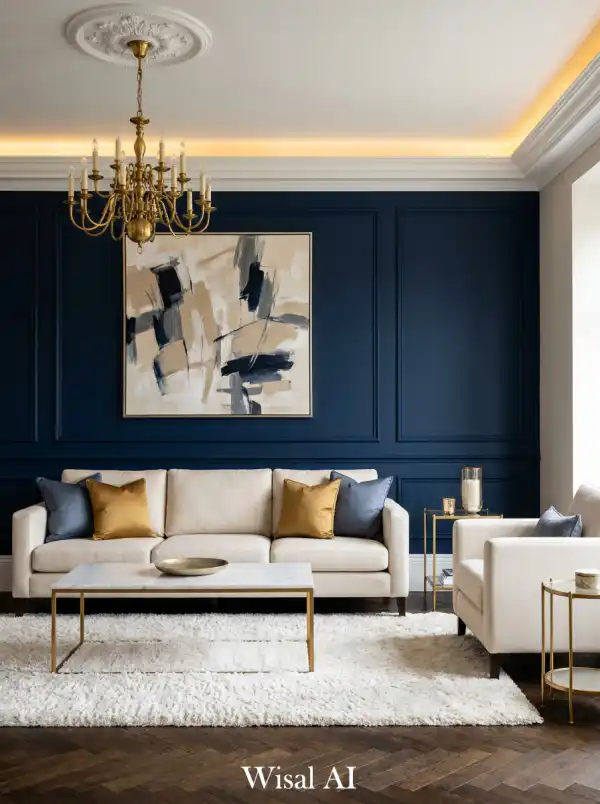
Deep navy and brass create a bathroom palette that feels refined, dramatic, and unmistakably luxurious. This combination is heavily inspired by boutique hotels and high-end European interiors where dark tones are used to create intimacy and sophistication rather than heaviness. Navy blue works exceptionally well in bathrooms because it carries depth without the harshness of black. It reflects elegance while still feeling calm and timeless. When used on walls, cabinetry, or tiles, navy creates a cocoon-like atmosphere that instantly elevates the room. Brass introduces warmth and contrast. Its soft metallic glow prevents the navy from feeling too dark and adds an upscale, jewelry-like detail to the space. Unlike chrome, which can feel cold, brushed brass feels warm and organic, making it perfect for spa-inspired luxury interiors. The success of this palette depends on restraint. Brass should remain an accent rather than dominating the room. Faucets, mirror frames, lighting fixtures, and cabinet hardware are ideal places to introduce metallic warmth. Texture is also essential. Velvet-like matte walls, stone countertops, and brushed surfaces create depth and softness. Layered lighting helps highlight brass details while softening the intensity of the navy tones. Tips Use deep navy in matte or satin finishes Pair with brushed brass instead of polished gold Keep larger surfaces visually simple Add warm white towels and textiles for contrast Use warm lighting to maintain softness This palette creates a bathroom that feels luxurious, intimate, and timelessly elegant.
7. Sand and Ivory Minimal Spa Design
Sand and ivory form one of the softest and most relaxing bathroom color combinations for modern spa-inspired interiors. This palette is subtle, light, and emotionally calming, making it ideal for people who want a bathroom that feels peaceful without appearing overly cold or sterile. Sand tones introduce natural warmth inspired by beaches, desert landscapes, and sunlit stone. Ivory adds brightness and softness while maintaining a warmer character than pure white. Together, these tones create a seamless visual flow that feels balanced and airy. One of the greatest strengths of this palette is its versatility. It works beautifully in both small and large bathrooms because it reflects light gently and avoids harsh contrast. This makes the space feel larger, softer, and more harmonious. Texture plays a huge role in preventing the palette from feeling flat. Natural stone, textured plaster, woven baskets, linen curtains, and matte ceramic surfaces help create depth without disrupting the calm aesthetic. Lighting should remain warm and diffused. Hidden LED strips, soft pendant lighting, or wall sconces work particularly well because they create gentle shadows that enhance texture. Tips Use ivory instead of bright clinical white Add sandy beige tones through tiles or walls Incorporate woven or organic textures Avoid sharp black contrasts Keep décor extremely minimal This palette creates a bathroom that feels light, soft, and emotionally soothing.
8. Mocha Brown and Warm White Bathroom Style
Mocha brown and warm white create a rich yet comforting bathroom atmosphere that feels sophisticated without becoming overly dramatic. Inspired by coffee tones, walnut wood, and soft natural textures, this palette is perfect for creating a cozy luxury spa experience. Mocha introduces depth and warmth. Unlike cooler dark colors, brown feels emotionally grounding and comforting, making it highly effective in wellness-focused interiors. Warm white balances the richness of mocha and keeps the space feeling open and breathable. This combination works particularly well in bathrooms that incorporate layered textures and organic materials. Walnut vanities, stone sinks, soft linen towels, and matte ceramic tiles all enhance the richness of the palette. One of the key advantages of mocha tones is their timelessness. While trend-driven colors may fade over time, warm earthy browns remain elegant and adaptable across multiple design styles. Lighting should focus on warmth and softness. Amber-toned lighting complements mocha beautifully and enhances the relaxing atmosphere. Tips Use mocha in furniture or accent walls Pair with warm white for balance Add natural textures like wood and stone Avoid overly glossy finishes Use layered warm lighting for depth This palette creates a bathroom that feels warm, comforting, and deeply luxurious.
9. Olive Green and Natural Stone Palette
Olive green and natural stone create a bathroom environment deeply connected to nature and emotional calmness. This palette reflects forest landscapes, weathered minerals, and earthy organic textures, making it ideal for spa-inspired wellness interiors. Olive green introduces muted richness without overwhelming the space. Unlike brighter greens, olive feels sophisticated, grounded, and timeless. It works beautifully on cabinetry, tiled walls, or accent niches. Natural stone reinforces the organic feeling of the palette. Limestone, travertine, slate, or textured stone surfaces create visual depth while maintaining a raw and authentic aesthetic. The beauty of this palette lies in its imperfect natural quality. Subtle color variations, rough textures, and organic surfaces create a bathroom that feels alive and tactile rather than overly polished. Wood elements can further soften the environment, while black accents should be used minimally to maintain warmth. Lighting should imitate natural sunlight as much as possible. Warm indirect lighting helps enhance green undertones and soften the texture of the stone. Tips Use muted olive tones only Pair with textured natural stone surfaces Add subtle wood accents for warmth Keep metallic finishes understated Use soft ambient lighting This palette creates a bathroom that feels restorative, earthy, and deeply peaceful.
10. Black and Beige Modern Luxury Bathroom
Black and beige create one of the most balanced high-contrast bathroom palettes in modern luxury design. This combination blends bold architectural definition with warm softness, resulting in a space that feels dramatic yet comfortable. Black introduces structure and visual strength. It defines lines, frames architectural elements, and creates depth. Beige softens that intensity and prevents the bathroom from feeling overly dark or aggressive. The success of this palette depends heavily on proportion. Beige should dominate larger surfaces such as walls, floors, or ceilings, while black acts as an accent in fixtures, mirrors, shower frames, or vanity details. Texture becomes especially important in high-contrast spaces. Matte finishes, textured stone, linen fabrics, and warm woods help bridge the visual gap between dark and light elements. Lighting is critical here. Warm layered lighting softens the black accents and enhances the warmth of beige surfaces, creating a sophisticated balance between boldness and calmness. Tips Use beige as the dominant tone Keep black accents controlled and intentional Avoid excessive glossy black surfaces Add warm wood for softness Use layered lighting to reduce harsh contrast This palette creates a bathroom that feels modern, luxurious, and architecturally refined.
11. Dusty Blue and Soft Gray Serenity Palette
Dusty blue and soft gray create one of the most calming and emotionally balanced bathroom palettes in modern interior design. Inspired by misty skies, coastal landscapes, and gentle water tones, this combination is ideal for creating a spa-like atmosphere focused on relaxation and mental clarity. Dusty blue introduces softness without becoming overly colorful. Unlike bright blues that can feel energetic or childish, muted dusty blue feels mature, elegant, and soothing. It works beautifully on vanity cabinetry, wall paint, handmade tiles, or decorative accents. Soft gray acts as the stabilizing foundation of the palette. It gives the bathroom structure while allowing the blue tones to remain subtle and calming. Together, these colors create a layered atmosphere that feels airy and peaceful. This palette performs especially well in bathrooms with natural daylight because soft blue tones reflect light beautifully throughout the day. In smaller bathrooms, it can also make the space feel more open and breathable. Materials are crucial here. Matte ceramic finishes, brushed stone textures, soft cotton towels, and light wood accents help prevent the palette from feeling cold. The goal is serenity—not sterility. Lighting should remain warm and diffused. Warm lighting softens the coolness of the blue-gray palette and creates a more welcoming spa experience. Tips Choose muted dusty blue instead of vibrant tones Use gray as the dominant neutral base Add natural wood for warmth and balance Avoid harsh white lighting Incorporate soft textures like linen and cotton This palette creates a bathroom that feels fresh, calming, and emotionally restorative.
12. Taupe and Marble Timeless Bathroom Style
Taupe and marble form one of the most elegant and timeless bathroom combinations in luxury interior design. This palette blends warmth and sophistication in a way that feels classic yet modern, making it ideal for spa-inspired bathrooms designed to age beautifully over time. Taupe is a uniquely versatile neutral because it sits between gray and beige. It carries the warmth of earthy tones while maintaining the refined softness of modern minimalism. In bathrooms, taupe creates an inviting atmosphere without feeling visually heavy. Marble elevates the palette instantly. Whether used on countertops, walls, or flooring, marble introduces natural movement and subtle luxury through its veining and texture. Soft white or cream marble works especially well with taupe because it creates contrast without disrupting the calm atmosphere. The beauty of this palette lies in its understated elegance. Nothing feels loud or trendy. Instead, the bathroom feels carefully composed and emotionally balanced. Metal finishes should remain soft and subtle. Brushed nickel, warm brass, or matte bronze all pair beautifully with taupe and marble. Lighting should focus on highlighting the texture and veining of the stone while maintaining softness throughout the room. Tips Use warm taupe instead of cooler gray-brown tones Pair with softly veined marble surfaces Add warm metallic accents sparingly Use matte finishes for a softer luxury look Keep styling minimal and elegant This palette creates a bathroom that feels timeless, refined, and effortlessly luxurious.
13. Warm Greige and Walnut Organic Palette
Warm greige and walnut create a sophisticated bathroom palette that perfectly balances modern minimalism with organic comfort. Greige—a blend of gray and beige—has become one of the most important colors in contemporary interior design because of its adaptability and emotional softness. Warm greige provides a neutral architectural base that feels calm and elegant without appearing too cool or too warm. Walnut introduces richness and texture, creating a natural contrast that adds depth to the bathroom. This palette is especially powerful in spa-inspired interiors because it combines restraint with warmth. The bathroom feels polished and luxurious while still maintaining an inviting and lived-in atmosphere. Walnut wood works beautifully in floating vanities, slatted wall panels, or open shelving. Its darker tone adds visual weight and sophistication while complementing the softness of greige surfaces. To prevent the palette from becoming too muted, texture layering becomes essential. Stone countertops, woven accessories, matte ceramics, and linen fabrics all help create tactile richness. Lighting should remain warm and architectural. Indirect LED lighting beneath vanities or behind mirrors enhances the walnut tones and creates soft visual depth. Tips Use warm greige with soft beige undertones Add walnut in furniture and structural accents Layer textures to avoid flatness Maintain clean architectural lines Use soft warm lighting throughout This palette creates a bathroom that feels modern, grounded, and quietly luxurious.
14. Matte White and Concrete Minimal Design
Matte white and concrete create a bathroom palette rooted in architectural minimalism and modern spa aesthetics. This combination focuses on simplicity, texture, and spatial purity rather than decoration or excessive visual stimulation. Matte white provides brightness and clarity. Unlike glossy white, matte finishes absorb light softly, creating a calmer and more sophisticated atmosphere. Concrete introduces texture and structure, adding raw modern character without overwhelming the space. The beauty of this palette lies in contrast through materiality rather than color. The bathroom feels dynamic because smooth matte surfaces interact with rough concrete textures, creating visual depth in an otherwise restrained environment. This style works especially well in contemporary urban homes and minimalist interiors. Large-format concrete-look tiles, floating vanities, and frameless glass partitions help reinforce the seamless architectural feeling. However, balance is crucial. Too much concrete can make the bathroom feel cold or industrial. Warm lighting and subtle wood accents are essential for maintaining emotional warmth. Tips Use matte white instead of glossy finishes Balance concrete with warm textures Keep architectural lines clean and simple Add indirect lighting for softness Introduce small wood details for warmth This palette creates a bathroom that feels modern, calm, and architecturally refined.
15. Soft Peach and Cream Spa Bathroom
Soft peach and cream create a bathroom atmosphere that feels warm, delicate, and emotionally comforting. Unlike cooler spa palettes, this combination introduces subtle warmth that flatters natural light and creates a more intimate wellness environment. Soft peach works because it reflects skin tones beautifully and adds gentle warmth without feeling overpowering. Cream balances the palette by maintaining brightness and softness throughout the room. This combination is ideal for bathrooms designed to feel nurturing and inviting. It works especially well in spaces with curved forms, natural light, and textured materials. The success of this palette depends on subtlety. Peach should remain muted and dusty rather than vibrant or saturated. The goal is sophistication, not playfulness. Natural stone, warm wood, brushed brass, and textured plaster all pair beautifully with soft peach and cream tones. Together, they create a layered spa-like environment with emotional warmth. Lighting should remain golden and diffused. Soft lighting enhances peach undertones and creates a flattering, calming atmosphere. Tips Use muted peach instead of bright coral tones Pair with warm cream surfaces Add brushed brass accents sparingly Use textured natural materials Keep lighting soft and warm This palette creates a bathroom that feels elegant, comforting, and beautifully serene.
16. Emerald Green and Gold Boutique Hotel Palette
Emerald green and gold create a bathroom palette inspired by the elegance of boutique hotels and luxury wellness resorts. This combination feels rich, dramatic, and deeply sophisticated while still maintaining the calming atmosphere needed in a spa-inspired interior. Emerald green introduces depth and vibrancy, but unlike brighter greens, it carries a jewel-like richness that feels mature and luxurious. It works beautifully on accent walls, vanity cabinetry, handmade tiles, or even marble surfaces with green veining. Gold adds warmth and refinement. In this palette, metallic details act almost like jewelry within the bathroom. Faucets, mirror frames, lighting fixtures, and small hardware details become focal points that elevate the entire space. The key to using emerald successfully is balance. Too much can overwhelm the bathroom and reduce the calming spa effect. Instead, it should be paired with lighter neutral tones such as warm white, cream, or soft beige to maintain visual harmony. Texture is essential in this palette. Velvet-like matte finishes, brushed metals, marble surfaces, and layered lighting create a rich sensory environment that feels luxurious but never excessive. Lighting should remain warm and soft to enhance the depth of the green and the glow of the gold accents. Tips Use emerald as an accent rather than a dominant tone Pair with warm neutrals for balance Choose brushed or satin gold finishes Avoid excessive decorative elements Use layered lighting to highlight textures This palette creates a bathroom that feels elegant, dramatic, and hotel-inspired.
17. Clay Beige and Textured Stone Bathroom
Clay beige and textured stone create a deeply grounded and organic bathroom palette inspired by Mediterranean architecture and natural earth materials. This combination focuses on warmth, texture, and emotional comfort rather than sharp modern contrast. Clay beige introduces softness with earthy undertones that make the bathroom feel welcoming and naturally calming. Unlike cooler neutrals, clay-inspired tones feel tactile and human, helping the space feel emotionally warm. Textured stone reinforces this organic atmosphere by adding natural variation and raw beauty. Travertine, limestone, sandstone, or textured ceramic surfaces all work beautifully within this palette. The strength of this design lies in imperfection. Slight tonal shifts, rough finishes, and handcrafted textures create authenticity and depth. The bathroom feels curated and serene rather than overly polished. Natural wood, woven baskets, linen fabrics, and handmade ceramics further strengthen the spa-inspired feeling. Matte finishes should dominate to preserve the softness of the palette. Lighting should imitate natural sunlight as much as possible. Warm indirect lighting enhances the earthy undertones and creates subtle shadows across textured surfaces. Tips Use warm clay-inspired beige tones Pair with textured natural stone surfaces Incorporate handmade or artisanal materials Keep finishes matte and organic Use soft warm lighting throughout This palette creates a bathroom that feels earthy, calming, and timelessly natural.
18. Dark Chocolate and Ivory Luxury Palette
Dark chocolate and ivory create a bathroom palette that feels rich, elegant, and deeply comforting. This combination is ideal for luxury interiors that prioritize warmth and intimacy over bright minimalism. Dark chocolate tones introduce depth and sophistication without the harshness of black. Brown carries an emotional warmth that makes bathrooms feel grounded and relaxing, especially when paired with soft lighting and natural textures. Ivory acts as the balancing element. It prevents the darker tones from overwhelming the space and introduces brightness without feeling stark or clinical. Together, these colors create a refined contrast that feels luxurious yet approachable. This palette works beautifully with layered textures such as walnut wood, stone countertops, matte ceramics, and plush textiles. Brushed brass or bronze accents can further elevate the richness of the design. Lighting is critical in darker bathrooms. Warm layered lighting softens shadows and enhances the depth of chocolate tones while keeping the bathroom inviting and spa-like. Tips Use chocolate brown in cabinetry or accent walls Pair with soft ivory surfaces for balance Add warm metallic accents carefully Use rich natural textures throughout Focus on warm layered lighting This palette creates a bathroom that feels luxurious, intimate, and emotionally warm.
19. Warm Gray and Linen White Minimal Style
Warm gray and linen white create a bathroom palette that feels clean, modern, and effortlessly calming. This combination is perfect for people who love minimalist interiors but still want warmth and softness within the space. Warm gray acts as a refined neutral foundation. Unlike cool industrial gray, warm gray contains beige undertones that make the environment feel more welcoming and balanced. Linen white complements this by adding brightness and softness without harsh contrast. This palette is especially effective in modern minimalist bathrooms because it creates subtle depth while maintaining visual simplicity. The space feels calm and uncluttered, allowing textures and lighting to become the focal points. Natural materials such as oak wood, textured stone, woven accessories, and soft textiles help prevent the palette from feeling flat or sterile. One of the advantages of this palette is its flexibility. It works beautifully in small bathrooms because the lighter tones reflect light softly and create a more open atmosphere. Tips Use warm gray instead of cool concrete gray Pair with soft off-white or linen white tones Add subtle wood details for warmth Maintain clean minimal styling Use soft ambient lighting This palette creates a bathroom that feels airy, timeless, and quietly sophisticated.
20. Earthy Mocha and Sand Relaxing Bathroom Palette
Earthy mocha and sand create a bathroom palette that feels deeply relaxing, grounded, and emotionally restorative. Inspired by desert landscapes, warm coffee tones, and natural clay materials, this combination embodies the essence of modern organic luxury. Mocha introduces richness and visual depth while remaining warm and approachable. Unlike darker dramatic tones, mocha feels soft and comforting, making it ideal for wellness-focused interiors. Sand tones balance the palette by adding lightness and openness. Together, mocha and sand create a layered neutral environment that feels natural and timeless rather than trend-driven. This palette works beautifully with textured materials such as limestone, travertine, wood, woven fibers, and matte ceramics. The emphasis should always remain on organic softness and tactile comfort. Lighting plays a major role in enhancing the warmth of these tones. Soft amber lighting creates a cocoon-like atmosphere that instantly makes the bathroom feel calm and luxurious. The overall aesthetic should remain uncluttered and intentional. Every object should contribute to the atmosphere of relaxation and visual harmony. Tips Use mocha in moderation for depth Pair with sandy neutral tones for balance Incorporate natural textures and materials Avoid overly glossy finishes Use warm indirect lighting for comfort This palette creates a bathroom that feels grounded, luxurious, and emotionally calming.
Conclusion
The colors you choose for your bathroom do far more than influence appearance—they shape the emotional experience of the space itself. In modern luxury interior design, especially in 2026, bathrooms are no longer treated as purely functional rooms. They have become wellness environments designed to restore calm, support relaxation, and create a sense of escape from the noise of everyday life. Whether you are drawn to soft neutral palettes, earthy organic tones, dramatic dark contrasts, or warm natural textures, the key to achieving a spa-like bathroom lies in balance. Successful color palettes work harmoniously with lighting, materials, textures, and spatial openness to create an atmosphere that feels intentional and emotionally soothing. The most timeless bathroom interiors are never overly complicated. They focus on restraint, warmth, tactile richness, and natural beauty. By carefully layering colors inspired by stone, wood, sand, clay, water, and soft light, you can transform even the simplest bathroom into a luxurious personal retreat. True luxury today is not about excess—it is about creating spaces that make you feel calm the moment you enter them.
FAQ
1. What colors make a bathroom feel like a luxury spa?
Soft neutrals, earthy tones, sage green, warm beige, stone gray, mocha, and muted blues are among the best colors for creating a calming luxury spa atmosphere.
2. Are dark bathroom colors still trendy in 2026?
Yes. Dark tones like charcoal, navy, chocolate brown, and emerald green remain highly popular when balanced with warm lighting and natural textures.
3. What bathroom colors make small spaces look bigger?
Light colors such as ivory, soft white, sand, warm beige, and light gray help reflect light and create a more spacious feeling.
4. How do I create a spa-like bathroom with color?
Use calming neutral tones, natural materials, layered lighting, and minimal contrast to create a soft and relaxing atmosphere.
5. What is the most timeless bathroom color palette?
Warm beige, soft white, natural stone, and wood combinations remain some of the most timeless and versatile bathroom palettes.
6. Should bathroom colors be warm or cool?
Both can work, but warm tones generally create a more welcoming and relaxing spa-like environment compared to colder palettes.