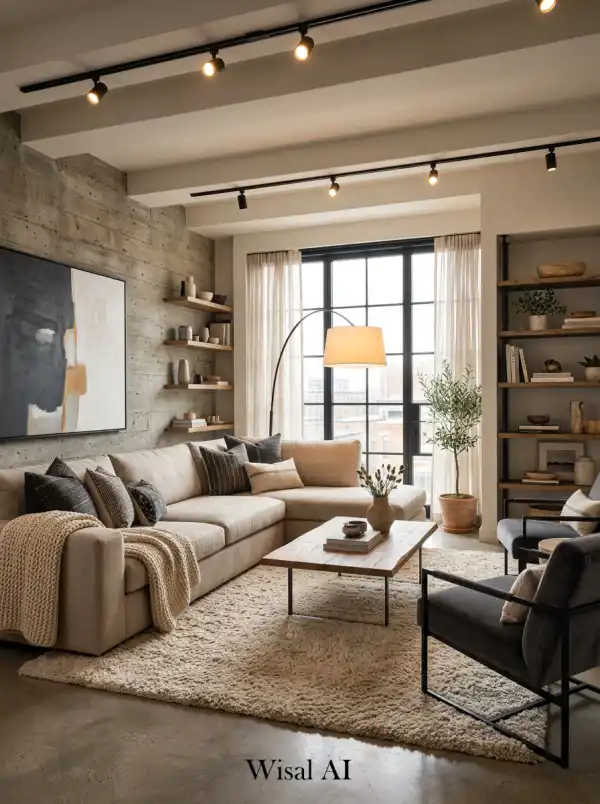
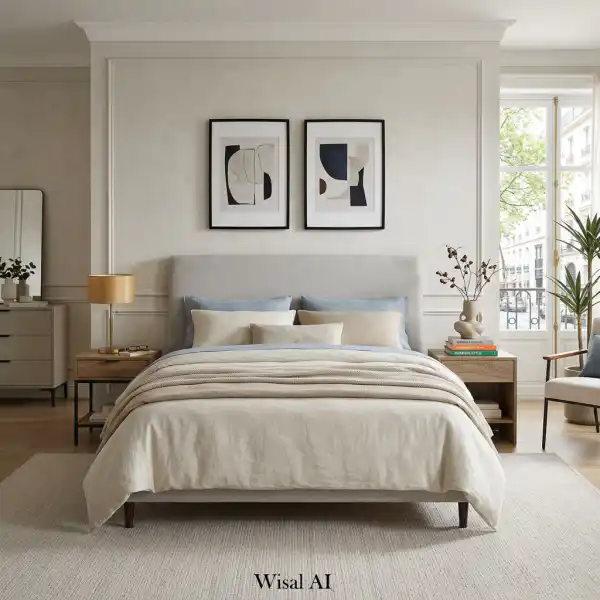
The right color combination can completely transform the way a bedroom looks and feels. While furniture and décor play important roles, color is often the first thing people notice when they enter a room. It sets the mood, influences how spacious the space feels, and creates the foundation for every other design choice. A well-balanced color palette can make a bedroom feel calm, inviting, luxurious, and timeless without requiring expensive renovations. Many homeowners struggle to choose bedroom colors because trends change quickly. Shades that seem stylish today may feel outdated just a few years later. Professional interior designers solve this problem by focusing on timeless color combinations that have remained beautiful across decades of interior design. These palettes emphasize harmony, natural materials, and versatile tones that adapt easily to changing furniture and décor. Whether you're designing a modern retreat, a cozy guest room, or a luxurious primary bedroom, selecting complementary colors helps create visual balance and a relaxing atmosphere. From warm neutrals and soft earth tones to sophisticated contrasts and nature-inspired palettes, timeless combinations allow your bedroom to feel elegant year after year. In this guide, you'll discover 17 bedroom color combinations that never go out of style. Each pairing offers its own personality while maintaining the classic appeal that interior designers consistently return to. These ideas will help you create a bedroom that's beautiful today and will continue to look sophisticated for years to come.
1. Warm White and Natural Oak
Few color combinations feel as timeless as warm white paired with natural oak. This pairing creates a bedroom that's bright, airy, and welcoming while maintaining a sense of warmth that pure white interiors sometimes lack. Warm white walls reflect natural light beautifully, making even smaller bedrooms appear larger and more open. Natural oak furniture introduces subtle golden tones that soften the space and create a connection to nature. Layering linen bedding, woven baskets, ceramic lamps, and textured rugs enhances the organic character of this palette. Black accents can be added sparingly through lighting fixtures or picture frames to introduce gentle contrast without overwhelming the room. This combination works beautifully in Scandinavian, Japandi, Modern Organic, Coastal, and Contemporary bedrooms because of its versatility and timeless simplicity. Whether your bedroom receives abundant sunlight or limited natural light, warm white and oak create a peaceful environment that always feels fresh, elegant, and comfortable.
2. Soft Beige and Crisp White
Soft beige and crisp white create one of the most relaxing bedroom palettes available. Beige adds warmth without becoming too dark, while white introduces brightness and visual freshness. Together they produce a sophisticated atmosphere that feels both luxurious and approachable. Use beige on walls or upholstered furniture while incorporating crisp white bedding, curtains, and decorative accessories. Layer different shades of beige through cushions, throws, rugs, and upholstered seating to create depth without relying on bold colors. Natural materials such as wood, linen, wool, and rattan complement this palette perfectly, making the bedroom feel comfortable rather than overly formal. The result is a timeless bedroom that remains elegant regardless of changing design trends.
3. Greige and Charcoal Gray
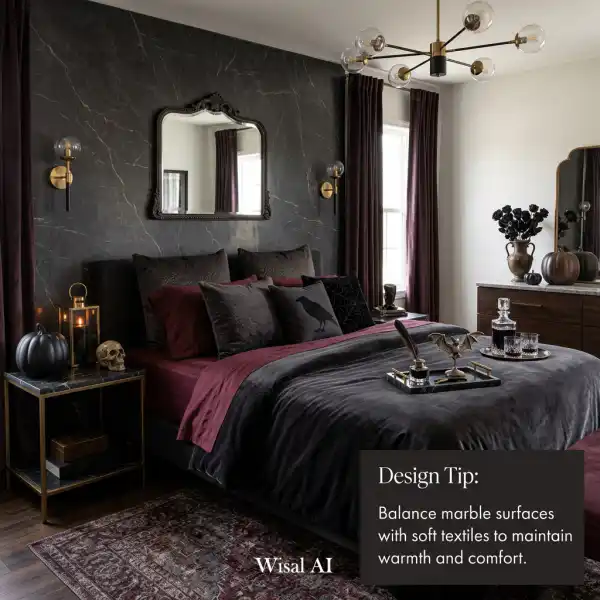
Greige a balanced mix of gray and beige has become a favorite among interior designers because it combines warmth with modern sophistication. Pairing greige with charcoal gray creates subtle contrast while maintaining a calm atmosphere. Greige walls provide a soft neutral backdrop, while charcoal appears through upholstered headboards, accent chairs, bedding, or decorative accessories. To prevent the room from feeling too dark, incorporate white bedding, light wood furniture, and metallic accents in brushed brass or matte black. This refined palette suits Contemporary, Transitional, and Modern bedrooms particularly well while remaining timeless enough to evolve with changing décor.
4. Sage Green and Warm White
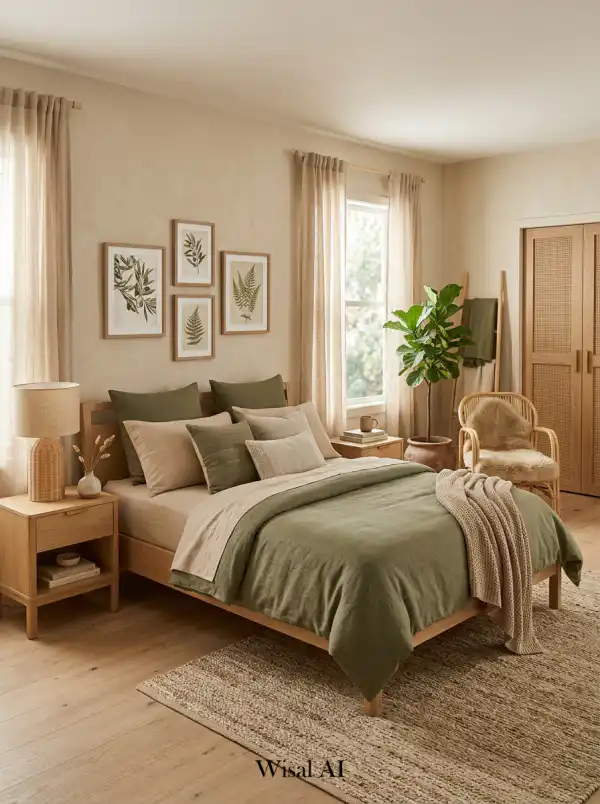
Inspired by nature, sage green and warm white create a bedroom that immediately feels peaceful. Sage introduces soft color without overwhelming the room, making it ideal for those who want something more interesting than traditional neutrals. Warm white walls or bedding balance the green beautifully while reflecting daylight throughout the space. Natural oak furniture, linen textiles, woven baskets, and indoor plants further reinforce the organic atmosphere. This palette works exceptionally well in Modern Organic, Farmhouse, Scandinavian, and Cottage-inspired interiors. The gentle combination encourages relaxation while maintaining an effortlessly elegant appearance.
5. Navy Blue and Ivory
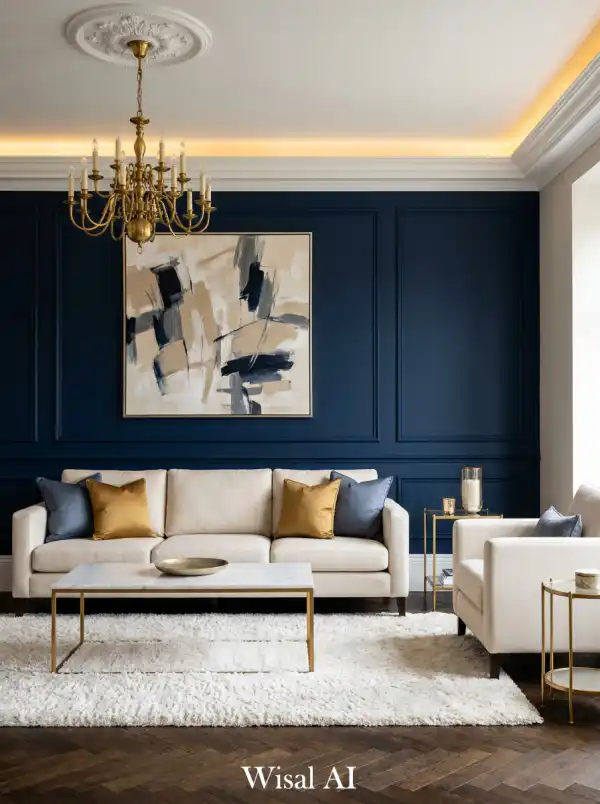
For homeowners seeking greater depth without sacrificing timeless style, navy blue paired with ivory is an outstanding choice. Navy creates richness and sophistication, especially when used on an accent wall, upholstered headboard, or bedding. Ivory softens the darker tones while preventing the room from feeling heavy. Warm wood furniture, brass lighting fixtures, and textured fabrics complete the design beautifully. This classic combination has remained popular for decades because it balances boldness with elegance. Whether used in traditional or contemporary interiors, navy and ivory create a luxurious bedroom that never feels outdated.
6. Taupe and Cream
Taupe and cream create a bedroom that feels effortlessly elegant and welcoming. Taupe sits comfortably between gray and brown, making it one of the most versatile neutral colors in interior design. It introduces warmth without becoming overly dark and provides a sophisticated backdrop that complements almost every decorating style. Cream adds softness and brightness while preventing the room from feeling flat. Together, these colors create gentle contrast that looks refined rather than dramatic. This combination works especially well in bedrooms where relaxation is the primary goal because neither color competes for attention. Layer the palette with upholstered furniture, soft wool blankets, linen bedding, and textured area rugs. Natural wood furniture in oak or walnut adds richness, while brushed brass hardware introduces subtle warmth. To keep the room visually interesting, combine multiple shades of taupe and cream instead of relying on a single tone. This layering technique creates depth while maintaining the peaceful atmosphere that timeless bedrooms are known for. Whether your home features traditional architecture or a modern floor plan, taupe and cream remain a dependable choice that continues to feel stylish year after year.
7. Light Gray and Soft White
Light gray and soft white have become modern classics because they create clean, calming interiors without feeling cold. Light gray offers slightly more character than plain white while remaining neutral enough to coordinate with almost any furniture style. Soft white keeps the room bright and prevents the gray from appearing too heavy. This palette works particularly well in bedrooms with abundant natural light, where the subtle variations between gray and white become more noticeable throughout the day. Introduce texture through boucle chairs, knitted throws, linen curtains, and plush rugs. Black picture frames or matte black lighting fixtures can provide subtle contrast, while pale wood furniture adds warmth. Rather than creating a stark monochromatic appearance, combining several shades of gray and white gives the bedroom a layered, luxurious feel. This timeless palette adapts easily as decorating trends change, allowing you to refresh the room simply by updating pillows, artwork, or decorative accessories.
8. Olive Green and Sand
Nature-inspired interiors continue to remain popular because they create peaceful environments that feel connected to the outdoors. Olive green paired with warm sand tones offers a sophisticated alternative to brighter greens while maintaining a timeless appearance. Olive works beautifully on accent walls, upholstered headboards, or bedding, while sand-colored walls, curtains, and rugs soften the overall design. Natural materials enhance this combination perfectly. Woven baskets, oak furniture, stone accessories, ceramic lamps, and linen fabrics all reinforce the organic atmosphere. Indoor plants further strengthen the connection to nature without introducing competing colors. The result is a bedroom that feels grounded, relaxing, and comfortably elegant regardless of changing decorating trends.
9. Black and Warm White
Many people assume black automatically makes bedrooms feel smaller, but when balanced correctly, black introduces striking sophistication. Instead of using black across large wall surfaces, incorporate it through carefully selected details such as lighting fixtures, picture frames, furniture legs, cabinet hardware, or window frames. Warm white walls and bedding prevent the room from becoming overly dark while allowing the black accents to stand out beautifully. Natural wood furniture softens the contrast and prevents the room from feeling too modern or industrial. This palette creates strong visual definition while remaining surprisingly calm. Professional designers frequently rely on black as an accent because it adds structure and elegance without overwhelming the room.
10. Dusty Blue and Warm Beige
Dusty blue evokes feelings of calmness and serenity, making it one of the most successful bedroom colors. When paired with warm beige, the palette becomes both sophisticated and inviting. Blue introduces subtle color inspired by the sky and sea, while beige grounds the design with warmth and comfort. Layer the room with white bedding, woven textures, light wood furniture, and soft curtains to maintain brightness. Brass lighting fixtures or ceramic decorative objects further elevate the palette. Unlike brighter blues that may feel trendy, dusty blue remains understated and timeless, making it an excellent long-term investment for any bedroom.
11. Terracotta and Soft Ivory
Warm earth tones continue to gain popularity because they create cozy, welcoming interiors. Terracotta introduces rich warmth inspired by natural clay, while soft ivory balances its intensity. Rather than painting every wall terracotta, consider using the color through accent walls, bedding, cushions, or decorative accessories. Ivory walls reflect natural light while keeping the room open and airy. Natural fibers, handmade pottery, linen textiles, and wooden furniture all complement this earthy palette beautifully. The result is a bedroom that feels both rustic and refined, combining warmth with timeless elegance.
12. Chocolate Brown and Linen White
Deep chocolate brown creates an atmosphere of comfort and sophistication. When balanced with linen white, it becomes luxurious without feeling heavy. Chocolate brown works particularly well for upholstered headboards, wood furniture, built-in cabinetry, or accent walls. Linen white bedding and curtains brighten the room while introducing softness. Layering different brown tones through leather, walnut wood, woven baskets, and natural textiles creates exceptional visual richness. This palette feels especially inviting during cooler seasons while remaining elegant throughout the year.
13. Soft Blush and Warm Gray
Blush is no longer reserved for children's rooms. Modern blush tones are muted, sophisticated, and surprisingly versatile. When paired with warm gray, blush introduces subtle warmth without becoming overly feminine. Use blush sparingly through bedding, artwork, cushions, or upholstered seating while allowing gray to dominate the larger surfaces. Natural wood furniture and white textiles complete the palette beautifully. The overall effect is soft, elegant, and timeless. This combination works exceptionally well in contemporary bedrooms where understated color creates gentle personality.
14. Walnut Brown and Ivory
Walnut wood has remained one of the most respected furniture finishes for decades because of its richness and natural beauty. Pairing walnut brown with ivory walls creates immediate warmth and sophistication. The deep wood tones become the focal point while ivory reflects natural light and keeps the room feeling spacious. Textured rugs, linen curtains, ceramic lamps, and brass accents complete the design. This classic pairing complements Traditional, Transitional, Modern, and Mid-Century interiors equally well. Its timeless quality makes it an excellent investment for homeowners seeking long-lasting elegance.
15. Stone Gray and Natural Wood
Stone gray introduces calm sophistication without appearing cold. Combined with natural wood furniture, it creates a bedroom that's balanced, comfortable, and visually interesting. Stone gray walls provide a subtle backdrop for oak or walnut furniture while allowing textiles and artwork to stand out naturally. Layer soft bedding, woven baskets, textured throws, and indoor plants throughout the room. This palette performs particularly well in Scandinavian and Modern Organic interiors because it emphasizes simplicity and natural beauty. The restrained colors allow architectural details and quality materials to become the focus.
16. Deep Forest Green and Cream
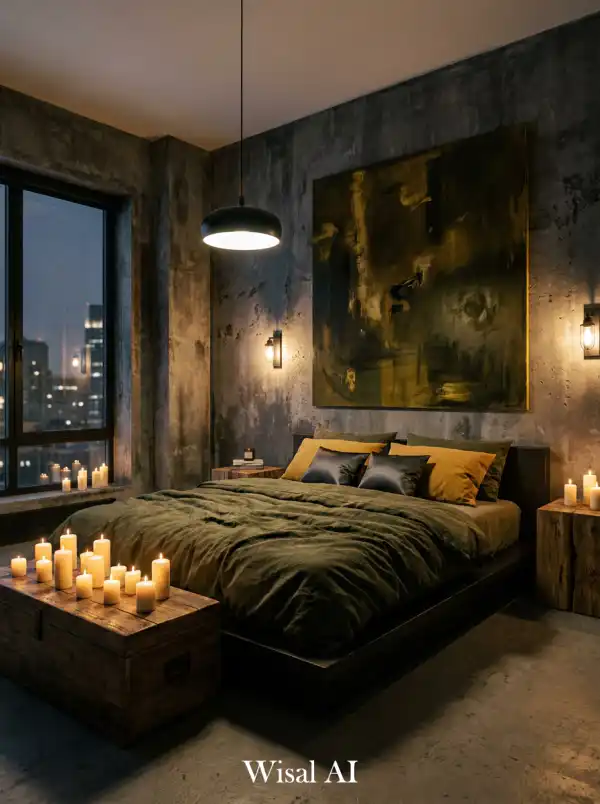
Forest green creates a luxurious atmosphere inspired by nature. Unlike brighter greens, deep forest tones feel mature and timeless. Cream balances the richness of green while reflecting enough light to keep the room feeling comfortable. Brass lighting, walnut furniture, white bedding, and natural linen curtains further enhance the palette. Large indoor plants strengthen the connection to nature while creating visual continuity. This dramatic yet elegant combination works beautifully in both traditional and contemporary bedrooms.
17. Greige and Soft Black
Greige remains one of the most versatile neutral colors in modern interior design. Introducing soft black accents creates definition without overwhelming the peaceful atmosphere. Greige walls provide warmth, while black appears through lighting fixtures, cabinet hardware, window frames, picture frames, or accent furniture. White bedding keeps the room bright, and natural oak furniture softens the overall contrast. Layered textures such as linen, wool, boucle, and woven fibers prevent the palette from feeling flat. The result is a sophisticated bedroom that feels modern today while remaining timeless for many years to come.
Conclusion
Choosing the right bedroom color combination is one of the most important decisions you'll make when designing a relaxing and timeless space. While trends may come and go, classic color pairings continue to create beautiful interiors because they emphasize balance, harmony, and comfort rather than temporary fashion. Whether you prefer the airy simplicity of warm white and natural oak, the calming elegance of sage green and warm white, or the dramatic sophistication of navy blue and ivory, each of these timeless combinations provides a foundation that can evolve with changing furniture, décor, and personal style. Natural materials, layered textures, and thoughtful lighting further enhance every palette, allowing the colors to feel even richer and more inviting. The most successful bedrooms are those where every element works together to create a peaceful retreat from everyday life. By selecting one of these enduring color combinations and complementing it with quality furnishings and meaningful accessories, you can design a bedroom that feels elegant, comfortable, and effortlessly stylish for many years to come.
FAQs
1. What bedroom color combination never goes out of style?
Warm white with natural oak, beige with white, and navy blue with ivory are among the most timeless combinations.
2. What colors make a bedroom feel calm and relaxing?
Soft neutrals, sage green, dusty blue, warm gray, greige, cream, and earthy tones create a peaceful atmosphere.
3. Can dark colors work in a bedroom?
Yes. Dark colors like navy, forest green, charcoal, and chocolate brown look elegant when balanced with lighter colors and plenty of natural light.
4. How many colors should a bedroom palette include?
Most professional designers recommend two to three main colors with one or two accent shades for balance.
5. Are neutral bedrooms boring?
Not at all. Layering different textures, materials, lighting, and subtle color variations makes neutral bedrooms feel rich and luxurious.
6. How do interior designers choose bedroom color palettes?
They consider natural light, room size, architectural style, furniture materials, and the mood they want the space to create before selecting complementary colors.