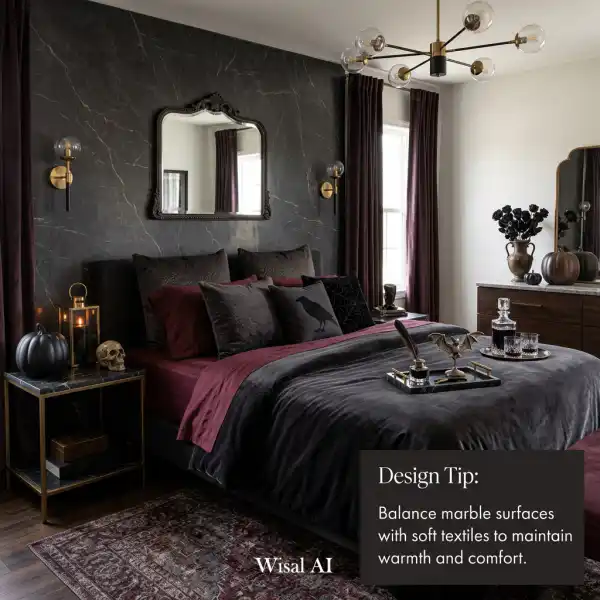
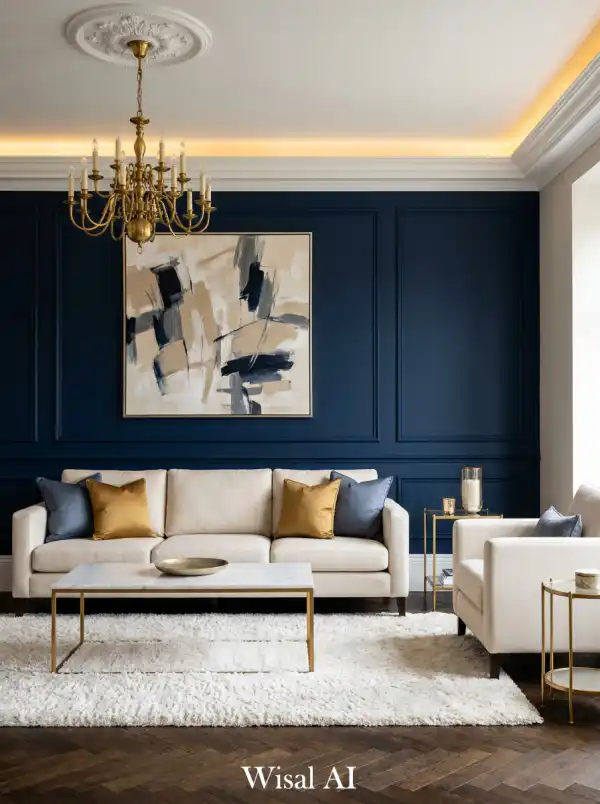
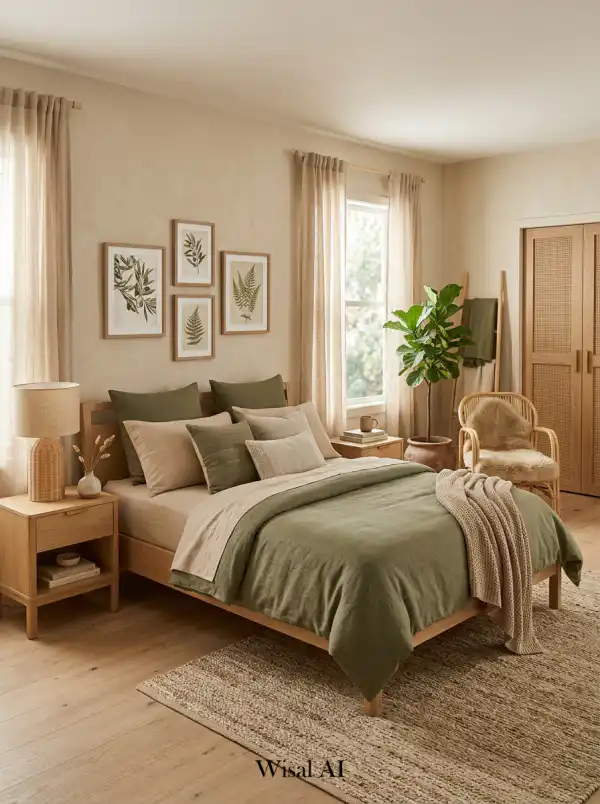
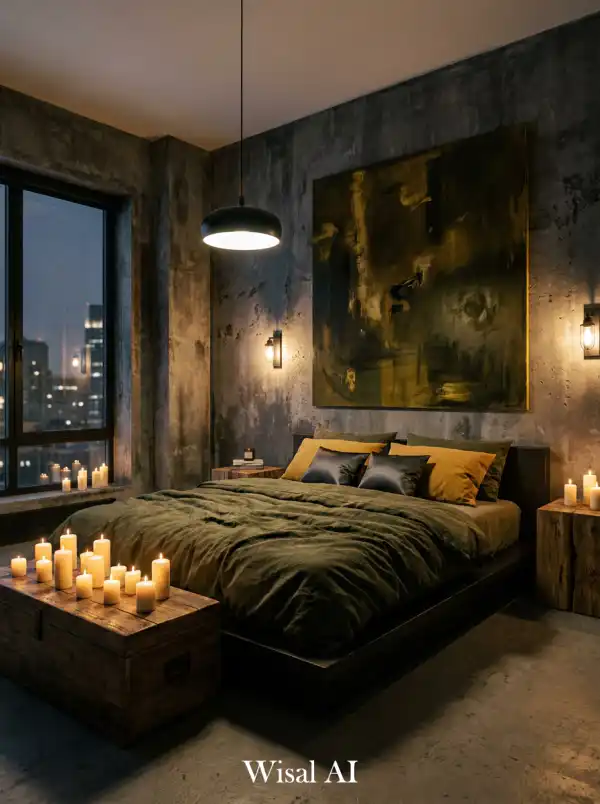
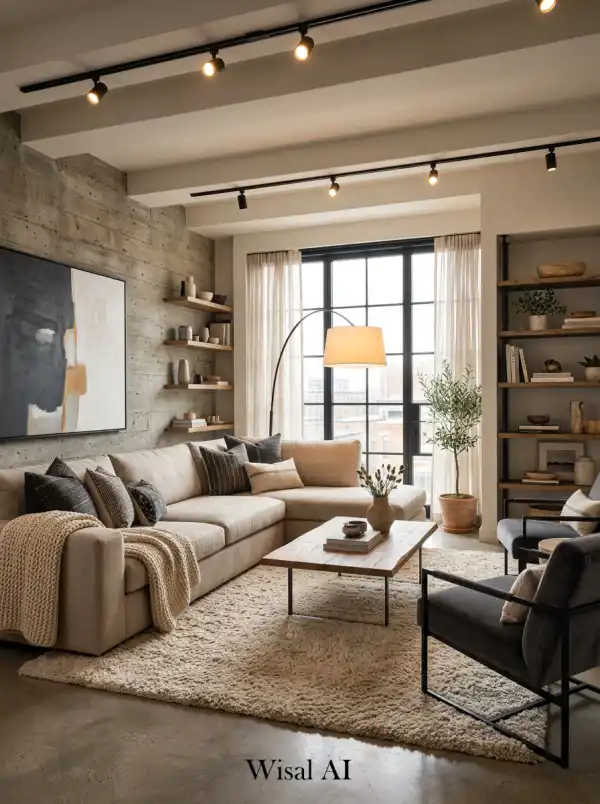
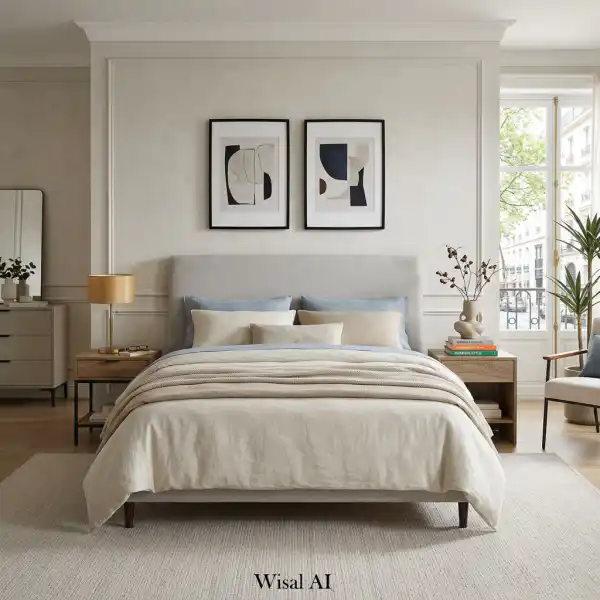
A beautiful home and a professionally designed home may look similar at first glance, but there is often a subtle difference between them. A beautiful home can have attractive furniture, stylish colours, beautiful artwork, and carefully selected accessories. It can be warm, comfortable, and visually appealing. A professionally designed home goes one step further. It considers how every element works with everything around it. The furniture is not only beautiful; it is correctly scaled for the room. The lighting isn't simply bright; it is layered according to how the space is used. The colour palette doesn't just look good in photographs; it flows naturally from one room to another. There is also a sense of restraint. Professional interiors rarely feel as though every available corner needed to be decorated. Instead, they use negative space, repetition, proportion, contrast, and visual hierarchy to create a more sophisticated result. This doesn't mean professionally designed homes are always expensive. In fact, some of the most important principles have little to do with budget. A modest home can feel professionally designed when its layout is thoughtful and its materials, colours, lighting, and furniture work together. The difference is often found in the details that aren't immediately obvious. You may not consciously notice that the curtains are mounted at the right height, that the rug is correctly sized, or that the lighting comes from several different sources. But these decisions influence how the entire room feels. If you've ever wondered why some homes look effortlessly polished while others with similar furniture feel slightly unfinished, the answer is usually design discipline. Here are 15 things that separate a beautiful home from one that feels professionally designed.
1. Professionally Designed Homes Get the Scale Right
One of the biggest differences between amateur decorating and professional interior design is scale. A room can contain beautiful furniture and still feel wrong if the pieces are too large, too small, or poorly proportioned. A huge sectional in a small living room can overwhelm the architecture. A tiny coffee table in front of a large sofa can make the seating arrangement feel disconnected. Professional designers consider the dimensions of the room before selecting furniture. They think about: Ceiling height Wall length Door and window positions Walking paths Furniture dimensions Visual weight Distance between pieces Everything has a relationship. This is why professionally designed rooms often feel comfortable before you can even explain why. The furniture simply fits.
2. The Layout Is Designed Around How People Actually Live
A beautiful room may have attractive furniture arranged symmetrically. A professionally designed room is arranged around function. Where do people enter? Where do they sit? How do they move through the room? Where will conversations happen? Where will people place drinks? Where does natural light enter? How is the television viewed? These practical questions influence the layout. For example, a living room shouldn't simply place a sofa against the largest wall because that is where it "fits." The seating should create a comfortable relationship between people and the room's focal point. A dining table should allow people to pull chairs out without blocking circulation. A bedroom should provide enough space around the bed to move comfortably. Good design begins with how the room functions.
3. There Is a Clear Visual Hierarchy
Professionally designed interiors usually tell your eyes where to look first. There is a hierarchy. Perhaps the first thing you notice is a large artwork. Then you notice the sofa. Then the coffee table and surrounding details. Then smaller accessories. This hierarchy prevents visual chaos. If every object is equally dramatic, the room becomes exhausting. A statement chandelier, colourful artwork, patterned rug, sculptural furniture, and dozens of accessories can all compete for attention. Instead, choose one or two primary focal points and allow everything else to support them. A beautiful home may contain many attractive things. A professionally designed home knows which things should matter most.
4. The Colour Palette Is More Controlled
Professional interiors don't necessarily use neutral colours. They simply use colour with intention. A designer may build a room around three or four main colour relationships and repeat them throughout the space. For example: Warm white + walnut + muted green + brushed brass or Cream + charcoal + natural oak + terracotta The colours don't need to match exactly. They need to communicate with one another. Professional designers also consider how colours transition between rooms. A hallway might repeat the living room's accent colour. A kitchen may use the same wood tone found in the dining area. A bedroom might introduce a softer version of the colour used downstairs. This creates continuity throughout the home.
5. Lighting Is Layered Instead of Simply Functional
This is one of the biggest differences between ordinary and professionally designed interiors. A basic room may have one ceiling fixture. A professional interior usually has multiple layers of light. There may be: Ambient lighting Task lighting Accent lighting Decorative lighting Natural daylight A living room might combine a ceiling fixture, floor lamp, table lamps, wall sconces, and subtle accent lighting. This allows the atmosphere to change throughout the day. Bright lighting can support daytime activities, while softer lamps can create a relaxed evening atmosphere. Professional designers also pay attention to the colour temperature of bulbs. Lighting should support the materials and colours of the room rather than fight against them.
6. Window Treatments Are Properly Proportioned
Curtains are often an overlooked detail, but they can dramatically affect how polished a room looks. Professional designers usually consider the height, width, fabric, and fullness of window treatments carefully. Curtains often look more elegant when they extend from close to the ceiling to the floor. Mounting the rod wider than the window can also make the window appear larger. Linen and linen-blend fabrics can create a relaxed, sophisticated appearance, while heavier fabrics can create a more formal atmosphere. Poorly fitted curtains can make even an expensive room look unfinished. Properly fitted curtains can make an ordinary room feel architectural.
7. Rugs Are Correctly Sized
One of the most common mistakes in home decorating is choosing rugs that are too small. A tiny rug floating underneath a coffee table can make a large seating arrangement feel disconnected. Professionally designed rooms usually use rugs to anchor furniture. In a living room, the rug should ideally connect the major seating pieces visually. In a dining room, it should be large enough to accommodate the chairs even when they are pulled away from the table. The rug isn't simply decoration. It defines the area.
8. Materials Are Mixed for Depth
Professionally designed interiors rarely rely on one material. Instead, designers combine different textures and finishes. A single room might contain: Natural wood Stone Linen Wool Metal Glass Leather Ceramic The purpose isn't to use as many materials as possible. It's to create contrast. Smooth stone feels richer beside textured fabric. Warm wood looks more interesting against cool metal. Soft upholstery balances hard architectural surfaces. These material relationships create depth. This is especially important in neutral interiors where colour contrast is limited.
9. Furniture Doesn't Have to Match Perfectly
A professionally designed home rarely looks like everything was purchased from the same showroom collection. Furniture can coordinate without matching. A walnut dining table might sit beside upholstered chairs with lighter wooden legs. A modern sofa can be paired with a vintage side table. A contemporary bed can work with traditional bedside lamps. These combinations create personality. The goal is to find relationships between pieces rather than identical finishes. Too much matching can make a room feel generic. Thoughtful variation makes it feel collected.
10. There Is Plenty of Negative Space
Negative space is one of the most powerful tools in professional design. It refers to the empty areas around furniture, artwork, and objects. Many homeowners feel the need to fill every wall, shelf, and tabletop. Professional designers understand that empty space has value. It allows important objects to stand out. It improves circulation. It makes rooms feel calmer. It also creates a sense of luxury because the room isn't visually desperate for attention. Sometimes the most professional design decision is simply not adding another piece.
11. Accessories Are Curated Instead of Random
Beautiful homes often contain accessories. Professionally designed homes usually contain edited accessories. There is a difference. A designer may choose a ceramic sculpture because it introduces shape. A large vase may add height. A stack of books may add colour and scale. A plant may soften an architectural corner. Each object has a purpose. This doesn't mean every accessory needs a complicated reason. But the overall collection should feel intentional. Group objects in odd numbers when appropriate, vary heights, and leave space between pieces. Avoid covering every surface simply because there is room.
12. Storage Is Integrated Into the Design
One of the least glamorous aspects of interior design is also one of the most important. Storage. Professionally designed homes hide everyday clutter. Cables disappear. Cleaning products are organised. Shoes have designated storage. Kitchen appliances are controlled. Bathroom products are kept off countertops. Bedrooms have sufficient wardrobe space. This allows the decorative elements to remain visible without being overwhelmed by everyday life. Built-in cabinetry can be particularly effective because it integrates storage directly into the architecture. Even when built-ins aren't possible, attractive baskets, closed cabinets, drawers, and storage furniture can achieve a similar effect. A beautiful room becomes much more sophisticated when it is easy to keep tidy.
13. Repetition Creates a Visual Connection
Professional designers frequently repeat certain elements throughout a home. It could be a wood tone. A metal finish. A colour. A fabric. A particular shape. For example, brushed brass might appear in the kitchen hardware, living room lighting, and bathroom fixtures. Walnut could appear in the living room furniture and bedroom cabinetry. This doesn't mean the entire home needs to look identical. The repetition simply creates a visual thread. That thread makes separate rooms feel like parts of the same design concept.
14. The Architecture Is Considered, Not Hidden
A professionally designed interior works with the architecture rather than fighting against it. Architectural features can become design opportunities. A fireplace can become a focal point. A large window can determine furniture placement. A structural column can become part of the room's composition. High ceilings can be emphasised through vertical curtains or tall artwork. Architectural niches can become shelving. Even awkward corners can be turned into useful spaces. Instead of treating the architecture as an obstacle, professional designers ask: How can this feature become part of the design? This mindset can completely change the result.
15. Everything Is Edited Before the Room Is Considered Finished
Perhaps the biggest difference between a beautiful home and a professionally designed one is editing. Professional designers don't stop when everything has been added. They stop when everything unnecessary has been removed. They might remove: An extra chair Several cushions Small decorative objects Excessive artwork Unnecessary furniture Clashing accessories The room becomes quieter. The important elements become more noticeable. This is why professionally designed spaces often feel effortless. You aren't seeing every decision that went into the room. You're simply experiencing the result.
How to Make Your Home Feel Professionally Designed
You don't need to hire a designer to apply these principles. Start with one room. Take everything out mentally and evaluate the space objectively. Ask: Is the furniture correctly scaled? Is there enough circulation? What is the focal point? Is the lighting layered? Is the rug large enough? Are the colours connected? Are there too many accessories? Could anything be removed? Then make changes one at a time. You may discover that the room doesn't need new furniture at all. It may simply need a better layout.
Start With the Biggest Visual Problem
When improving a room, don't start by buying accessories. Start with the element that is causing the biggest visual problem. If the sofa is too large, solve that first. If the lighting is poor, fix the lighting. If the room is cluttered, improve storage. If the furniture arrangement doesn't work, rearrange it. If the walls feel empty, consider artwork. This approach produces much better results than decorating randomly.
Don't Chase Every Design Trend
Professionally designed interiors often feel timeless because they aren't built entirely around trends. Trends can be introduced through smaller, replaceable elements. Use cushions, artwork, accessories, paint colours, or occasional furniture to experiment. Keep larger investments such as flooring, kitchens, sofas, and cabinetry more timeless unless you're intentionally creating a trend-driven interior. A sophisticated home should still look good several years from now.
Conclusion
The difference between a beautiful home and a professionally designed one isn't necessarily the amount of money spent. It's the quality of the decisions. Professionally designed interiors consider scale, proportion, function, lighting, colour, texture, repetition, negative space, storage, and visual hierarchy as one connected system. That's why they often feel effortless. A beautiful home may have a stunning sofa. A professionally designed home asks whether that sofa is the right size for the room. A beautiful home may have beautiful artwork. A professionally designed home considers its scale, placement, relationship to the furniture, and lighting. A beautiful home may contain expensive materials. A professionally designed home combines those materials in a way that creates balance. And perhaps most importantly, professional design understands when to stop. Not every wall needs artwork. Not every corner needs furniture. Not every shelf needs decoration. Not every material needs to match. When you allow the room to breathe, create a clear hierarchy, and make each decision intentionally, your home can begin to feel professionally designed—even without a professional designer. The ultimate goal isn't perfection. It's coherence. When the layout works, the colours communicate, the materials complement each other, and the room supports the way you actually live, the result naturally feels more sophisticated, comfortable, and complete.
FAQs
What makes a home look professionally designed?
The biggest factors are correct furniture scale, thoughtful layouts, layered lighting, cohesive colours, properly sized rugs, quality-looking materials, integrated storage, and intentional accessories.
Does a professionally designed home have to be expensive?
No. Professional design is primarily about planning and proportion. Expensive materials can enhance a room, but they cannot compensate for poor layout or excessive clutter.
Why do designer rooms look more balanced?
Designers consider relationships between furniture, architecture, colours, lighting, and empty space rather than choosing each element independently.
Should all furniture match?
No. Matching everything can make a room feel generic. Coordinating different styles, materials, and finishes usually creates more personality.
How important is lighting in interior design?
Extremely important. Layered lighting creates depth, highlights architectural details, and allows the atmosphere of a room to change throughout the day.
Why do some expensive homes still look poorly designed?
Cost doesn't guarantee good design. Poor proportions, clutter, inconsistent colours, inadequate lighting, and badly arranged furniture can make even expensive interiors feel unfinished.
What's the first thing I should change in my home?
Start with the biggest functional or visual problem rather than buying decoration. Improve the layout, furniture scale, lighting, storage, or clutter first. Then add decorative details.