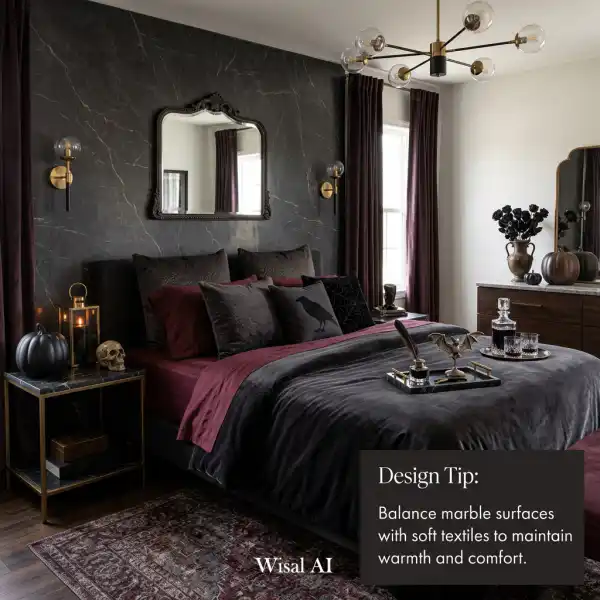
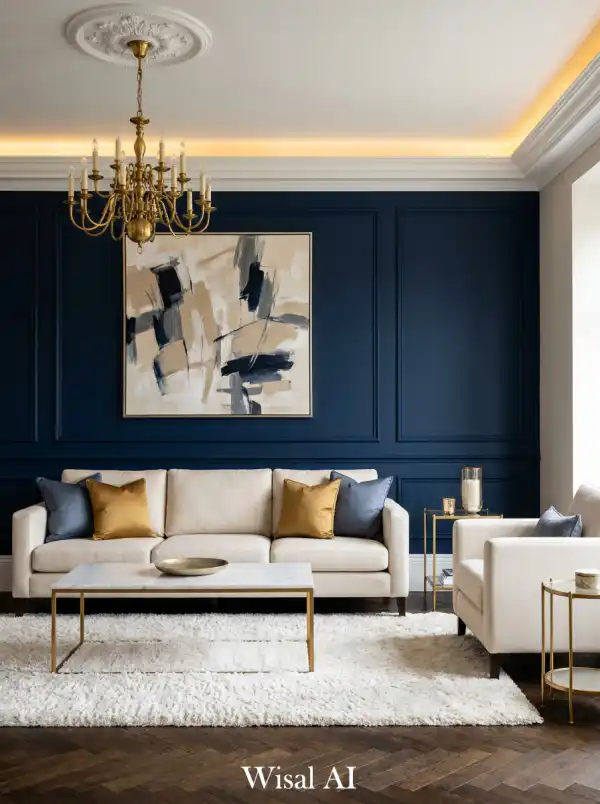
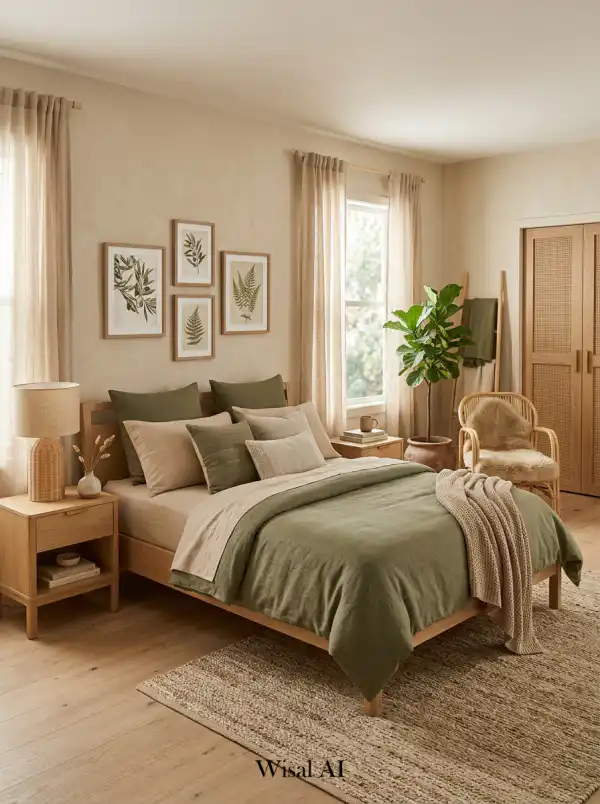
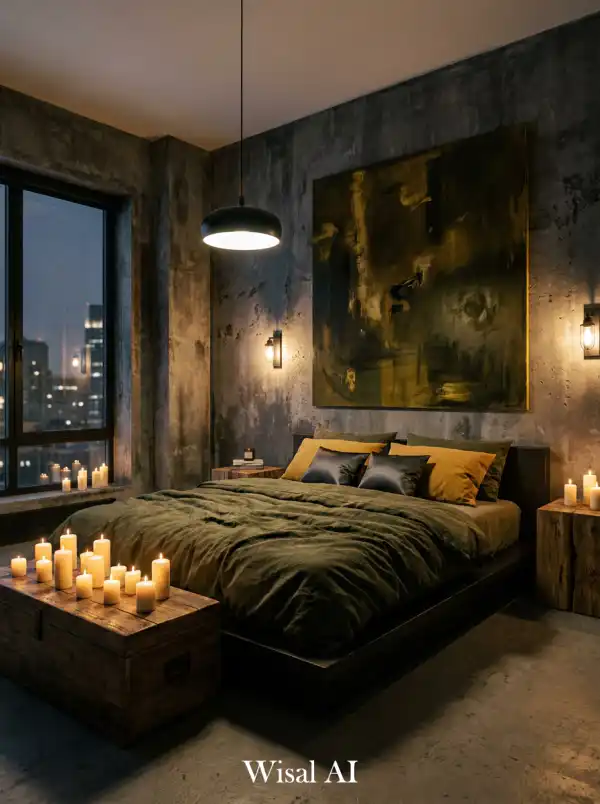
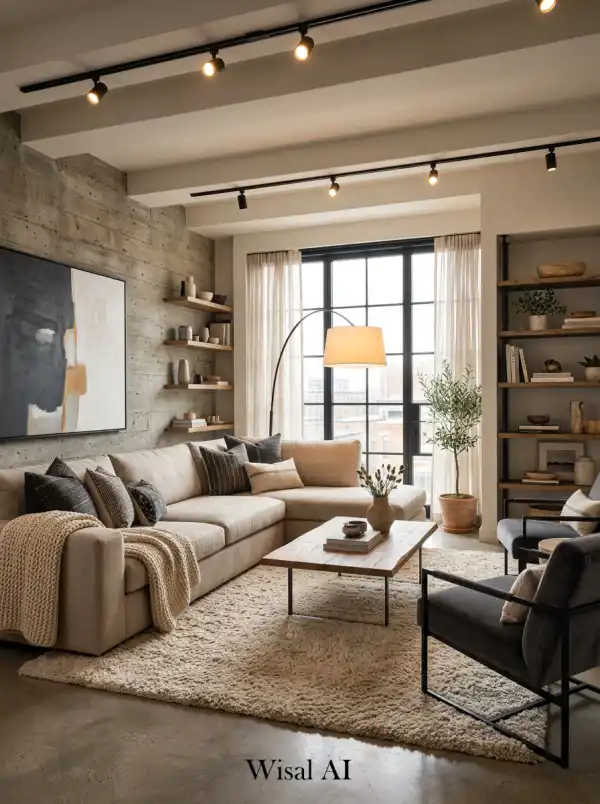
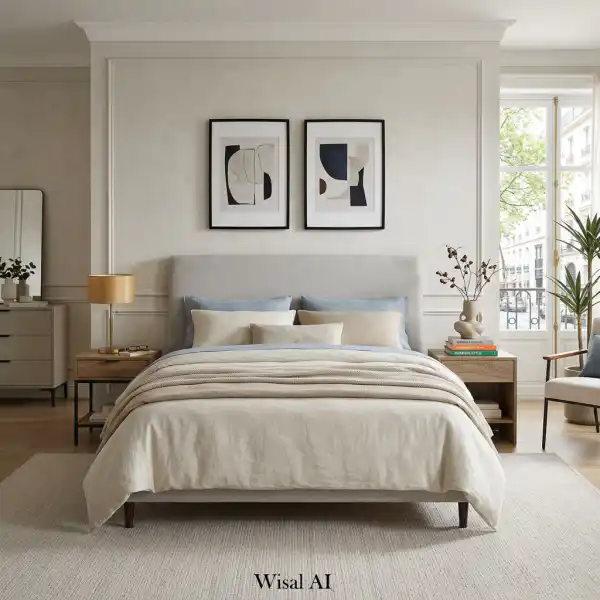
A sophisticated room isn't necessarily the most expensive room in the house. It doesn't have to contain designer furniture, rare artwork, or luxurious materials imported from around the world. In many cases, sophistication comes from something much simpler: how thoughtfully the space has been put together. A room can have relatively affordable furniture and still look polished, elegant, and expensive when the proportions are right, the colour palette is controlled, the lighting is layered, and unnecessary visual clutter has been removed. On the other hand, even an expensive room can look ordinary when furniture is poorly arranged, accessories are overused, or every surface is competing for attention. Sophistication is really about creating a sense of intentionality. When you walk into a sophisticated room, nothing feels completely random. The furniture appears to belong together. The colours feel connected. The lighting creates atmosphere. Materials add depth. Decorative objects have enough space around them to be appreciated. Perhaps most importantly, the room feels comfortable rather than overly decorated. You don't need to redesign your entire home to create this effect. Small changes can dramatically improve how a room looks and feels. Moving furniture, replacing a few accessories, improving the lighting, introducing better textiles, or simply removing unnecessary items can make an immediate difference. The following 15 ideas focus on the details that professional designers use to make ordinary rooms feel more refined, balanced, and sophisticated.
1. Create a Cohesive Colour Palette
One of the fastest ways to make a room look sophisticated is to control its colour palette. That doesn't mean everything needs to be beige or white. It means the colours should have a clear relationship with one another. Start with a dominant colour, then introduce one or two secondary shades and a small number of accents. For example, a living room might combine warm white walls, a beige sofa, walnut furniture, muted green cushions, and black metal details. None of these colours need to dominate individually. Together, they create a balanced visual composition. Sophisticated interiors often avoid using too many unrelated colours because excessive variation creates visual noise. If you love colour, you can still use bold shades. The key is repetition. A deep green appearing in artwork, cushions, and a small decorative object feels intentional. The same green appearing once in an otherwise completely neutral room may feel disconnected.
2. Get the Furniture Scale Right
Furniture proportions can make or break a room. A beautiful sofa can look awkward if it is too large for the space. A small coffee table can make a large sectional look unbalanced. Tiny artwork above a large sofa can also make the wall feel unfinished. Before purchasing furniture, consider the dimensions of the entire room. The coffee table should relate comfortably to the sofa. Chairs should have enough space around them. Dining tables should leave adequate circulation space. The goal is to create relationships between pieces rather than selecting every item independently. Professionally designed rooms usually feel comfortable to walk through because furniture has been placed with both aesthetics and circulation in mind. When the scale is correct, the room automatically feels more polished.
3. Use Large-Scale Artwork
Small decorative objects can add personality, but large artwork often creates a much stronger sense of sophistication. A substantial painting, photograph, abstract artwork, or textured wall piece can become an instant focal point. Instead of filling a wall with numerous small pieces, consider using one large work above the sofa, dining table, console, or bed. The artwork doesn't have to be extremely expensive. Its impact comes from scale, framing, colour, and placement. Choose something that complements the room's palette without simply repeating every colour already present. A little contrast can make the artwork feel more intentional.
4. Layer Your Lighting
Lighting is one of the most overlooked elements of sophisticated interiors. A single ceiling fixture can illuminate a room, but it rarely creates atmosphere. Instead, use several layers. Combine ambient lighting with table lamps, floor lamps, wall sconces, pendant lights, and accent lighting. A living room, for example, could have a central ceiling fixture, a floor lamp beside the sofa, a table lamp on a sideboard, and subtle accent lighting around artwork. This creates different levels of brightness and makes the room feel more dimensional. Warm lighting is particularly effective in living and bedroom spaces. Whenever possible, use dimmers so the room can transition from bright daytime functionality to a softer evening atmosphere.
5. Choose Better Curtains
Window treatments can completely change the proportions of a room. One of the most effective tricks is to mount curtain rods higher than the top of the window, often closer to the ceiling. Allow the fabric to extend all the way to the floor. This creates a stronger vertical line and can make the ceiling appear taller. Linen and linen-blend curtains are particularly effective for sophisticated interiors because they add softness without looking overly formal. Choose a colour that complements the walls and furniture. Avoid overly short curtains or fabrics that look too stiff unless the design specifically calls for them. Beautiful curtains frame the architecture and make the room feel finished.
6. Introduce Natural Materials
Natural materials instantly add depth. Wood, stone, linen, wool, leather, rattan, ceramic, and travertine can all contribute to a more sophisticated atmosphere. The secret is to combine different textures rather than using one material everywhere. For example, a room might combine: Walnut furniture Linen curtains Wool rug Stone coffee table Ceramic accessories Leather accent chair Even if the colour palette is relatively neutral, the different textures create visual richness. Natural materials also tend to age beautifully, which makes the room feel less temporary.
7. Give Your Surfaces Some Breathing Room
A common decorating mistake is trying to fill every available surface. Coffee tables become crowded with books, candles, trays, flowers, and decorative objects. Shelves become packed with accessories. Console tables become storage areas for keys, mail, chargers, and miscellaneous objects. Sophisticated interiors usually contain more empty space. This doesn't mean surfaces should be completely bare. Instead, choose a few meaningful pieces and give them room to stand out. A coffee table might need only a beautiful book, a ceramic object, and a small plant. The empty space around those objects becomes part of the composition.
8. Mix Textures Instead of Adding More Decoration
If a room feels flat, the solution isn't always more accessories. Sometimes it simply needs more texture. Combine smooth and rough surfaces. Pair a soft boucle chair with a stone table. Add a wool rug beneath a leather sofa. Use linen curtains alongside polished wood furniture. Texture creates depth without requiring additional colour. This is particularly useful in neutral interiors. A room containing several shades of cream and beige can still feel incredibly rich when the materials have different textures. Sophistication often comes from what you can feel as much as what you can see.
9. Add One Strong Focal Point
A sophisticated room usually has a clear visual hierarchy. There should be something that catches your attention first. This could be a fireplace, large artwork, dramatic pendant light, architectural wall, statement sofa, or beautiful window. Once you identify the focal point, allow the surrounding elements to support it. If everything is designed to attract attention, nothing actually becomes the focal point. For example, if you have a dramatic piece of artwork above the sofa, you don't also need an extremely busy rug, several patterned cushions, and multiple large decorative objects competing with it. One strong feature is often more powerful than five medium ones.
10. Repeat Materials and Finishes
Repetition creates visual rhythm. If your living room contains walnut furniture, repeat that tone somewhere else. If brass appears in your lighting, introduce a small amount of brass in hardware or accessories. If natural stone is used on the coffee table, a smaller stone object elsewhere can create continuity. This doesn't mean everything should match. In fact, perfect matching can make a room feel like a furniture showroom. Instead, repeat selected materials subtly. The result feels collected and intentional rather than overly coordinated.
11. Use Mirrors Strategically
A well-placed mirror can instantly elevate a room. Large mirrors can reflect natural light, increase the sense of depth, and make smaller rooms appear more spacious. The most effective placement is often opposite or adjacent to a window. This allows the mirror to reflect daylight and create a brighter atmosphere. Mirrors can also be used to reflect artwork, architectural details, or attractive views. Choose a frame that complements the room. A walnut frame creates warmth, brass adds elegance, and a simple black frame works well in contemporary spaces. The mirror should feel like part of the design rather than an afterthought.
12. Choose a Rug That Is Large Enough
A rug that is too small can make an otherwise beautiful room feel disconnected. In living rooms, the rug should generally be large enough for at least the front legs of the major seating pieces to sit comfortably on it. In larger rooms, putting all of the furniture on the rug can create an even stronger sense of unity. The rug visually connects the furniture and establishes the boundaries of the seating area. Choose texture and pattern according to the rest of the room. If the furniture is simple, a subtle pattern can add interest. If the room already contains strong patterns, a more restrained rug may work better.
13. Introduce Greenery
Plants are an easy way to make a room feel more sophisticated and alive. A large indoor tree can create a strong vertical element in a living room. Smaller plants can soften shelves, bathrooms, bedrooms, and kitchens. Choose planters that complement the interior. Ceramic, stone, woven, or simple matte planters often work well with sophisticated styles. The key is restraint. You don't need plants in every corner. One large, healthy plant in the right location can have much more impact than many small plants scattered throughout the room.
14. Upgrade the Small Details
Small details often make the biggest difference. Replace cheap-looking hardware with more refined alternatives. Swap mismatched storage containers for coordinated ones. Replace worn cushions with better-quality fabrics. Use matching hangers inside visible wardrobes. Choose attractive soap dispensers in the bathroom. Upgrade lampshades when they look dated. Replace plastic trays and containers with wood, ceramic, glass, or stone alternatives where practical. None of these changes needs to be dramatic. But when several small details are improved at the same time, the room begins to feel noticeably more refined. Luxury often lives in the details.
15. Edit the Room Like an Interior Designer
The final step is perhaps the most important. Once you've finished decorating, remove something. Walk around the room and ask yourself: Does this object serve a purpose? Does it contribute to the overall aesthetic? Is it competing with something more important? Does the room feel crowded? Would the space look better if this item were removed? Professional designers don't simply add. They edit. Sometimes removing one chair, three decorative objects, or several items from a shelf can completely change how a room feels. Sophistication requires restraint. A room should feel complete without looking overloaded.
How to Make a Room Look Sophisticated on a Budget
You don't need to replace all your furniture. Start with the changes that have the greatest visual impact. Declutter surfaces. Rearrange furniture. Improve the lighting. Hang curtains higher. Add a properly sized rug. Introduce one large piece of artwork. Replace outdated hardware. Add natural textures. Bring in greenery. These changes can dramatically improve the appearance of a room without requiring a major investment. When purchasing something new, prioritise pieces that are visible, functional, and likely to remain useful for years. A beautiful floor lamp can have more impact than five small decorative objects. A large mirror can transform a wall more effectively than a collection of inexpensive prints. A high-quality-looking rug can completely redefine a seating area. Think about impact rather than quantity.
The Difference Between Expensive and Sophisticated
It's worth making an important distinction. A room can be expensive without being sophisticated. It can contain marble, designer furniture, expensive artwork, and luxury lighting while still feeling visually chaotic. Sophistication comes from relationships. The relationship between colours. The relationship between furniture sizes. The relationship between textures. The relationship between lighting levels. The relationship between empty space and decoration. When these elements work together, the room feels effortless. That is often the real secret behind high-end interiors. They don't necessarily show how much was spent. They show how carefully everything was considered.
Common Mistakes That Make a Room Look Less Sophisticated
Too Many Matching Furniture Pieces
Buying an entire furniture collection can make a room feel generic. Mix complementary pieces instead.
Tiny Rugs
A rug that is too small can make furniture appear disconnected. Choose a size that properly anchors the seating or dining area.
Poor Lighting
Bright, cold, single-source lighting can flatten an otherwise beautiful room. Use multiple warm light sources instead.
Overdecorating
More accessories don't automatically mean more luxury. Edit aggressively.
Ignoring Scale
Small artwork over a large sofa or tiny furniture in a huge room can make the space feel awkward. Always consider proportion.
Visible Clutter
Even beautiful objects become visual noise when there are too many of them. Keep everyday necessities hidden.
Conclusion
Making a room look more sophisticated isn't about following every design trend or purchasing the most expensive furniture available. It's about creating visual order, balance, and intention. Start with the fundamentals: choose a cohesive colour palette, get your furniture proportions right, establish a clear focal point, and improve your lighting. Then introduce natural materials, layered textures, large-scale artwork, beautiful window treatments, and carefully selected accessories. Most importantly, learn when to stop. A sophisticated room doesn't try too hard. It gives beautiful objects enough space to breathe. It allows materials to speak for themselves. It uses contrast without chaos and decoration without clutter. You don't need to transform your entire home overnight. Choose one room and begin with the biggest problems. Remove unnecessary objects. Rearrange the furniture. Improve the lighting. Add one strong focal point. Then refine the smaller details. The difference can be surprisingly dramatic. Ultimately, sophistication isn't about making a room look expensive for the sake of appearances. It's about creating a space that feels intentional, comfortable, balanced, and timeless. When every element has a reason to be there, the room naturally feels more refined.
FAQs
What makes a room look sophisticated?
Good proportions, a cohesive colour palette, layered lighting, natural materials, quality-looking textiles, large-scale artwork, controlled decoration, and thoughtful furniture placement all contribute to a sophisticated interior.
How can I make my room look expensive without buying new furniture?
Start by decluttering, rearranging your furniture, improving lighting, adding properly sized curtains and rugs, introducing greenery, and displaying artwork more intentionally.
Does a sophisticated room have to be neutral?
No. Bold colours can look extremely sophisticated when they are used intentionally and balanced with appropriate neutrals and complementary materials.
How many decorative objects should I use?
There is no exact number, but fewer well-chosen objects usually create a more refined appearance than many small pieces competing for attention.
What type of lighting makes a room look more sophisticated?
Layered warm lighting works particularly well. Combine ceiling fixtures with floor lamps, table lamps, wall sconces, and accent lighting rather than relying on a single light source.
Can affordable furniture look sophisticated?
Absolutely. Proportion, placement, materials, lighting, and styling often have a greater effect on the overall appearance than the price of individual pieces.
What is the most important rule for sophisticated interior design?
Edit before you add. If a room feels cluttered or unfinished, don't immediately buy more decoration. First consider what can be removed, rearranged, or improved.