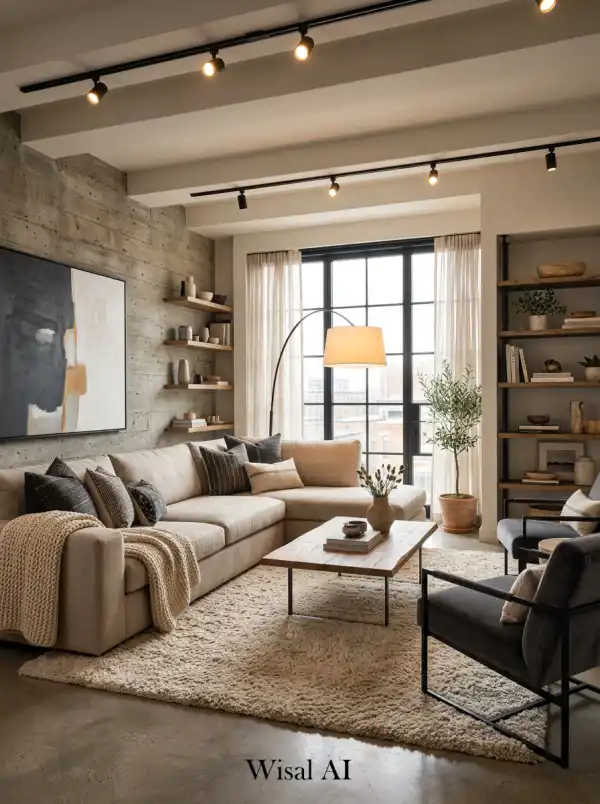
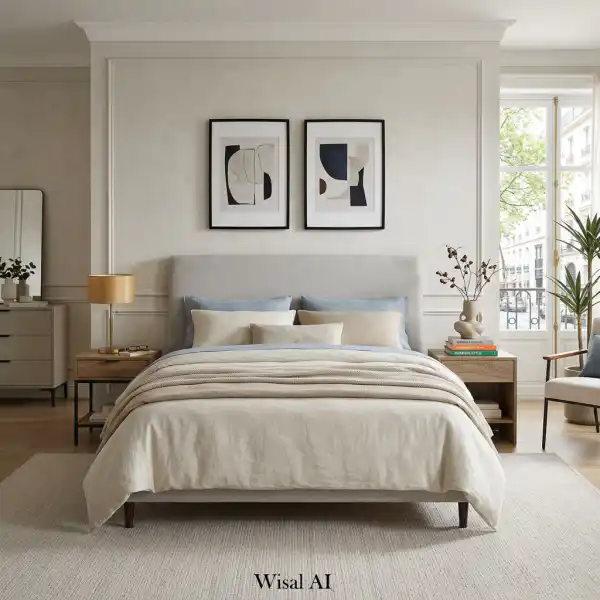
Moody blue has become one of the most powerful colors in modern interior design because it carries something rare: emotional depth. It is not just a shade of blue—it is an atmosphere. It can feel calm like a quiet ocean, elegant like a luxury hotel suite, or dramatic like a cinematic interior scene. Unlike lighter blues that feel airy and casual, moody blue introduces richness and sophistication into a living room. It creates a sense of enclosure and comfort, making the space feel more intimate and intentional. When combined with the right materials like velvet, wood, marble, and warm lighting, it transforms an ordinary living room into a refined sanctuary. What makes this color especially exciting is its flexibility. It works beautifully in modern minimalist spaces, classic interiors, coastal-inspired homes, and even bold luxury apartments. Whether used as a wall color, a statement sofa, or layered accents, moody blue always brings a sense of quiet elegance. In this guide, we explore 15 Moody Blue Living Room Ideas that show how this deep and sophisticated color can completely redefine your space. Each idea focuses on balance, texture, and atmosphere to help you create a living room that feels both luxurious and emotionally calming.
1. Moody Blue Velvet Sofa as a Statement Centerpiece
A deep moody blue velvet sofa instantly becomes the heart of the living room. Its rich texture reflects light beautifully, creating subtle depth and elegance. When placed against neutral walls such as cream or soft gray, the sofa becomes a bold yet balanced focal point. To enhance the luxurious feel, pair it with a marble coffee table, brass lighting, and soft layered rugs. The contrast between velvet and natural stone creates a high-end visual harmony that feels both modern and timeless. Design Tip: Keep surrounding décor minimal so the sofa remains the dominant visual element in the room.
2. Moody Blue and Cream Soft Luxury Living Room
This idea focuses on balance and softness. Moody blue is used in seating or accent walls, while cream tones dominate the rest of the space. The combination creates a calm, elegant environment that feels bright but still grounded. Natural materials like linen curtains, boucle chairs, and light wood furniture help soften the intensity of the blue. The result is a living room that feels airy yet sophisticated. This style works especially well in homes that want color without losing brightness or openness. Design Tip: Use warm cream tones instead of pure white to avoid harsh contrast.
3. Moody Blue and Walnut Modern Luxury Living Room
Dark walnut wood paired with moody blue creates a rich and timeless aesthetic. The deep tones of both materials complement each other perfectly, resulting in a space that feels warm, grounded, and refined. A moody blue sofa against walnut paneling or furniture creates a strong visual presence. Soft lighting enhances the wood grain and fabric texture, making the room feel intimate and luxurious. This design works well in both modern and mid-century inspired interiors. Design Tip: Add soft metallic accents like brass or gold to break the heaviness of dark tones.
4. Moody Blue Coastal Elegant Living Room
This design reimagines coastal interiors in a more sophisticated way. Instead of bright blues, moody blue introduces depth and maturity while still maintaining a connection to the sea and sky. Light wood furniture, linen textures, and sandy beige accents balance the darker blue tones. The result is a coastal-inspired living room that feels calm, refined, and modern. Natural light plays a major role, softening the deeper tones and enhancing the organic feel of the space. Design Tip: Mix moody blue with warm neutrals to maintain a soft coastal balance.
5. Moody Blue and Gold Luxury Living Room
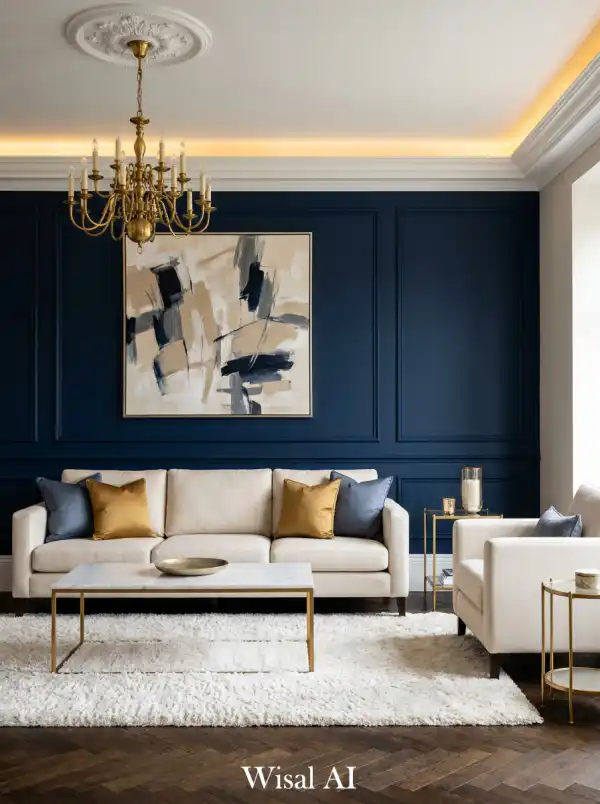
This idea embraces pure elegance. Moody blue paired with gold accents creates a rich and luxurious atmosphere that feels both dramatic and refined. A moody blue velvet sofa or accent wall becomes the backdrop for gold lighting fixtures, decorative mirrors, and sculptural accessories. The contrast between deep blue and warm metallic tones elevates the entire space. To prevent the room from feeling overly formal, neutral textiles and soft rugs help ground the design. Design Tip: Use gold sparingly as an accent rather than a dominant material to maintain elegance without excess.
6. Moody Blue Minimal Living Room with Clean Architectural Lines
This living room embraces the power of simplicity, where moody blue is used as a controlled yet impactful design element. Instead of overwhelming the space, the color is introduced through a single feature wall or a carefully chosen sofa, allowing the architecture of the room to take center stage. Clean lines, uncluttered surfaces, and minimal furniture define the space. The moody blue tone adds depth and emotion, preventing the minimalist design from feeling cold or empty. When paired with smooth plaster walls, subtle textures, and hidden lighting, the room feels calm, intentional, and highly refined. The atmosphere is quiet but powerful—every detail feels deliberate, and nothing exists without purpose. It is a perfect example of how minimalism and luxury can coexist when color is used thoughtfully. Design Tip: In minimalist interiors, let negative space work as part of the design rather than filling every corner.
7. Moody Blue Industrial Loft Living Room
This design combines the raw, unfinished beauty of industrial architecture with the elegance of moody blue. Exposed brick walls, concrete floors, and black metal frames create a strong structural backdrop, while moody blue introduces softness and emotional warmth. A deep blue sofa stands against rugged materials, creating a striking contrast between hard and soft elements. Leather chairs, reclaimed wood tables, and oversized industrial lighting fixtures complete the aesthetic, giving the space a bold urban identity. Despite its raw materials, the room never feels harsh because moody blue brings balance and depth. It softens the industrial edges and transforms the space into something more livable and visually engaging. Design Tip: Mix warm wood tones into industrial spaces to prevent the palette from becoming too cold or monochromatic.
8. Moody Blue Japandi Calm Living Room
In this Japandi-inspired living room, moody blue is used with extreme restraint and intention. The foundation of the space is built on simplicity, natural materials, and a neutral palette of beige, soft gray, and warm wood tones. Moody blue appears as a subtle accent—perhaps in a single lounge chair, a textured throw, or a minimalist artwork. This controlled use of color brings emotional depth to the otherwise quiet environment without disturbing its balance. The result is a space that feels meditative and grounded. Every object has meaning, and every material contributes to a sense of calm. The moody blue acts like a quiet emotional anchor within the simplicity of Japandi design. Design Tip: Stick to one or two moody blue elements only to preserve the harmony of Japandi minimalism.
9. Moody Blue Marble Luxury Living Room
This living room elevates moody blue into a high-end luxury setting by pairing it with elegant marble surfaces. The combination creates a space that feels sophisticated, polished, and visually striking. A moody blue velvet sofa sits in contrast with white or gray marble coffee tables. Brass or gold accents add warmth and richness, while soft ambient lighting enhances the reflective qualities of both fabric and stone. The interplay between cool marble and deep blue creates a balanced tension that feels both modern and timeless. The room looks curated and intentional, like a luxury hotel lounge designed for comfort and visual impact. Design Tip: Balance marble with soft textiles to avoid a cold or overly formal atmosphere.
10. Moody Blue Cozy Reading Living Room
This design focuses on comfort and emotional warmth, turning the living room into a personal retreat for reading and relaxation. Moody blue is used to create a sense of enclosure and calm, making the space feel safe and inviting. A comfortable moody blue armchair placed near a window or bookshelf becomes the heart of the room. Soft lighting, layered blankets, and textured rugs enhance the cozy atmosphere. Wooden shelves filled with books and personal objects add character and storytelling to the space. Unlike more formal designs, this living room feels lived-in and deeply personal. It is a place where time slows down, and the outside world feels distant. Design Tip: Combine natural light during the day with warm lamps in the evening to maintain comfort around the clock.
11. Moody Blue Scandinavian Cozy Living Room
This living room blends the simplicity of Scandinavian design with the emotional depth of moody blue. The foundation remains light and minimal, with white or off-white walls, pale wood floors, and clean-lined furniture, but the introduction of moody blue brings warmth and character to the space. A moody blue sofa or armchair becomes the focal point, standing out gently against the neutral background without disrupting the calm aesthetic. Soft textiles like wool throws, linen cushions, and textured rugs add layers of comfort and visual softness. Natural light plays a major role here, balancing the deeper tones and keeping the space feeling open and breathable. The result is a room that feels both cozy and refined, proving that minimalism does not need to feel empty or cold. Design Tip: Keep the Scandinavian base neutral and use moody blue as a controlled accent to preserve balance and harmony.
12. Moody Blue Open Space Living Room with Natural Flow
This design is ideal for modern homes with open floor plans, where the living room connects seamlessly with dining or kitchen areas. Moody blue is used strategically to define the living zone without creating visual separation. A large moody blue sectional anchors the seating area, subtly separating it from adjacent spaces. Neutral tones in surrounding areas ensure visual continuity, while wooden furniture and soft lighting create a cohesive flow throughout the home. The beauty of this design lies in its spatial clarity. Instead of walls, color and furniture placement define function, making the space feel larger, more organized, and more dynamic. Design Tip: Use rugs and lighting zones to further define areas within an open-plan layout.
13. Moody Blue Boho Chic Living Room with Layered Personality
This living room embraces the relaxed and expressive nature of bohemian design. Moody blue acts as a grounding force within a space filled with textures, patterns, and natural materials. A moody blue sofa sits among rattan furniture, woven rugs, macramé wall hangings, and earthy décor pieces. Warm tones like terracotta, beige, and muted greens complement the blue, creating a rich and layered color palette. Unlike more structured styles, this design thrives on imperfection and individuality. Each element feels collected over time, contributing to a personal and lived-in atmosphere. Design Tip: Balance patterns with solid colors like moody blue to avoid visual overload.
14. Moody Blue Mid-Century Modern Living Room
This design draws inspiration from the iconic mid-century modern era, where functionality meets bold color expression. Moody blue fits naturally into this style, offering a sophisticated twist on retro aesthetics. A low-profile moody blue sofa with wooden legs becomes the centerpiece, surrounded by walnut furniture, geometric shapes, and minimalist décor. Warm wood tones and brass details enhance the nostalgic yet modern feel of the room. The overall atmosphere is stylish, balanced, and timeless. It feels both retro and contemporary at the same time, making it highly versatile for modern homes. Design Tip: Focus on iconic furniture silhouettes to strengthen the mid-century identity.
15. Moody Blue Elegant Art-Inspired Living Room
This living room transforms into a curated art space where moody blue enhances the visual impact of artworks and design pieces. Instead of overpowering the room, the color acts as a sophisticated backdrop that elevates everything around it. A moody blue wall or sofa anchors the space, while curated artwork, sculptural lighting, and minimalist furniture create a gallery-like atmosphere. Neutral flooring and soft lighting ensure that the focus remains on visual composition rather than decoration. The room feels intellectual, expressive, and highly refined—like a private gallery designed for living rather than just viewing. Design Tip: Choose artwork with complementary tones such as warm neutrals or muted golds to enhance cohesion.
Conclusion
Moody blue is more than just a color trend it is a complete design language that transforms how a living room feels, not just how it looks. Across all 15 ideas, one thing becomes clear: this shade has the rare ability to balance calmness with depth, and elegance with emotional warmth. What makes moody blue so powerful is its versatility. It can adapt effortlessly to luxury marble interiors, minimalist Scandinavian spaces, cozy reading corners, bold industrial lofts, or soft Japandi-inspired rooms. In every style, it maintains its identity while blending naturally with wood, stone, brass, and soft textiles. In today’s interior design world, people are moving away from overly bright, sterile spaces and leaning toward environments that feel grounded and emotionally rich. Moody blue fits perfectly into this shift because it creates atmosphere it slows the space down, adds depth, and gives every room a sense of quiet sophistication. Ultimately, a beautifully designed living room is not just about decoration, but about feeling. And moody blue has a unique way of turning everyday spaces into calming, luxurious retreats where light, texture, and color work together in perfect harmony.
FAQ
1. Is moody blue a good color for a living room?
Yes, moody blue is an excellent choice because it creates a calm, elegant, and sophisticated atmosphere. It works well in both modern and classic interiors.
2. What colors go best with moody blue?
Moody blue pairs beautifully with cream, beige, white, walnut wood, natural oak, brass, gold, and soft gray tones.
3. Does moody blue make a room feel dark?
Not necessarily. When balanced with proper lighting and neutral accents, moody blue creates depth and coziness without making the room feel closed or heavy.
4. What design styles work with moody blue?
It works well with Modern Luxury, Scandinavian, Japandi, Coastal, Industrial, Mid-Century Modern, and Art-Inspired interiors.
5. Can moody blue work in small living rooms?
Yes. In small spaces, it is best used on an accent wall, sofa, or decor pieces while keeping the rest of the room light and neutral.
6. What lighting works best with moody blue interiors?
Warm lighting (2700K–3000K) is ideal because it softens the deep tones and enhances the luxurious feel of the space.
7. Is moody blue still trendy in 2026?
Yes, deep and moody tones are highly popular in 2026 because they align with the shift toward cozy, emotional, and nature-inspired interiors.